




Sacramento to Run Electric Garbage Truck on Regular Routes
The City of Sacramento, California, says it will run one of the first all-electric garbage trucks on regular routes in the area.
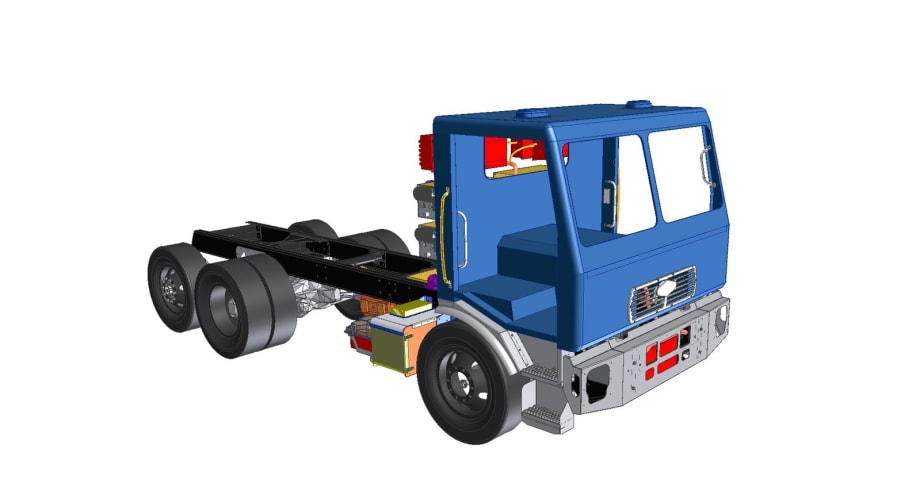
The Motiv All-Electric Powertrain, installed on the Sacramento electric refuse truck, transforms a chassis meant to be diesel-powered to one with zero-emission all-electric drive. Image: Motiv
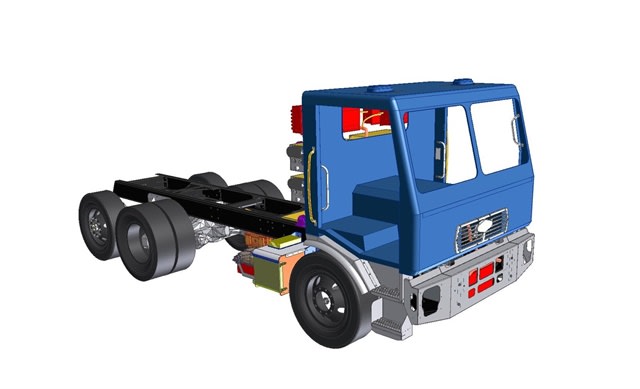
The Motiv All-Electric Powertrain, installed on the Sacramento electric refuse truck, transforms a chassis meant to be diesel-powered to one with zero-emission all-electric drive.Image: Motiv
The City of Sacramento, California, says it will run one of the first all-electric garbage trucks on regular routes in the area.
The automated left side loader garbage truck features a Motiv Power Systems all-electric powertrain, built on a Crane Carrier chassis with a body built by Loadmaster. The city plans to run the truck on residential and recycling routes throughout the city.
Sacramento specified that the truck must be able to meet the same demands placed on all of its garbage trucks, including running three routes per day to remove trash, recycling, and green waste in a downtown neighborhood.
“The City of Sacramento intends to prove that all-electric refuse trucks are the future of the industry, and we anticipate igniting that trend."
“Reducing harmful vehicle emissions in the Sacramento region is a primary focus of our sustainability policy, and the most effective way to achieve that goal is to implement electric vehicles into our fleet," said Mark Stevens, fleet manager for Sacramento. “The City of Sacramento intends to prove that all-electric refuse trucks are the future of the industry, and we anticipate igniting that trend."
The truck is equipped with 10 battery packs, expandable to 12 packs for future route expansion. Using Motiv’s Universal High Power Charger, the vehicle’s batteries will reach full charge overnight. Sacramento expects to save as much as 6,000 gallons of fuel per year, with the electric truck replacing a conventional diesel refuse truck that averages 2.8 mpg.
Motiv's All-Electric Powertrain uses off-the-shelf batteries and motors, which can be mixed and matched to fit the exact size and duty cycle of the electric truck needed. It can handle EV trucks from medium-duty to heavy-duty, weighing 14,000 pounds to 60,000 pounds, according to Motiv. The All-Electric Powertrain is designed to be assembled using existing diesel chassis infrastructure.
"The value of the City of Sacramento's zero-emission ERV goes beyond lower fuel and maintenance cost and strict payback," said Jim Castelaz, Motiv chief operating officer. "Reducing the amount of diesel-fueled refuse trucks in the city keeps communities safer from toxic diesel emissions.”
Related: Los Angeles Completes Battery-Electric Refuse Truck Demo
More Fuel Smarts

Why Diesel Price Relief Efforts May Fall Short
Diesel prices have eased from September’s record high, but doubts about additional Russian supply and limits on dyed-diesel tax relief mean trucking fleets still face expensive fuel. And prices could go higher.
Read More →
Why Small Fuel Savings Matter in Trucking
Can better fuel economy help pay for driver raises? In this podcast, GP Transco explains how small efficiency gains create room to reinvest in its people.
Read More →
How GP Transco Cuts Trucking Fuel Costs, a Tenth of a Gallon at a Time
What’s another tenth of a mile per gallon worth? GP Transco shares how equipment upgrades and driver coaching turn small gains into meaningful fuel savings.
Read More →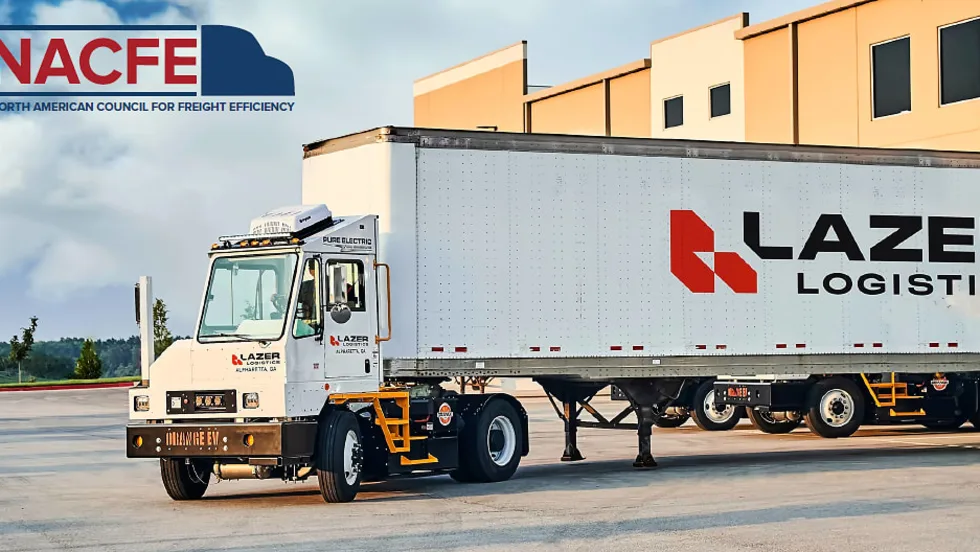
Electric Yard Tractors Move Beyond Pilots
Operating-cost savings have overtaken sustainability goals as the leading reason surveyed fleets are adopting battery-electric terminal tractors, according to new NACFE research.
Read More →
Geotab Links Fleet Card to Vehicle Data
The new card combines fuel discounts with telematics-based purchase controls. Geotab’s analysis also points to potential savings from choosing lower-priced fuel stops.
Read More →
Fleet Economics Shape Electric Truck Outlook
ACT Research expects costs, charging infrastructure, and technology improvements to drive zero-emission commercial vehicle adoption as federal regulations and incentives retreat.
Read More →
Wex Adds Cardless Fuel Payments for Over-the-Road Customers
A new fuel card feature for Wex customers offers convenience and security.
Read More →
New California Law Could Shed Light on Electric Truck Prices
Why do battery-electric Class 8 trucks remain so expensive? A California bill signed by Gov. Gavin Newsom would give fleets and state agencies more visibility into what manufacturers charge.
Read More →
How Volvo Updated Its D13 for EPA 2027 [Watch]
Volvo’s updated D13 promises lower emissions without sacrificing performance or fuel economy. Take a closer look at what changed inside the engine in this HDT Spotlight video.
Read More →
Diesel Price Spike Shortens Payback for Natural Gas Trucks, Report Says
Energy Vision estimates fleets could recover the higher purchase price of an RNG-fueled Class 8 tractor in 1.3 to 2.8 years under current fuel-price scenarios.
Read More →