




Economy's Course Puzzling, But Changes in Equipment, Driver Pay Coming, Say Speakers at CV Outlook 2010
It's the economy, stupid. But even the smart guys on the speakers list at the Heavy Duty Manufacturers Association's Commercial Vehicle Outlook 2010, held in Dallas Aug. 25-26, didn't know exactly where it's headed, though they tried hard to guestimate its puzzling course. Fleet executives, meanwhile, offered some plausible scenarios for what will happen in the equipment world

It's the economy, stupid. But even the smart guys on the speakers list at the Heavy Duty Manufacturers Association's Commercial Vehicle Outlook 2010, held in Dallas Aug. 25-26, didn't know exactly where it's headed, though they tried hard to guestimate its puzzling course. Fleet executives, meanwhile, offered some plausible scenarios for what will happen in the equipment world.
Repeating factoids heard at previous conferences, some speakers noted that trucking has been rebounding with the economy, with rates going up because since early this year there's been more freight than trucks to haul it. However, housing starts are at the lowest level in 47 years, and that won't turn around until a recovering economy creates more jobs. So the economy - driven to a great degree by new-home construction -- remains iffy.
Long-term, trucking will continue to haul most of the country's freight because of its efficiency and flexibility. And, said Tommy Hodges, chairman of the American Trucking Associations and of Titan Transfer, 80 percent of American towns have no rail service.
For now, truckers must get used to the idea that the Obama Administration favors rail transport of freight and passengers, Hodges said. Part of the reason is that the president spent many years in Chicago and became accustomed to urban life, often using the city's "L" system trains every day to travel to places that most Americans get to by car.
Federal and state governments must allow more use of long combination vehicles to boost productivity, increase fuel efficiency and control road congestion, he and other speakers said. Bigger, heavier trucks produce more ton-miles so fewer vehicles can carry a given amount of freight.
Scott Kress, vice president, sales, for Volvo Trucks North America, said his company has not taken a position on LCVs, but studies have shown that Rocky Mountain doubles - a tractor pulling one long trailer and one short one - save 13 percent in fuel compared to a normal five-axle tractor-trailer. And a set of turnpike doubles - a tractor pulling two long trailers - is 20 percent more fuel-efficient on a ton-mile basis.
"Customers are looking for bigger equipment," said Leo Suggs, chairman and CEO of Greatwide Logistics Services. "It will complicate our lives, but like it or not, we will have to step up to it."
The proposed 97,000-pound, six-axle tractor-trailer bothers Tom Kretsinger, president and CEO of American Central Transport, who recalled the switch from 48-foot trailers to 53s. "I don't know too many people who felt they got a reasonable return" on their equipment investment, he said. Too many customers refused to pay more for shipping more freight, but this time they must be willing.
"Yes, the right thing to do for our country is to make our trucks more efficient," said Max Fuller, co-chairman of U.S. Xpress Enterprises. "But to replace thousands of our trailers with no compensation to pay for it? We look at our costs, but where are our benefits?"
Shorter Hauls, Shorter Sleepers?
The average length of haul is now about 600 miles, Kretsinger noted. But if a push for shorter working hours for drivers turns a 600-mile haul into a two-day run, there'll be problems.
Hauls are getting shorter because shippers are switching to more warehouses and distribution centers, noted Suggs of Greatwide Logistics. He linked this trend to low interest rates, which lower the cost of maintaining inventory and allows manufacturers to slow the velocity of their shipments. A return to higher interest rates, which is likely as prosperity returns, could reverse this trend.
Meanwhile, shorter hauls might mean less emphasis on long sleeper-cab tractors and more on short sleepers, several speakers acknowledged. But "the driver shortage requires us to take care of these folks" with comfortable equipment, Kretsinger said. "During the recession we saw some 30-inch sleepers, and a guy has to lay down to pull on his pants" because the sleeper-cab is so cramped. "How are you going to get guys to drive those?"
The Driver Shortage Threat
The driver shortage was on most speakers' minds. Many of today's drivers are Baby Boomers who'll soon retire, and CSA 2010 will weed out as many as one-fifth of the driver ranks. There are not enough qualified workers to take their places, and those who do work as drivers will be at a premium and will demand more pay.
That also goes for owner-operators. "It will be more difficult than ever to attract, train and retain an adequate number of owner-operators," economist Donald Broughton said. "It will be more difficult this (recovery) cycle than it's ever been."
This threatens fleets that rely on owner-operators for motive power. "Owner-operators are 80 percent of our capacity, and their difficulty in getting financing is a big problem," said Suggs of Greatwide Logistics. A new road tractor now costs "north of $100,000, and there's lack of innovative financing" that could help owner-operators.
"Owner-operators need at least an associate's degree or a four-year degree to enter the business world," said Jim O'Neal, president of O&S Trucking. "They have to be able to solve problems" and not just pull trailer-loads of freight.
HOS Changes 'Catastrophic'
The results of CSA 2010 and hours-of-service reductions, if the latter come to pass, will be "catastrophic," Suggs opined. Said Fuller: "No more 10 to 13 hours on the road? We will have to change the way we operate."
The pay structure for truckload carriers could change from miles to hours, Kretsinger said. That will require carriers to watch what shippers do with trucks and drivers. "Is this customer using our drivers' time well or wasting our drivers' time?"
High Truck Costs
The price of a new heavy truck or tractor has gone up $40,000 over the last 10 years, Kress said, and most of that has come from government regulation. The industry can't take another round of stiff regulations like the exhaust emissions limits imposed in this decade.
Although today's trucks cost more, their residual values are no more today than when a truck cost $85,000, and they last no longer and use too much fuel, O'Neal said. Troubles with recent-model truck engines add 30 cents per mile to O&S's maintenance costs. "They're very good at reducing emissions, but they've sacrificed fuel economy."
The 2010 engines are better at reliability and fuel economy, some fleets are finding. American Central has "a couple of the new Paccar engines and they're surprisingly good," Kretsinger said.
"They're performing very well," Fuller said of U.S. Xpress's '10-model engines. "They cost about 2 cents per mile more to maintain, but we've picked up some fuel economy."
Though many fleet people are avoiding buying new trucks for various reasons - fear that the general economy will sputter and because they're wary about the new, more costly engines - others are buying. Kress and Dan Sobic, executive vice president at Paccar, reported hiked building rates, confirming many other reports of sales increases in all weight classes.
Vertical Integration
Vertical integration by truck builders continues to reduce the number of components available to customers, noted Joe Plomin, vice president, trucks, for ArvinMeritor. On the upside, this allows builders to optimize all components in their trucks and reduce the proliferating number of electronic control units on each truck. Original equipment manufacturers are selecting suppliers by how much value they add to trucks and how well suppliers back their components in the field.
Vertical integration will push dealers closer to their customers, said Rusty Rush, president and CEO of Rush Enterprises, the Peterbilt and International dealer. "Bundled solutions" to transport needs, where a truck will come with a complete maintenance package, will increase in importance, and Rush has found
More Aftermarket

What Three Fleets Are Doing Differently When Buying Truck Parts in 2026
With freight improving but costs still climbing, fleet maintenance executives explain how they're balancing price, quality, and supplier relationships.
Read More →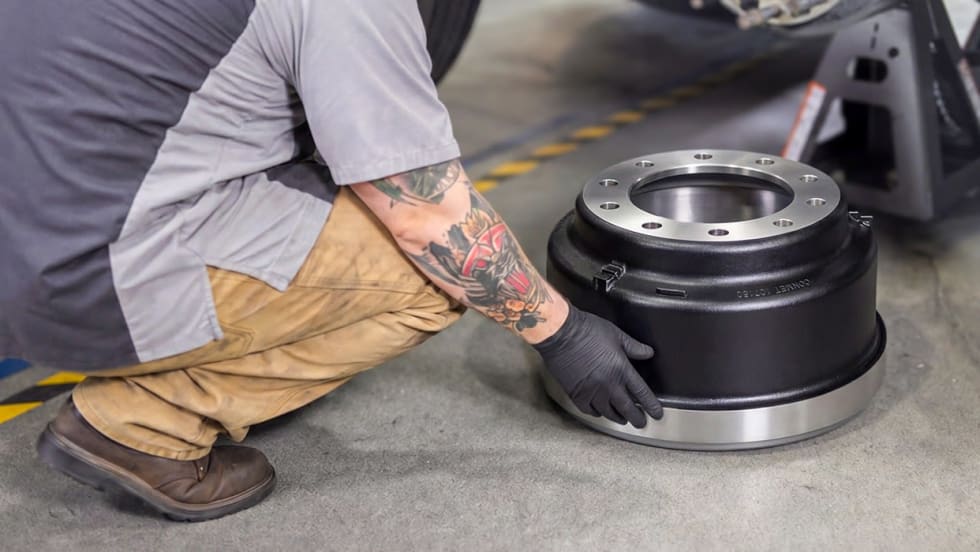
ConMet Expands Aftermarket Brake Drum Lineup With TruCast
A new heavy-duty truck brake drum option in the aftermarket gives customers more flexibility within the ConMet product family.
Read More →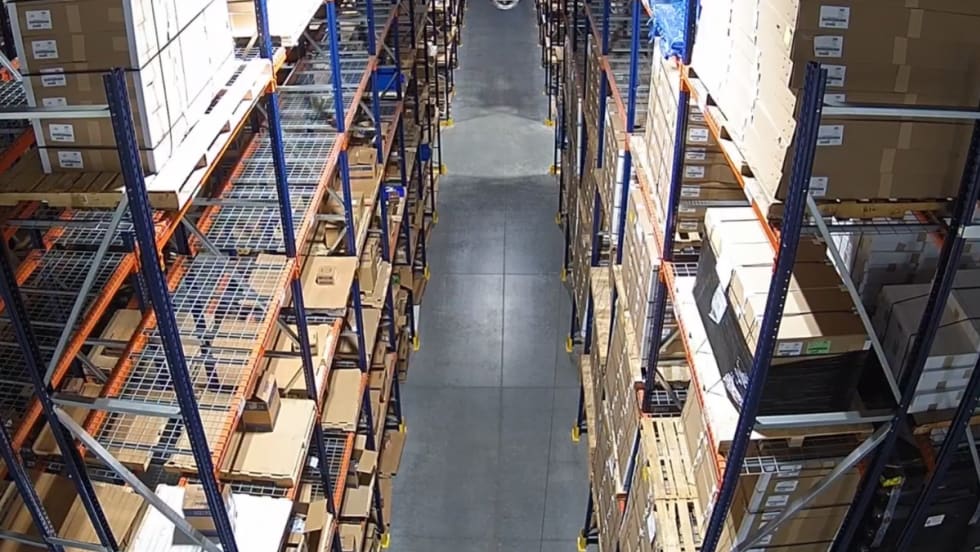
Phillips Opens High-Tech Distribution Center for Faster Parts Delivery
Phillips Industries’ new Cincinnati-area distribution center is now shipping aftermarket trucking parts nationwide, aiming to speed up delivery times for customers.
Read More →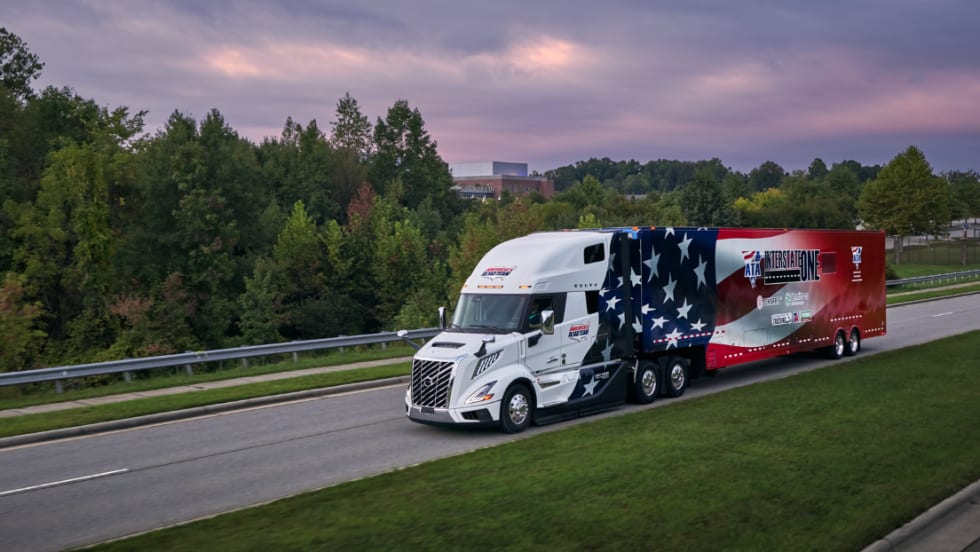
Volvo to Sponsor America’s Road Team for 2025
Volvo Trucks announced that it is extending its exclusive sponsorship of America’s Road Team for 2025.
Read More →
Webb to Start Taking Orders for UltraSet Pre-Adjusted Wheel Hubs
Webb, which recently acquired the Stemco Trifecta pre-adjusted hub program, will soon start taking orders for its replacement pre-assembled hub, the UltraSet.
Read More →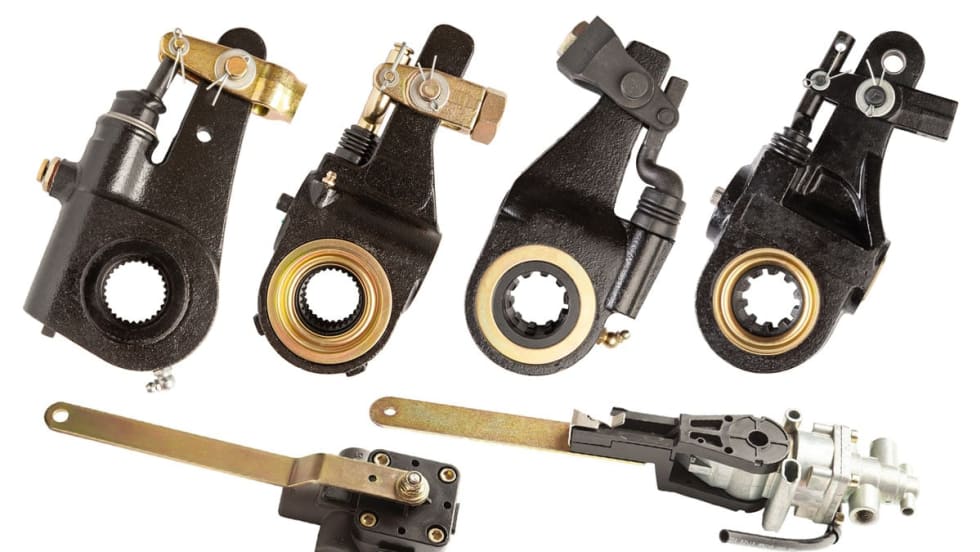
All-Makes Automatic Brake Adjusters, Ride Height Control Valves from Midland
SAF-Holland has added automatic brake adjusters and ride height control valves to its Midland All-Makes Program.
Read More →
ZF Aftermarket Expands [pro]Academy Training
ZF Aftermarket said it is expanding its ZF [pro]Academy training and will be adding 40 new modules this year.
Read More →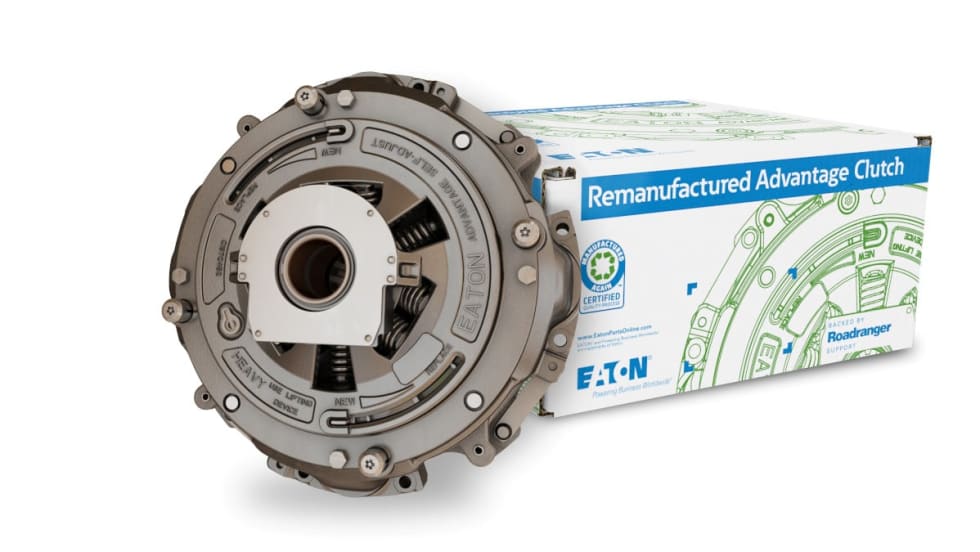
Eaton Adds Remanufactured Advantage Line of Clutches
Eaton has added its Advantage clutches to its remanufactured product line. The clutches feature a unique strap drive intermediate plate designed to allow customers to choose the latest OE specification
Read More →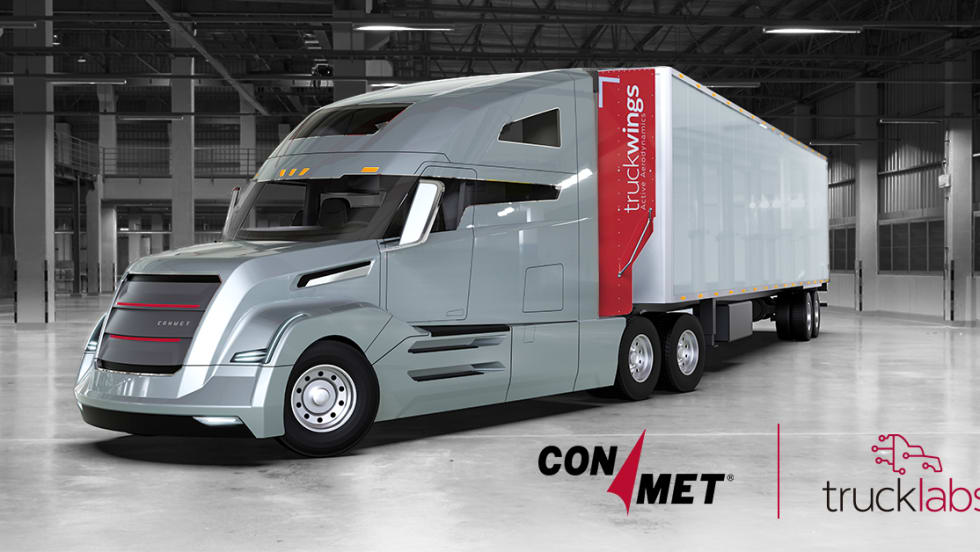
ConMet Acquires TruckLabs, the Creator of TruckWings
Commercial truck and trailer parts provider ConMet acquired TruckLabs, the company that created TruckWings, an aerodynamic device that attaches to truck cabs and deploys to close the gap between truck and trailer. TruckLabs now operates as a subsidiary of ConMet.
Read More →
Diesel Laptops Releases Fault-Code-to-Part-Number Tool
Diesel Laptops said its Truck Fault Codes allows users to input a fault code and immediately identify and order the parts needed to complete repair work.
Read More →