




"Even with the February dip, the PMI remains at a level broadly consistent with the economy growing at a 2.5% annualized rate in the first quarter.”
Economic Watch: Pace of Manufacturing Expansion Slows
A preliminary look at economic conditions in the U.S. manufacturing sector during February shows they improved at a slightly slower pace than the 22-month peak seen during January.

Evan Lockridge・Former Business Contributing Editor
2 min to read
A preliminary look at economic conditions in the U.S. manufacturing sector during February shows they improved at a slightly slower pace than the 22-month peak seen during January.
That’s according to the Flash U.S. Manufacturing Purchasing Managers’ Index released Tuesday by the financial information services provider IHS Markit.
It slipped from a final January reading of 55 to 54.3 this month, a two-month low, due to softer output and new order growth. A reading above 50 indicates manufacturing is expanding.
Despite the drop from last month, new order growth remained faster than at any other time since March 2015, according to the report. This was driven by strong sales to domestic clients, which helped offset weaker growth in export markets during February. A number of manufacturers commented on greater demand from energy sector clients.
Manufacturers also indicated that input cost inflation was at its highest level since September 2014. This was linked to increased prices for a range of raw materials, particularly metals and oil- related inputs. However, factory gate price inflation was only marginal and slipped to a three-month low in February, suggesting a continued squeeze on operating margins for manufacturers.
The drop in the flash PMI numbers for February suggest that the post-election upturn has lost some momentum, according to Chris Williamson, chief business economist at IHS Markit.
“February also saw a sharp pull-back in business optimism about the outlook over the next 12 months, which suggests companies have become more cautious about spending, investing and hiring,” he said. “However, even with the February dip, the PMI remains at a level broadly consistent with the economy growing at a 2.5% annualized rate in the first quarter.”
The report is part of a broader one that measures the output of both the manufacturing and services sector. The latter also showed a slight decline in the preliminary February reading compard to January.
The Markit Flash U.S. Composite PMI Output Index declined from 54.3 from 55.8, but was well above the neutral 50 threshold, as weaker business activity growth was mainly driven by slower momentum across the service economy.
Reports released earlier in February showed the U.S. manufacturing industry kicked off the year with its strongest performance in two years. The final U.S. Manufacturing Purchasing Managers’ Index for January showed both output and new order growth accelerating since the end of last year.
More Fleet Management
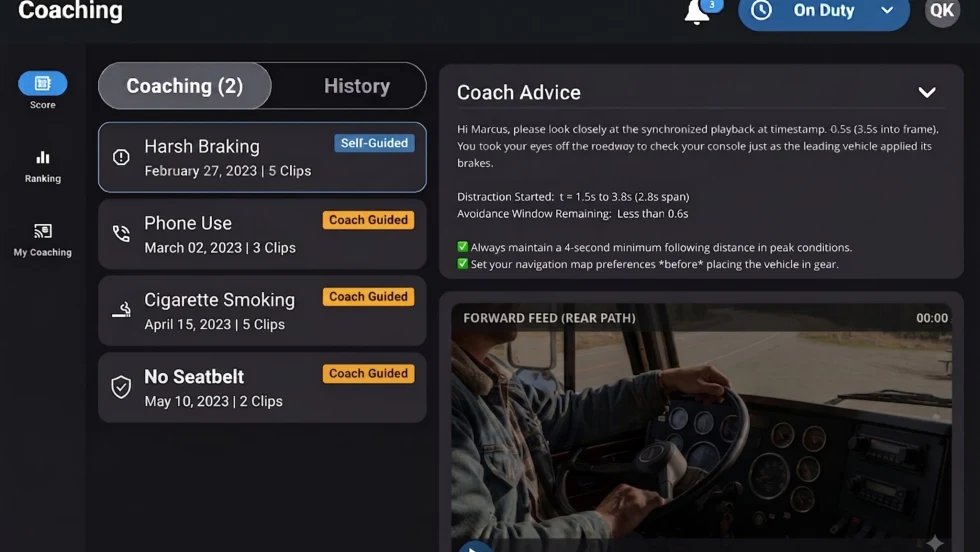
Platform Science Adds Dispatch and Safety Tools
Four additions to PS Fleet help fleets monitor loads, manage driver coaching, share truck locations and adjust video system settings.
Read More →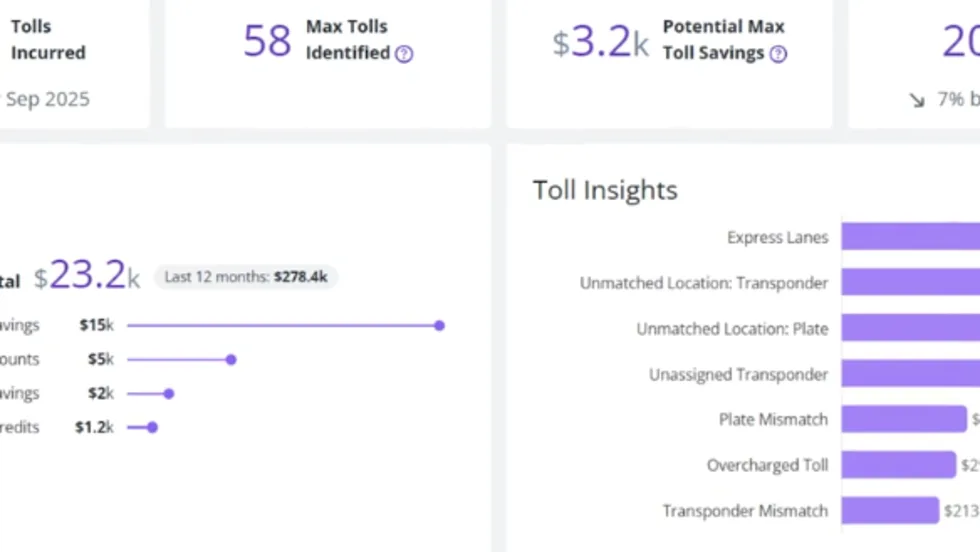
PrePass Intelligence Mines Fleet Bypass, Toll and Safety Data
PrePass Intelligence helps fleets measure bypass savings, flag potential toll overcharges, and spot suspicious transactions by combining data from separate systems.
Read More →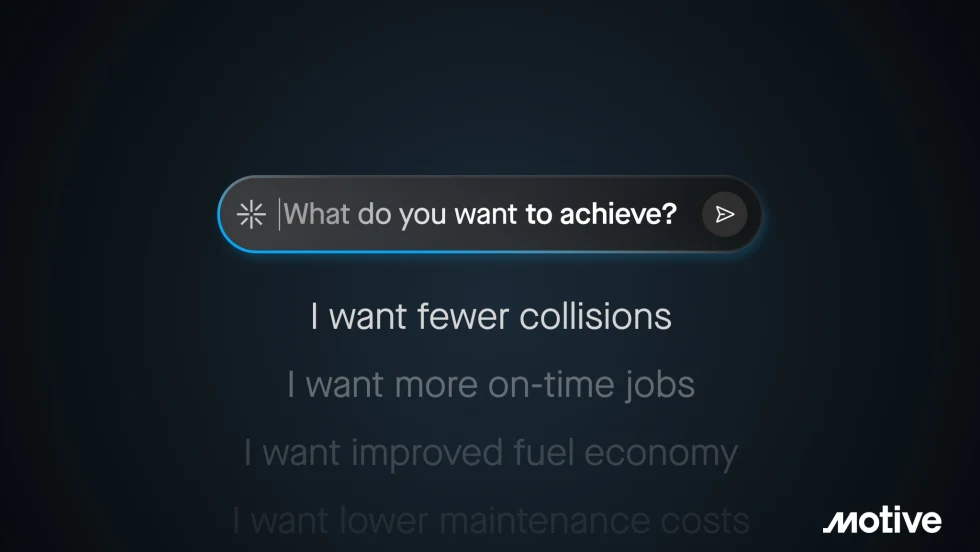
Motive Adds AI Agents for Fleet Operations
New tools automate follow-up on fleet data, from maintenance work orders to driver alerts, with two-way voice conversations planned for later this year.
Read More →
Can You Beat Our Trucking Trivia Challenge?
Test your truck knowledge with 19 trivia questions from Heavy Duty Trucking Exchange. Can you keep up with the fleet pros?
Read More →
BeyondTrucks Adds Rules Checks to Dispatch
New Compatibility Engine checks driver qualifications, equipment requirements and fleet policies before loads are dispatched.
Read More →
Diesel Prices Hijack Trucking’s Worry List
ATRI’s annual survey finds cautious optimism about freight, but diesel costs, litigation, and insurance continue to squeeze fleets. Drivers have different priorities on several issues.
Read More →
Nomination Deadline Extended for HDT Emerging Leaders
Just a few more days to nominate accomplished trucking fleet professionals under 40 who are making an impact and helping lead the industry forward for the HDT Emerging Leaders award. Deadline extended to October 20!
Read More →
What Will ATA’s New Leader Bring to Trucking's Table?
Incoming President and CEO Mark Colson’s record in Alabama offers clues about his priorities and approach following Chris Spear’s abrupt departure as the head of the American Trucking Associations.
Read More →
Volvo, Waabi Start Commercial Autonomous Operations in Texas
Volvo VNL Autonomous trucks, powered by the Waabi Driver, are hauling freight directly to third-party facilities for a customer in Texas.
Read More →
Samsara Launches Custom AI Agent Builder
Agent Studio lets fleets create AI tools for hours-of-service monitoring, reporting and driver support, including agents that communicate by phone.
Read More →