




Economic Watch: April Factory Orders, Construction Spending Rise
New orders for manufactured goods were up for the third consecutive month in April, rising 0.7% to $499.8 billion. April was at the highest level since the series was first published on a NAICS basis in 1992 and followed a 1.5 percent March increase.


New orders for manufactured goods were up for the third consecutive month in April, increasing $3.4 billion or 0.7% to $499.8 billion, the Commerce Department reported on June 3. April's increase followed a 1.5 gain in March.
Excluding transportation, orders rose 0.5% but, excluding defense, orders fell 0.1% at the start of the second quarter. Defense orders rose 39.3% in April, up over 70% in the last 12 months. Capital goods orders rose 3.0% in April. Non-defense orders, however, fell 1.0% in April and capital goods orders, ex-defense, ex-aircraft orders fell 1.2%.
"After yesterday’s ISM release – well after the second, adjusted release – it appears manufacturing is still treading water in the second quarter," said Lindsey Piegza, chief economist at the investment firm Sterne Agee. "While far from robust, activity remains positive. Clearly on the aggregate businesses are still hesitant to ramp up spending, but there are pockets of growth helping to maintain expansionary levels of production. For those anticipating 4% GDP in the near term, however, it does not appear that manufacturing is such an impetus to above trend growth."
Meanwhile, shipments of manufactured durable goods were down 0.1% in April following two consecutive monthly increases. Shipments of transportation equipment led the decline, dropping 0.8% after three consecutive monthly increases.
Construction Spending Rises
The Commerce Department reported on Tuesday that April Construction spending rose to its highest level since March 2009, led by public construction spending. April saw a 0.2% increase bringing spending to an annualized rate of $953.5 billion.
Spending on private construction was at a seasonally adjusted annual rate of $686.5 billion, nearly the same as the revised March estimate of $686.8 billion. Residential construction was at a seasonally adjusted annual rate of $378.5 billion, 0.1% above the revised March estimate of $378.3 billion. Nonresidential construction dipped 0.1% below the March estimate to a seasonally adjusted annual rate of $308.0 billion.
The estimated seasonally adjusted annual rate of public construction spending was $267.0 billion, up 0.8% from March. Highway construction was at a seasonally adjusted annual rate of $81.3 billion, 1.1 percent below the revised March estimate of $82.2 billion.
More Fleet Management

How Innovative Trucking Leaders Turn Change Into an Advantage
As the pace of change accelerates in trucking, the fleets that adapt best have more than the latest technology. They have cultures that embrace improvement.
Read More →
Freight Broker Bonds Just Got Harder to Get. Here's What That Means for Your Fleet.
When it gets harder for a freight broker to prove they are financially sound, the ones who cannot clear that bar get pushed out of the market. And those are exactly the brokers who used to leave motor carriers holding the bag.
Read More →
Long-Awaited Canadian Border Bridge to Open in Detroit
For trucking, the bridge opening should offer immediate improvements in efficiency and reliability, with new customs facilities, expanded inspection capacity, and direct freeway-to-freeway connections.
Read More →
Aurora Rolls Out Next Generation of Driverless Trucks for Commercial Freight
Aurora's latest autonomous trucks it's rolling out with International feature lower-cost hardware designed for a million miles as the company expands commercial driverless freight operations across the U.S. Sun Belt.
Read More →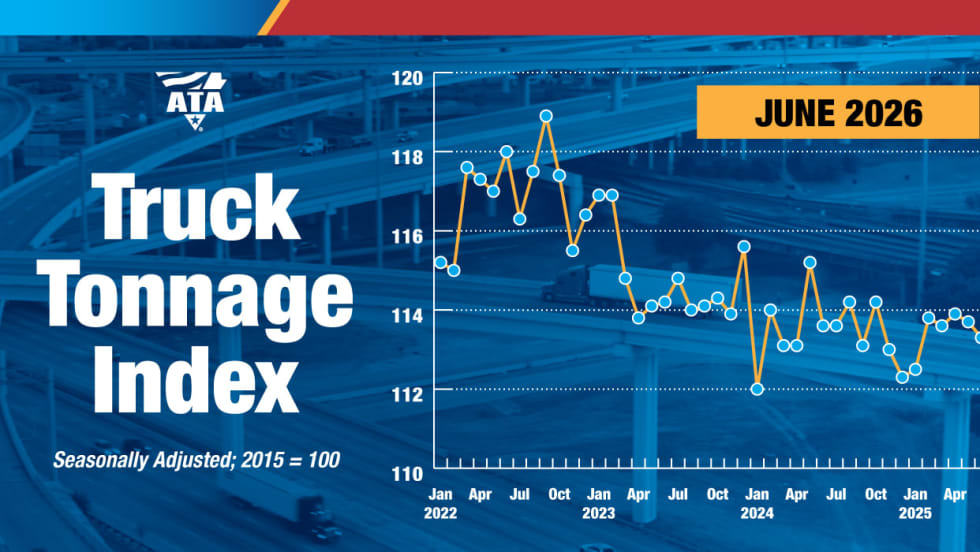
Freight Tonnage Down, Rates up, as Lower Capacity Powers Trucking Recovery
The recovery from the freight recession continues to be driven by reduction in capacity rather than by increased demand.
Read More →
Think Your Trucking Fleet Isn't Using Much AI? Think Again
Shadow AI — the use of unauthorized artificial intelligence tools at work — is becoming increasingly common, putting sensitive company data at risk. Learn how trucking fleets can protect sensitive data while embracing AI.
Read More →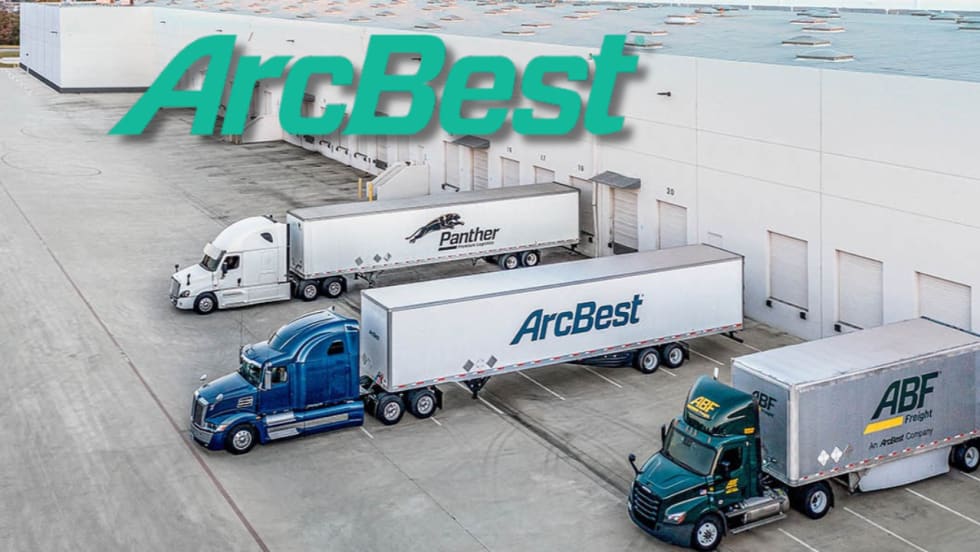
ArcBest Consolidates Brands, Cuts Workforce
The company will bring three business units under the ArcBest brand, eliminate about 2% of positions, and expects the changes to generate $40 million in annual savings.
Read More →
Trucking Fleets Faced Record Operating Costs During Third Year of Freight Recession
ATRI's annual operational cost report shows carriers trimmed fleets, delayed equipment purchases, and ran older trucks as expenses continued to outpace freight rates.
Read More →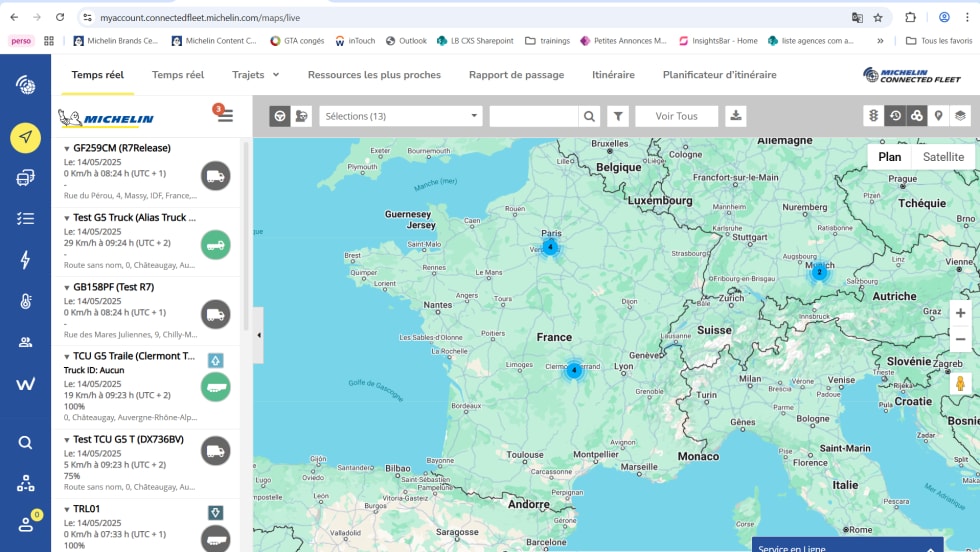
Michelin Adds AI Assistant to MyConnectedFleet Platform
Michelin’s new generative AI tool delivers instant fleet insights, helping managers analyze fuel use, tire maintenance, vehicle status, and operational performance without manually creating reports.
Read More →
LytxOne Platform Now Features AI, Compliance, and Asset Tracking Tools
New enhancements add AI-powered insights, asset tracking, compliance automation, and configurable privacy controls to Lytx's all-in-one fleet management platform.
Read More →