




Related: Ports Must Adapt to Volume, Says N.J. Trucking Association
East Coast Ports Could Gain 10% of Asian Goods by 2020
Following an expansion of the Panama Canal in 2016, up to 10% of container traffic to the U.S. from East Asia could shift from West Coast ports to East Coast ports by 2020, according to research by the Boston Consulting Group and C.H. Robinson.
by Staff
June 22, 2015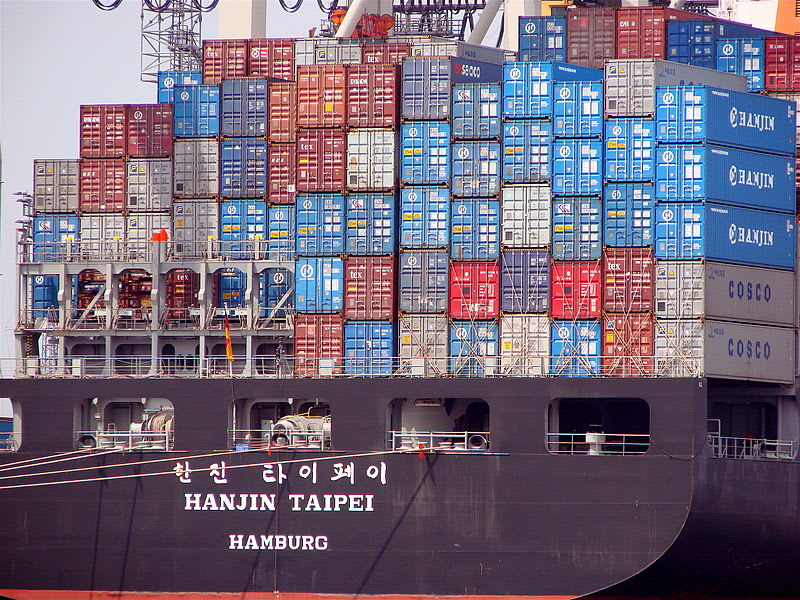
Photo: Photocapy via creative commons.
2 min to read
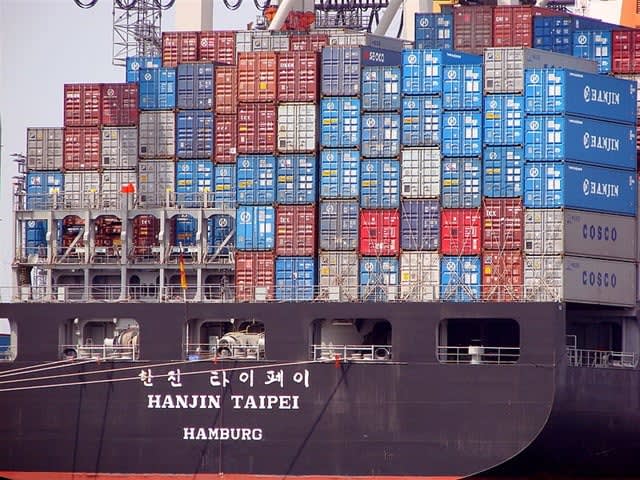
Photo: Photocapy via creative commons.
Following an expansion of the Panama Canal in 2016, up to 10% of container traffic to the U.S. from East Asia could shift from West Coast ports to East Coast ports by 2020, according to research by the Boston Consulting Group and C.H. Robinson.
Currently, East Coast ports receive about 35% of U.S.-bound container traffic from East Asia. The Panama canal expansion could increase this share to near 50% by 2020. This amount of rerouted volume is equivalent to building a port roughly double the size of the ports in Savannah, Ga., and Charleston, S.C.
These findings were made in a report titled "Wide Open: How the Panama Canal is Redrawing the Logistics Map." The report looked at different scenarios based on differing levels of demand capacity and cost-analyzing how the expansion of the Panama Canal would likely change how cargo moves into and within the U.S.
“With the Panama Canal’s expansion, shippers will have more options and carriers will compete to provide those options,” said Peter Ulrich, a BCG partner and the leader of the firm’s transportation and logistics topic area in North America. “Rail, truck, and ocean carriers will all have to reconsider their routing and investment decisions. And shippers will need to make fundamental choices, such as where to locate distribution centers and how to segregate their cargo heading for the heartland.”
According to the report, the $5 billion expansion to the canal will permanently alter the competitive balance between ports on the East and West Coasts. Global container flows are rising and while West Coast ports will still handle more traffic than they currently do, their growth rates will drop and market share will likely fall.
“Companies accustomed to shipping to the West Coast and relying on relatively fast rail service to cover most of the country will need to take a much more segmented and dynamic approach,” said Sri Laxmana, director of ocean services at C.H. Robinson. “When time is of the essence, that routing may continue to make sense. But for other products, the savings of shipping through the Panama Canal will likely outweigh the extra time in transit.”
To download a full copy of the report, click here.
More Fleet Management

Sponsored•September 16, 2026
Color Match Smarter: Tools That Restore & Perform
For fleet managers and collision repair professionals keeping heavy-duty trucks on the road, getting the color right the first time isn't just about appearance — it's about efficiency, turnaround time, and bottom-line results. Discover how today's digital color tools are transforming the repair process from guesswork to precision.
Read More →
FMCSA Pauses Biennial-Update Enforcement Amid Motus Transition
Carriers whose updates were due on or after June 1 have more time, while FMCSA works to stabilize its new registration system and warns of phishing sites impersonating its new carrier registration system, Motus.
Read More →
Sponsored•September 14, 2026
2026 Blueprint for Countering Smarter Supply Chain Theft
Cargo theft is no longer just the cost of doing business. It's a multi-billion-dollar criminal enterprise exploiting vulnerabilities across your fleet, drivers, and supply chain.
Read More →


Sponsored•September 1, 2026
How Telematics Improves Visibility, Control, and Performance in Refrigerated Fleets
Explore how telematics help refrigerated fleets improve visibility, uptime, efficiency, compliance, and cargo protection across connected cold chain operations.
Read More →
What the U.S.-Canada Trade War Means for Trucking
Escalating U.S.-Canada tariffs could disrupt cross-border freight, reduce truck volumes, raise costs, and create new uncertainty for carriers on both sides of the border.
Read More →
What Are Trucking’s Top Concerns for 2026?
The American Transportation Research Institute wants to know what's worrying trucking fleet managers, drivers, and other stakeholders in its annual Industry Issues survey.
Read More →
American Trucking Associations Looks for a New Leader
ATA President and CEO Chris Spear abruptly left his job at the association on August 21, at a pivotal time for the trucking industry.
Read More →
Public Wi-Fi Cybersecurity Risks: How Truck Drivers and Fleets Can Protect Their Data
Public Wi-Fi can expose truck drivers and fleets to credential theft, malware, and other cyber threats. Here’s how to reduce the risk on the road.
Read More →
For Nicky Cupp, Fleet Innovation Starts With Frustration
HDT Truck Fleet Innovator Nicky Cupp turns everyday pain points at Fraley & Schilling into opportunities for better technology and smarter processes.
Read More →
Adam Buttgenbach’s Approach to Electric Trucks: Start With Where They Fit
HDT Truck Fleet Innovator Adam Buttgenbach helped PepsiCo build one of North America’s largest EV fleets by focusing on where electric trucks make operational sense.
Read More →