




Earnings Watch: Swift, Covenant Profits Plummet More Than 80%
Profits for two trucking operations in the first quarter of the year fell dramatically, both saying they battled a tough pricing environment and excess capacity.


Profits for two trucking operations in the first quarter of the year fell dramatically, both saying they battled a tough pricing environment and excess capacity.
Swift Transportation Co. on Monday reported net income fell 83.7% from the same time a year ago to $5.2 million, or from 23 cents per share to 4 cents per share, less than the 12 cents per share expected by a consensus estimate of analysts.
Total revenue fell to $871.1 million from $906.9 million, despite fuel surcharge revenue increasing more than $30 million to $92.7 million, with much of that outweighed by higher fuel prices.
Operating income also fell dramatically, from $52.5 million in the first quarter of 2016, to $15.6 million in the most recent quarter.
According to the Arizona company, its consolidated average operational truck count fell by 225 trucks from the fourth quarter of 2016, and 812 trucks year over year in the first quarter, “in a continued effort to drive improvements in asset utilization.”
In a statement, Swift said the truckload industry continues to be plagued with excess carrier capacity for the current demand environment, prolonging the competitive pricing situation that existed throughout 2016.
“This challenging pricing environment, the impact of the more severe winter weather on maintenance and claims expense early in the quarter, the $11.7 million increase in legal reserves, and the known headwinds of increased depreciation expense and lower gain on sale of equipment due to the soft used truck market all served as headwinds to our quarterly results,” Swift said.
This follows an announcement earlier this month in in which Swift and Knight Transportation announced a merger to create Knight-Swift Transportation Holdings Inc. This transaction is expected to close in the third quarter of 2017, and will result in the industry's largest full truckload company.
Covenant Transportation Group Earnings Sink
Swift isn't alone in reporting a tough first quarte. The parent of Covenant Transport and other trucking companies reported late last week that its profit fell 88.6% in the first quarter of 2017.
Covenant Transportation Group Inc. had net income of $0.5 million, or 3 cents per share, compared with net income of $4.4 million, or 24 cents per share, a year earlier, despite total revenue increasing 1.5% to $158.7 million. The per share performance was 1 cent better than a Wall Street consensus estimate.
Freight revenue, which excludes fuel surcharges, of $140.1 million fell 3.1% compared with the first quarter of 2016.
Operating income of $1.2 million and an operating ratio of 99.1% compared with operating income of $7.4 million and an operating ratio of 94.9% in the first quarter of 2016.
“Freight demand was moderate during the quarter, and the industry continued to have excess capacity available in advance of the scheduled implementation and enforcement of the electronic logging mandate in December 2017," said Chairman and CEO David R. Parker. “Many shippers engaged in bid processes as a means to lower upward pressure on their freight rates before any meaningful tightening of capacity."
According to Parker, even in this environment, CTG was able to raise its yield slightly through eliminating non-revenue miles and allocating equipment more effectively. “We intend to continue to pursue these tactics in advance of a supply-demand relationship that we expect to be more favorable in the second half of 2017 and beyond,” Parker said.
For the remainder of 2017, CTG’s outlook is mixed, according to Richard B. Cribbs, executive vice president and chief financial officer.
“We expect the second quarter of 2017 to remain challenged by negative comparisons in freight revenue per tractor, accelerated depreciation, and higher maintenance expense and professional driver wages,” he said.
More Fleet Management

Trimble’s New AI Agent Takes Aim at Fleet Back-Office Busywork
Arc Agent works across Trimble TMS products to automate repetitive tasks such as freight orders, maintenance, invoices, fuel costs and more.
Read More →
How HDT’s 2026 Truck Fleet Innovators Are Rethinking Fleet Operations
Meet five trucking leaders who are challenging assumptions, solving operational problems, and putting innovative ideas to work.
Read More →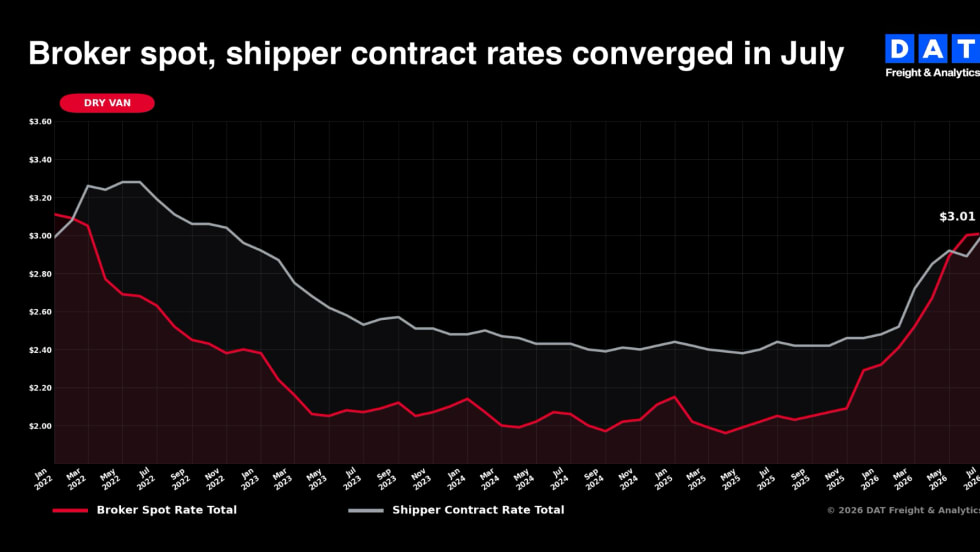
Tight Trucking Capacity Pushes Rates Higher Even as Freight Volumes Fall
“Spot rates moving ahead of contract rates have historically signaled a tightening market, but we haven’t seen a capacity-driven market quite like this one,” said DAT's Dean Croke.
Read More →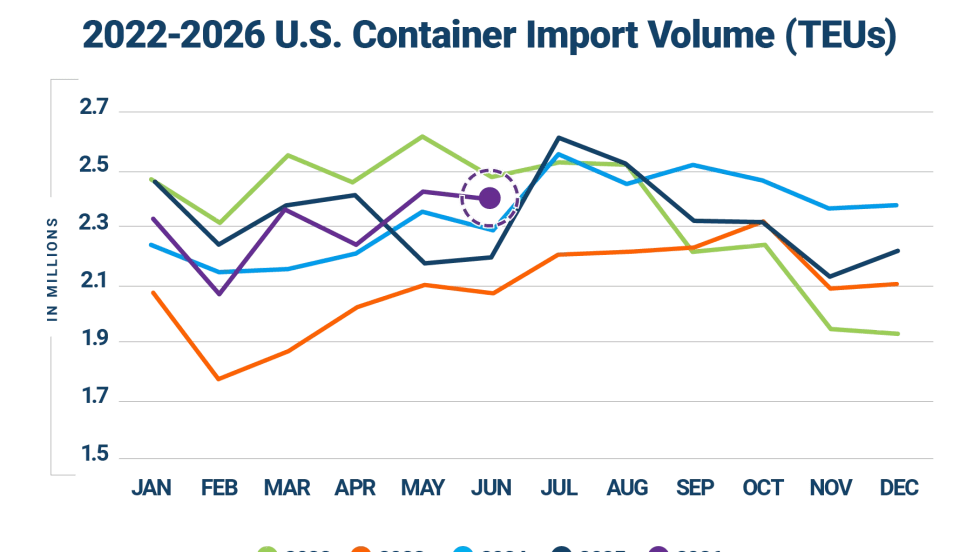
Import Cargo’s Early Peak Season is Winding Down
There was an early start to peak season this year at the nation's gateway ports, as retailers brought in merchandise ahead of tariff changes in late July and responded to other supply chain uncertainties,
Read More →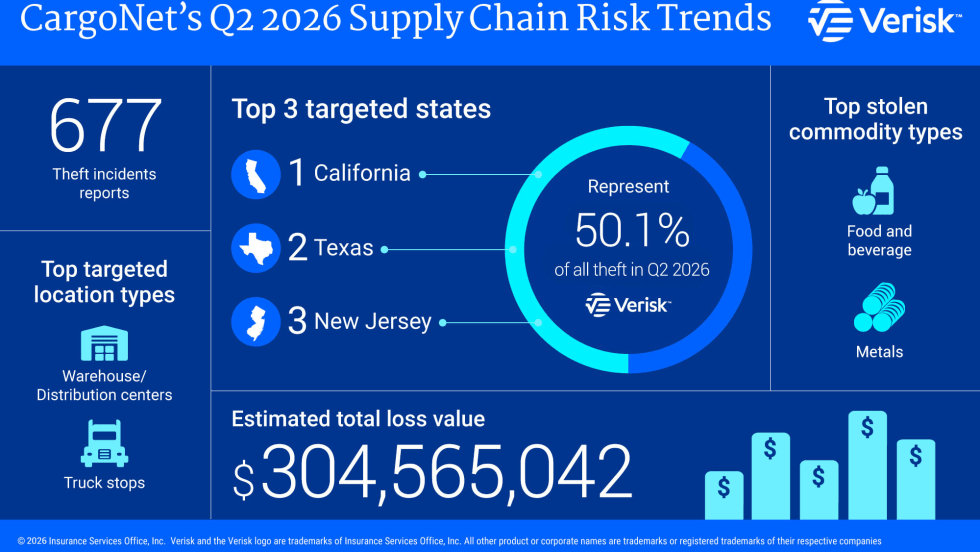
Fewer Cargo Thefts, Bigger Losses: Criminals Target Higher-Value Loads
CargoNet says organized theft rings are stealing fewer shipments but choosing more valuable freight, including metals and technology, resulting in record losses.
Read More →
How Innovative Trucking Leaders Turn Change Into an Advantage
As the pace of change accelerates in trucking, the fleets that adapt best have more than the latest technology. They have cultures that embrace improvement.
Read More →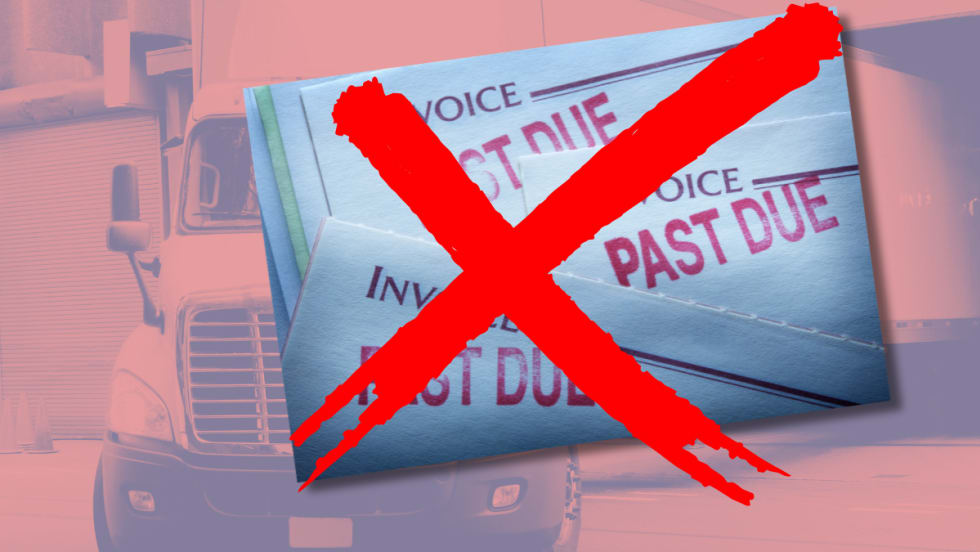
Freight Broker Bonds Just Got Harder to Get. Here's What That Means for Your Fleet.
When it gets harder for a freight broker to prove they are financially sound, the ones who cannot clear that bar get pushed out of the market. And those are exactly the brokers who used to leave motor carriers holding the bag.
Read More →
Long-Awaited Canadian Border Bridge to Open in Detroit
For trucking, the bridge opening should offer immediate improvements in efficiency and reliability, with new customs facilities, expanded inspection capacity, and direct freeway-to-freeway connections.
Read More →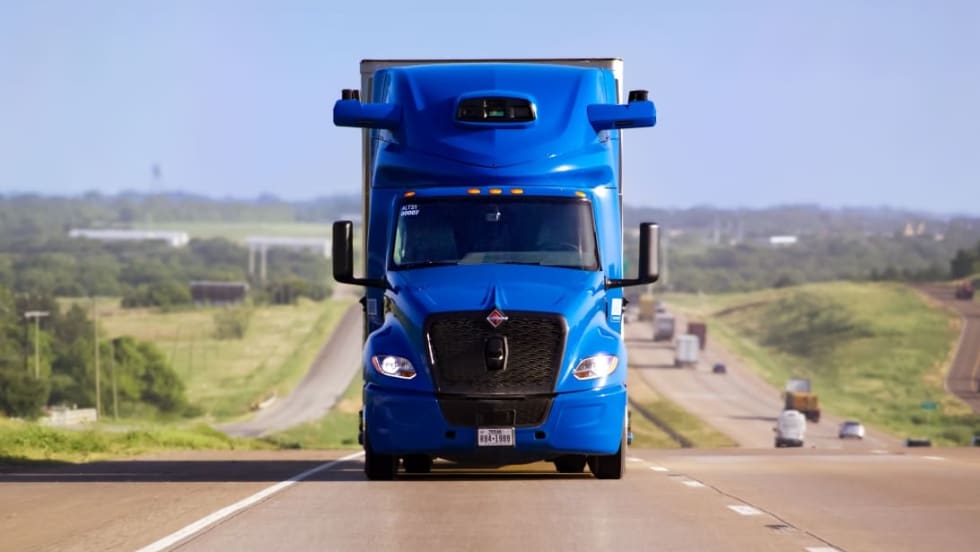
Aurora Rolls Out Next Generation of Driverless Trucks for Commercial Freight
Aurora's latest autonomous trucks it's rolling out with International feature lower-cost hardware designed for a million miles as the company expands commercial driverless freight operations across the U.S. Sun Belt.
Read More →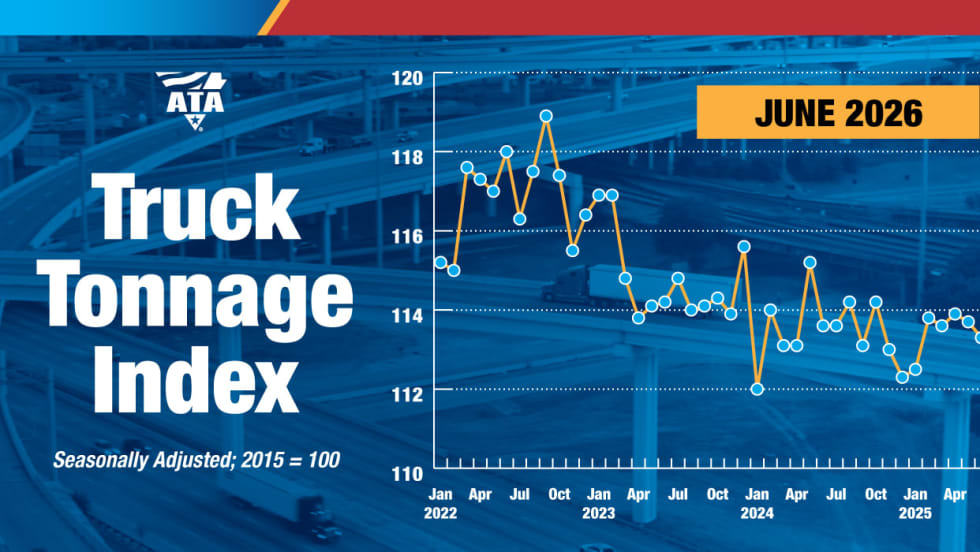
Freight Tonnage Down, Rates up, as Lower Capacity Powers Trucking Recovery
The recovery from the freight recession continues to be driven by reduction in capacity rather than by increased demand.
Read More →