




Earnings Watch: Schneider National Profits Hit by Costs, Hurricanes
Trucking giant Schneider National Inc. on Tuesday reported increased costs and severe weather in parts of the country kept its third quarter profit from rising significantly when compared to a year earlier.


Trucking giant Schneider National Inc. on Tuesday reported increased costs and severe weather in parts of the country kept its third quarter profit from rising significantly when compared to a year earlier.
Net income totaled $36.9 million, or 21 cents per share, versus $36.8 million, or 24 cents per share, for the third quarter of 2016.
Revenue moved higher to $1.11 billion from $1.05 billion primarily due to improved demand versus capacity balances, according to the company. Also, increased revenue was generated from demand in intermodal and logistics, productivity in truckload, the company's leasing business, and fuel surcharge revenue.
Schneider’s income from operations declined to $64.1 million compared to $70.8 million a year earlier.
“In the third quarter, we saw improved demand-supply balance and increased economic activity, resulting in accelerating pricing," said Chris Lofgren, CEO "This was offset by cost pressures from driver recruiting and pay, continued refining of our cost structure in the first to final mile service offering, as well as lost revenue and productivity from the hurricanes.”
The company’s truckload segment reported revenue excluding fuel surcharges totaled $551.7 million, an increase of 2% compared to third quarter 2016 while income from operations was $41.1 million, a decrease of 23% from a year earlier.
The drop in income from operations was attributed to the impact of the hurricanes due to lost revenue and increased costs, decreased gains on sales of equipment, account start-up costs, and continued refining of the cost structure in the company's first to final mile service offering, partially offset by improvements in freight selection and truck productivity.
Intermodal revenue excluding fuel surcharges was $196 million an increase of 4% compared to third quarter 2016 while income from operations increased 12% to $12.2 million.
The increase in revenue was due to an 8.3% increase in orders, partially offset by a 3.6% decrease in revenue per order, that resulted from the competitive pricing market and growth in the East, which has a shorter length of haul, according to the company.
Logistics revenue excluding fuel surcharges increased 8% in the third quarter of 2017 compared to the same quarter in 2016 to $209.1 million primarily due to a growth of the company’s brokerage business.
Brokerage volume increased 8.8% over the same period in 2016. Brokerage revenue, excluding fuel surcharges was 74% of logistics revenue excluding fuel surcharge for the third quarter of 2017 compared to 71% a year earlier.
Looking ahead, Lofgren said Schneider expects the trucking market to continue strengthening for the foreseeable future, especially given the significant amount of building materials that will need to be moved into Texas, Florida, and the Southeastern U.S. following the hurricanes, as well as the enforcement of the electronic logging device mandate that takes effect in December.
“The availability of new jobs in the construction industry in the South will put additional pressure on driver hiring and retention,” he said. “That said, we are encouraged by our success in hiring drivers in the third quarter. The interplay of continually improving price, partially offset by costs due to driver availability, will determine market dynamics in 2018.”
More Fleet Management
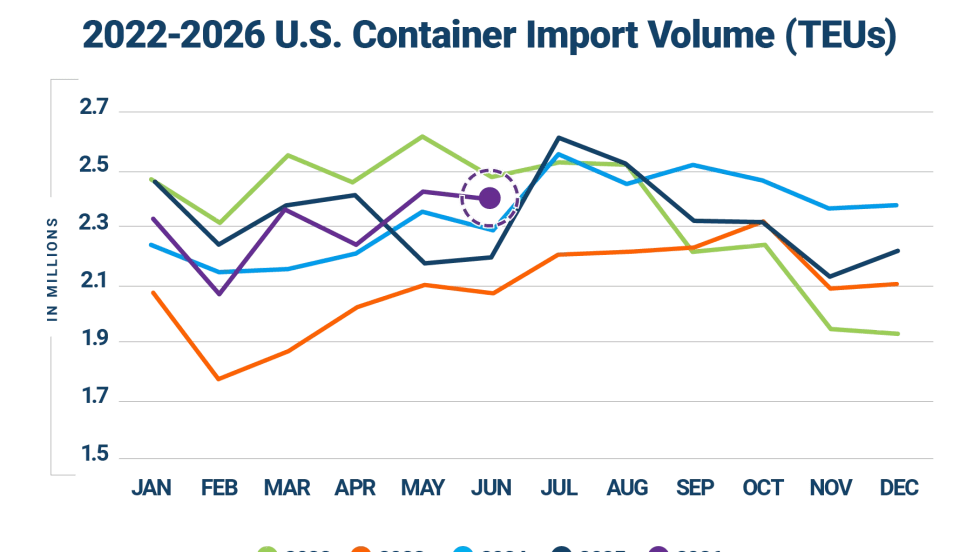
Import Cargo’s Early Peak Season is Winding Down
There was an early start to peak season this year at the nation's gateway ports, as retailers brought in merchandise ahead of tariff changes in late July and responded to other supply chain uncertainties,
Read More →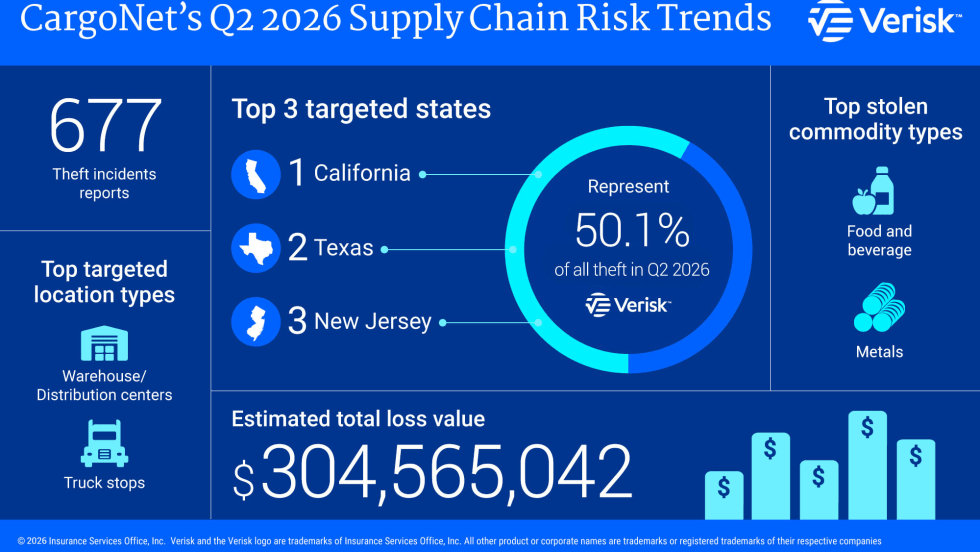
Fewer Cargo Thefts, Bigger Losses: Criminals Target Higher-Value Loads
CargoNet says organized theft rings are stealing fewer shipments but choosing more valuable freight, including metals and technology, resulting in record losses.
Read More →
How Innovative Trucking Leaders Turn Change Into an Advantage
As the pace of change accelerates in trucking, the fleets that adapt best have more than the latest technology. They have cultures that embrace improvement.
Read More →
Freight Broker Bonds Just Got Harder to Get. Here's What That Means for Your Fleet.
When it gets harder for a freight broker to prove they are financially sound, the ones who cannot clear that bar get pushed out of the market. And those are exactly the brokers who used to leave motor carriers holding the bag.
Read More →
Long-Awaited Canadian Border Bridge to Open in Detroit
For trucking, the bridge opening should offer immediate improvements in efficiency and reliability, with new customs facilities, expanded inspection capacity, and direct freeway-to-freeway connections.
Read More →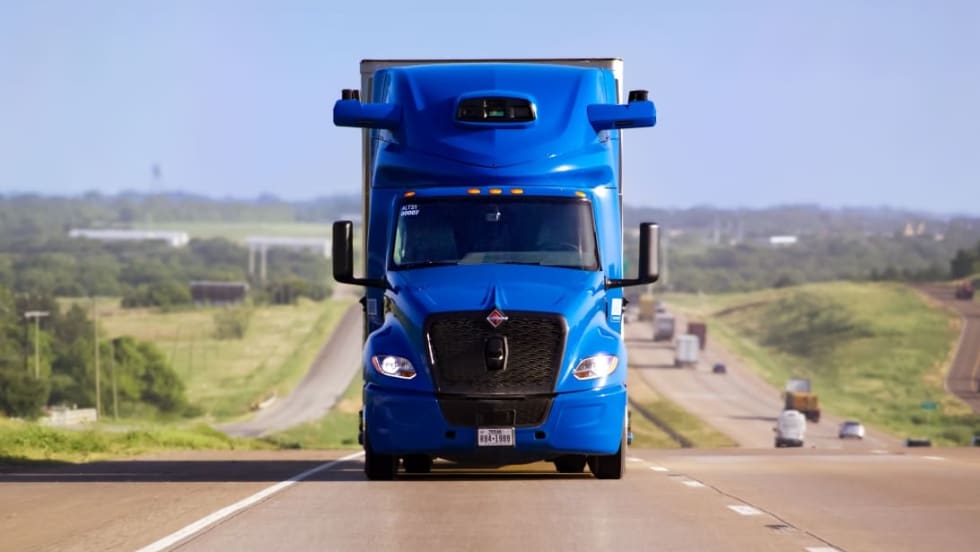
Aurora Rolls Out Next Generation of Driverless Trucks for Commercial Freight
Aurora's latest autonomous trucks it's rolling out with International feature lower-cost hardware designed for a million miles as the company expands commercial driverless freight operations across the U.S. Sun Belt.
Read More →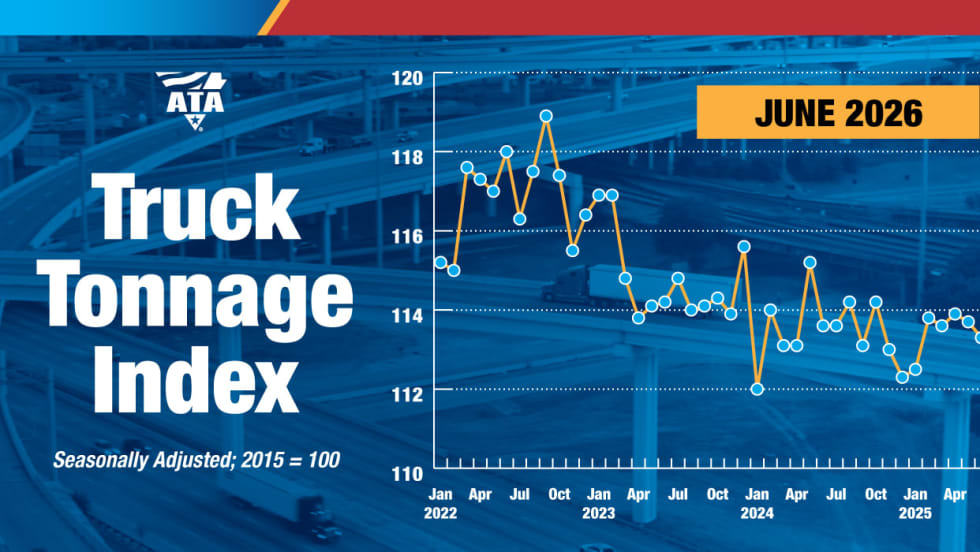
Freight Tonnage Down, Rates up, as Lower Capacity Powers Trucking Recovery
The recovery from the freight recession continues to be driven by reduction in capacity rather than by increased demand.
Read More →
Think Your Trucking Fleet Isn't Using Much AI? Think Again
Shadow AI — the use of unauthorized artificial intelligence tools at work — is becoming increasingly common, putting sensitive company data at risk. Learn how trucking fleets can protect sensitive data while embracing AI.
Read More →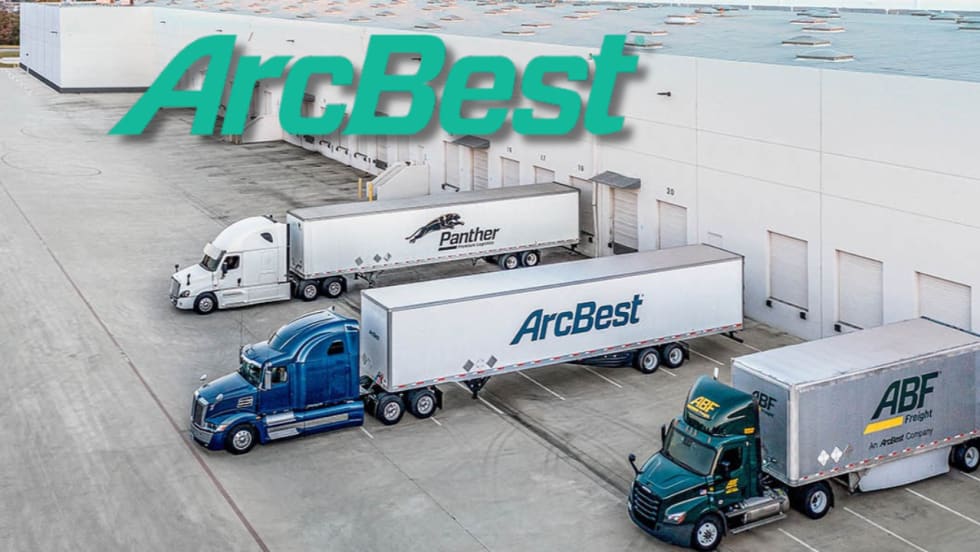
ArcBest Consolidates Brands, Cuts Workforce
The company will bring three business units under the ArcBest brand, eliminate about 2% of positions, and expects the changes to generate $40 million in annual savings.
Read More →
Trucking Fleets Faced Record Operating Costs During Third Year of Freight Recession
ATRI's annual operational cost report shows carriers trimmed fleets, delayed equipment purchases, and ran older trucks as expenses continued to outpace freight rates.
Read More →