




Earnings Watch: Radiant Reports Net Loss, Adjusted Earnings Increase
The third party logistics and multi-modal transportation services company Radiant Logistics Inc. moved from a fourth quarter profit a year ago to loss in the most recent quarter, but adjusted earnings improved.



The third-party logistics and multi-modal transportation services company Radiant Logistics Inc.(NYSE MKT: RLGT) moved from a fourth quarter profit a year ago to loss in the most recent quarter, but adjusted earnings improved.
Radiant reported a net loss of $2 million in the final quarter of 2015, or a loss of 5 cents per share, compared to a net profit of $327,000 a year earlier, or a profit of 1 cent per share for the Washington state-based company.
However, adjusted net income during the same time frame improved to $3 million, or 6 cents per share, twice the consensus estimate from Zacks Investment Research. That compares to $1.7 million, or 5 cents per share, from the same time last year.
Revenue increased to $207 million, up 95.3% for the period, compared to the final quarter of 2014.
During the final quarter of 2015, Radiant completed its acquisition of Copper Logistics Inc., a Minneapolis-based company that provides domestic and international transportation and logistics services across North America.
Bohn Crain, founder and CEO, said the company had some challenges with its On Time Express business, a Phoenix-based line haul operation, which reported an EBITDA (earnings before interest, taxes, depreciation and amortization) loss for the quarter compared to an EBITDA profit a year earlier. It’s expected OTE will return to profitability in the first half of 2016, according to Radiant.
"There is obviously a fair bit of economic uncertainty as we head into the second half of our fiscal year," Craig said. “The good news for Radiant is we sit in the strongest financial position in the company's history: low leverage, a $65 million ABL (asset-based lending) facility that remains untapped, solid free cash flow and poised to take advantage of market opportunities as they present themselves. We also remain committed to our long standing strategy to deliver profitable growth through a combination of organic and acquisition growth initiatives.”
For the company’s 2016 fiscal year, which ends June 31 of this year, Radiant believes if the current economy continues to hold, adjusted EBITDA will be in line with current consensus estimates of approximately $30 million.
“Given the possibility of further softening in the economy, we are updating our guidance to reflect adjusted EBITDA in the range of $28 million to $30 million," Craig said. "Based on the recent deterioration in fuel price, which is generally a pass through in our business, we are also reducing our guidance for top line revenues to $836. to $852 million with net revenues of $188.8 to $192.4 million."
For the six months ended Dec 31, 2015, Radiant reported a net loss attributable to common stockholders of $2.7 million on $425.6 million of revenues, or 6 cents per basic and fully diluted share, including a $2.2 million net non-recurring non-cash impairment of acquired intangibles in connection with its acquisition of OTE. This compares to a year earlier when Radiant reported net income attributable to common stockholders of $1.3 million on $204.2 million of revenues, 4 cents per basic and fully diluted share.
Radiant reported adjusted net income attributable to common stockholders of $7.2 million, or 15 cents per basic and fully diluted share, in the final six months of 2015 compared to net income attributable to common stockholders of $3.3 million or 10 cent per basic and 9 cents per fully diluted share a year earlier.
More information is on the Radiant Logistics website.
More Fleet Management

Public Wi-Fi Cybersecurity Risks: How Truck Drivers and Fleets Can Protect Their Data
Public Wi-Fi can expose truck drivers and fleets to credential theft, malware, and other cyber threats. Here’s how to reduce the risk on the road.
Read More →
For Nicky Cupp, Fleet Innovation Starts With Frustration
HDT Truck Fleet Innovator Nicky Cupp turns everyday pain points at Fraley & Schilling into opportunities for better technology and smarter processes.
Read More →
Adam Buttgenbach’s Approach to Electric Trucks: Start With Where They Fit
HDT Truck Fleet Innovator Adam Buttgenbach helped PepsiCo build one of North America’s largest EV fleets by focusing on where electric trucks make operational sense.
Read More →
Deen Albert: Let Automation Do the Math, People Make the Decisions
HDT Truck Fleet Innovator Deen Albert makes sure people are still at the heart of operations at Grand Island Express, even while adopting artificial intelligence tools. AI-assisted dispatch helped boost revenue 25% with the same number of trucks.
Read More →
Trimble’s New AI Agent Takes Aim at Fleet Back-Office Busywork
Arc Agent works across Trimble TMS products to automate repetitive tasks such as freight orders, maintenance, invoices, fuel costs and more.
Read More →
How HDT’s 2026 Truck Fleet Innovators Are Rethinking Fleet Operations
Meet five trucking leaders who are challenging assumptions, solving operational problems, and putting innovative ideas to work.
Read More →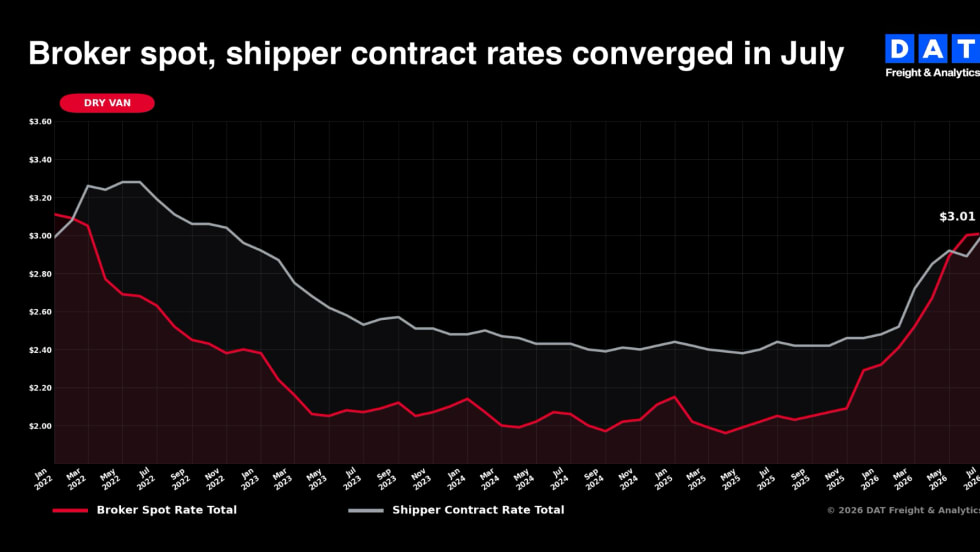
Tight Trucking Capacity Pushes Rates Higher Even as Freight Volumes Fall
“Spot rates moving ahead of contract rates have historically signaled a tightening market, but we haven’t seen a capacity-driven market quite like this one,” said DAT's Dean Croke.
Read More →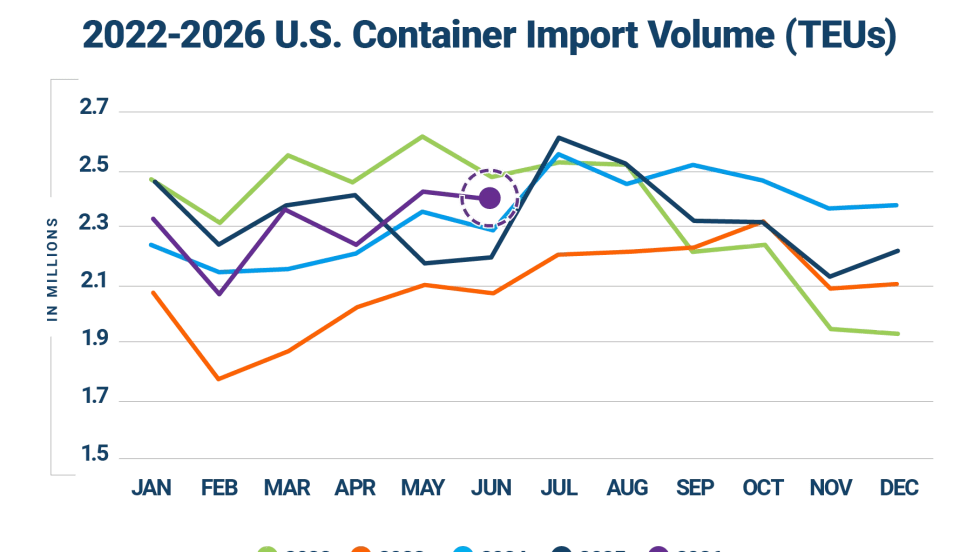
Import Cargo’s Early Peak Season is Winding Down
There was an early start to peak season this year at the nation's gateway ports, as retailers brought in merchandise ahead of tariff changes in late July and responded to other supply chain uncertainties,
Read More →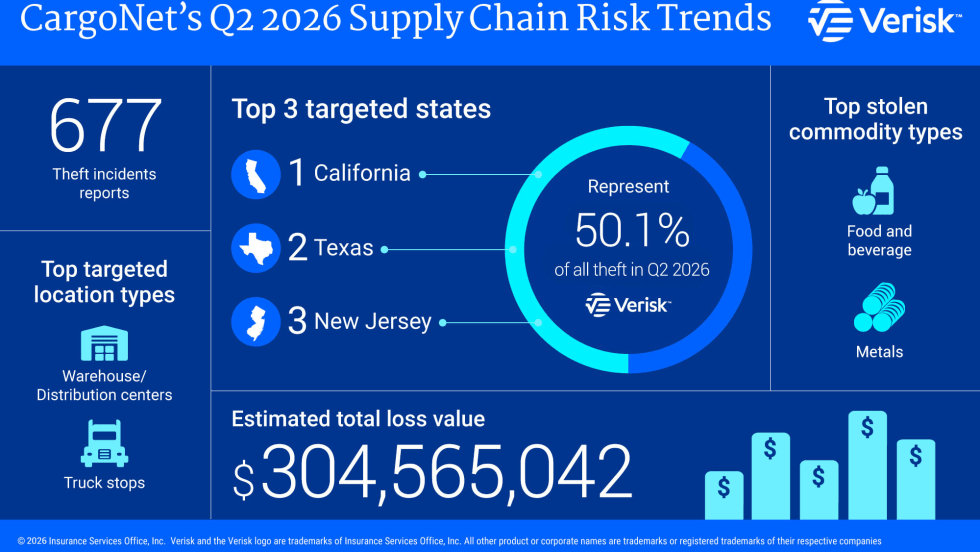
Fewer Cargo Thefts, Bigger Losses: Criminals Target Higher-Value Loads
CargoNet says organized theft rings are stealing fewer shipments but choosing more valuable freight, including metals and technology, resulting in record losses.
Read More →
How Innovative Trucking Leaders Turn Change Into an Advantage
As the pace of change accelerates in trucking, the fleets that adapt best have more than the latest technology. They have cultures that embrace improvement.
Read More →