




Earnings Watch: J.B. Hunt Second Quarter Profit Falls
The second quarter earnings season for trucking kicked off on Monday morning with J.B. Hunt Transport Services Inc. reporting a small decline in profitability.


The second quarter earnings season for trucking kicked off on Monday morning with J.B. Hunt Transport Services Inc. reporting a small decline in profitability.
Net earnings fell 6.8% from the second quarter of 2016, totaling $97.9 million, or 88 cents per share, 4 cents less than a consensus forecast from analysts and compared to 92 cents per share a year earlier.
This happened despite a 7% increase in total operating revenue of $1.73 billion while total operating revenue minus fuel surcharges increased 5% from a year earlier.
The Arkansas fleet attributed the increase in revenue to load growth of 5% in its intermodal operation, a 5% increase in revenue producing trucks in dedicated operations and a 20% hike in volume with its brokerage business.
Operating income for the current quarter totaled $164 million versus $176 million for the second quarter 2016, a 7% decline.
“The benefits of volume growth and increases in revenue producing truck counts were substantially offset by lower customer rates, increases in rail and over the road purchased transportation costs, start-up costs associated with new DCS (dedicated) contracts, higher driver wages and recruiting costs, increased insurance and claims costs, increased equipment and facility maintenance costs and increased technology costs,” the company said in a statement.
J.B. Hunt’s intermodal operation reported revenue increased 7% to $1 billion from a year earlier while operating income improved 4% to $110 million. The period ended with approximately 85,600 units of trailing capacity and 5,300 power units assigned to the dray fleet, an increase of more than 4,000 units of trailing capacity with only a slight gain in power units.
The dedicated operation saw second quarter revenue increase 8% to $412 million while operating income fell 4% to $49 million as a net additional 486 revenue producing trucks, 226 net additions compared to first quarter 2017, were in the fleet by the end of the quarter compared to prior year.
Approximately 71% of these additions represent private fleet conversions versus traditional dedicated capacity fleets, according to the company while customer retention rates remain above 98%.
Operating income fell primarily from increases in driver wages, increased accident frequency driving higher insurance and claims costs and higher start-up expenses for new customer contracts compared to the second quarter 2016.
J.B. Hunt's brokerage business saw revenue increase 9% to $222 million while it posted an operating loss of $200,000. It reported a 20% increase as freight volume but lower gross profit margins. Despite this the carrier base increased 9% and the employee count jumped 21% from a year earlier.
Meantime, the company’s truck operation saw revenue decline 4% to $95 million while operating income fell 37% to $5.6 million. It was affected by a 6% drop in revenue excluding fuel surcharges while contract rates gave up 0.4% as the number of trucks in the operation declined to 2,072 from 2,186 in the second quarter of 2016.
More Fleet Management

How HDT’s 2026 Truck Fleet Innovators Are Rethinking Fleet Operations
Meet five trucking leaders who are challenging assumptions, solving operational problems, and putting innovative ideas to work.
Read More →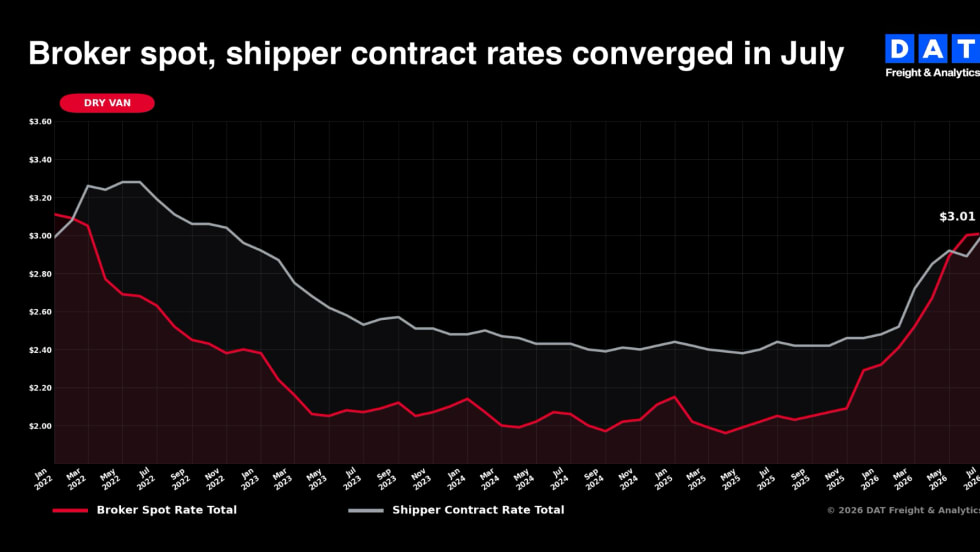
Tight Trucking Capacity Pushes Rates Higher Even as Freight Volumes Fall
“Spot rates moving ahead of contract rates have historically signaled a tightening market, but we haven’t seen a capacity-driven market quite like this one,” said DAT's Dean Croke.
Read More →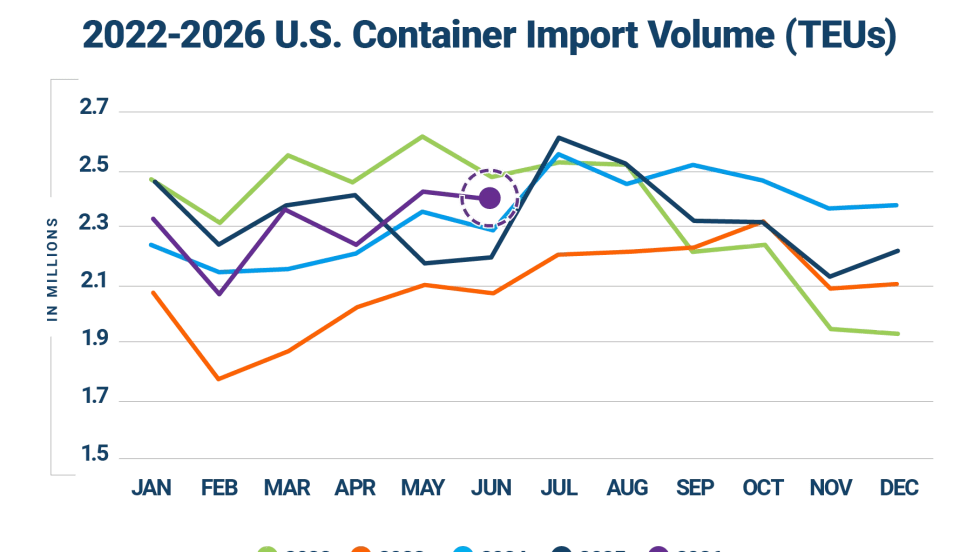
Import Cargo’s Early Peak Season is Winding Down
There was an early start to peak season this year at the nation's gateway ports, as retailers brought in merchandise ahead of tariff changes in late July and responded to other supply chain uncertainties,
Read More →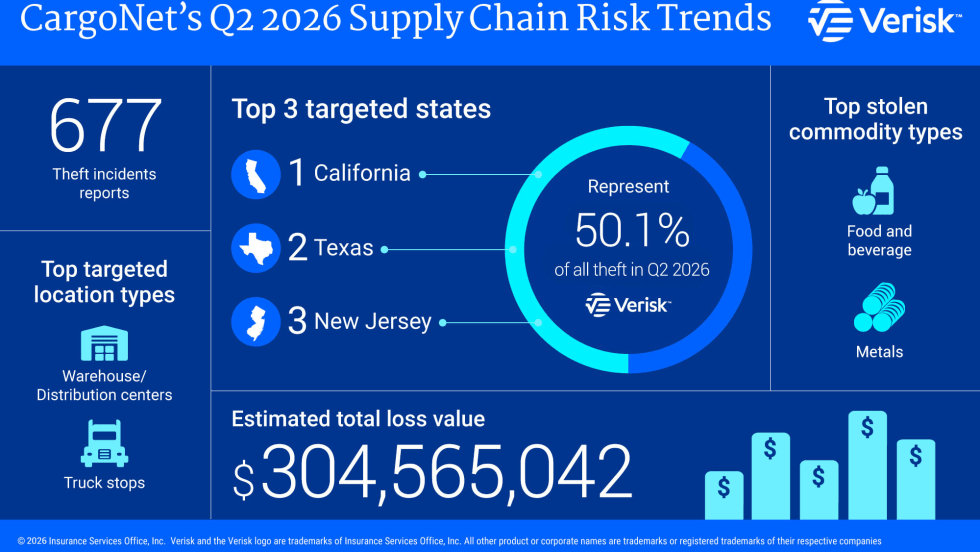
Fewer Cargo Thefts, Bigger Losses: Criminals Target Higher-Value Loads
CargoNet says organized theft rings are stealing fewer shipments but choosing more valuable freight, including metals and technology, resulting in record losses.
Read More →
How Innovative Trucking Leaders Turn Change Into an Advantage
As the pace of change accelerates in trucking, the fleets that adapt best have more than the latest technology. They have cultures that embrace improvement.
Read More →
Freight Broker Bonds Just Got Harder to Get. Here's What That Means for Your Fleet.
When it gets harder for a freight broker to prove they are financially sound, the ones who cannot clear that bar get pushed out of the market. And those are exactly the brokers who used to leave motor carriers holding the bag.
Read More →
Long-Awaited Canadian Border Bridge to Open in Detroit
For trucking, the bridge opening should offer immediate improvements in efficiency and reliability, with new customs facilities, expanded inspection capacity, and direct freeway-to-freeway connections.
Read More →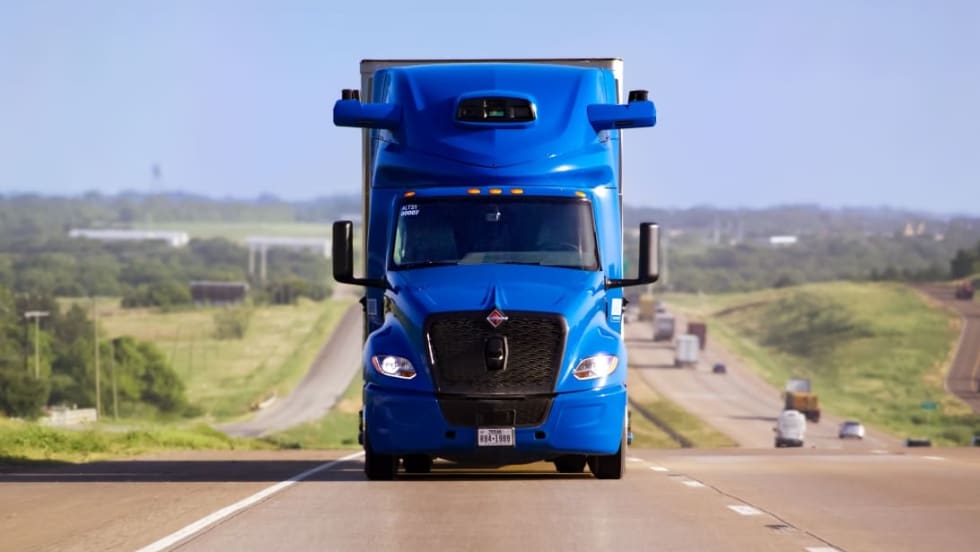
Aurora Rolls Out Next Generation of Driverless Trucks for Commercial Freight
Aurora's latest autonomous trucks it's rolling out with International feature lower-cost hardware designed for a million miles as the company expands commercial driverless freight operations across the U.S. Sun Belt.
Read More →
Freight Tonnage Down, Rates up, as Lower Capacity Powers Trucking Recovery
The recovery from the freight recession continues to be driven by reduction in capacity rather than by increased demand.
Read More →
Think Your Trucking Fleet Isn't Using Much AI? Think Again
Shadow AI — the use of unauthorized artificial intelligence tools at work — is becoming increasingly common, putting sensitive company data at risk. Learn how trucking fleets can protect sensitive data while embracing AI.
Read More →