




Earnings Watch: Daimler, Volvo Profits Lower Amid Slower Truck Sales
Earnings for two of the world’s largest truck makers moved lower in the first quarter, according to earnings reports issued Friday.


Earnings for two of the world’s largest truck makers moved lower in the first quarter, according to earnings reports issued Friday.
The parent to Freightliner and Western Star, Germany’s Daimler AG (ETR: DAI), saw its net profit fall to 1.40 billion euros ($1.60 billion) from 2.05 billion euros a year earlier, according to the Associated Press.
Revenue rose 2% to 35 billion euros on record high first quarter vehicle sales of 683,885, including Mercedes-Benz cars, a 7% increase.
According to Daimler, the first quarter was affected by sales of certain models of Mercedes-Benz cars while earnings were not helped by the company’s Daimler Trucks, Mercedes-Benz Vans and Daimler Buses divisions. At Daimler Financial Services, earnings increased primarily due to the higher contract volume. Currency exchange-rate effects had an overall negative affect on earnings.
Daimler Trucks’ unit sales fell by 6% in the first quarter from a year ago, to 105,700 vehicles, due to weak market developments, especially in Indonesia, Brazil and Turkey. It saw a 13% increase in the European Union region. In North America, sales of 40,400 trucks were at the prior-year level, while sales in Latin America dropped by 18%. In Japan, the truck division was even with last year, with sales of 12,400 units.
The division’s revenue fell to 8.2 billion euros from 8.4 billion euros a year earlier. However, earnings before interest and taxes improved to 516 million euros from 472 euros.
Looking ahead, Daimler said it expects demand for medium- and heavy-duty trucks to be slightly below the prior-year volume.
“In the North American truck market, the gradual weakening of the industrial sector is likely to have an impact," the company said in its earnings report, saying that demand for Class 6-8 trucks is likely to decrease by approximately 10%. In contrast, sales of Mercedes-Benz cars are expected to continue at a healthy pace.
Volvo North American Truck Orders Fall 54%
The parent to Volvo and Mack trucks, Volvo AB (OMX: VOLVB), saw its first quarter net profit drop to 3.77 billion kronor ($463.3 million), down 11.3% from the same period last year, but higher than analysts’ expectations of 2.92 billion kronor, according to the Wall Street Journal.
Revenue for the Swedish company fell to 71.71 billion kronor from 74.79 billion kronor last year, in line with expectations. Half of this 4% decline was due to the effect of foreign currencies, Volvo said, with lower North American sales also playing a part.
According to Martin Lundstedt, president and CEO, truck markets are following the trend the company saw since last year.
“While truck deliveries declined 5% in total, we succeeded in improving our operating margin in the truck business to 7.8%," he said. “Demand in North America is slowing from high levels. In the first quarter, the organization did a good job in adjusting capacity for lower volumes. Volumes in South America decrease due to the already weak demand in Brazil. It will be some time before demand improves. Asia is showing a stable trend. The European market is performing strongly and order intake increased by 23%.”
Volvo said in North America its orders were down 54% compared to the same quarter last year and deliveries fell by 33% to 10,740 trucks.
“The decline in both orders and deliveries is an effect of the market correction, with dealers focusing on reducing their inventories, as well as a result of the comparison with an extraordinarily high quarter last year for both orders and deliveries,” Volvo said in its earnings report. “The production rates in the group’s North American production system were reduced in the quarter to meet the lower demand and allow for inventory reduction at dealers.”
The news follows Volvo announcing earlier that in intends to focus more heavily on Europe and Asia, where its unit sales increased by 16% and 7% during the first quarter, respectively.
More Equipment
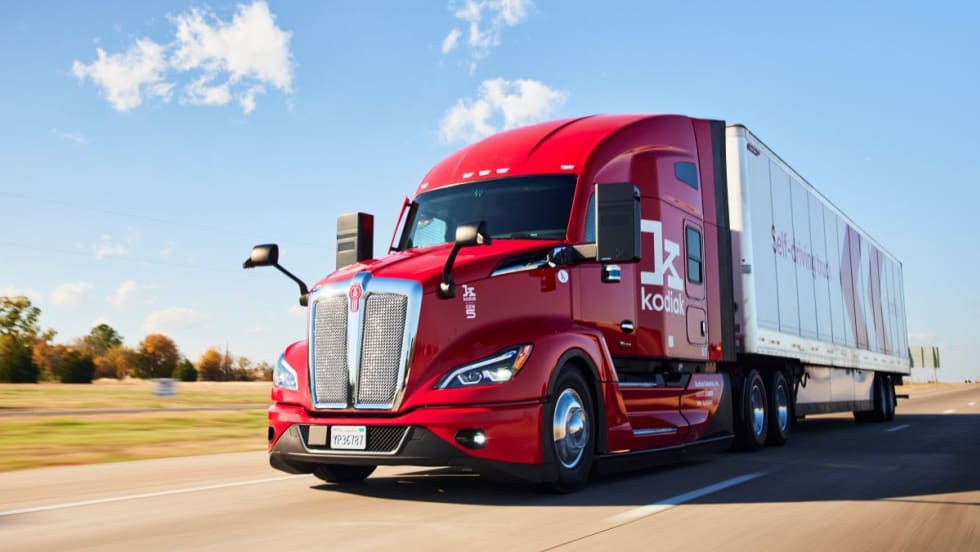
Autonomous Truck Testing Moves Ahead in California as Teamsters Challenge Rules
California has begun permitting heavy-duty autonomous truck testing, with Aurora and Kodiak among the first to receive approval, as the Teamsters sue the DMV over the new regulations.
Read More →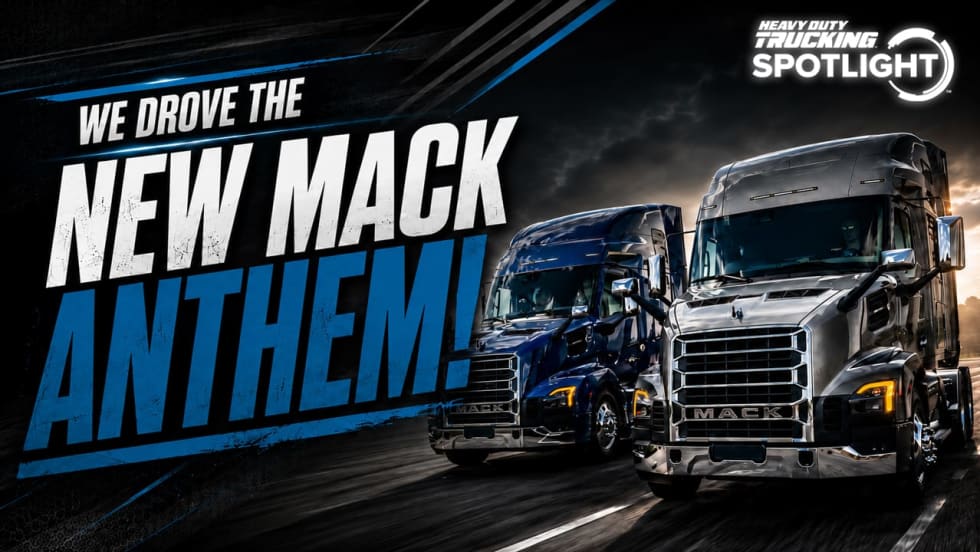
Behind the Wheel of the New Mack Anthem [Video]
HDT takes the new Mack Anthem around Mack’s Pennsylvania test track to see how its driver-focused design, technology, visibility and handling perform from behind the wheel.
Read More →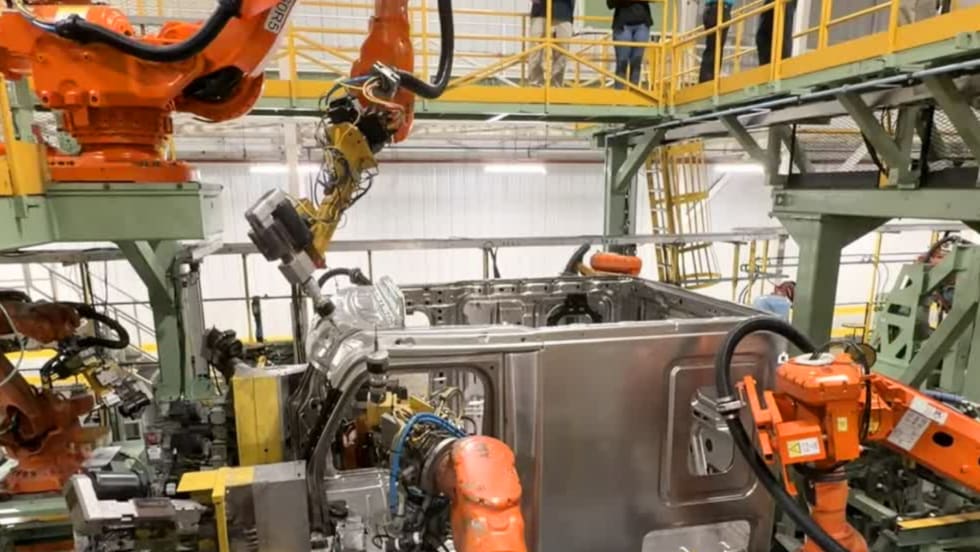
DTNA Plans New U.S. Truck Plant as Manufacturing Footprint Shifts
Daimler Truck North America is evaluating sites for a new assembly plant expected to open in 2029 while winding down operations at its longtime Portland manufacturing facility.
Read More →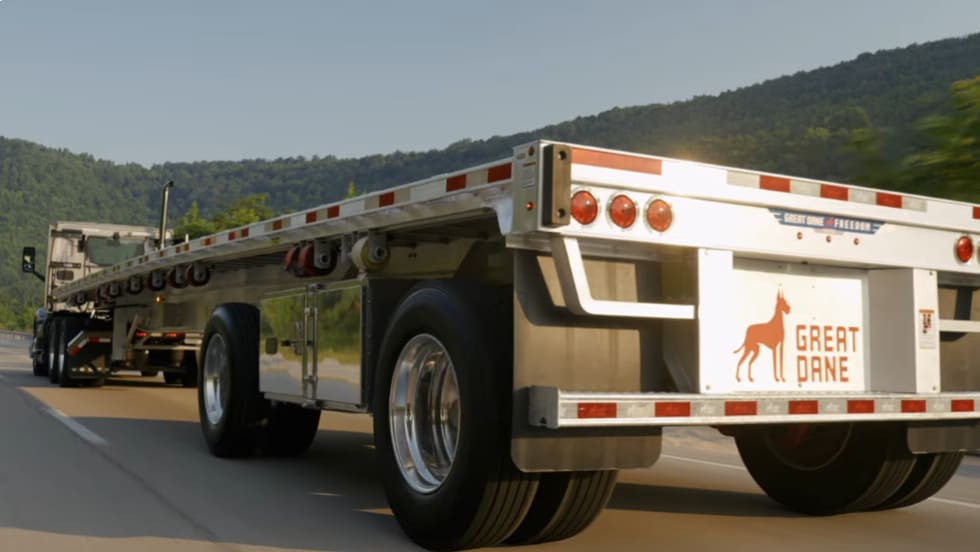
Great Dane Flatbed Trailer Offers Light Weight and Strength
Freedom Ultra is designed for a wide range of open-deck applications, including building materials, lumber, machinery, steel products, industrial freight, and coil hauling.
Read More →
What It's Like Inside this Custom 2025 Peterbilt 589?
Take a driver's-eye tour of this customized 2025 Peterbilt 589 in this video, as longtime driver Ingrid Brown explains its features, compares it to previous models, and shares plenty of personality along the way.
Read More →
Drivers Put Western Star Trucks to the Test at Star Nation Experience
Watch to get an inside look at the Western Star trucks, technology, and community behind the Star Nation Experience 2026!
Read More →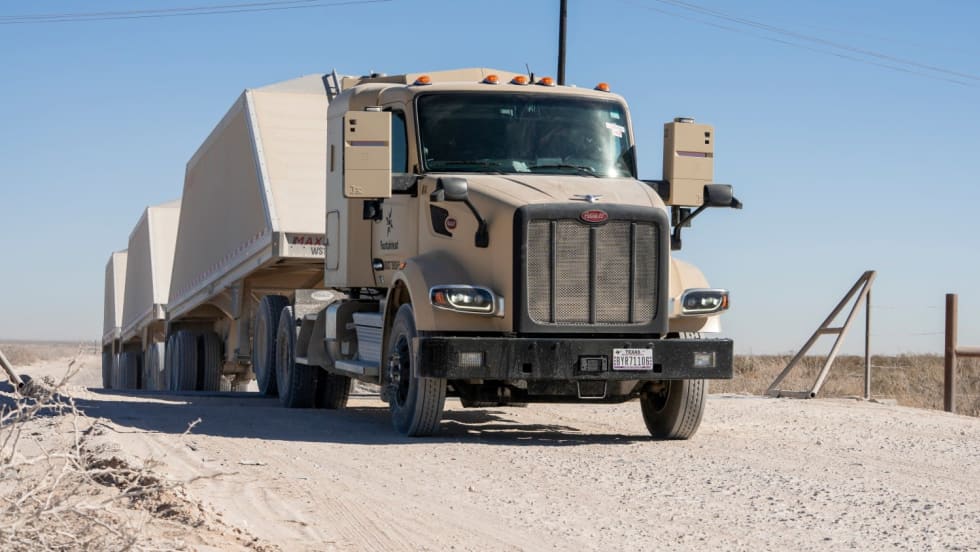
Atlas Expands Kodiak Driverless Truck Fleet in Permian Basin
Atlas Energy Solutions is expanding autonomous frac sand hauling in the Permian Basin with a second load-out location and plans for 100 driverless trucks by mid-2027.
Read More →
Putting Mack’s Command Steer to the Test
A test drive of Mack’s Command Steer active steering system evaluates how it can make truck driving easier and less tiring.
Read More →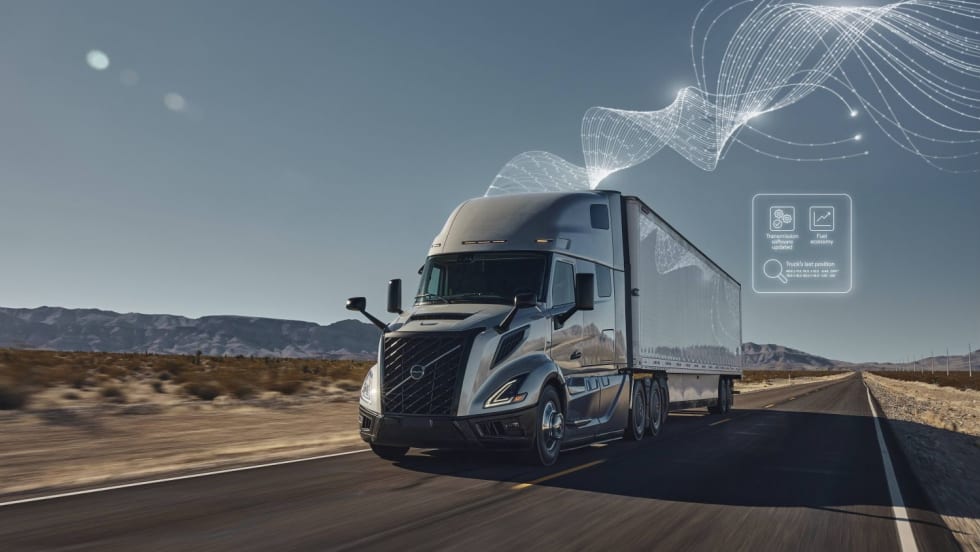
Mack, Volvo Expand DEF Derate Software Updates
The updated software gives Mack and Volvo truck owners more time to address DEF-related issues before the engine derates or the vehicle goes into reduced-speed inducement, following new EPA guidance.
Read More →
Rush, MCT Team Up to Grow Refrigeration Service Network
The joint venture will operate MCT's network of Carrier Transicold dealerships and mobile service locations, with the companies promising greater service capacity and uptime for refrigerated fleets.
Read More →