




Driver Shortage Tops ATRI's Critical Industry Issues List
ORLANDO – For the first time since 2006, the driver shortage is number one on the American Transportation Research Institute’s annual top industry issues report, surging six spots higher, followed by two concerns closely related to drivers: ELDs and hours of service.

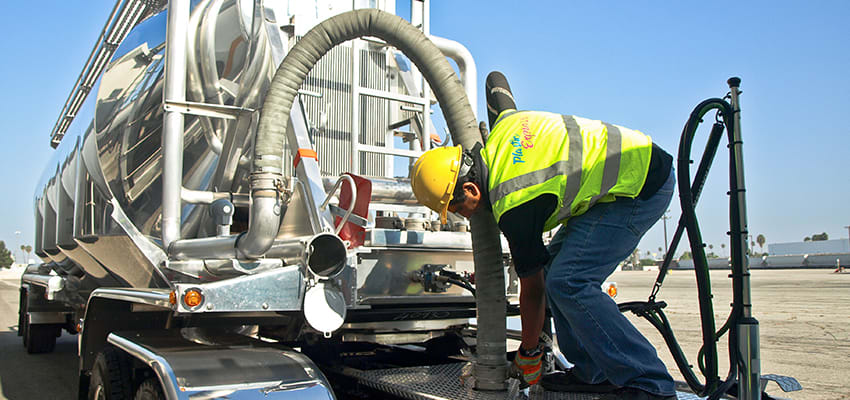
Driver-related issues took the top five spots on this year's report. Photo: Plastic Express

ORLANDO – For the first time since 2006, the driver shortage is number one on the American Transportation Research Institute’s annual top industry issues report, surging six spots higher, followed by two concerns closely related to drivers: ELDs and hours of service.
In fact, the top five on the list are all related to drivers.
The not-for-profit research institute, an arm of ATA, released the report during the 2017 American Trucking Associations' Management Conference and Exhibition.
Dropping one position from its top ranking last year, the upcoming electronic logging device mandate ranked second on the overall list – was number one among commercial driver respondents to the survey.
In an overview for reporters, ATRI President Rebecca Brewster noted that among drivers, “there are concerns about what full ELD implementation will mean, but they often point to the number three issue, which is hours of service.”
Hours of service was at the top of the list for three years in a row, thanks to the more restrictive 34-hour restart provisions. Since FMCSA's issuance of a final ruling earlier this year to remove that, it did drop somewhat, but carriers and drivers are looking for increased flexibility in the rules.
“We had hours of service at the top of list three years in a row,” Brewster said. “We have a top research priority this year focused on looking at the potential to deal with some of the nation’s worst traffic bottlenecks if drivers could select when they would go through those chokepoints [with some hours of service flexibility]. So I tie a lot of the ELD concerns with the hours of service concerns.”
The lack of available truck parking held its fourth place overall but moved up to the number two issue for commercial drivers – again, something closely related to hours of service and ELDs. In recent ATRI research, Brewster said, “We identified that drivers using ELDs were twice as long to spend 30 minutes or more looking for parking."
Number five was driver retention. Digging further into the responses, Brewster said, carriers want to see better research on best practices and different compensation models.
CSA, the FMCSA’s Compliance, Safety, Accountability program, came in number six, the same as last year. Brewster noted that before last year, it had been in the top five since the program debuted in 2010. The drop in ranking was attributed to some actions on the part of Congress required FMCSA to address some of the industry’s concerns about issues ATRI has documented in its research, including the real relationship of some of the BASICS categories to crash risk and the issue of fleets being dinged for crashes that were not their fault.
The economic impact of regulations dropped from number three to number seven, likely because of the change in the presidential administration and its focus on reducing regulations.
Number eight was driver distraction, which moved up in the rankings.
Transportation infrastructure, which has been in the top 10 issues since ATRI started this annual study. ATRI is working to update its study on highway funding.
And back to drivers, number 10 on the list was driver health and wellness.
The economy dropped out of the top 10 for the first time to number 11. Autonomous vehicles was number 12, and 13 was the diesel technician shortage, for the first time on the survey.
The report also asks respondents about strategies to deal with their top issues. Among the top strategies recommended by industry stakeholders to address the driver shortage were working with state and federal authorities to develop a graduated commercial driver's license program to attract safe, younger drivers to the industry, and partnering with the U.S. Department of Labor to formalize a national driver recruitment program.
More Drivers

EEOC Sues KLLM Over Alleged Sex Discrimination in Driver Training
KLLM is facing a federal sex-discrimination lawsuit over policies the EEOC alleges put female truck driver trainees at a disadvantage.
Read More →
FMCSA Moves to Codify English Language Requirements for Commercial Drivers
By changing regulations on English-language proficiency requirements for commercial drivers, rather than relying on a guidance memo, the FMCSA said future administrations won't be able to walk back the Trump administration's stricter enforcement with just a memo.
Read More →
Drivers Put Western Star Trucks to the Test at Star Nation Experience
Watch to get an inside look at the Western Star trucks, technology, and community behind the Star Nation Experience 2026!
Read More →
Trump Administration Looks to Put More Veterans Behind the Wheel
The Freedom Haulers program pulls together existing and expanded programs at several federal agencies to recruit veterans to drive commercial heavy-duty trucks and cut the red tape for them to get a CDL, training, and employment.
Read More →
Putting Mack’s Command Steer to the Test
A test drive of Mack’s Command Steer active steering system evaluates how it can make truck driving easier and less tiring.
Read More →
Competition Heating Up for Truck Drivers
New report reveals rising driver hiring costs, the return of sign-on bonuses, growing AI advantages, and the operational factors shaping driver retention.
Read More →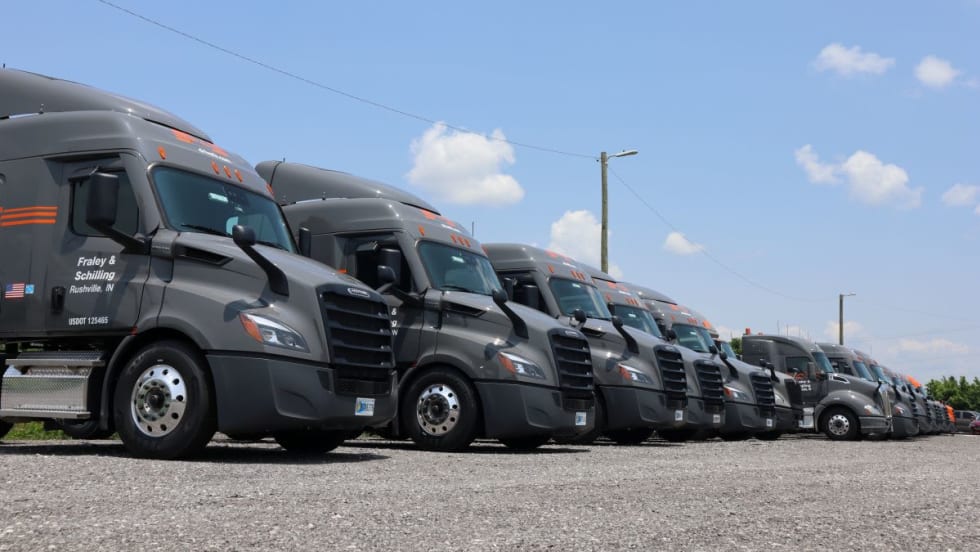
How Fraley & Schilling Improved Logbook Compliance by Over 50%
Fraley & Schilling needed a way to close a compliance workflow gap in its ELD system without adding more work from driver training, reminders, and back-office follow-ups. It found the answer in a custom driver app.
Read More →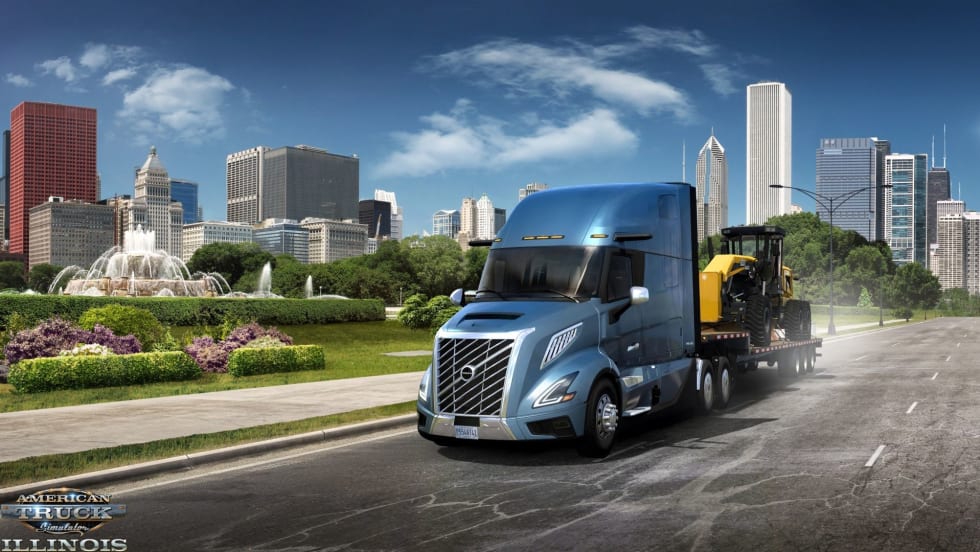
Volvo Goes Gaming
Volvo has roared into American Truck Simulator with two new flagship trucks.
Read More →
What the Best Fleets to Drive For Teach About Driver Retention
Survey fatigue, AI-powered routing, owner-operator expectations, and the decline of social media all emerged as themes from this year's Best Fleets to Drive For program.
Read More →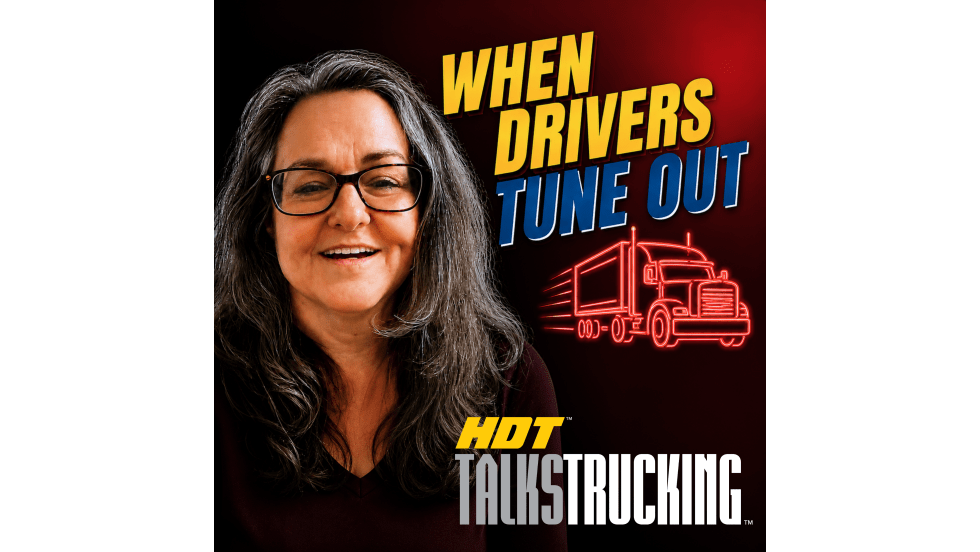
Driver Retention Lessons From the Best Fleets to Drive For
What separates trucking's best workplaces from the rest? Jane Jazrawy shares the biggest lessons from this year's Best Fleets to Drive For program on driver retention, communication, AI, and workforce trends on the HDT Talks Trucking podcast.
Read More →