




Many articles I see on the driver shortage identify many of the problems being faced by drivers and companies, but I don't think the industry has identified a basic problem that is facing many industries with a blue collar work force.
Start at the schools. Not the truck driver training schools, but the junior high and high schools. For that matter, start at the elementary schools and the kids' homes. Computers are everywhere ,and they are fun, challenging, and very satisfying for many of these kids. As these kids have become more proficient working in a clean, challenging and exciting air conditioned environment, they have become challenged to pursue that same environment as they grow older and graduate school, whether high school or college.
While more money to drivers might reduce today's turnover rate, it won't necessarily attract the quality of drivers or quantity of drivers to the industry.
A major market research study is needed to question young people from ages 10 to 20 as to their perception of the the trucking industry, driving a truck, being away from home three to four weeks at a time week after week, dead time, the element of pride they might have calling themselves a truck driver, rubbing elbows at truck stops with a cross section of all types of individuals, etc. In essense, 'why' and 'why not' information from young people is needed. Without it, we are only guessing about what is in their heads, and they are potentially our future truck drivers.
As a person who has spent 30 plus years in the industry and who has found another profession outside of daily encounters with mechanics and truck drivers, I can easily see why other fields today are more attractive than trucking. Don't get me wrong. I would love to be back in it full time in a white collar managerial role. But I understand why driving a truck just isn't as attractive today as it was 10-20 years ago. There now are many other attractive options for today's young people.
The inside of a truck, no matter how impressive, is no better than today's vans or most of today's cars, even late model used cars. To a person from within the trucking industry that remembers what trucks used to be like inside, it now is "wow." But it is not "wow" to today's
younger generation. The interior and accommodations just don't attract potential drivers.
Being competitive money wise to attract drivers may be a partial answer, but it is not the solution. The schools got it right when, at the beginning of the learning process, they began teaching a new thought process around computers. It was just too difficult to reeducate older
generations that never used computers, didn't want to learn, and were intimidated by them, rightly so.
Today, when schools teach young people about the opportunities available with the new knowledge that is being learned, being a truck driver isn't on the blackboard.
The dying breed problem has been faced in farming, railroading, fishing, sea merchants, etc. The world is always in a state of flux and changing. What may be needed is a fresh look at how to breed truck drivers beginning at an early age. Today's kids have been bred on computers and
it is as natural to them as it was foreign to us 20 years ago. How do we breed today's kids to want to be truck drivers? A good question, one I don't readily have the answer for.
Allan Berger is a retired fleet manager who spent a number of years in management at BFI, a large waste hauler.
Driver Shortage: Our Kids Have Better Choices
Many articles I see on the driver shortage identify many of the problems being faced by drivers and companies, but I don't think the industry has identified a basic problem that is facing many industries with
More Aftermarket
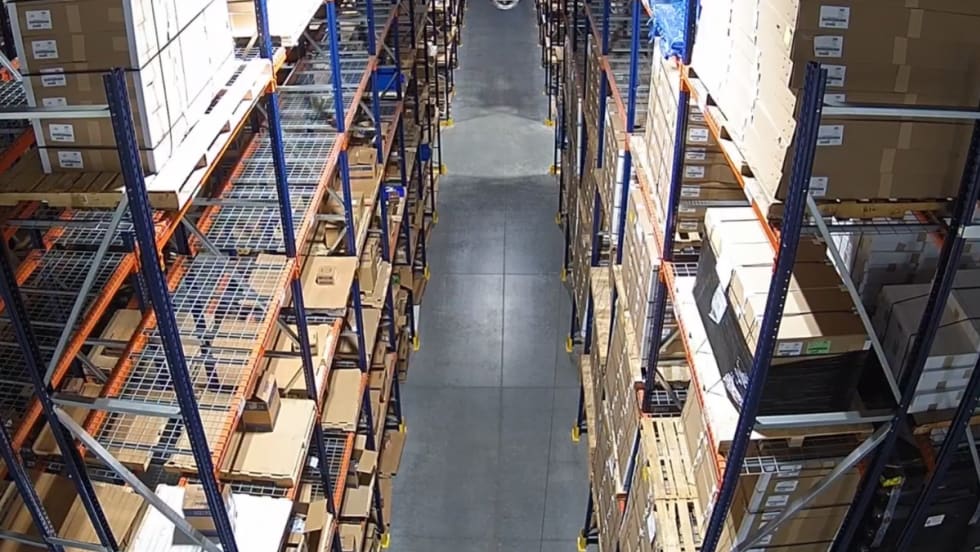
Phillips Opens High-Tech Distribution Center for Faster Parts Delivery
Phillips Industries’ new Cincinnati-area distribution center is now shipping aftermarket trucking parts nationwide, aiming to speed up delivery times for customers.
Read More →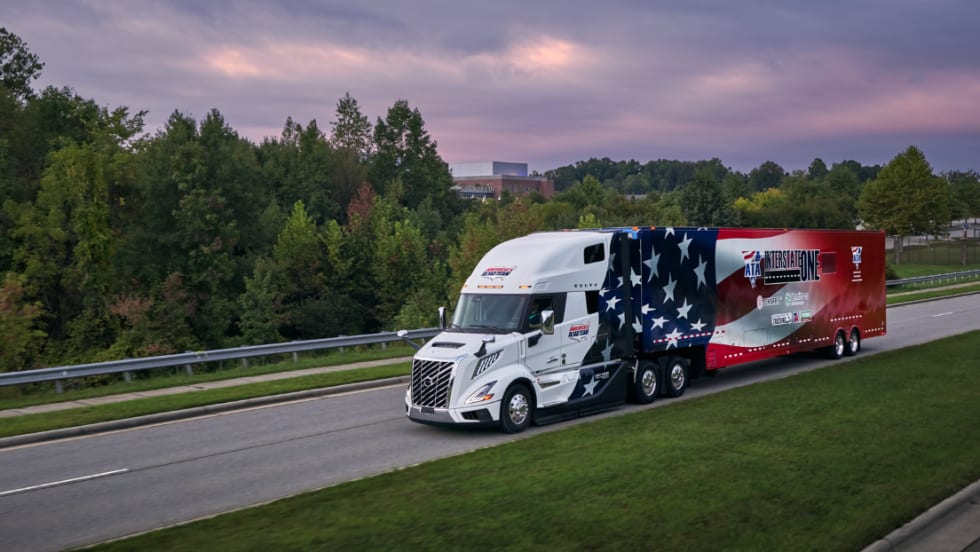
Volvo to Sponsor America’s Road Team for 2025
Volvo Trucks announced that it is extending its exclusive sponsorship of America’s Road Team for 2025.
Read More →
Webb to Start Taking Orders for UltraSet Pre-Adjusted Wheel Hubs
Webb, which recently acquired the Stemco Trifecta pre-adjusted hub program, will soon start taking orders for its replacement pre-assembled hub, the UltraSet.
Read More →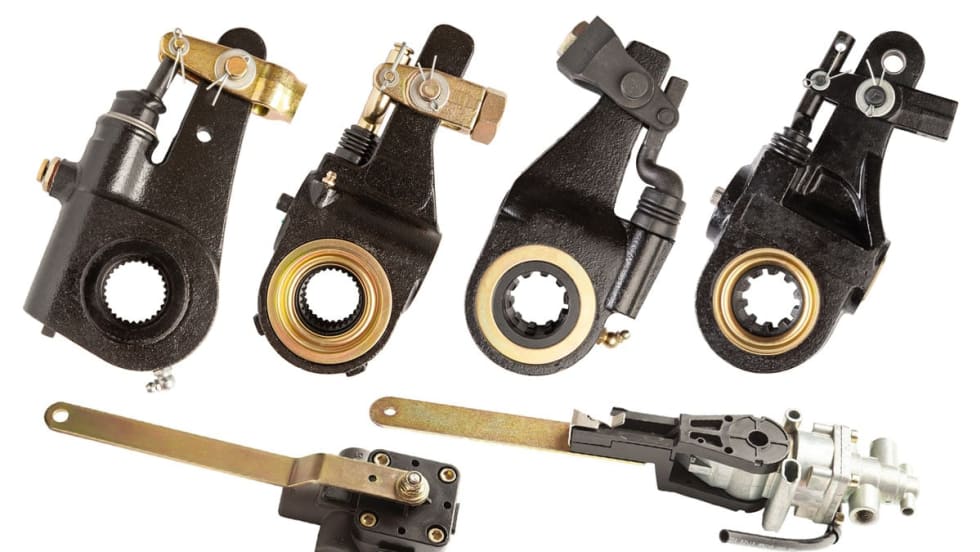
All-Makes Automatic Brake Adjusters, Ride Height Control Valves from Midland
SAF-Holland has added automatic brake adjusters and ride height control valves to its Midland All-Makes Program.
Read More →
ZF Aftermarket Expands [pro]Academy Training
ZF Aftermarket said it is expanding its ZF [pro]Academy training and will be adding 40 new modules this year.
Read More →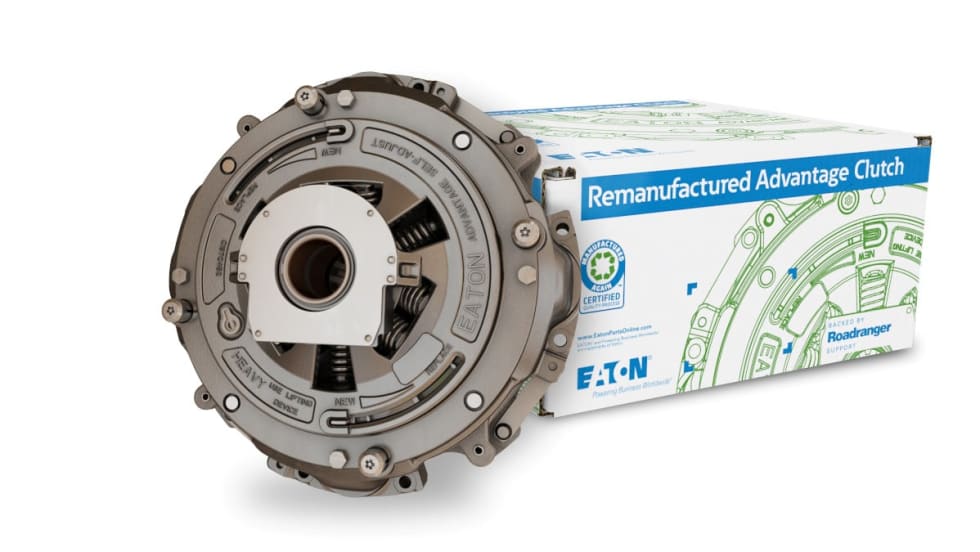
Eaton Adds Remanufactured Advantage Line of Clutches
Eaton has added its Advantage clutches to its remanufactured product line. The clutches feature a unique strap drive intermediate plate designed to allow customers to choose the latest OE specification
Read More →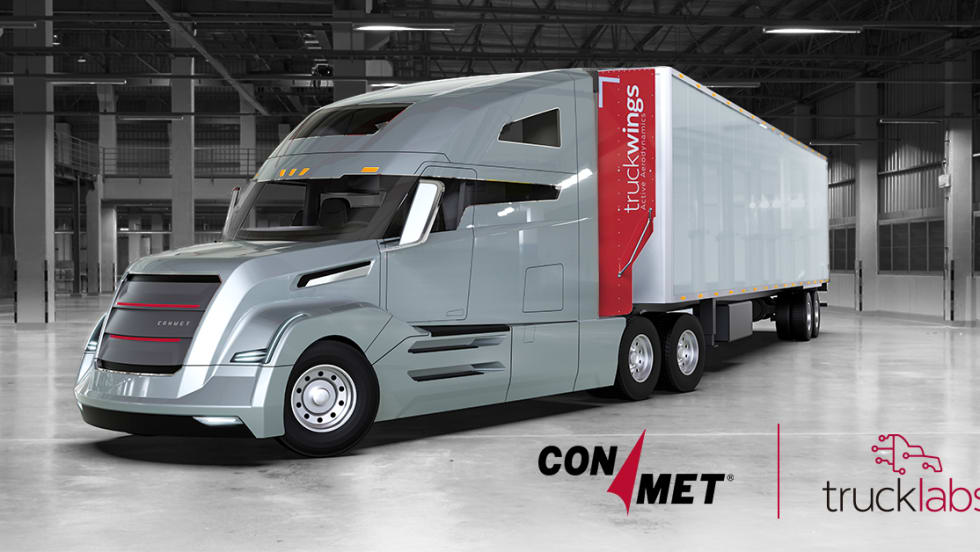
ConMet Acquires TruckLabs, the Creator of TruckWings
Commercial truck and trailer parts provider ConMet acquired TruckLabs, the company that created TruckWings, an aerodynamic device that attaches to truck cabs and deploys to close the gap between truck and trailer. TruckLabs now operates as a subsidiary of ConMet.
Read More →
Diesel Laptops Releases Fault-Code-to-Part-Number Tool
Diesel Laptops said its Truck Fault Codes allows users to input a fault code and immediately identify and order the parts needed to complete repair work.
Read More →
Heavy Duty Parts and Labor Costs Dropped in Q2
A benchmarking report from TMC and Decisiv reveals good news for fleets as heavy-duty parts and labor costs dropped in the second quarter of 2023.
Read More →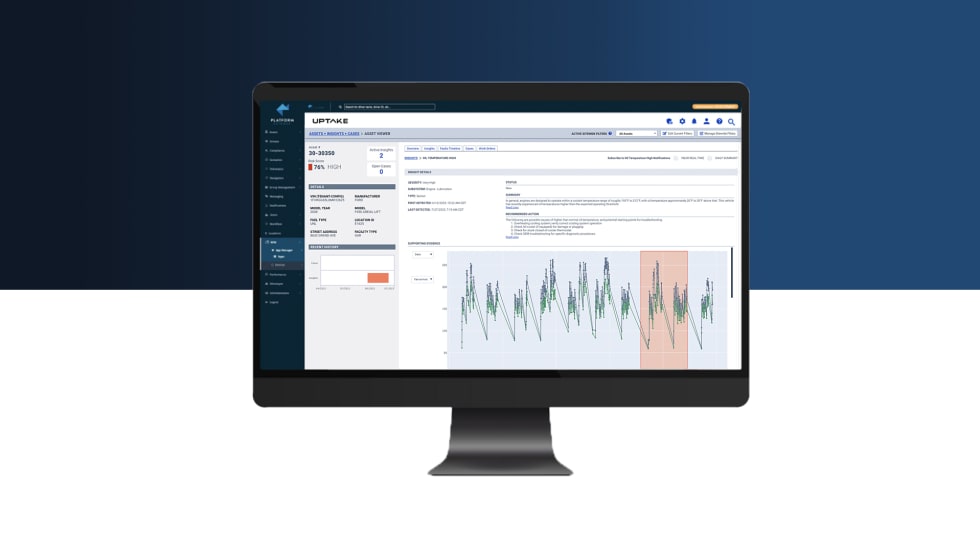
Platform Science, Uptake Partner on Predictive Maintenance Platform
Platform Science and Uptake have formed a partnership aimed at bringing a comprehensive predictive maintenance program to market for U.S. truck fleets.
Read More →