


Check out HDT's Ongoing Driver Shortage Coverage
HDT's Driver Shortage page includes up-to-date, in-depth articles, analysis and news about how the trucking industry is handling this difficult crisis.
 MENU
MENU SEARCH
An ATA report is projecting a shortage of 48,000 drivers by the end of 2015, marking the highest recorded level in trucking's history.

Photo: Pride Transport

Photo: Pride Transport
The driver shortage has left the trucking industry nearly 48,000 qualified drivers short and is on pace to expand by a significant margin, according to a new report issued by the American Trucking Associations.
Last year, the industry was short 38,000 drivers meaning that in just one year, the number is projected to increase by nearly 10,000 drivers, according to ATA.
Industry growth and a retiring workforce threaten to increase the driver shortage to as high as 175,000 by 2024 if the current trend holds.
While ATA is not saying that the shortage will certainly reach that number, the report uses it to illustrate what could happen to the industry if it continues on the current course. ATA projects that over the next decade, the trucking industry will need to hire 890,000 new drivers or 89,000 drivers per year to meet demand.
The average age of an over-the-road driver is currently 49 years old and, as a result, 45% of the hiring requirement will be to replace retiring drivers. By contrast, increasing demand makes up only 33% of the need for drivers.
Another contributing factor in the shortage is that while trucking companies receive applications, as high as 88% of carriers reported that most applicants were not qualified.
The report was ATA’s fourth major analysis of the issue since 2005.
“An important thing we learned in this analysis is that this isn’t strictly a numbers problem, it is a quality problem too,” said Bob Costello, ATA chief economist. “Fleets consistently report receiving applications for open positions, but that many of those candidates do not meet the criteria to be hired. “
Apart from age other significant factors contributing to the driver shortage include a less diverse driver pool, the difficult lifestyle, and competing jobs. For instance, according to the ATA report, women make up 47% of all U.S. workers while they have comprised between 4.5% and 6% of the truck driving workforce since 2000.
A few years ago, trucking was one of the few industries hiring, but today a better economy has led to more direct alternatives for current or would-be drivers. One competitor for workers, the construction industry, has grown by 113,000 employees so far in 2015.
One of the largest unforeseen factors are the effects of regulations, such as the truck driver hours-of-service issue which may worsen the driver shortage by requiring more trucks and drivers to handle the same workload.
“Our work shows the great and growing need for drivers but we also highlight several solutions,” said Costello. “Make no mistake, the driver shortage is a challenge, but it is not an insurmountable one.”
To access the full ATA report, click here.
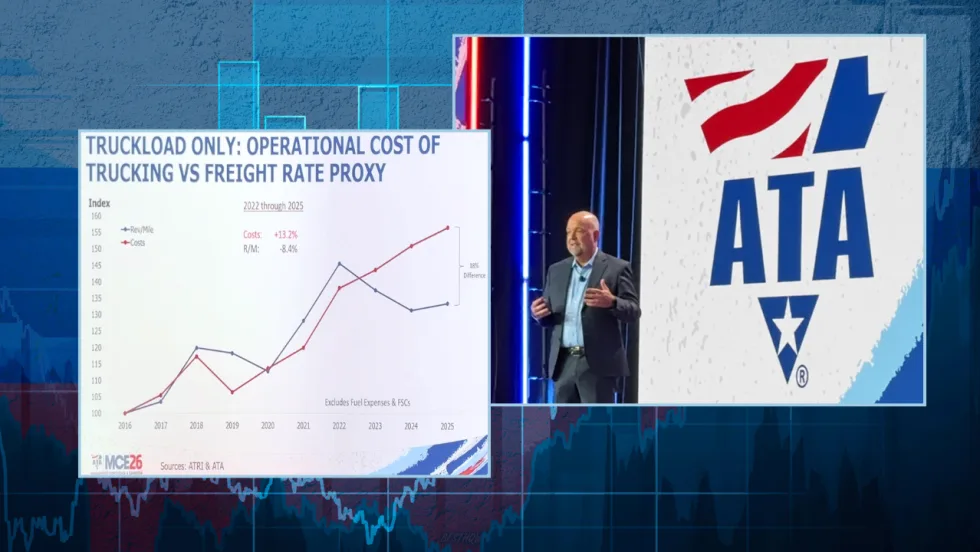
Freight demand remains sluggish, but rising costs and tougher enforcement have taken enough capacity out of the market to change the outlook for motor carriers.
Read More →
Four additions to PS Fleet help fleets monitor loads, manage driver coaching, share truck locations and adjust video system settings.
Read More →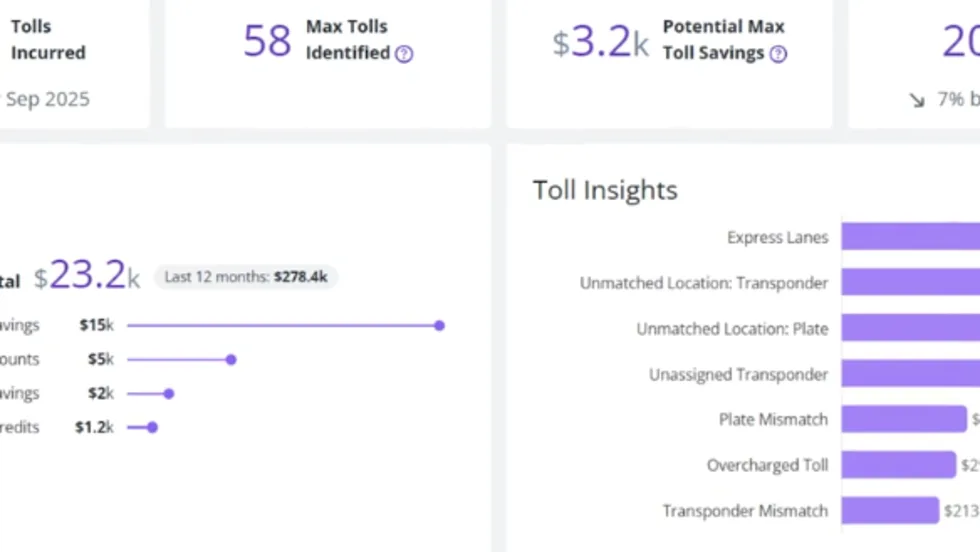
PrePass Intelligence helps fleets measure bypass savings, flag potential toll overcharges, and spot suspicious transactions by combining data from separate systems.
Read More →
New tools automate follow-up on fleet data, from maintenance work orders to driver alerts, with two-way voice conversations planned for later this year.
Read More →
Test your truck knowledge with 19 trivia questions from Heavy Duty Trucking Exchange. Can you keep up with the fleet pros?
Read More →
New Compatibility Engine checks driver qualifications, equipment requirements and fleet policies before loads are dispatched.
Read More →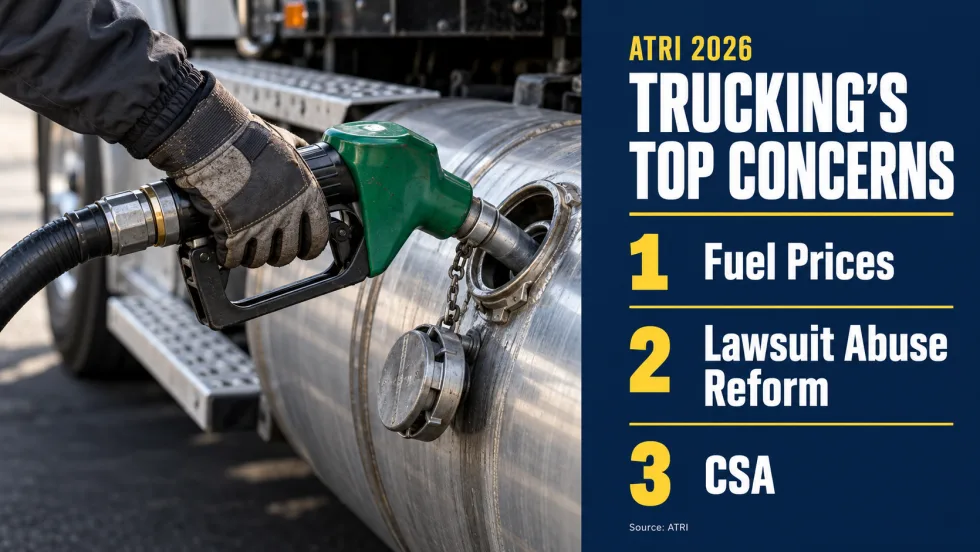
ATRI’s annual survey finds cautious optimism about freight, but diesel costs, litigation, and insurance continue to squeeze fleets. Drivers have different priorities on several issues.
Read More →
Just a few more days to nominate accomplished trucking fleet professionals under 40 who are making an impact and helping lead the industry forward for the HDT Emerging Leaders award. Deadline extended to October 20!
Read More →
Incoming President and CEO Mark Colson’s record in Alabama offers clues about his priorities and approach following Chris Spear’s abrupt departure as the head of the American Trucking Associations.
Read More →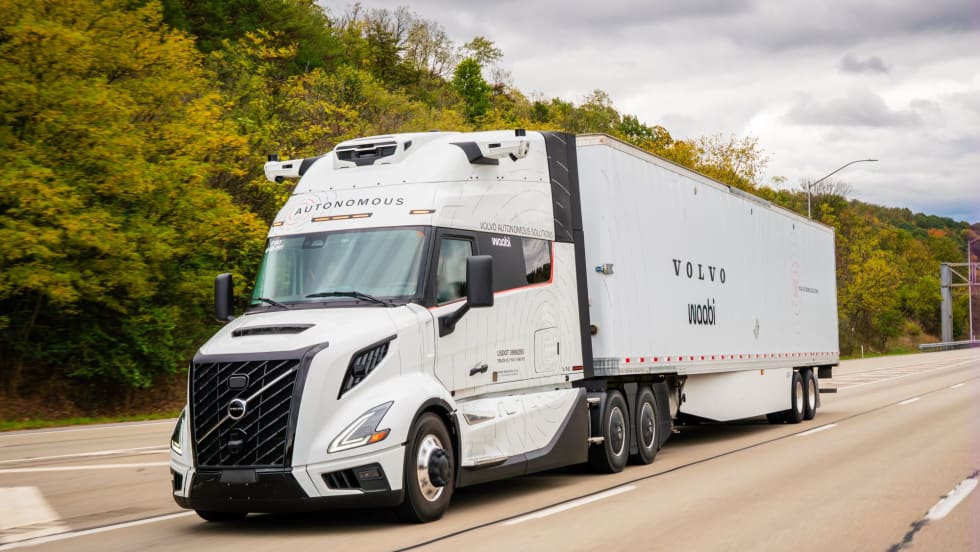
Volvo VNL Autonomous trucks, powered by the Waabi Driver, are hauling freight directly to third-party facilities for a customer in Texas.
Read More →