




DOT's Commercialization Proposal Would Suffocate Existing Interstate Businesses, NATSO Says
The Bush administration's recent proposal to commercialize rest areas in 10 states would devastate highway-based businesses,
The Bush administration's recent proposal to commercialize rest areas in 10 states would devastate highway-based businesses,
such as travel centers, truckstops, restaurants, gasoline stations, convenience stores and lodging establishments, says NATSO, the nonprofit organization representing America's travel plaza and truckstop industry.
The Department of Transportation released its proposal this week for reforming federal surface transportation programs, ahead of next year's scheduled reauthorization of the 2005 highway funding bill. If passed, the proposal would suffocate existing interstate businesses in favor of just one business hand-picked by the state, NATSO claims.
"It is astonishing that the administration continues to back a proposal that would have such detrimental effects on drivers, highway-based businesses and local communities," said Lisa Mullings, president and CEO of NATSO.
This proposal threatens many interstate-based businesses that depend on the free movement of interstate traffic, not to mention their employees and the local governments which need taxes generated from these businesses. The reason is simple and undeniable: it is virtually impossible for a business at the interchange to compete with a state-sanctioned business located directly on the shoulder of the road, according to Mullings.
Rest area commercialization will not result in the sale of additional hamburgers or gallons of fuel sold. "It will merely shift the point of sale away from America's rural communities where businesses have been established over the last 50 years, to the one new entity able to achieve market dominance overnight by virtue of their convenient location on the shoulder of the highway," Mullings said.
In its proposal, the DOT acknowledges that current law prohibits commercialization because it would give an "unfair advantage to the businesses located directly on the interstate over those that are located at an exit off the interstate." However, the administration has disregarded the devastating effects that unfair advantage would have on communities and instead focused on the quick capital the projects could generate for the state, according to Mullings
While the state might make more money, the tax base of local governments would shrink. By 2010, interchange businesses will contribute an estimated $1.8 billion-plus in property taxes to local governments annually, funds that are used for education and police and fire protection. Under the guise of improving public safety, the proposal would direct participating states to incorporate improvements and expansion of truck parking facilities at the newly privatized rest areas. However, commercialization would actually reduce the overall number of spaces available for heavy trucks, Mullings said.
"Truckstops and travel plazas provide 90 percent of this nation's truck parking. There is no doubt that we will see a severe truck parking shortage if these businesses are forced to close their doors," she said.
In addition to promoting commercialization, the DOT proposal strongly supports the use of tolling and congestion pricing by state governments to fund highway programs, which NATSO also opposes. "Tolls represent a system of double taxation for the commercial trucking industry, which already pays 40 percent of all highway user fees," Mullings said. In addition, tolls divert traffic onto secondary roads that are not equipped to handle this traffic, resulting in higher accident rates and damage to these secondary roads.
"By the year 2010, small business owners who provide services to highway users along the interstate are expected to employ over two million Americans and generate nearly $200 billion in sales annually. We want to ensure the interests of business owners along the highways are taken into consideration," Mullings said.
Over 70,000 businesses have sprung up at interchanges across America, and NATSO will continue its ongoing fight against commercialization to ensure those businesses are able to continue serving their communities and the nation's drivers, she added.
More Aftermarket
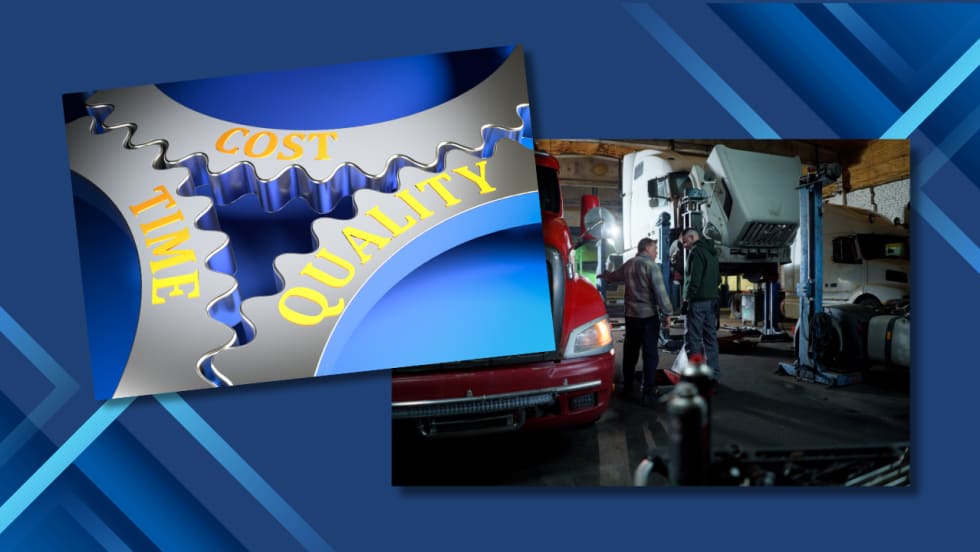
What Three Fleets Are Doing Differently When Buying Truck Parts in 2026
With freight improving but costs still climbing, fleet maintenance executives explain how they're balancing price, quality, and supplier relationships.
Read More →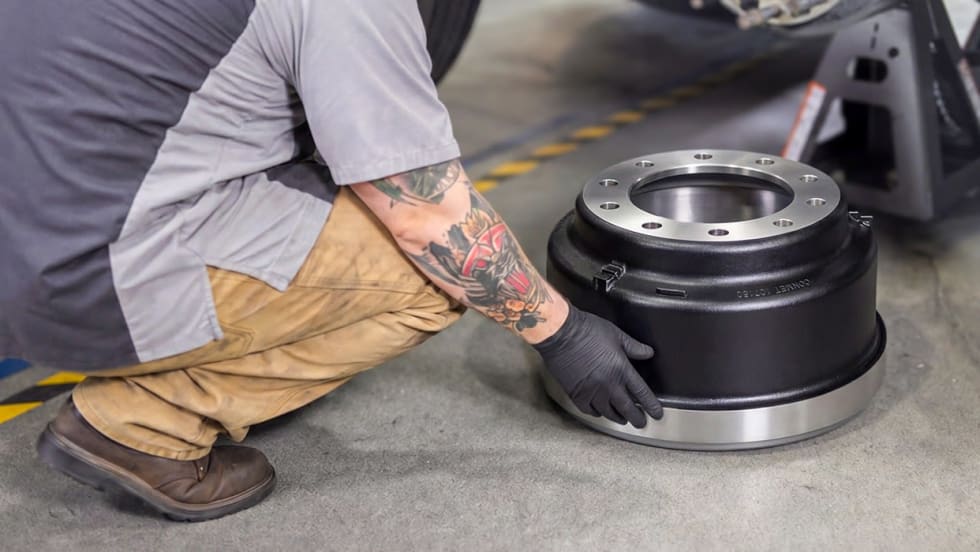
ConMet Expands Aftermarket Brake Drum Lineup With TruCast
A new heavy-duty truck brake drum option in the aftermarket gives customers more flexibility within the ConMet product family.
Read More →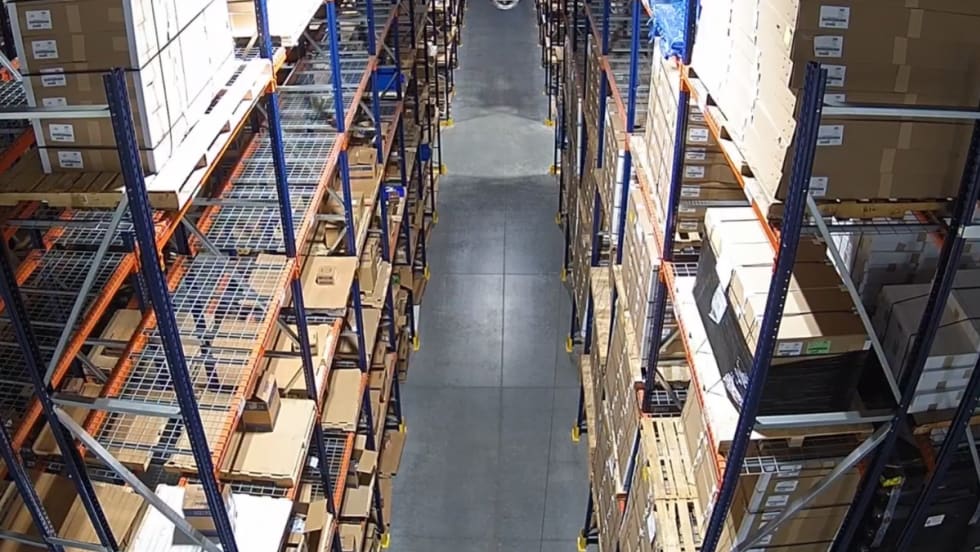
Phillips Opens High-Tech Distribution Center for Faster Parts Delivery
Phillips Industries’ new Cincinnati-area distribution center is now shipping aftermarket trucking parts nationwide, aiming to speed up delivery times for customers.
Read More →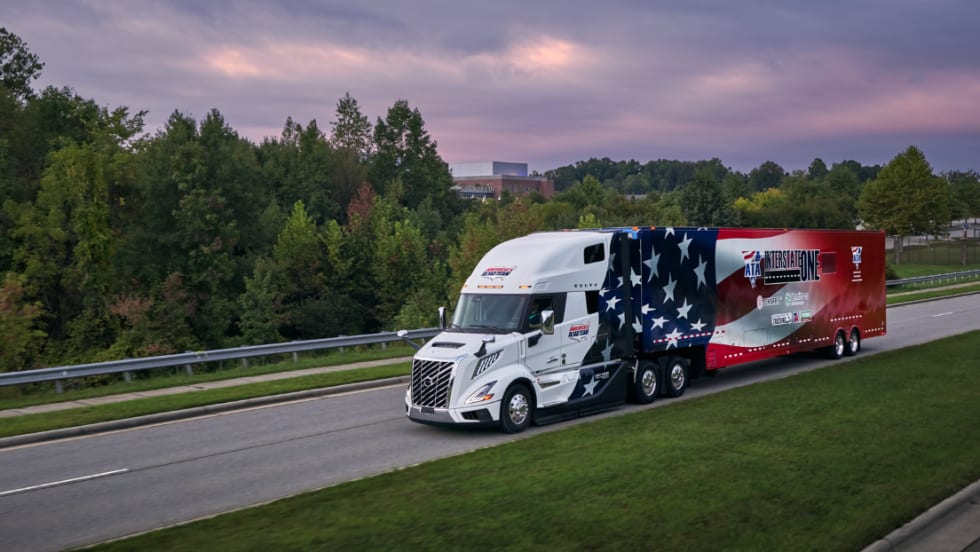
Volvo to Sponsor America’s Road Team for 2025
Volvo Trucks announced that it is extending its exclusive sponsorship of America’s Road Team for 2025.
Read More →
Webb to Start Taking Orders for UltraSet Pre-Adjusted Wheel Hubs
Webb, which recently acquired the Stemco Trifecta pre-adjusted hub program, will soon start taking orders for its replacement pre-assembled hub, the UltraSet.
Read More →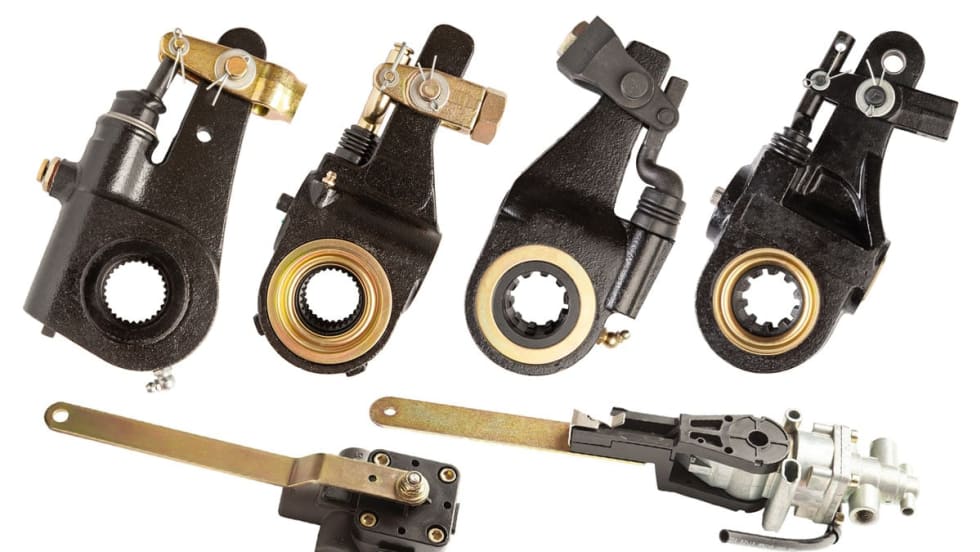
All-Makes Automatic Brake Adjusters, Ride Height Control Valves from Midland
SAF-Holland has added automatic brake adjusters and ride height control valves to its Midland All-Makes Program.
Read More →
ZF Aftermarket Expands [pro]Academy Training
ZF Aftermarket said it is expanding its ZF [pro]Academy training and will be adding 40 new modules this year.
Read More →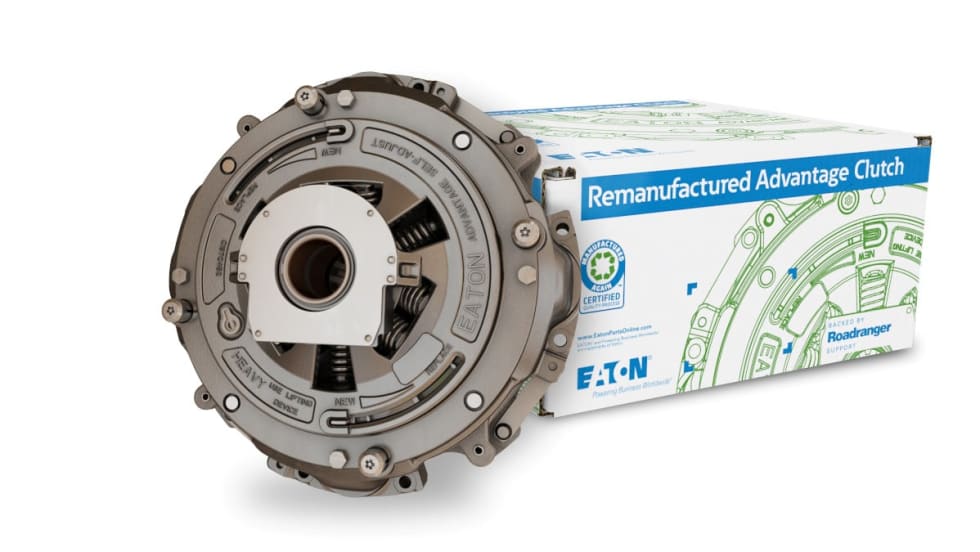
Eaton Adds Remanufactured Advantage Line of Clutches
Eaton has added its Advantage clutches to its remanufactured product line. The clutches feature a unique strap drive intermediate plate designed to allow customers to choose the latest OE specification
Read More →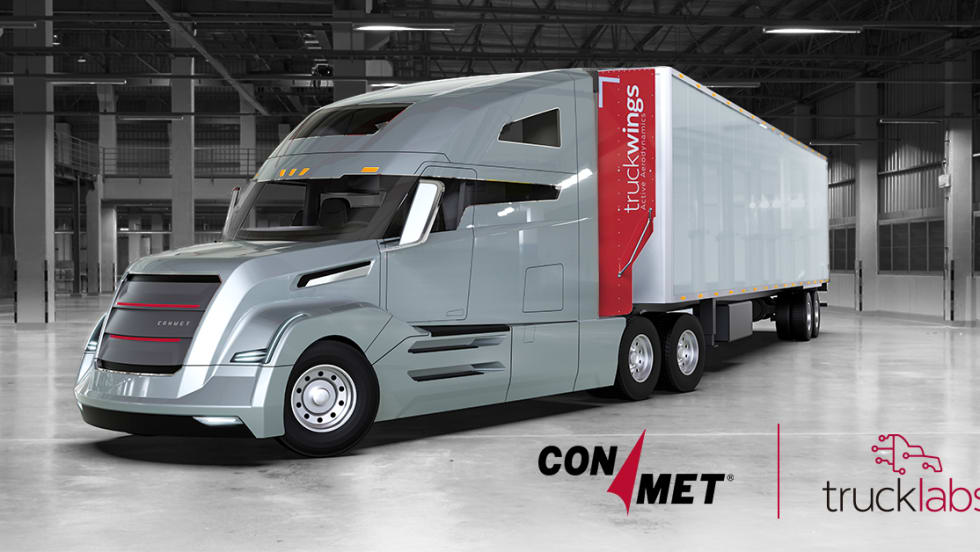
ConMet Acquires TruckLabs, the Creator of TruckWings
Commercial truck and trailer parts provider ConMet acquired TruckLabs, the company that created TruckWings, an aerodynamic device that attaches to truck cabs and deploys to close the gap between truck and trailer. TruckLabs now operates as a subsidiary of ConMet.
Read More →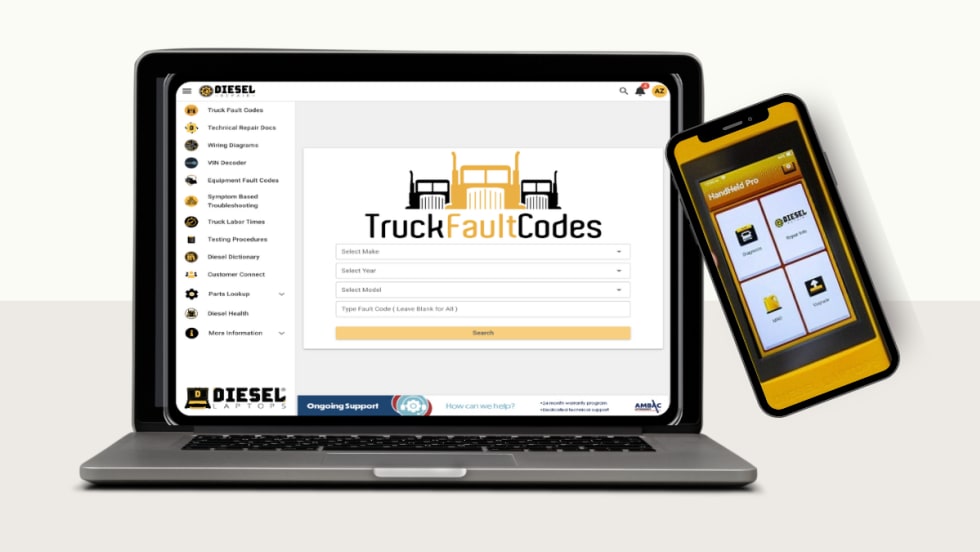
Diesel Laptops Releases Fault-Code-to-Part-Number Tool
Diesel Laptops said its Truck Fault Codes allows users to input a fault code and immediately identify and order the parts needed to complete repair work.
Read More →