




DOT Proposes 'Distraction' Guidelines for Automakers
The U.S. Department of Transportation announced the first-ever federally proposed guidelines to encourage automobile manufacturers to limit the distraction risk for in-vehicle electronic devices
The U.S. Department of Transportation announced the first-ever federally proposed guidelines to encourage automobile manufacturers to limit the distraction risk for in-vehicle electronic devices.
The proposed voluntary guidelines would apply to communications, entertainment, information gathering and navigation devices or functions that are not required to safely operate the vehicle.
Geared toward light vehicles (cars, SUVs, pickup trucks, minivans, and other vehicles rated at less than 10,000 pounds gross vehicle weight), the guidelines are the first in a series of guidance documents the National Highway Traffic Safety Administration plans to issue to address distractions requiring the use of hands or diversion of the eyes while driving.
A NHTSA spokesperson said the Phase 1 guidelines do not include heavy vehicles at this time, but they will be examining potential heavy vehicle application at a later date, and will coordinate with the Federal Motor Carrier Safety Administration.
In the meantime, the Phase I proposed guidelines recommend criteria that manufacturers can use to ensure the systems or devices they provide in their vehicles are less likely to distract the driver with tasks not directly relevant to safely operating the vehicle, or cause undue distraction by engaging the driver's eyes or hands for more than a very limited duration while driving.
The proposed Phase I distraction guidelines include recommendations to:
-Reduce complexity and task length required by the device
-Limit device operation to one hand only (leaving the other hand to remain on the steering wheel to control the vehicle)
-Limit individual off-road glances required for device operation to no more than two seconds in duration
-Limit unnecessary visual information in the driver's field of view
-Limit the amount of manual inputs required for device operation
The proposed guidelines would also recommend the disabling of the following operations by in-vehicle electronic devices while driving, unless the devices are intended for use by passengers and cannot reasonably be accessed or seen by the driver, or unless the vehicle is stopped and the transmission shift lever is in park:
-Visual-manual text messaging;
-Visual-manual internet browsing;
-Visual-manual social media browsing;
-Visual-manual navigation system destination entry by address;
-Visual-manual 10-digit phone dialing;
-Displaying to the driver more than 30 characters of text unrelated to the driving task.
Electronic warning system functions such as forward-collision or lane departure alerts would not be subject to the proposed guidelines because they are intended to warn a driver of a potential crash and are not considered distracting devices.
NHTSA is also considering future, Phase II proposed guidelines that might address devices or systems that are not built into the vehicle but are brought into the vehicle and used while driving, including aftermarket and portable personal electronic devices such as navigation systems, smart phones, electronic tablets and pads, and other mobile communications devices. A third set of proposed guidelines (Phase III) may address voice-activated controls to further minimize distraction in factory-installed, aftermarket, and portable devices.
Members of the public will have the opportunity to comment on the proposal for 60 days. Final guidelines will be issued after the agency reviews and analyzes and responds to public input.
NHTSA will also hold public hearings on the proposed guidelines to solicit public comment. The hearings will take place in March and will be held in Los Angeles, Chicago, and Washington D.C.
"We recognize that vehicle manufacturers want to build vehicles that include the tools and conveniences expected by today's American drivers," says NHTSA Administrator David Strickland. "The guidelines we're proposing would offer real-world guidance to automakers to help them develop electronic devices that provide features consumers want-without disrupting a driver's attention or sacrificing safety."
More Drivers

When Language Stops the Truck: The Return of ELP Out-of-Service Orders
English language proficiency rules for commercial drivers aren’t new, but renewed out-of-service enforcement has raised the stakes. Here’s what carriers need to know before a driver reaches a roadside inspection.
Read More →
Samsara Launches Custom AI Agent Builder
Agent Studio lets fleets create AI tools for hours-of-service monitoring, reporting and driver support, including agents that communicate by phone.
Read More →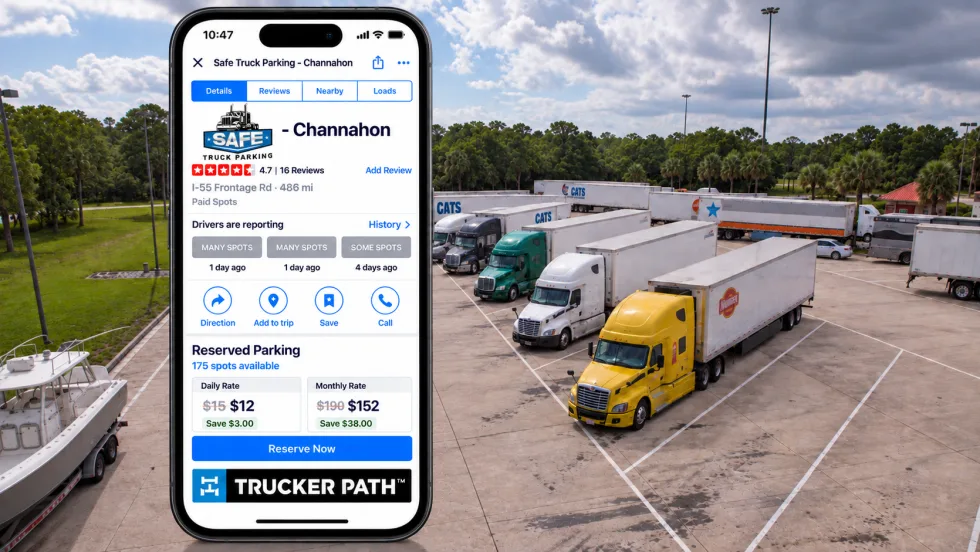
Trucker Path Expands Reserved Parking Network
Trucker Path has added close to 6,000 more truck parking spaces to its Trucker Path Reserved Parking Network with the addition of Safe Truck Parking.
Read More →
EEOC Sues Texas Trucking Company Over Driver Age Limits
The agency says Trancasa USA rejected applicants over 65 and applied tougher driving-record standards to those over 60.
Read More →
Nussbaum, Roehl Announce Second Driver Pay Increase This Year
This year has seen a swath of major truck driver pay increases as freight capacity has tightened.
Read More →
From One Generation to the Next: How Mentorship Builds Safer Truck Drivers
After three decades in trucking, Harold Perry shares what he's learned about driver safety, mentorship, and helping the next generation build confidence behind the wheel.
Read More →
Truck Drivers Need More Than Another Alert
Fleets have more visibility into truck health, safety events, and driver activity than ever. The next challenge is turning all that information into useful guidance for the person who has to decide what to do next.
Read More →
FMCSA Removes 110 Truck Driver Training Schools from Certified ELDT List
Federal regulators also are targeting more than 160 additional training providers and launching a nationwide audit of third-party CDL skills testers as part of a broader crackdown on trucking fraud.
Read More →
Hours of Service Pilot Programs: FMCSA Readies for 2027 Rollout
Two pilot programs could eventually reshape hours-of-service rules, giving truck drivers options to pause their 14-hour clock or use longer split sleeper rest periods.
Read More →
Medical Cards, English Proficiency Reshape Roadcheck Violations
Medical-card violations jumped to the top of the driver out-of-service list during CVSA’s 2026 International Roadcheck, while English-language proficiency violations appeared among the leading violations for the first time.
Read More →