




DOT Pressing to Keep Hours of Service Reform in Gear
With a deadline looming for resolution of the hours of service impasse in Congress, the search for a compromise is heating up. DOT officials are speaking privately to congressional leaders and interest groups about ways to keep the rulemaking in motion, while accommodating concerns about the proposed rule’s cost and effectiveness
With a deadline looming for resolution of the hours of service impasse in Congress, the search for a compromise is heating up.
DOT officials are speaking privately to congressional leaders and interest groups about ways to keep the rulemaking in motion, while accommodating concerns about the proposed rule’s cost and effectiveness.
DOT originally wanted to finish the rule this year. Now, according to sources with first-hand knowledge, its objective is to keep the rulemaking process alive in hopes of getting the rule out next year. In fact, DOT Secretary Rodney Slater has predicted that the rule will not move until the middle of next year.
The proposed rule restructures the daily and weekly work schedule of truck and bus drivers in order to reduce fatigue-related accidents. DOT contends it would make the industry safer and save lives. Companies and drivers contend it would in fact decrease safety – and is unreasonably expensive.
DOT’s strategy is to offer a range of alternatives to a provision in a Senate bill that would cut off funding for the rulemaking for a year. That provision was inserted in the Senate’s DOT appropriations bill by Sen. Richard Shelby, R-AL, at the request of the American Trucking Associations.
DOT at first tried to get that language stripped from the bill. Now, sources say, it is aiming for compromise language in order to show that it is flexible and open to change.
One alternative under discussion is to let the Federal Motor Carrier Safety Administration continue working on the rule, but not post a final rule until a date certain next year.
Another is to activate the DOT Motor Carrier Advisory Committee that was chartered in the truck safety law Congress passed late last year. Under the law, the committee would include representatives of the trucking industry, safety advocates and the enforcement community – with no group having a majority.
In theory, the committee would thrash out alternatives to details in the proposed rule. One approach informally suggested by sources inside and outside DOT is to simplify the proposal by separating it into pieces – spinning off the requirement for electronic driver logs into a separate rule, for example.
A third alternative is to try to negotiate the rule. That approach was tried and abandoned last year because of opposition from labor and safety advocacy groups – but a DOT source said the department is willing to try again.
There is a deadline for these discussions. The DOT appropriations bill needs to clear both House and Senate by the end of the fiscal year, September 30. But it is stalled by DOT’s opposition and concern in the House over the hours-of-service provision, and a provision that would force all states to adopt a .08 blood-alcohol concentration as their limit for drunk driving.
Leading the House charge against the provision is Rep. Frank Wolf, R-VA, a strong advocate of tougher safety regulation.
In its effort to keep the process moving, DOT is supported by a half-dozen interest groups, including the Teamsters and the Commercial Vehicle Safety Alliance. In a July 20 letter to Sen. Shelby, the groups said that while they do not agree with all the details in the rule, they do want the reform process to continue.
“We strongly believe that an open, democratic process in which all interested parties publicly participate is essential in order to reform this antiquated rule,” they wrote.
CVSA, whose members include the police officers who will have to enforce the rule, has grave concerns about the effectiveness of the proposal – yet it wants the process to go forward, a staff member said.
Besides the Teamsters, the other signatories are: Advocates for Highway and Auto Safety, the AFL-CIO, the Transport Workers Union, the American Insurance Assn. and the Union of Needletrades, Industrial and Textile Employees.
More Drivers

Competition Heating Up for Truck Drivers
New report reveals rising driver hiring costs, the return of sign-on bonuses, growing AI advantages, and the operational factors shaping driver retention.
Read More →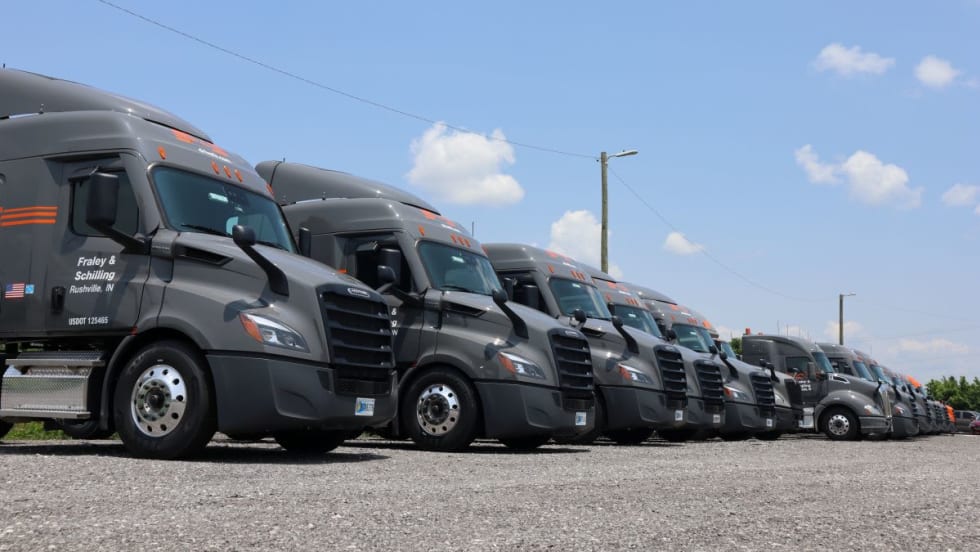
How Fraley & Schilling Improved Logbook Compliance by Over 50%
Fraley & Schilling needed a way to close a compliance workflow gap in its ELD system without adding more work from driver training, reminders, and back-office follow-ups. It found the answer in a custom driver app.
Read More →
Volvo Goes Gaming
Volvo has roared into American Truck Simulator with two new flagship trucks.
Read More →
What the Best Fleets to Drive For Teach About Driver Retention
Survey fatigue, AI-powered routing, owner-operator expectations, and the decline of social media all emerged as themes from this year's Best Fleets to Drive For program.
Read More →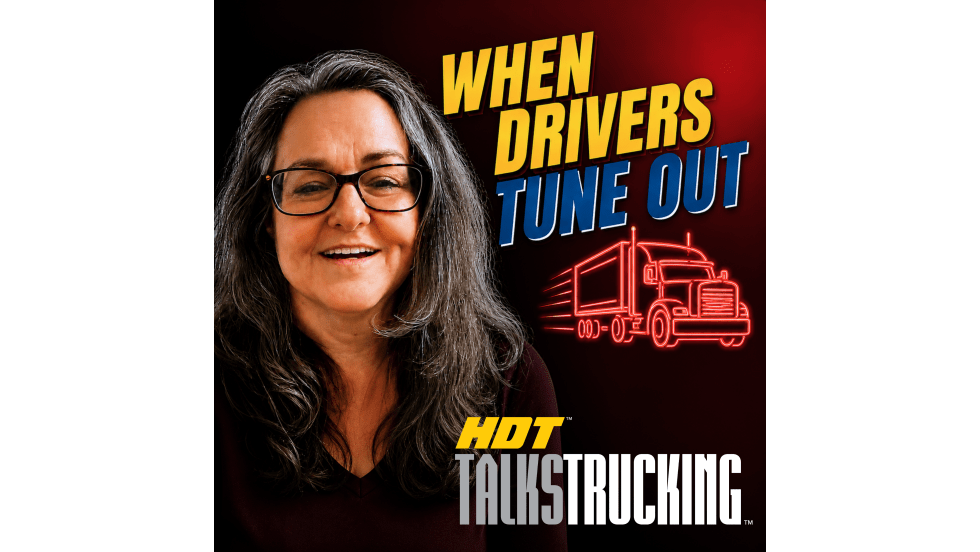
Driver Retention Lessons From the Best Fleets to Drive For
What separates trucking's best workplaces from the rest? Jane Jazrawy shares the biggest lessons from this year's Best Fleets to Drive For program on driver retention, communication, AI, and workforce trends on the HDT Talks Trucking podcast.
Read More →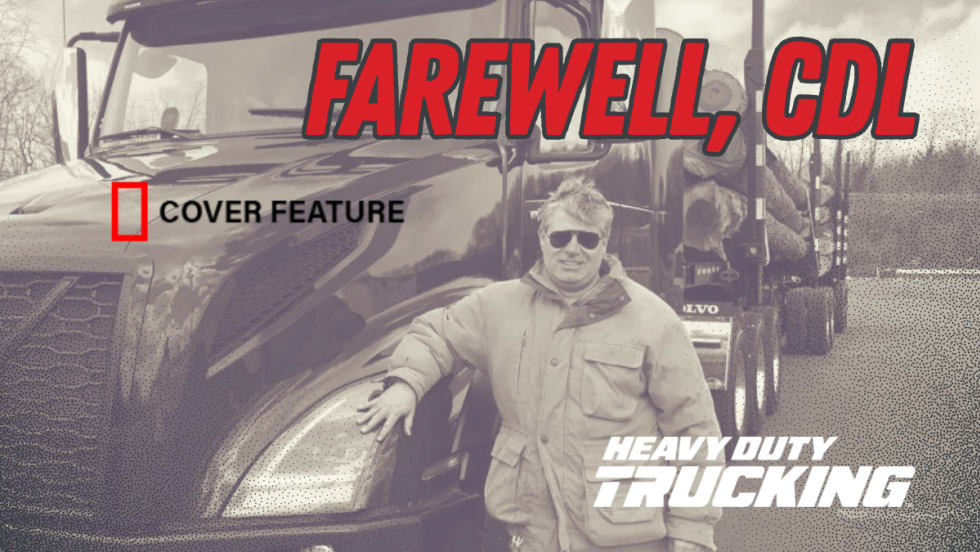
Farewell, CDL: Why I'm Giving Up My Commercial Driver's License
After more than 20 years as a CDL holder, HDT Executive Editor Jack Roberts is letting his commercial license expire. Not because he wants to — but because trucking's nuclear verdict crisis has made the risks of public-road test drives too great for editors, manufacturers, and everyone involved.
Read More →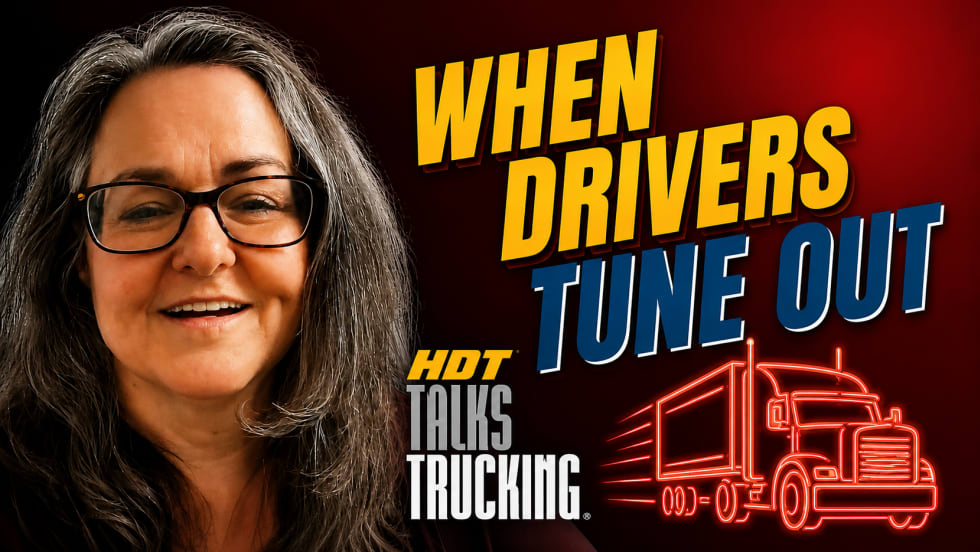
How Top Trucking Fleets Improve Driver Retention [Video]
What do healthy snacks, optimized routing, and just picking up the phone have in common? They're all strategies the Best Fleets to Drive For are using to retain truck drivers.
Read More →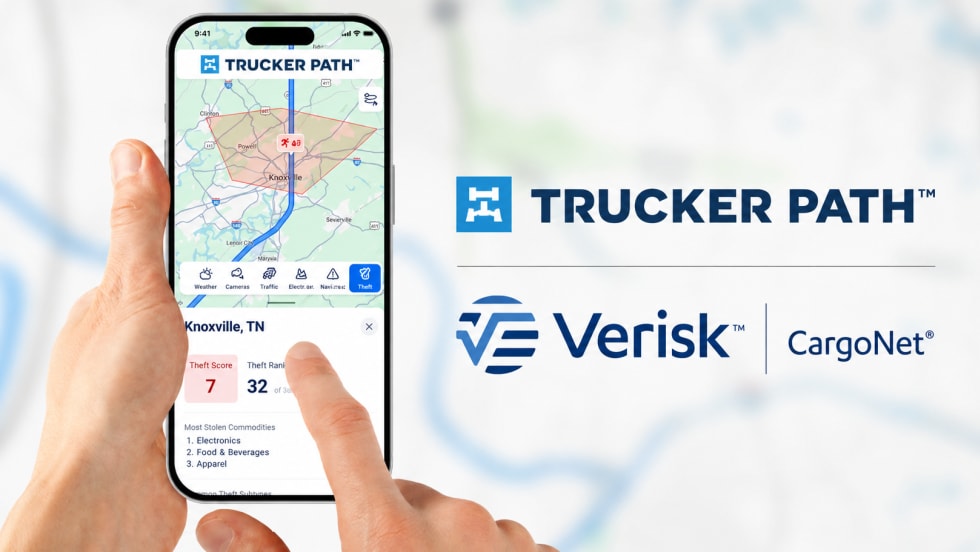
Trucker Path Adds Verisk CargoNet Theft Data to Navigation Platform
Trucker Path’s new cargo theft risk overlays give drivers and fleets visibility into high-risk areas, stolen commodity trends, and theft hotspots.
Read More →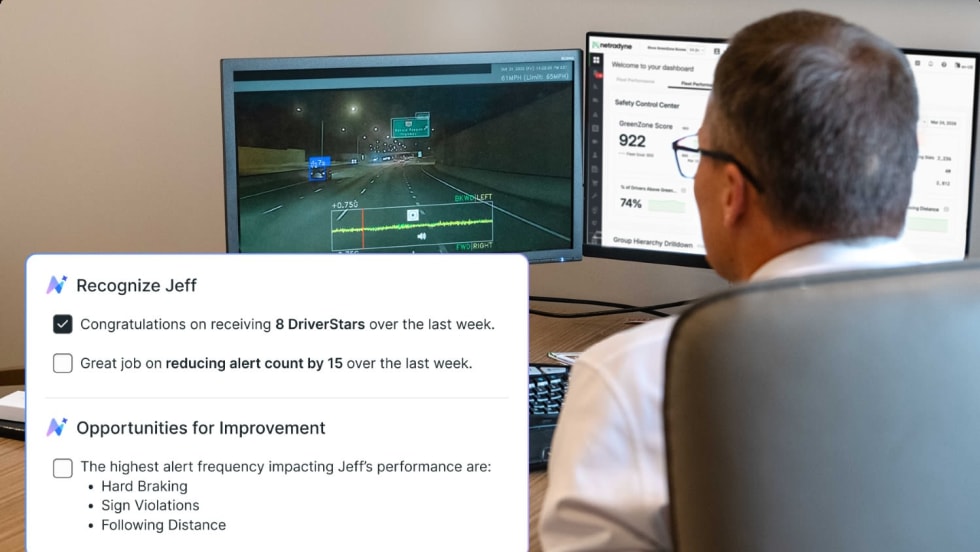
Netradyne Intelligence Uses New AI Agents to Automate Response to In-Cab Camera Data
The company called the next-generation in-cab camera safety platform "a fundamental shift from systems that report on what happened to systems that actively drive what should happen next."
Read More →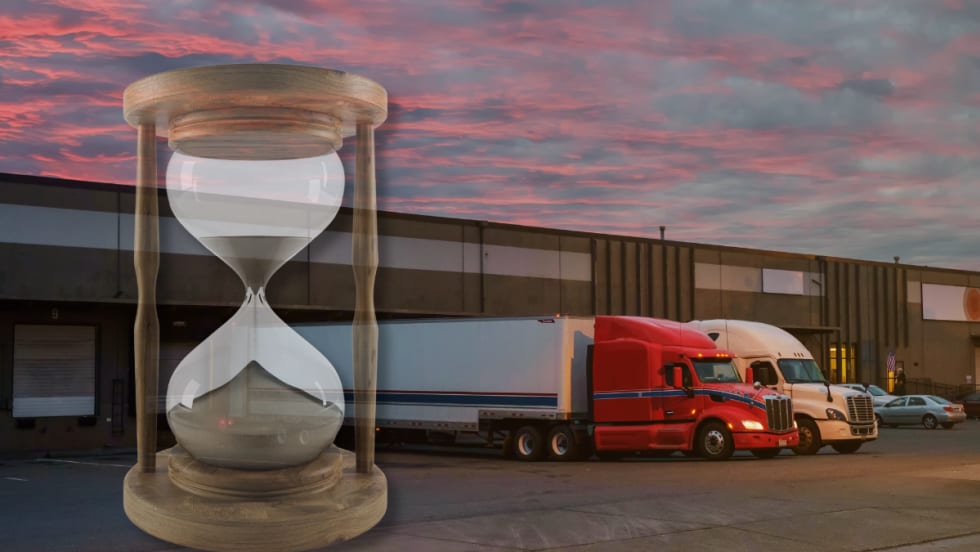
Why Truck Detention Keeps Costing Fleets Time and Money
A 2024 ATRI study found detention affects nearly 40% of truckload stops and costs the industry more than $15 billion annually. Despite the toll on drivers, fleets, and supply chains, the problem remains stubbornly persistent.
Read More →