




DOT Establishes ITS Evaluation Guidelines
Government agencies and private companies interested in tapping into the $211 million in federal funds available for intelligent transportation system projects will have to comply with new evaluation guidelines established by the Department of Transportation
Government agencies and private companies interested in tapping into the $211 million in federal funds available for intelligent transportation system projects will have to comply with new evaluation guidelines established by the Department of Transportation.
The guidelines, ordered by Congress when it appropriated ITS funds for 2000, establish general criteria for evaluations and reporting. A key objective is to assure objectivity and uniformity.
Increased funding for the ITS program was included in the Transportation Equity Act for the 21st Century (TEA-21) and is intended to bring technology from the research and test stages to actual use. The general goal is to increase safety and efficiency of the nation's transportation network - including freight and passenger transportation - and to reduce negative impacts (congestion, pollution, etc.) on communities and the environment.
Project categories are defined in the procedural guidelines. Commercial Vehicle Intelligent Transportation System Infrastructure Deployment, for instance, is aimed at improving the safety and productivity of commercial vehicles and drivers through ITS. Priority areas include improved efficiency of enforcement, registration, driver licensing and fuel tax information. However, the guidelines do not recommend specific technologies or systems to be tested and are not intended to determine what projects will receive funding.
General recommendations for evaluating projects, setting goals, and establishing test plans were published in the September 20, 1999, Federal Register, available on the Internet at http://www.access.gpo.gov/su_docs/aces/aces140.html. A more detailed ITS Evaluation Resource Guide is available on the ITS Joint Program Office web site (http://www.its.dot.gov) through the Program Assessment/Evaluation link.
More Drivers

Putting Mack’s Command Steer to the Test
A test drive of Mack’s Command Steer active steering system evaluates how it can make truck driving easier and less tiring.
Read More →
Competition Heating Up for Truck Drivers
New report reveals rising driver hiring costs, the return of sign-on bonuses, growing AI advantages, and the operational factors shaping driver retention.
Read More →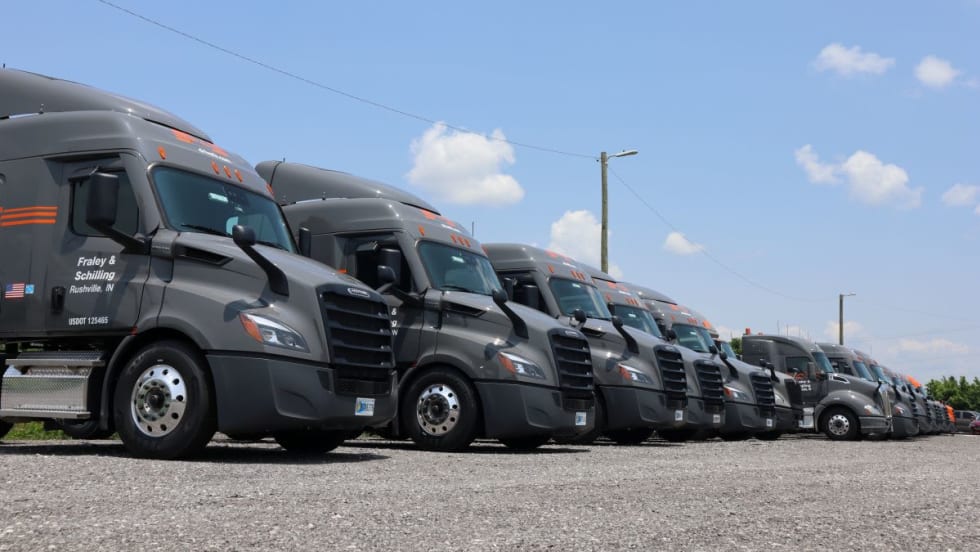
How Fraley & Schilling Improved Logbook Compliance by Over 50%
Fraley & Schilling needed a way to close a compliance workflow gap in its ELD system without adding more work from driver training, reminders, and back-office follow-ups. It found the answer in a custom driver app.
Read More →
Volvo Goes Gaming
Volvo has roared into American Truck Simulator with two new flagship trucks.
Read More →
What the Best Fleets to Drive For Teach About Driver Retention
Survey fatigue, AI-powered routing, owner-operator expectations, and the decline of social media all emerged as themes from this year's Best Fleets to Drive For program.
Read More →
Driver Retention Lessons From the Best Fleets to Drive For
What separates trucking's best workplaces from the rest? Jane Jazrawy shares the biggest lessons from this year's Best Fleets to Drive For program on driver retention, communication, AI, and workforce trends on the HDT Talks Trucking podcast.
Read More →
Farewell, CDL: Why I'm Giving Up My Commercial Driver's License
After more than 20 years as a CDL holder, HDT Executive Editor Jack Roberts is letting his commercial license expire. Not because he wants to — but because trucking's nuclear verdict crisis has made the risks of public-road test drives too great for editors, manufacturers, and everyone involved.
Read More →
How Top Trucking Fleets Improve Driver Retention [Video]
What do healthy snacks, optimized routing, and just picking up the phone have in common? They're all strategies the Best Fleets to Drive For are using to retain truck drivers.
Read More →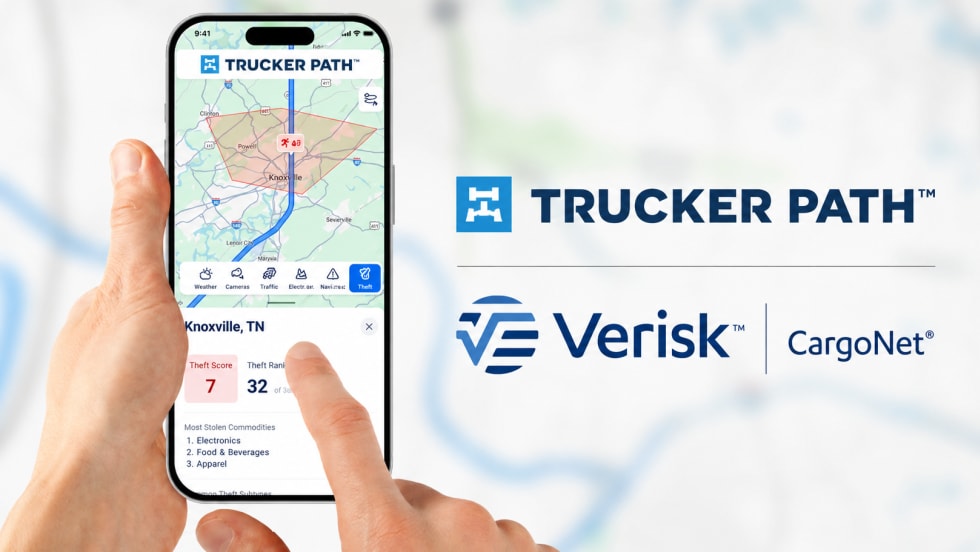
Trucker Path Adds Verisk CargoNet Theft Data to Navigation Platform
Trucker Path’s new cargo theft risk overlays give drivers and fleets visibility into high-risk areas, stolen commodity trends, and theft hotspots.
Read More →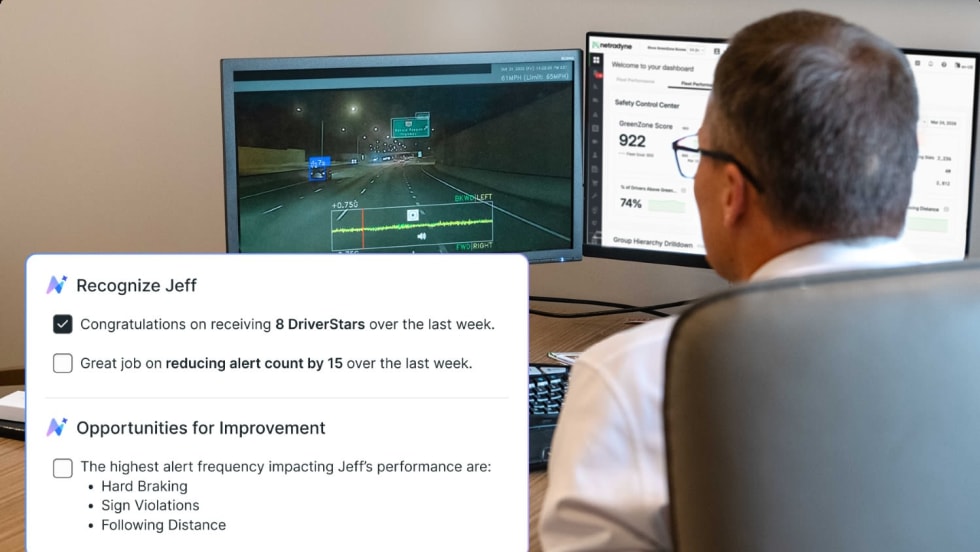
Netradyne Intelligence Uses New AI Agents to Automate Response to In-Cab Camera Data
The company called the next-generation in-cab camera safety platform "a fundamental shift from systems that report on what happened to systems that actively drive what should happen next."
Read More →