




Distraction Was Key in Chesapeake Bay Bridge Crash
A distracted truck driver failed to slow down, stuck the car ahead of him and pushed it off the Chesapeake Bay Bridge into the water 27 feet below. That’s the official National Transportation Safety Board conclusion in its analysis of the July 19, 2013, accident. The car’s driver managed to get out of the sinking vehicle and swim to safety with minor injuries.
A distracted truck driver failed to slow down, stuck the car ahead of him and pushed it off the Chesapeake Bay Bridge into the water 27 feet below.
That’s the official National Transportation Safety Board conclusion in its analysis of a July 19, 2013, accident. The car’s driver managed to get out of the sinking vehicle and swim to safety with minor injuries.
In its final report on the accident, the Board said the truck driver did not see the traffic slowing ahead of him because he was looking into his side mirror.
Two contributing factors were that the truck driver was not familiar with traffic flows on the bridge, and an unusual set of collision dynamics, the Board said.
The truck driver has said he was looking at his driver-side mirror because there were sounds and lights behind him, and when he looked forward again the cars ahead of him had stopped and he could not avoid the collision.
His truck pushed the car and its driver, a 24-year-old woman, up onto the bridge barrier. The crash broke a window, through which the woman escaped after the car hit the water. She swam to a bridge piling and waited there until she was rescued.
The incident attracted attention in the Washington, D.C.-Baltimore area, in part because the bridge can be an intimidating passage for some motorists.
At 4.3 miles, the bridge is one of the longest over-water spans in the world. It rises 186 feet above the Bay’s main shipping channel to accommodate ocean-going traffic to and from the Port of Baltimore. And it carries heavy traffic volumes, connecting the western side of the Bay to shore points in Delaware, Maryland and Virginia.
Some motorists find these features so daunting that they’ll pay $25 to have someone drive them across.
The truck was based in Canada, owned by Bulk Carriers PEI Limited. Its driver was on his first solo run without a more experienced driver, NTSB reported. He was a recent émigré from Hungary to Canada under a Canadian temporary foreign worker permit.
In the past decade there have been 624 crashes on the bridge, with five fatalities.
According to the Maryland Transportation Authority, the crash rate on the bridge is significantly lower than on other state roadways. Between 2008 and 2011, the bridge averaged 43 crashes per 100 million miles traveled, compared to 166 crashes per 100 million VMT statewide.
NTSB reported that the Maryland Transportation Authority is going to start requiring vehicles to turn on headlights when they cross the bridge. Other safety measures will include new speed limit signs and curve warnings, as well as flashing lights to warn of congested traffic ahead.
More Fleet Management
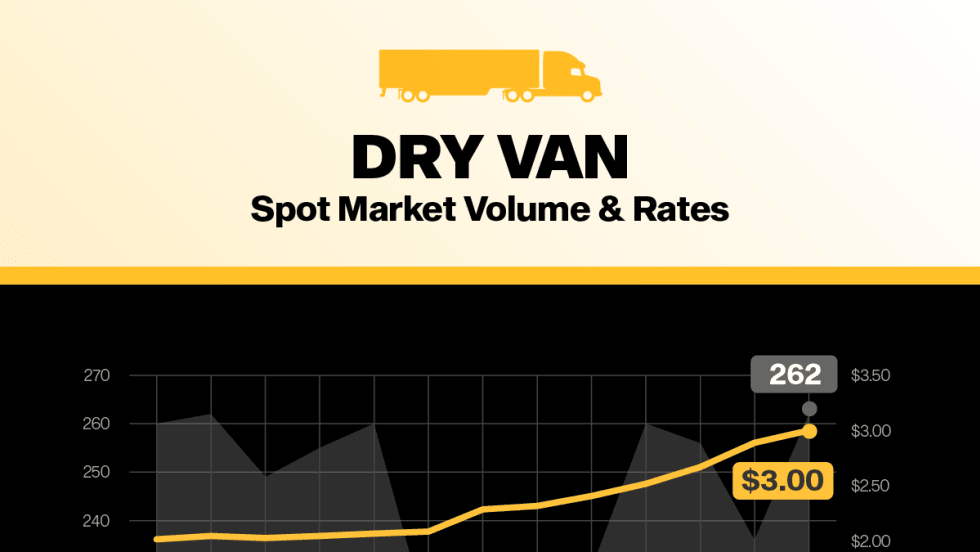
Van Spot Rates Top Contract Rates for First Time Since 2022
There’s more good economic news for the North American trucking industry according to the latest Truckload Volume Index report from DAT.
Read More →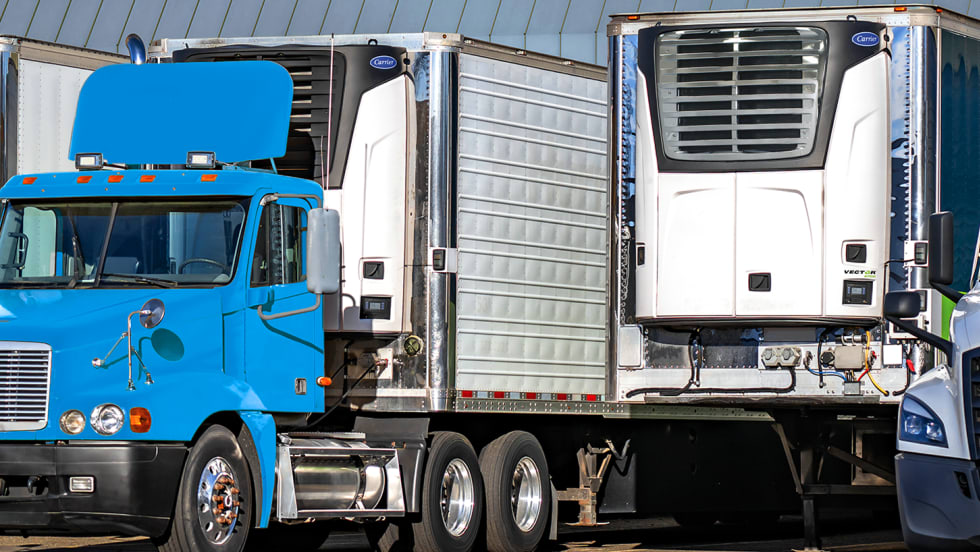
Carrier Transicold Extends Refrigerated Trailer Life
Fleet Refresh enables refrigerated fleets to replace aging transport refrigeration units instead of entire trailers, while adding Lynx Fleet telematics and BluEdge service coverage.
Read More →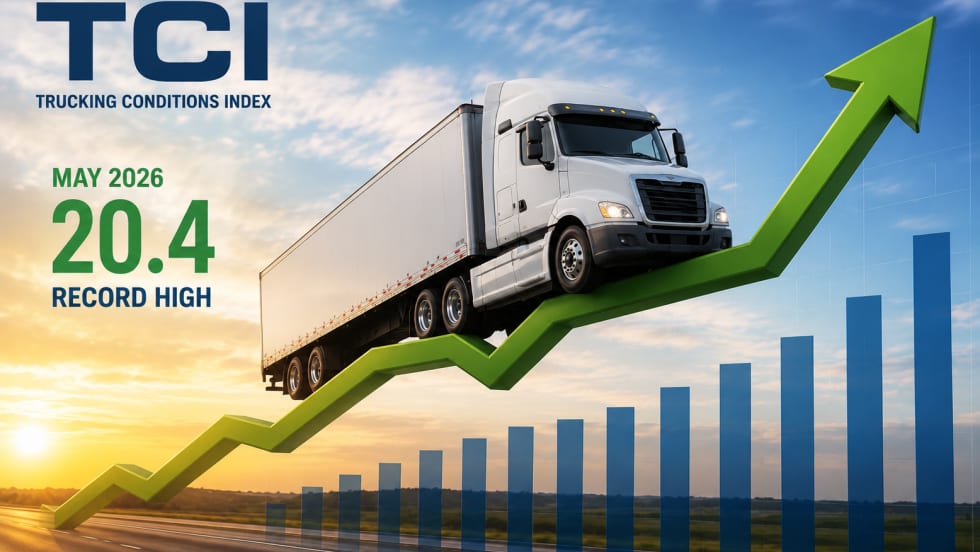
FTR Says Freight Rates Surged in May
FTR's Trucking Conditions Index surged to a record high in May, the analytics firm reports.
Read More →

Meet HDT's Truck Fleet Innovators at Heavy Duty Trucking Exchange
Heavy Duty Trucking Exchange brings fleet managers and suppliers together for the deeper conversations that lead to ideas, partnerships, and solutions. Time is running out to apply for HDTX, September 23-25.
Read More →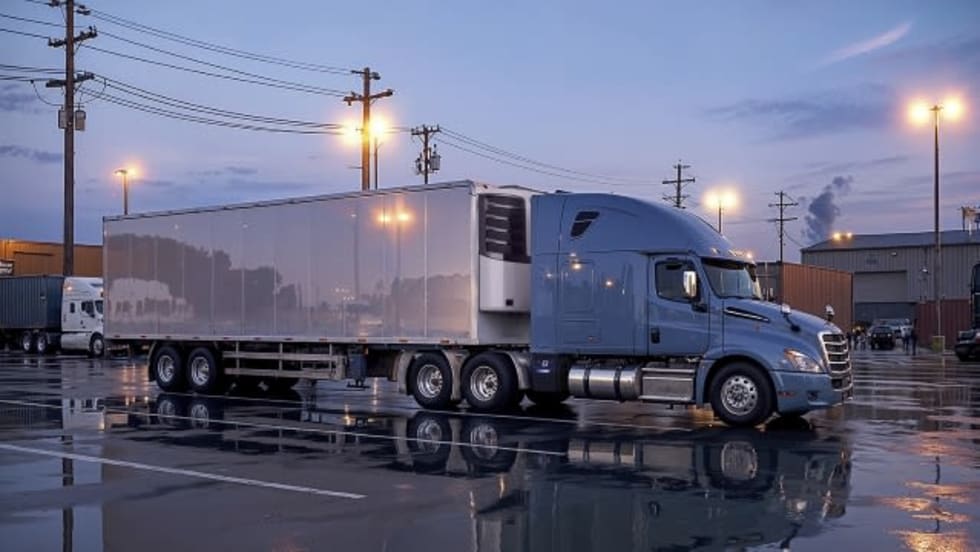
Enhance Fleet Performance with High-Efficiency Auxiliary Power Units
Drive sustainable cost savings while increasing driver comfort during short- and long-haul logistics operations.
Read More →
Is Your Parts Procurement Process Reactive or Proactive?
Ready to revamp your parts procurement process? Learn how now with “Strategic Parts Purchasing: A Process Checklist”
Read More →
What Trucking Events are Happening in 2026?
Looking for trucking-related conventions, expos, and other events? Heavy Duty Trucking has developed this list of national and larger regional trucking shows and events.
Read More →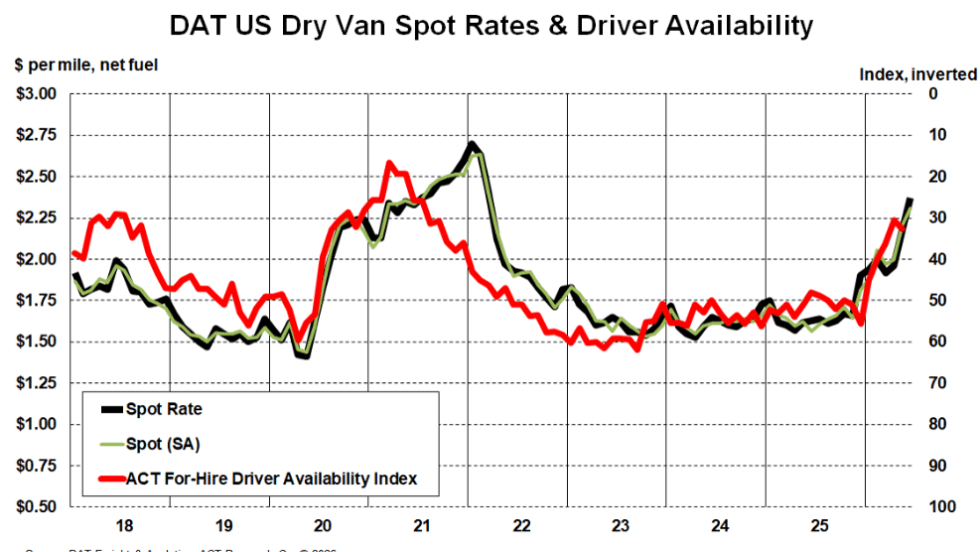
Truckload Rates Keep Rising as Tight Capacity Fuels Freight Market Recovery
Spot and contract rates continued climbing in May and June, not because freight demand is surging, but because fewer trucks and drivers are available.
Read More →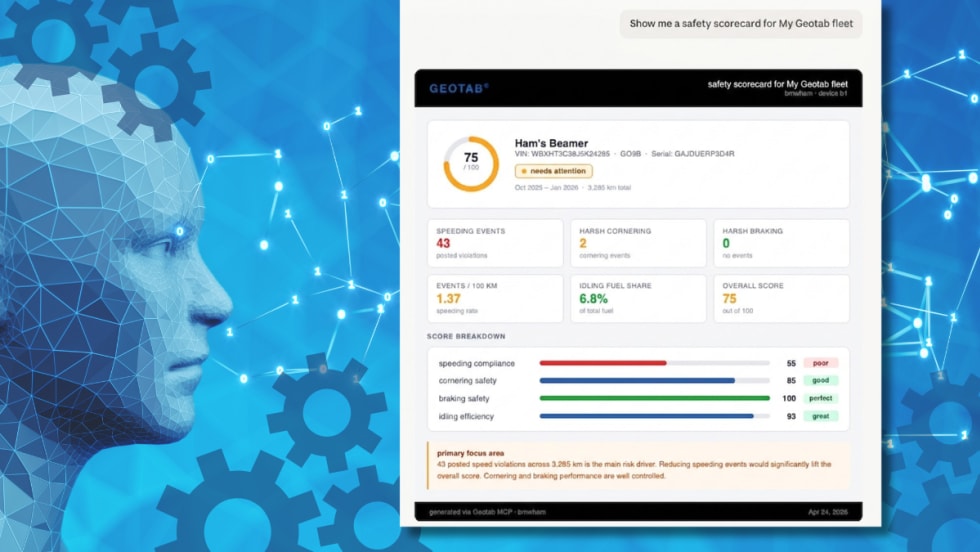
What Geotab's New AI Connector Means for Fleets
Fleets can now ask their usual AI assistants questions about maintenance, safety, fuel use, and vehicle performance, using their live Geotab data, and take action on the answers without leaving their preferred AI tool.
Read More →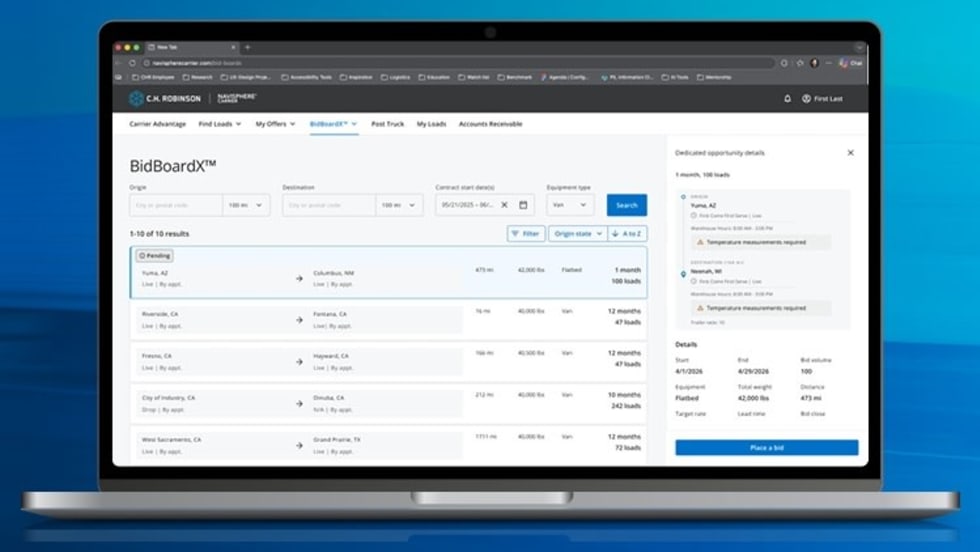
New C.H. Robinson Tool Opens Door to More Predictable Freight
BidBoardX lets carriers search, bid on, and secure committed freight opportunities through a single digital marketplace.
Read More →