




Digital Tachograph Said to Meet Proposed Onboard Recorder Requirement
A major supplier of truck components has a device that may change the argument over using electronic recorders to track driver hours. The recorders are a major bone of contention in the proposed changes to the hours of service rules. Truckers are up in arms about a provision that would replace paper logs with onboard recorders for longhaul and regional operators. The contention swirls around two issues: purpose and expense.
A major supplier of truck components has a device that may change the argument over using electronic recorders to track driver hours.
The recorders are a major bone of contention in the proposed changes to the hours of service rules. Truckers are up in arms about a provision that would replace paper logs with onboard recorders for longhaul and regional operators.
The contention swirls around two issues: purpose and expense.
The agency estimates that 40% to 75% of these drivers violate the current rules in one way or another, and expects recorders to make a dramatic change in their attitude about compliance. It also estimates that truckers would pay about $1,100 per truck to buy the devices and teach drivers to use them.
Truckers, on the other hand, say the devices are intrusive, will not improve safety and should not be mandated.
Truckers also say that the agency has underestimated the cost, but on that point, it appears that both sides may be off the mark.
At a recent public hearing on the proposed rules, Tony Reynolds, product manager for VDO North America, said his company has a device that costs between $300 and $500.
It’s a digital tachograph that tracks all the key information that the safety agency wants, including driver identification, time on duty, break time and distance traveled.
The device costs about $300 as original equipment and $500 as a retrofit, Reynolds said. Original installation takes about 40 minutes, while retrofit takes about two hours, he said.
The DTCO 1380, as it is designated, will become the standard – and mandatory – tracking device in the European Union starting this year. It will replace the mechanical tachograph that EU truckers have been required to use since 1970.
The device has two smart-card readers – one for the driver and co-driver, and the other for administration and enforcement. The cards, which are unique to each individual, are used to enter and extract data. They cost from $1 to $2, Reynolds said.
The device also has a built-in printer for in-cab reports, a screen that displays information and a keypad for entering data. The cards and the device each store 30 days’ data. Reynolds said that in the EU, the driver’s card will bear his photo for identification.
The basic unit just handles driver hours, but it comes with standard interfaces for global positioning, logistics systems and telemetric systems.
All EU trucks weighing more than 3.5 tons are required to use tachographs. According to Reynolds, the devices have contributed to significant safety improvements. He reported, for example, that Germany experienced a 160% increase in kilometers traveled between personal-injury accidents between 1970 and 1990 – thanks in part to strict enforcement of tachograph requirements.
More Drivers

Competition Heating Up for Truck Drivers
New report reveals rising driver hiring costs, the return of sign-on bonuses, growing AI advantages, and the operational factors shaping driver retention.
Read More →
How Fraley & Schilling Improved Logbook Compliance by Over 50%
Fraley & Schilling needed a way to close a compliance workflow gap in its ELD system without adding more work from driver training, reminders, and back-office follow-ups. It found the answer in a custom driver app.
Read More →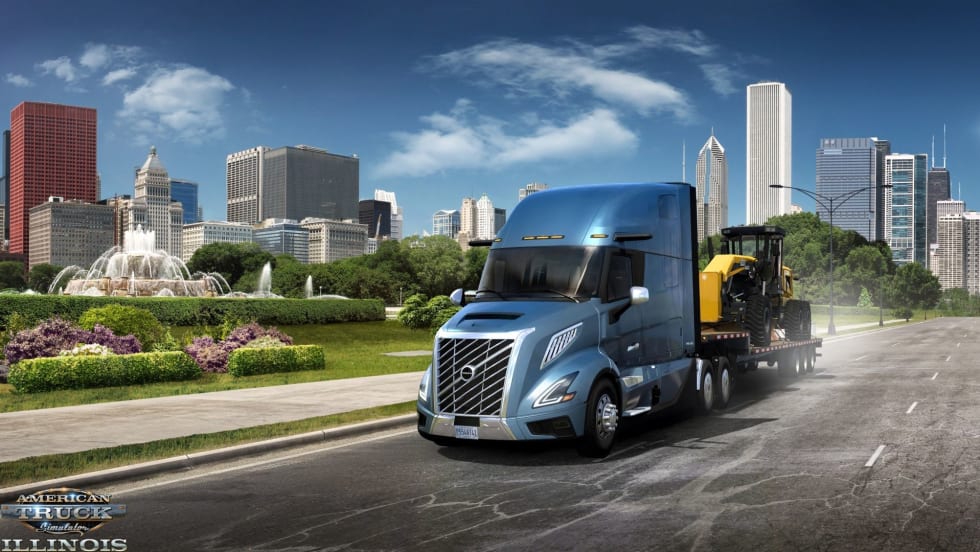
Volvo Goes Gaming
Volvo has roared into American Truck Simulator with two new flagship trucks.
Read More →
What the Best Fleets to Drive For Teach About Driver Retention
Survey fatigue, AI-powered routing, owner-operator expectations, and the decline of social media all emerged as themes from this year's Best Fleets to Drive For program.
Read More →
Driver Retention Lessons From the Best Fleets to Drive For
What separates trucking's best workplaces from the rest? Jane Jazrawy shares the biggest lessons from this year's Best Fleets to Drive For program on driver retention, communication, AI, and workforce trends on the HDT Talks Trucking podcast.
Read More →
Farewell, CDL: Why I'm Giving Up My Commercial Driver's License
After more than 20 years as a CDL holder, HDT Executive Editor Jack Roberts is letting his commercial license expire. Not because he wants to — but because trucking's nuclear verdict crisis has made the risks of public-road test drives too great for editors, manufacturers, and everyone involved.
Read More →
How Top Trucking Fleets Improve Driver Retention [Video]
What do healthy snacks, optimized routing, and just picking up the phone have in common? They're all strategies the Best Fleets to Drive For are using to retain truck drivers.
Read More →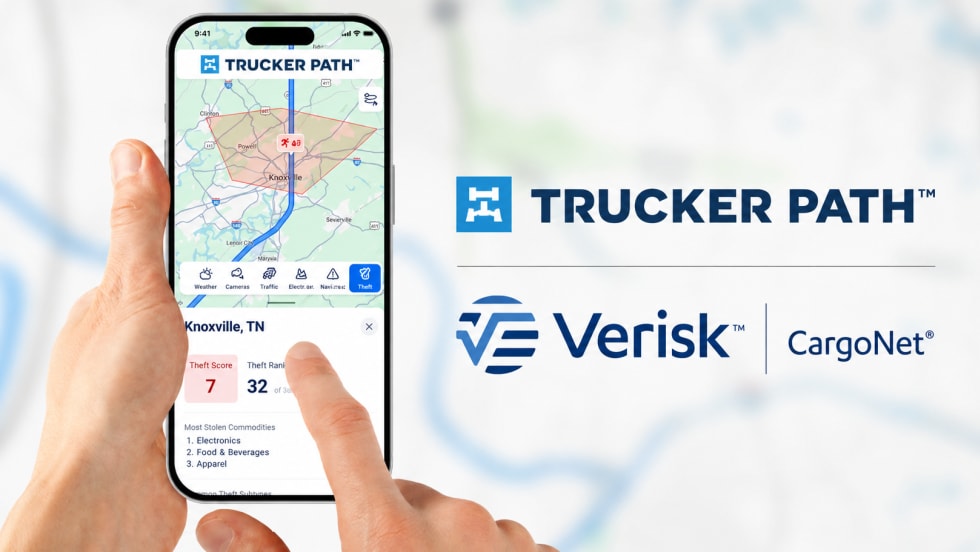
Trucker Path Adds Verisk CargoNet Theft Data to Navigation Platform
Trucker Path’s new cargo theft risk overlays give drivers and fleets visibility into high-risk areas, stolen commodity trends, and theft hotspots.
Read More →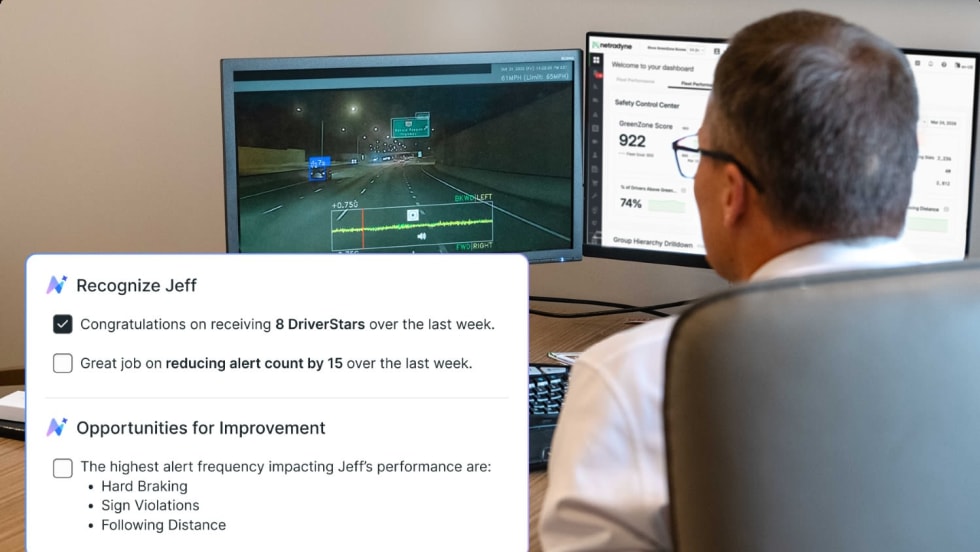
Netradyne Intelligence Uses New AI Agents to Automate Response to In-Cab Camera Data
The company called the next-generation in-cab camera safety platform "a fundamental shift from systems that report on what happened to systems that actively drive what should happen next."
Read More →
Why Truck Detention Keeps Costing Fleets Time and Money
A 2024 ATRI study found detention affects nearly 40% of truckload stops and costs the industry more than $15 billion annually. Despite the toll on drivers, fleets, and supply chains, the problem remains stubbornly persistent.
Read More →