




Diesel Under Attack
Two recent press releases show that despite making great strides in pollution reduction, diesel exhaust is still being blamed cancer and other ills, including global warming
Two recent press releases show that despite making great strides in pollution reduction, diesel exhaust is still being blamed cancer and other ills, including global warming.
A Stanford University pollution expert says the soot from diesel exhaust is a major cause of global warming. Reducing soot emissions will slow global warming faster than will reducing carbon dioxide, methane or other greenhouse gases, said Mark Jacobson, associate professor of civil and environmental engineering, in a presentation at the San Francisco meeting of the American Geophysical Union.
According to Jacobson, soot -- particles made primarily of elemental black carbon -- warms the air by absorbing sunlight and radiating the heat to the air. Soot may be the second-leading cause of global warming after carbon dioxide, he says. But controlling soot will cool climate faster than will controlling carbon dioxide because soot has a very short lifetime in the air -- weeks to months -- whereas carbon dioxide has a lifetime of 50 to 1,000 years.
Ways to address global warming due to soot, Jacobson says, include tightening standards to reduce particulate emissions by a factor of four to eight, requiring industry to come up with better particle traps and switching from diesel fuel to gasoline or hydrogen fuel cells. Jacobson does not address the issue stricter diesel emissions regulations due to come into effect within the next few years.
Meanwhile, former Sen. Robert Stafford (R-Vt.) addressed diesel and other pollution in an article in the fall edition of the Forum for Applied Research and Public Policy, published by the University of Tennessee. Stafford, who served as chairman of the Senate Committee on Environment and Public Works when he was a senator in the '70s and '80s, notes in his article that the controversial clean-diesel rule passed in the last days of the Clinton Administration "was the culmination of EPA efforts in recent years to clean up emissions from both gasoline- and diesel-fueled vehicles, including cars, buses, trucks, and sport utility vehicles, as well as the gasoline and diesel fuel itself."
However, Stafford outlined several challenges he believes are still faced in regard to emissions from gasoline and diesel engines.
For one thing, he said, "EPA still faces enormous pressure to delay or weaken the diesel sulfur and diesel engine standards. The Bush administration's emphasis on energy production underscores the threat that the rules could eventually be modified. EPA should stand firm on the standards and deadlines in the diesel rule."
Stafford believes in addition, Congress should require the mandatory retrofitting of all heavy-duty trucks and buses when engines are rebuilt.
Stafford also urged the EPA to set standards for off-road diesel engines comparable to those set for on-highway diesel trucks and buses, noting that "nonroad diesel engines collectively produce more diesel soot and smog-forming nitrogen oxides than do diesel trucks and buses."
On the heels of these announcement, the Diesel Technology Forum called for a collective effort to reduce the number of improperly maintained vehicles on the road through modern smoke-testing programs. The Forum's efforts target elected officials, government officials, the trucking and bus industries and diesel engine repair facilities in 33 states and the District of Columbia.
"Today's new clean diesel engines have been smoke-free for many years, but there are some trucks and buses on the road today that are in obvious need of repairs. It's time that government, industry and responsible diesel truck and bus operators work together to get these gross emitters to the repair shop or off the road," said Allen Schaeffer. "A smoke-free vehicle is one operating efficiently and not wasting fuel. Eliminating excessive smoke will put more money in the pockets of vehicle operators and cleaner air on our streets and in our neighborhoods. It truly is a win-win situation."
The campaign will provide resources and information tools for industry, state governments, and elected officials to learn more about smoke emissions, existing regulations and the proper maintenance of diesel vehicles, and other tools for action.
Currently, there are 17 states, and two Canadian provinces with modern smoke testing inspection programs in place, according to the Forum. They include Arizona, California, Colorado, Connecticut, Idaho, Illinois, Maine, Maryland, Massachusetts, Nevada, New Hampshire, New Jersey, New York, Oregon, Rhode Island, Utah, Washington and in Canada, British Columbia and Ontario.
The remaining states, being targeted by the campaign, have outdated or no smoke inspection programs.
More Aftermarket
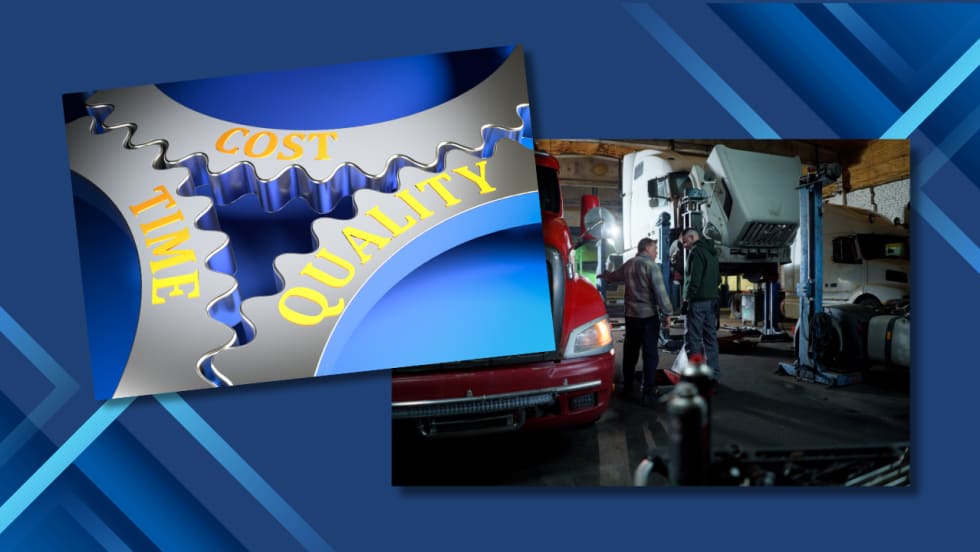
What Three Fleets Are Doing Differently When Buying Truck Parts in 2026
With freight improving but costs still climbing, fleet maintenance executives explain how they're balancing price, quality, and supplier relationships.
Read More →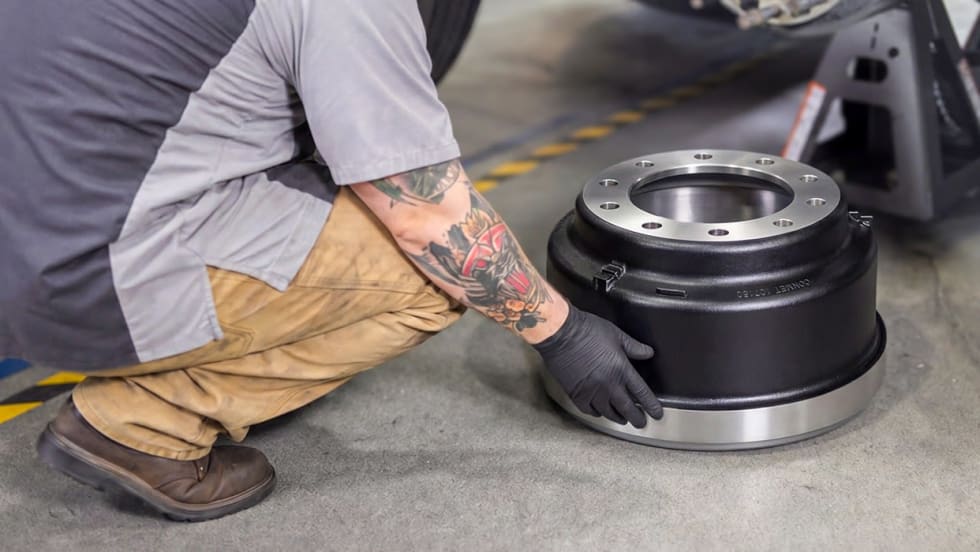
ConMet Expands Aftermarket Brake Drum Lineup With TruCast
A new heavy-duty truck brake drum option in the aftermarket gives customers more flexibility within the ConMet product family.
Read More →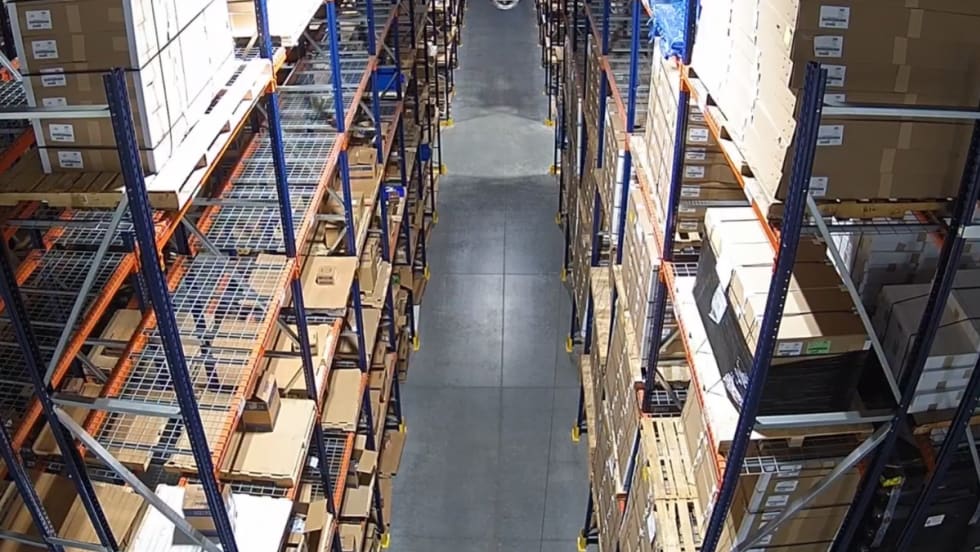
Phillips Opens High-Tech Distribution Center for Faster Parts Delivery
Phillips Industries’ new Cincinnati-area distribution center is now shipping aftermarket trucking parts nationwide, aiming to speed up delivery times for customers.
Read More →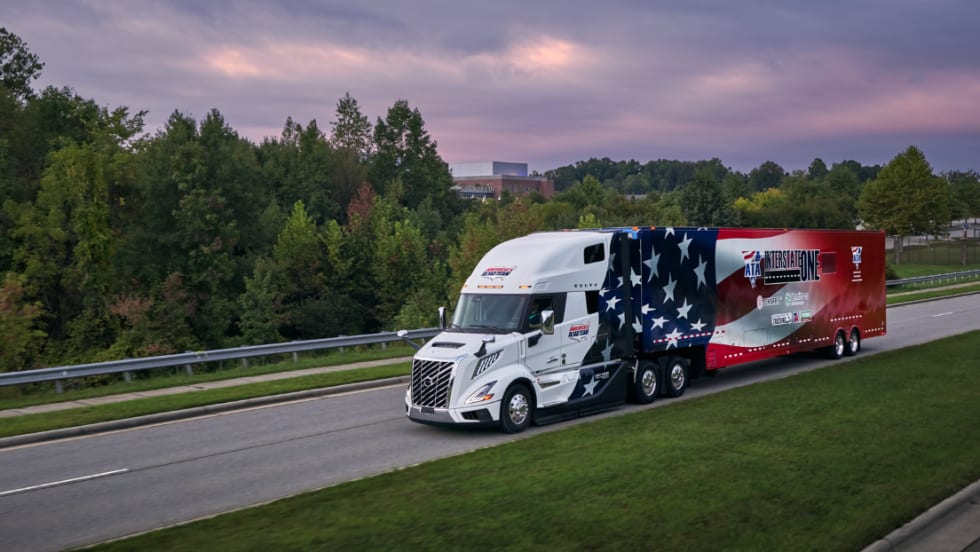
Volvo to Sponsor America’s Road Team for 2025
Volvo Trucks announced that it is extending its exclusive sponsorship of America’s Road Team for 2025.
Read More →
Webb to Start Taking Orders for UltraSet Pre-Adjusted Wheel Hubs
Webb, which recently acquired the Stemco Trifecta pre-adjusted hub program, will soon start taking orders for its replacement pre-assembled hub, the UltraSet.
Read More →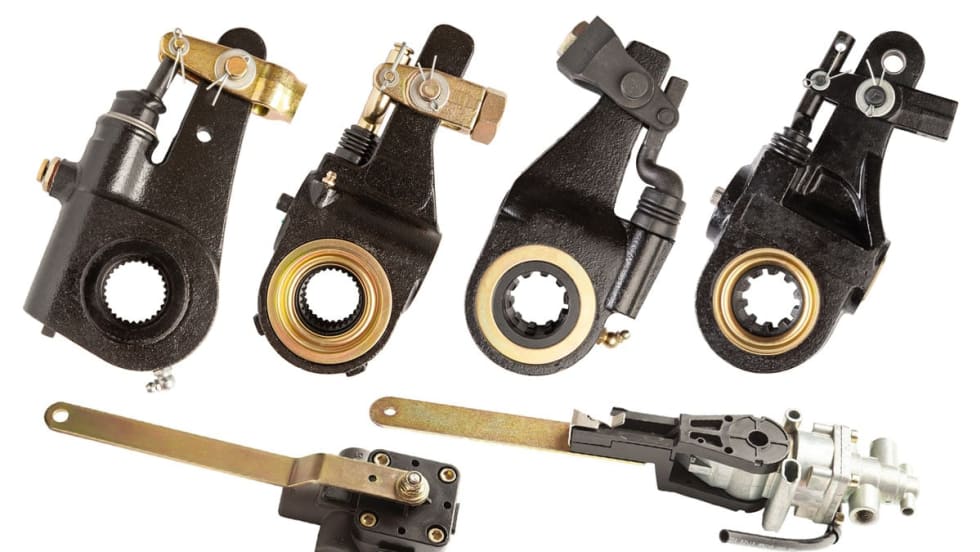
All-Makes Automatic Brake Adjusters, Ride Height Control Valves from Midland
SAF-Holland has added automatic brake adjusters and ride height control valves to its Midland All-Makes Program.
Read More →
ZF Aftermarket Expands [pro]Academy Training
ZF Aftermarket said it is expanding its ZF [pro]Academy training and will be adding 40 new modules this year.
Read More →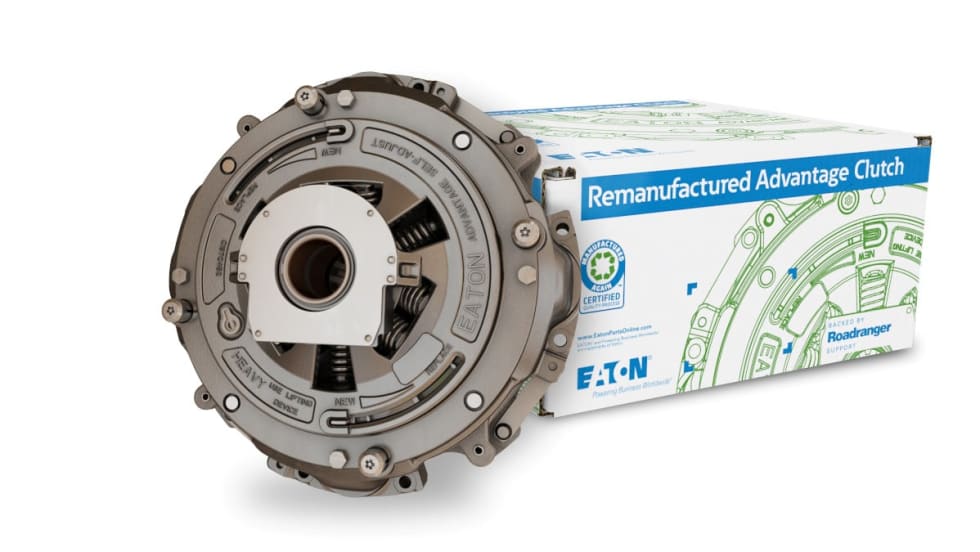
Eaton Adds Remanufactured Advantage Line of Clutches
Eaton has added its Advantage clutches to its remanufactured product line. The clutches feature a unique strap drive intermediate plate designed to allow customers to choose the latest OE specification
Read More →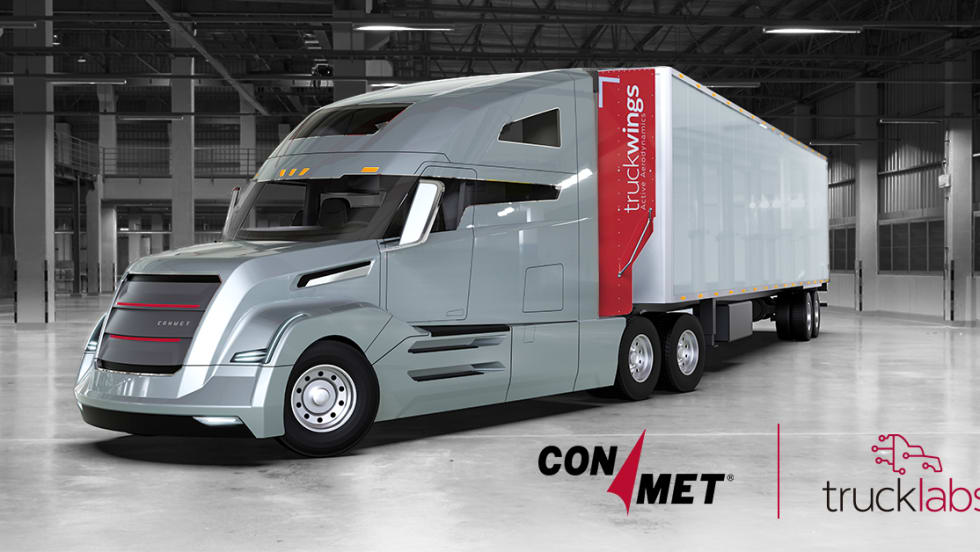
ConMet Acquires TruckLabs, the Creator of TruckWings
Commercial truck and trailer parts provider ConMet acquired TruckLabs, the company that created TruckWings, an aerodynamic device that attaches to truck cabs and deploys to close the gap between truck and trailer. TruckLabs now operates as a subsidiary of ConMet.
Read More →
Diesel Laptops Releases Fault-Code-to-Part-Number Tool
Diesel Laptops said its Truck Fault Codes allows users to input a fault code and immediately identify and order the parts needed to complete repair work.
Read More →