




Diesel Posts First Weekly Gain Since May as Oil is Over $100 Per Barrel
The national average price of diesel has posted its first increase for the first time in several weeks, following a big spike in the price of oil. This is the first increase since the week of May 20 and puts the price of diesel 14.5 cents a gallon higher than the same week a year ago.


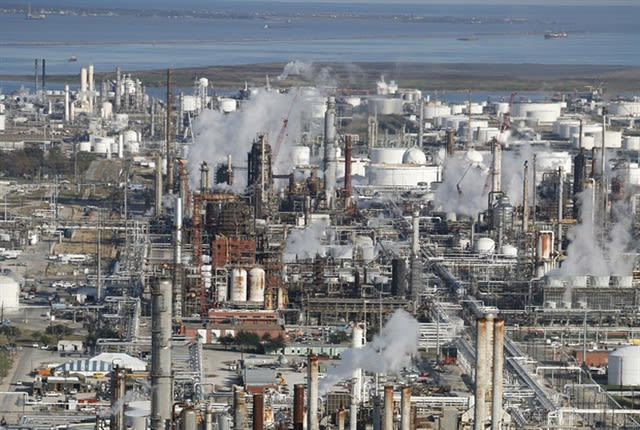
The national average price of diesel has posted its first increase for the first time in several weeks following a big spike in the price of oil.
The U.S. Energy Department says the average price of diesel increased 1.1 cent over the past week to $3.828 per gallon. This is the first increase since the week of May 20 and puts the price of diesel 14.5 cents a gallon higher than the same week a year ago. Before this week’s increase diesel had shed a little more than 7 cents.
Prices increased in all regions of the country, except in the New England sub-region of the East Coast region, falling 0.6 cents to $3.965 (also the most expensive part of the country), and 0.8 cents in the Rocky Mountain region, for an average of $3.811.
The least expensive region for diesel is the Gulf Coast, where prices rose 1.9 cents, the biggest gain of any part of the country, for an average of $3.753.
In contrast, gasoline continued its recent drop, reporting its fifth straight weekly decline. The national average of $3.492 per gallon is down 0.4 cents over the past week but 8.1 cents higher than the same week a year ago.
Gasoline prices range from $3.295 in the Gulf Coast region to $3.875 in the West Coast states.
The increase in diesel prices is hardly surprising. While oil lost 8 cents in trading Monday in New York, settling at $103.14 per barrel, prices last week jumped 6.9%, hitting $103.22 per barrel on Friday, its highest closing price since May of 2012.
The run-up in oil futures was sparked Friday by a government report showing there was a net gain of nearly 200,000 jobs in the U.S. during June, along with concerns that political instability in Egypt could result in a disruption of oil shipments through the Suez Canal, a key route for oil shipments from the Mideast.
More Drivers

From One Generation to the Next: How Mentorship Builds Safer Truck Drivers
After three decades in trucking, Harold Perry shares what he's learned about driver safety, mentorship, and helping the next generation build confidence behind the wheel.
Read More →
Truck Drivers Need More Than Another Alert
Fleets have more visibility into truck health, safety events, and driver activity than ever. The next challenge is turning all that information into useful guidance for the person who has to decide what to do next.
Read More →
FMCSA Removes 110 Truck Driver Training Schools from Certified ELDT List
Federal regulators also are targeting more than 160 additional training providers and launching a nationwide audit of third-party CDL skills testers as part of a broader crackdown on trucking fraud.
Read More →
Hours of Service Pilot Programs: FMCSA Readies for 2027 Rollout
Two pilot programs could eventually reshape hours-of-service rules, giving truck drivers options to pause their 14-hour clock or use longer split sleeper rest periods.
Read More →
Medical Cards, English Proficiency Reshape Roadcheck Violations
Medical-card violations jumped to the top of the driver out-of-service list during CVSA’s 2026 International Roadcheck, while English-language proficiency violations appeared among the leading violations for the first time.
Read More →
Driver Trust Can Make or Break the Success of Fleet Safety Technology
New Teletrac Navman research suggests that onboarding, transparency about driver data, and positive feedback can play a significant role in how commercial drivers respond to safety and coaching technology.
Read More →
EEOC Sues KLLM Over Alleged Sex Discrimination in Driver Training
KLLM is facing a federal sex-discrimination lawsuit over policies the EEOC alleges put female truck driver trainees at a disadvantage.
Read More →
FMCSA Moves to Codify English Language Requirements for Commercial Drivers
By changing regulations on English-language proficiency requirements for commercial drivers, rather than relying on a guidance memo, the FMCSA said future administrations won't be able to walk back the Trump administration's stricter enforcement with just a memo.
Read More →
Drivers Put Western Star Trucks to the Test at Star Nation Experience
Watch to get an inside look at the Western Star trucks, technology, and community behind the Star Nation Experience 2026!
Read More →
Trump Administration Looks to Put More Veterans Behind the Wheel
The Freedom Haulers program pulls together existing and expanded programs at several federal agencies to recruit veterans to drive commercial heavy-duty trucks and cut the red tape for them to get a CDL, training, and employment.
Read More →