




DHL Report Scopes out Logistics Trends to Watch
Global logistics provider DHL explores 26 key trends it contends could the impact logistics industry in the next five to ten years, in the newly released 2016 edition of its Logistics Trend Radar report.

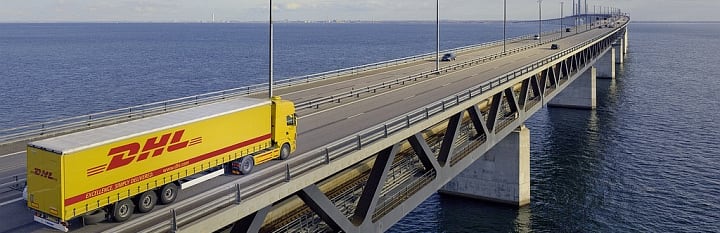
Photo: DHL

Photo: DHL
Global logistics provider DHL explores 26 key trends it contends could the impact logistics industry in the next five to ten years, in the newly released 2016 edition of its Logistics Trend Radar report.
The report provides insights and information on ongoing transformations and the latest trends likely to shape the future of logistics, including such macro trends as the changing energy and trade landscape and micro trends such as logistics startups unbundling the logistics industry.

Image: DHL
It looks in-depth at what sectors will be affected by various developments and gives time frames for potential impact or introduction over the next decade.
The 2016 edition, the third in the series, also tracks the evolution of trends spotted earlier— including ones that have faded from the scene or gone mainstream since the series started in 2013.
Here are just a dozen-and-a-half of the many noteworthy insights presented in the 55-page report:
Powered by big data-based predictive algorithms, “anticipatory logistics” enables logistics providers to significantly boost process efficiency and service quality by predicting demand before it occurs to achieve faster delivery times and enhanced capacity and network utilization.
Increasing consumer demand for personalization could lead to the mass production of highly customized goods tailored to the individual, resulting in decentralized ‘batch size one’ production. This will require supply chains to adapt rapidly to changes in time and place of production.
De-stressing the supply chain aims to reduce supply chain complexity by using the right mix of transportation modes to operate sustainably at lower cost with higher quality.
“Fair & Responsible Logistics” refers to the intersection between the need to remain competitive and the need to increase sustainability. Logistics providers can meet these demands by providing new services that generate revenue while also improving the welfare of society and the environment.
“Grey Power Logistics.” To serve the needs of an aging society, logistics will offer such new services as home delivery of medicines) to answer the resulting challenges of this demographic development.
The growing need for transparent, flexible and easily adjustable logistics services will foster the creation of disruptive digital brokerage platforms that match a variety of logistics demands with supply. Such centralized marketplaces can provide visibility on the information, rates, and services of different logistics providers.
Multi-purpose networks will utilize standard, existing networks and city infrastructure to transport and store goods, especially those that are temperature-sensitive.
“Omni-Channel Logistics.” The next generation of retail requires logistics networks tailored to the needs of each single channel. This will require logistics providers to maintain an integrated view of all customer channels and inventory, along with dynamic delivery and fulfillment options and seamless customer service
Delivery is no longer owned by larger players who set limitations on delivery times and locations. New on-demand last-mile delivery concepts utilize the power of the crowd and flexible courier workforces to enable customers to have their purchase delivered when they need it, where they need it.
3D printing is a disruptive technology that will change tomorrow‘s logistics by adding new diversity to manufacturing strategies. Innovative logistics providers can become thought leaders in orchestrating complex networks that include traditional and 3D manufacturers.
Blurring the lines between the digital and physical worlds, augmented reality (AR) will provide new perspectives in logistics planning, process execution, and transportation. By adding virtual layers of contextual information onto a heads-up display, AR empowers workers by providing the right information, at the right time, and in the right place.
Capitalizing on the value of big data offers massive potential to optimize capacity utilization, improve customer experience, reduce risk, and create new business models.
Cloud computing enables new “logistics-as-a-service” (LaaS) based business models. Logistics providers can activate and deactivate customizable, modular cloud services on demand using a pay-per-use approach.
“The Internet of Things” empowers smart objects to be active participants in self-steering, event-driven logistics processes. Logistics is one of the major industries that will benefit from the intelligent conjunction of information and material flows.
Breakthroughs in sensor and imaging technologies have resulted in a new generation of self-driving vehicles that are more flexible and reliable than ever before. From autonomous forklifts to driverless trucks, self-driving vehicles will transform logistics by unlocking new levels of safety, efficiency, and quality.
Self-learning or “machine learning” systems will become a game-changing enabler for completely autonomous data-driven optimization in logistics. With minimal/no human intervention, a self-learning system will adapt and improve its algorithms as it receives more data, improving its results over time.
Driven by rapid technological advancements, next-generation robots and automated solutions are entering the logistics workforce, supporting zero-defect processes and boosting productivity. Robots in particular will adopt collaborative roles in the supply chain, assisting workers with warehouse, transportation, and even last-mile delivery activities.
Unmanned aerial vehicles (UAVs)—a.k.a. drones-- could change tomorrow’s logistics by adding a new form of express delivery via carefully coordinated air networks. While UAVs won’t replace traditional ground-based transportation, they will provide value in areas of high traffic congestion and in remote locations.
All these and numerous other trends are analyzed in detail in the report, including key opportunities, challenges, implementation insights and timeframes.
The report can be downloaded for free.
More Fleet Management
For Nicky Cupp, Fleet Innovation Starts With Frustration
HDT Truck Fleet Innovator Nicky Cupp turns everyday pain points at Fraley & Schilling into opportunities for better technology and smarter processes.
Read More →
Adam Buttgenbach’s Approach to Electric Trucks: Start With Where They Fit
HDT Truck Fleet Innovator Adam Buttgenbach helped PepsiCo build one of North America’s largest EV fleets by focusing on where electric trucks make operational sense.
Read More →
Deen Albert: Let Automation Do the Math, People Make the Decisions
HDT Truck Fleet Innovator Deen Albert makes sure people are still at the heart of operations at Grand Island Express, even while adopting artificial intelligence tools. AI-assisted dispatch helped boost revenue 25% with the same number of trucks.
Read More →
Trimble’s New AI Agent Takes Aim at Fleet Back-Office Busywork
Arc Agent works across Trimble TMS products to automate repetitive tasks such as freight orders, maintenance, invoices, fuel costs and more.
Read More →
How HDT’s 2026 Truck Fleet Innovators Are Rethinking Fleet Operations
Meet five trucking leaders who are challenging assumptions, solving operational problems, and putting innovative ideas to work.
Read More →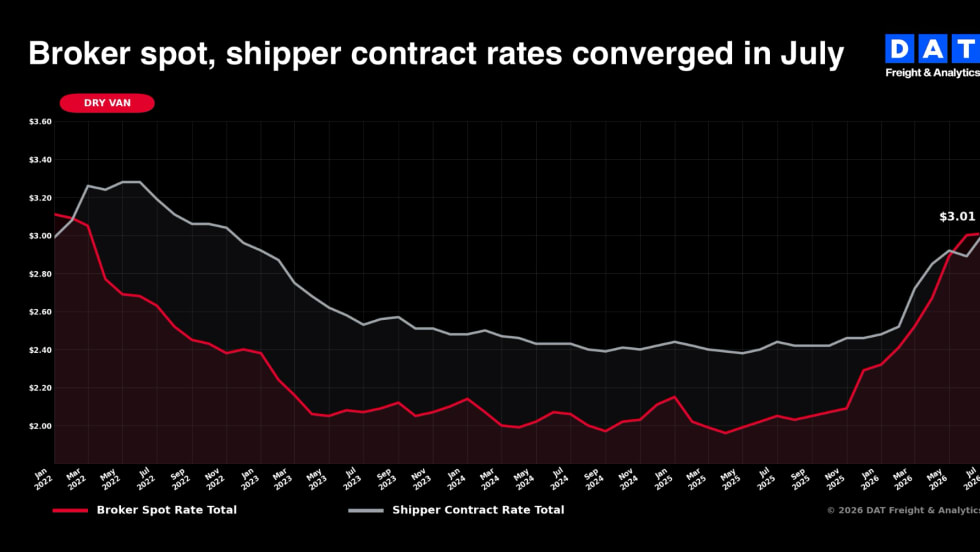
Tight Trucking Capacity Pushes Rates Higher Even as Freight Volumes Fall
“Spot rates moving ahead of contract rates have historically signaled a tightening market, but we haven’t seen a capacity-driven market quite like this one,” said DAT's Dean Croke.
Read More →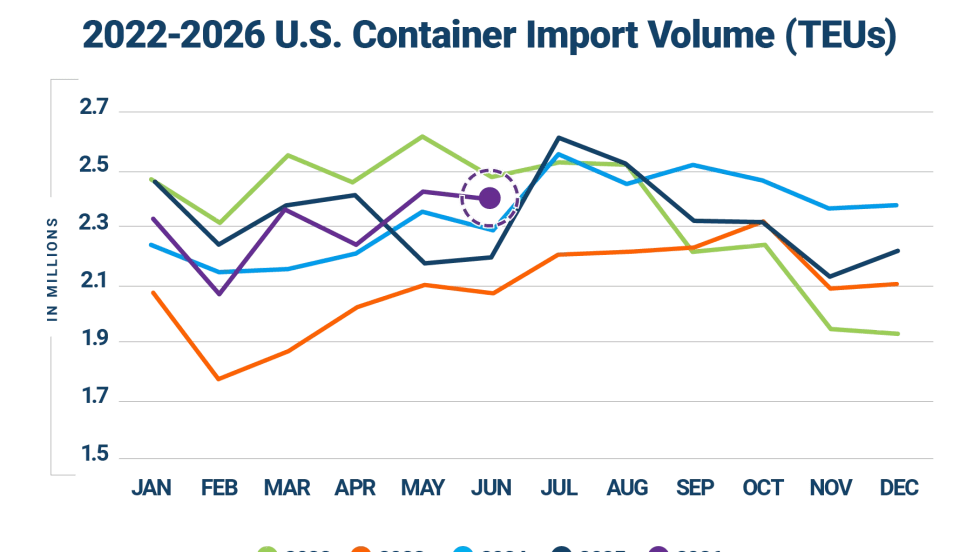
Import Cargo’s Early Peak Season is Winding Down
There was an early start to peak season this year at the nation's gateway ports, as retailers brought in merchandise ahead of tariff changes in late July and responded to other supply chain uncertainties,
Read More →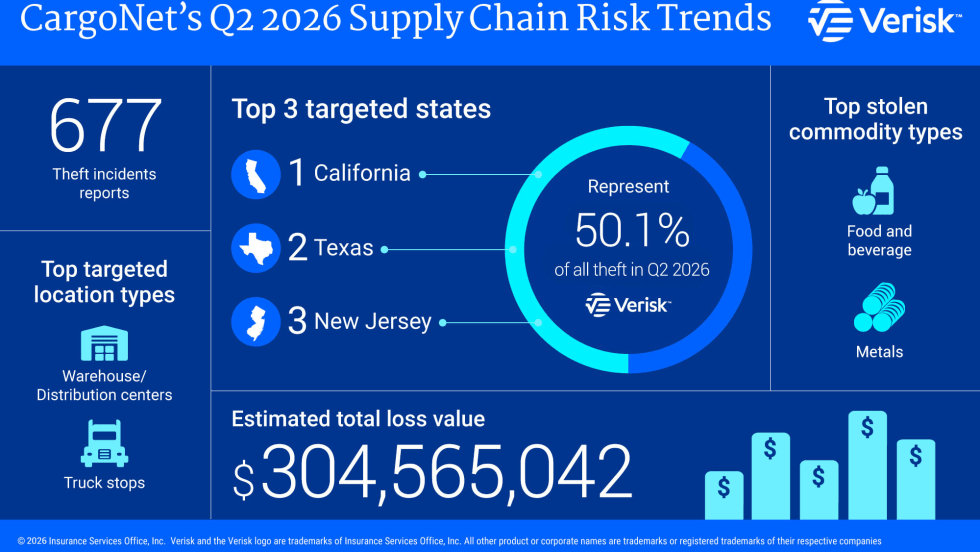
Fewer Cargo Thefts, Bigger Losses: Criminals Target Higher-Value Loads
CargoNet says organized theft rings are stealing fewer shipments but choosing more valuable freight, including metals and technology, resulting in record losses.
Read More →
How Innovative Trucking Leaders Turn Change Into an Advantage
As the pace of change accelerates in trucking, the fleets that adapt best have more than the latest technology. They have cultures that embrace improvement.
Read More →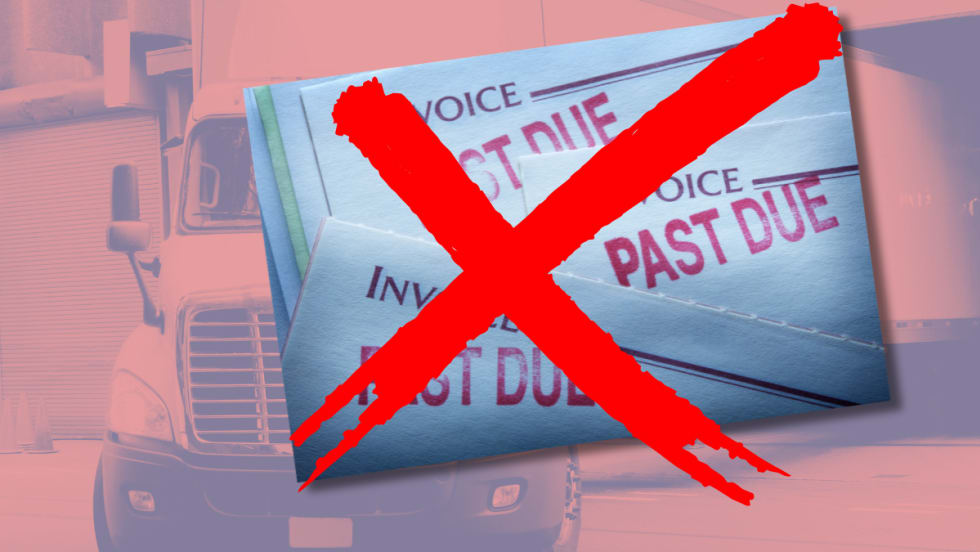
Freight Broker Bonds Just Got Harder to Get. Here's What That Means for Your Fleet.
When it gets harder for a freight broker to prove they are financially sound, the ones who cannot clear that bar get pushed out of the market. And those are exactly the brokers who used to leave motor carriers holding the bag.
Read More →