




Day-Cab Fleets Missing Out on Aerodynamic Benefits
Day-cab tractors have lagged behind sleeper equipped models in aerodynamic development fleets are missing out of fuel efficiency gains, according to the latest NACFE Confidence Report.
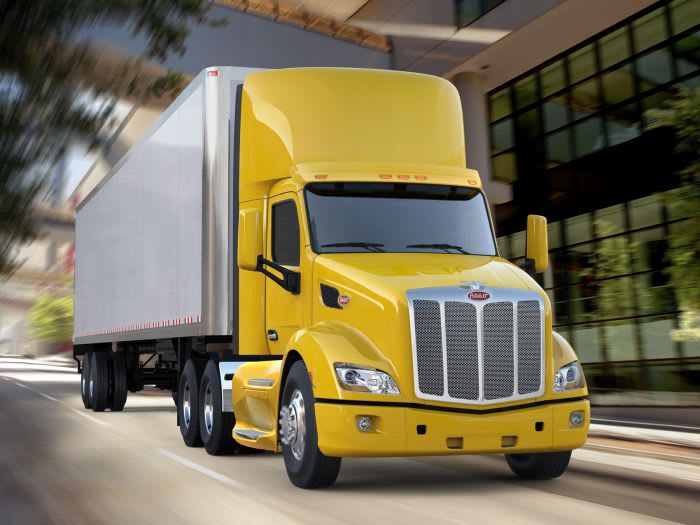
Photo: Peterbilt
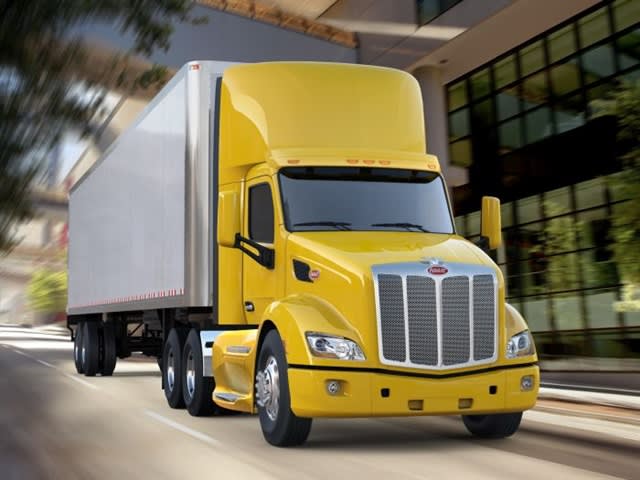
Photo: Peterbilt
Most of today’s long-haul tractors are equipped with aerodynamic devices that can bring up to 30% fuel improvements over previous generations however, day-cabs can also realize the benefits of drag reduction, according to the latest Confidence Report from the North American council for Freight Efficiency.
The NACFE looked into tractor aerodynamic efficiency and found that the newest sleeper models from OEMs were good enough most fleets looking to improve aerodynamic efficiency. OEM models have already been optimized to provide the best performance for most fleet needs, according to the report.
The one area where this was not the case was in day-cab models where the common convention is that speeds are too low for significant savings from aerodynamic efficiency. According to the report, if fleets pursued greater adoption of aerodynamics they could see fuel efficiency gains in all operating environments. In portions of driving at highway speeds, aerodynamic improvements could increase fuel efficiency by as much as 13%.
Aerodynamic technology has traditionally lagged behind in day-cab truck development. The NACFE is recommending that tractor manufacturers should design and offer more aerodynamic features for day-cab tractors including those running on natural gas. This is partly due to an industry shift toward shorter hauls which will cause more day-cab fleets to see significant highway and interstate miles, according to the report.
Another reason for increased focus on day cabs is future emissions regulations from the EPA and NHTSA which will require day-cab models to catch up to their sleeper cousins.
“Tractor aerodynamics pay for themselves,” said Mike Roeth, operation lead at Trucking Efficiency. “Don’t buy a tractor without them, if you do you’ll regret it.”
The Full Confidence Report and executive summary can be found here.
More Fuel Smarts

Detroit Opens Orders for EPA 2027 Engines
Detroit isn’t starting from scratch to meet EPA 2027 diesel emissions standards. Its Gen 6 DD13 and DD15 engines keep much of today’s platform while updating the fuel and aftertreatment systems.
Read More →
Zero-Emission Truck Corridor Planned for West Coast
California, Oregon, Washington, British Columbia and Baja California are coordinating plans for truck charging and hydrogen fueling from Canada to Mexico.
Read More →
A Closer Look at Kenworth’s Electric T880E Vocational Truck [Video]
Learn more about Kenworth's T880E battery-electric vocational truck at the Paccar Technical Center, including its range, applications, upfitting considerations, and PTO options, in this HDT Spotlight video.
Read More →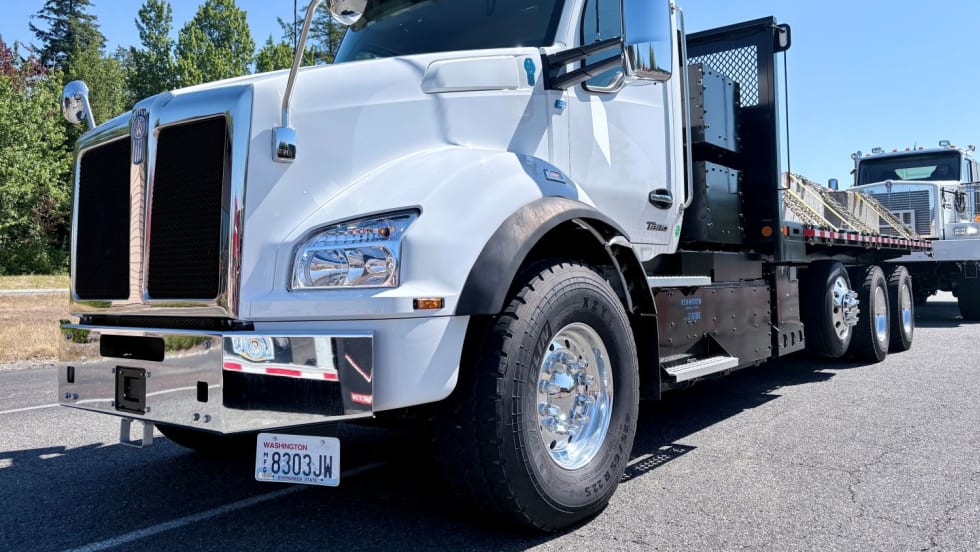
Kenworth T880E Brings EV Power to Vocational Trucks
A closer look at the Kenworth T880E’s range, charging, powertrain and upfit options — and where fleets are showing the most interest.
Read More →
Jennie Abarca Is Proving Electric Trucks Can Do the Job
HDT Truck Fleet Innovator Jennie Abarca is building confidence in fleet electrification one load at a time while openly sharing the challenges she encounters along the way as a small-fleet owner.
Read More →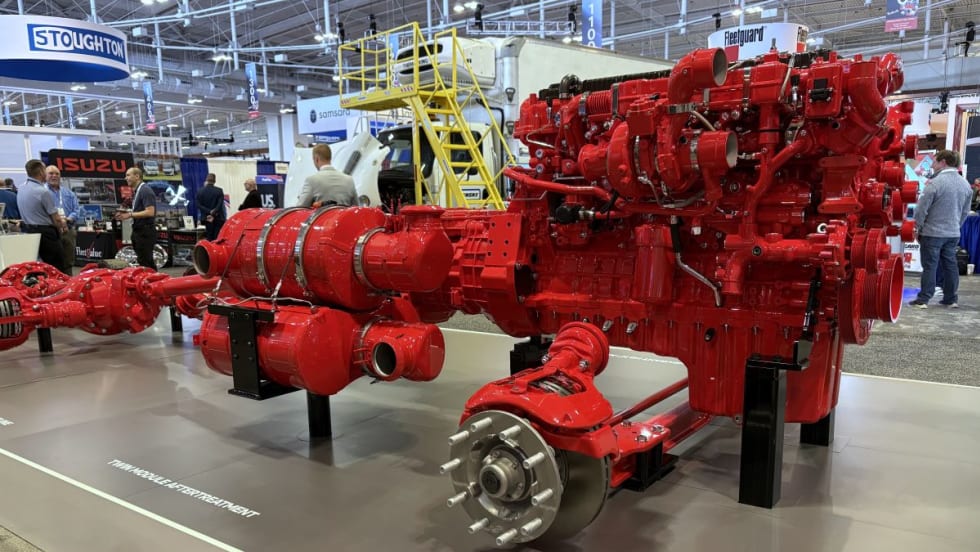
Cummins Adjusts 2027 Engine Rollout After EPA Proposal
The engine maker will gradually introduce its new Model Year 2027 diesel engines while continuing to offer current models during the transition, citing the EPA's proposed emissions rule changes.
Read More →
EPA Proposal Could Ease 2027 Truck Costs and Buying Uncertainty
The proposal doesn't change the tougher NOx standard, but it would revise key implementation requirements that manufacturers say have driven up costs and complicated fleet purchasing decisions.
Read More →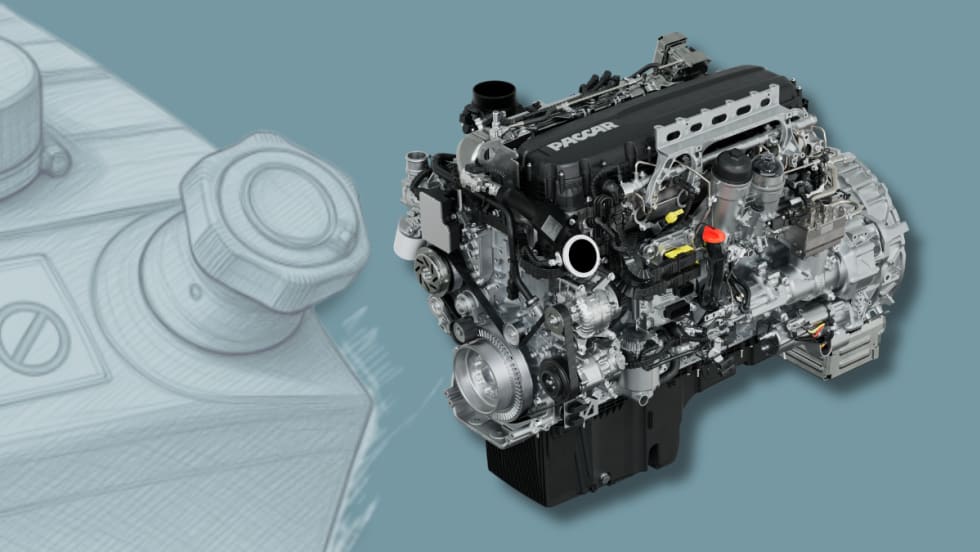
Cummins, Paccar Ease DEF Derates After EPA Guidance
Updated diesel engine software gives truck operators more time to address emissions-system issues while staying compliant with EPA emissions standards.
Read More →
Maintenance in the Messy Middle Part 3: Biodiesel
Biodiesel can reduce emissions, improve fuel-system lubricity and use existing diesel infrastructure. But NACFE’s Messy Middle maintenance report says fleets must actively manage storage, cold-weather operation, filters and oil drain intervals to avoid problems.
Read More →
Enhance Fleet Performance with High-Efficiency Auxiliary Power Units
Drive sustainable cost savings while increasing driver comfort during short- and long-haul logistics operations.
Read More →