




Daimler Sees NAFTA Class 6-8 Market Dropping 15%
The parent company of Freightliner and Western Star said it now forecasts that the overall North American market for Class 6 to 8 trucks will “contract by approximately 15% in 2016.”


Wolfgang Bernhard, speaking at a Daimler Trucks media event held earlier this year in Germany,

Wolfgang Bernhard, speaking at a Daimler Trucks media event held earlier this year in Germany,
Citing “sustained contraction” of global truck markets— including North America-- Germany’s Daimler Trucks has adjusted its 2016 outlook. The OEM now expects its operating earnings will “significantly lower” this year vs. “the very good levels of last year.” On the other hand, the company added that its profitability this year will “remain very high.”
While stressing that it is “defending its clear market leadership” in the NAFTA market, Daimler Trucks pointed out that “at the same time, there has been no revival of orders received, especially in the heavy-duty segment (Class 8).”
In a May 19 press release, the parent company of Freightliner and Western Star said it now forecasts that the overall North American market for Class 6 to 8 trucks will “contract by approximately 15% in 2016.”
The Germany-based OEM said the drop-off across the Atlantic can be offset only partially by a rising European truck market.
“Although demand in Europe is significantly higher than last year, the competitive situation has become much more intense and is influencing market players’ pricing,” the company stated. “Another factor is that the persistently low price of oil is having a sustained negative impact on [truck] demand in the Middle East.”
Daimler also said the outlook for developing markets in Brazil, Indonesia and Turkey has been “worsening since the beginning of the year and continues to worsen.”
It expects the Brazilian market will contract by about 20%, thanks to the “political and thus also [the] economic situation” again deteriorating there. As for Indonesia, Daimler expects to see a decrease of about 15%. The OEM also sees “substantially lower” demand in Turkey, due both to purchases being brought forward to 2015 and the “very negative geopolitical conditions” in place.
“The situation of global truck markets has been challenging for several months and has recently got worse,” stated Wolfgang Bernhard, Member of the Board of Management of Daimler AG and Head of the Daimler Trucks and Daimler Buses divisions.
“Especially in the NAFTA region, but also in the Middle East, demand is weaker than previously expected,” he continued. “We have therefore adjusted our outlook for the rest of this year. Although the forecast is for lower numbers than in 2015, we continue to anticipate a high level of earnings in the full year.”
More Fleet Management
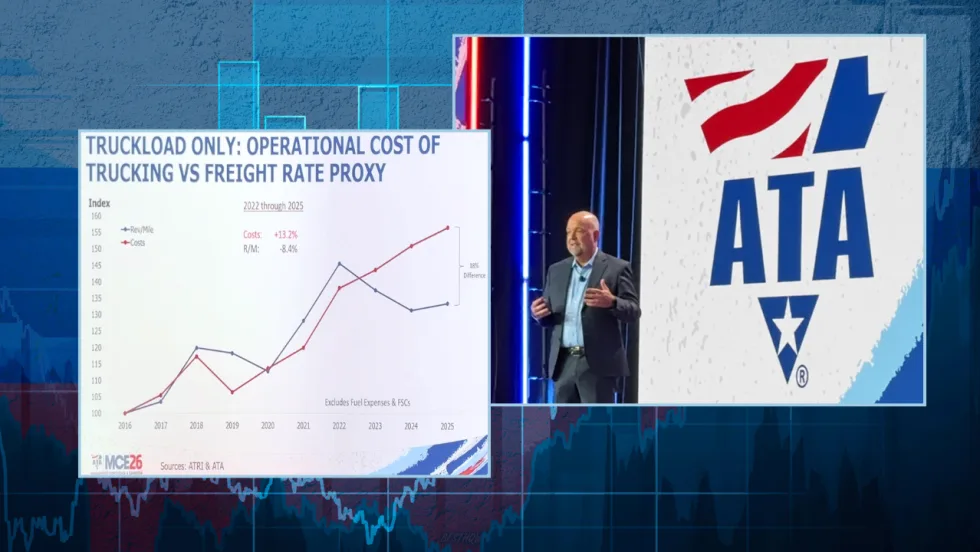
Why This Trucking Recovery Is Different
Freight demand remains sluggish, but rising costs and tougher enforcement have taken enough capacity out of the market to change the outlook for motor carriers.
Read More →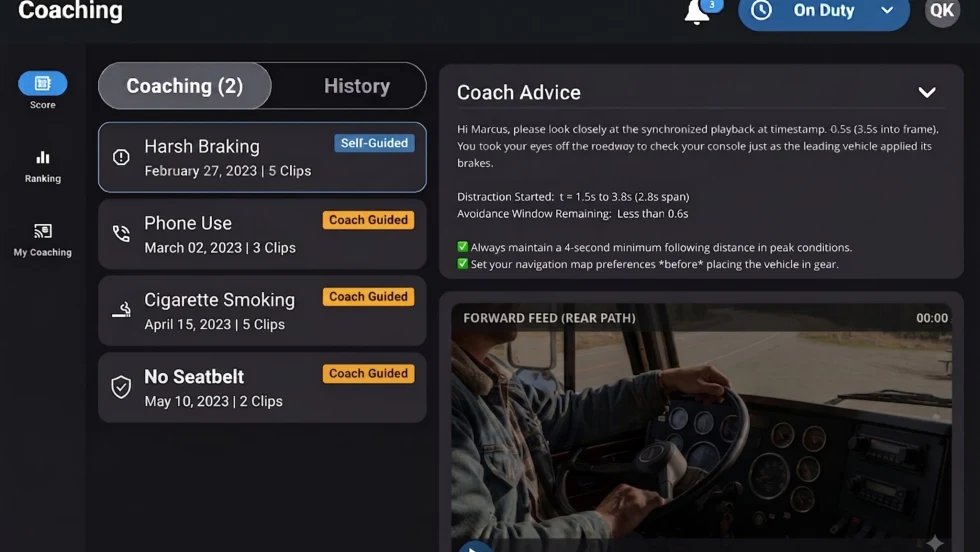
Platform Science Adds Dispatch and Safety Tools
Four additions to PS Fleet help fleets monitor loads, manage driver coaching, share truck locations and adjust video system settings.
Read More →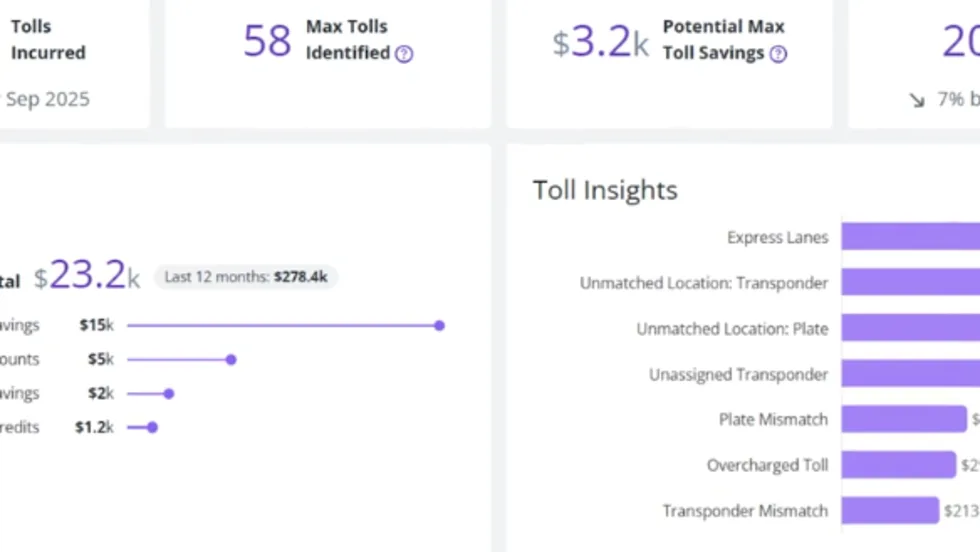
PrePass Intelligence Mines Fleet Bypass, Toll and Safety Data
PrePass Intelligence helps fleets measure bypass savings, flag potential toll overcharges, and spot suspicious transactions by combining data from separate systems.
Read More →
Motive Adds AI Agents for Fleet Operations
New tools automate follow-up on fleet data, from maintenance work orders to driver alerts, with two-way voice conversations planned for later this year.
Read More →
Can You Beat Our Trucking Trivia Challenge?
Test your truck knowledge with 19 trivia questions from Heavy Duty Trucking Exchange. Can you keep up with the fleet pros?
Read More →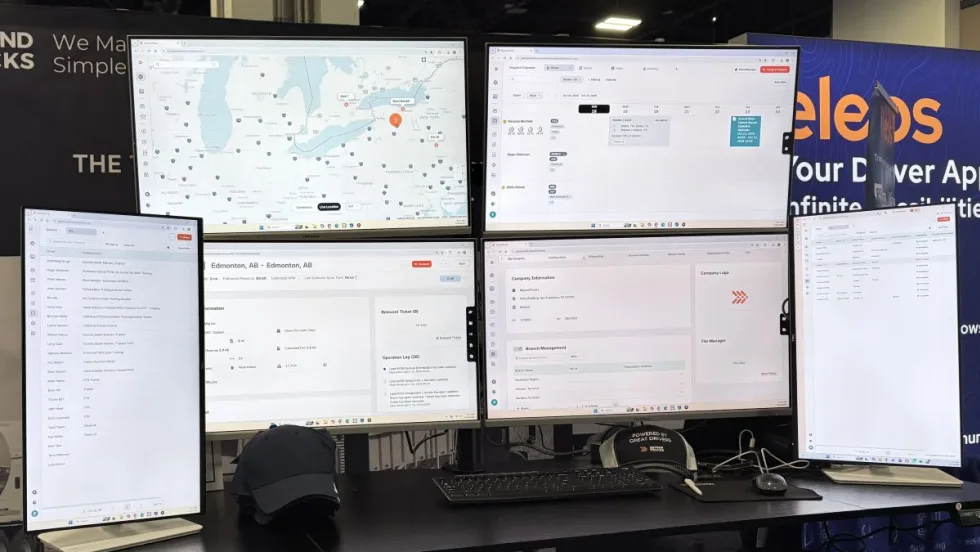
BeyondTrucks Adds Rules Checks to Dispatch
New Compatibility Engine checks driver qualifications, equipment requirements and fleet policies before loads are dispatched.
Read More →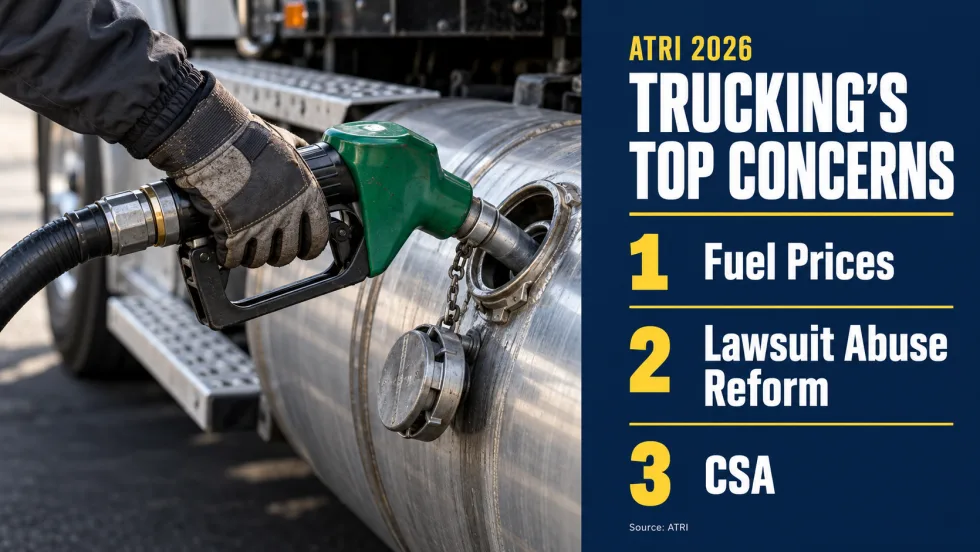
Diesel Prices Hijack Trucking’s Worry List
ATRI’s annual survey finds cautious optimism about freight, but diesel costs, litigation, and insurance continue to squeeze fleets. Drivers have different priorities on several issues.
Read More →
Nomination Deadline Extended for HDT Emerging Leaders
Just a few more days to nominate accomplished trucking fleet professionals under 40 who are making an impact and helping lead the industry forward for the HDT Emerging Leaders award. Deadline extended to October 20!
Read More →
What Will ATA’s New Leader Bring to Trucking's Table?
Incoming President and CEO Mark Colson’s record in Alabama offers clues about his priorities and approach following Chris Spear’s abrupt departure as the head of the American Trucking Associations.
Read More →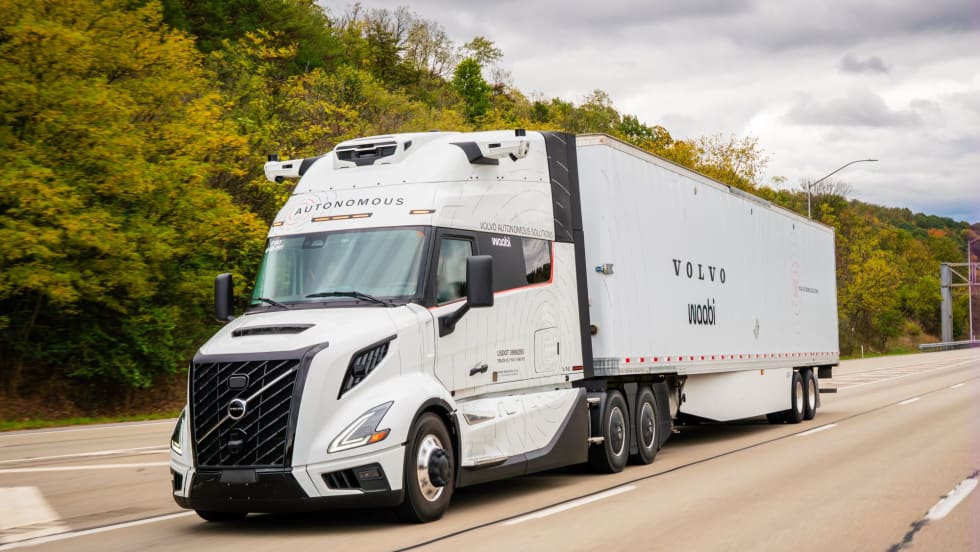
Volvo, Waabi Start Commercial Autonomous Operations in Texas
Volvo VNL Autonomous trucks, powered by the Waabi Driver, are hauling freight directly to third-party facilities for a customer in Texas.
Read More →