




Daimler Launches Global Initiative for Eco-friendly Commercial Vehicles
Daimler is promoting measures for drastically reducing the emissions and fuel consumption of commercial vehicles. To mark the launch of the Shaping Future Transportation initiative, Daimler Trucks and Daimler Buses this week presented 16 trucks
Daimler is promoting measures for drastically reducing the emissions and fuel consumption of commercial vehicles. To mark the launch of the Shaping Future Transportation initiative, Daimler Trucks and Daimler Buses this week presented 16 trucks
and buses featuring alternative drive systems and fuels.
The vehicles from Freightliner, Mitsubishi Fuso, Mercedes-Benz, Orion and Thomas Built Buses were exhibited at the Mercedes-Benz Museum in Stuttgart, and included models making their world debut as well as vehicles that are already being used by customers. Hybrid technology plays a key role in these vehicles, as it can reduce diesel consumption by up to 30 percent, depending on the application.
Daimler is a global leader on the market for hybrid commercial vehicles, having delivered some 1,500 Orion hybrid buses, more than 100 Freightliner trucks, and 200 buses and trucks from Fuso. Added to this are 1,500 Mercedes- Benz trucks and buses that run on natural gas.
Daimler plans to employ alternative drive systems in additional vehicle models and regions, focusing primarily on hybrids. In North America, Freightliner will manufacture 1,500 M2 hybrid trucks over the next three years and also produce a hybrid version of a Thomas Built school bus. In the meantime, the second-generation Mitsubishi Fuso Aero Star Eco Hybrid will be launched on the market in Japan. In Europe, the first Mercedes-Benz Atego BlueTec Hybrids will be delivered to customers in Germany, France, and the Czech Republic next year.
At the same time, customers in the UK will be conducting a pilot project with 10 Mitsubishi Fuso Canter Eco Hybrids.
Because of their decreased fuel consumption, trucks and buses equipped with hybrid drives also produce fewer pollutants and less CO2. Daimler is also investigating the possibility of using alternative fuels in order to preserve fossil sources of energy. According to the commercial vehicle experts at Daimler, the most promising fuels from renewable resources are vegetable oil- derived hydrated fuels (HVOs). Later, they will be joined by BTL (biomass to liquid) fuels. In cooperation with the oil company OMV and the vehicle fleets of two of its customers (DHL and SSB-Stuttgart), Daimler has now commenced fleet testing of HVO fuel in Mercedes-Benz trucks and buses.
Biodiesel (FAME) has been commonly used in Mercedes-Benz trucks for the past ten years. And Mercedes-Benz has been producing and delivering buses and municipal vehicles that run on compressed natural gas (CNG) for almost just as long.
Daimler's diesel engines have evolved into high-tech drive systems. As such, they will remain the chief means of commercial vehicle propulsion for many years to come. Diesel engines still have great potential, as evidenced by their minimized emissions and continuously increasing energy efficiency. As a result, emissions of particulates and nitrogen oxides have decreased by more than 90 percent on average since 1990. Mercedes-Benz trucks and buses equipped with BlueTec diesel technology combine environmental improvements with economic benefits for the vehicle operator. That's because BlueTec technology has led to further substantial reductions in fuel consumption. In the case of long- haul trucks, for example, the annual reduction amounts to around 2,000 liters of fuel or more than five tons of CO2 emissions.
Hybrid technology represents a further milestone in the reduction of fuel consumption on the path toward achieving economically viable zero-emission fuel cell drives. Hybrid vehicles incorporate two different types of drive system: an electric motor and an internal combustion engine. The energy released during braking is recovered as electric power, which is stored in batteries until it is used again to propel the vehicle via an electric motor. Thanks to this additional drive system, diesel engines can be made smaller and lighter without reducing driving performance.
Daimler has decided to use parallel hybrids for its trucks. In parallel systems, the electric motor is incorporated into the powertrain, where it generally works in parallel with the diesel engine to propel the vehicle. Due to the way they are used, Daimler's hybrid buses are equipped with a serial hybrid drive. In this arrangement, a generator directly connected to the diesel engine provides the energy for the electric motors. In addition, all of the auxiliary systems of the Mitsubishi Fuso and Mercedes-Benz hybrid buses are electrically powered, which makes completely electrical and emission-free driving possible for short stretches. The technological transition to the zero-emission vehicle is being ushered in by the Mercedes-Benz Citaro G BlueTec Hybrid, which employs an innovative drive concept featuring wheel-hub motors. In principle, future generations of the vehicle will only need to replace the diesel-engine generator with fuel cells, as the electric drive components have already been tried and tested.
Fuel cell vehicles have already proved their suitability for day-to-day operations in the world's largest field test, which involved 30 Mercedes-Benz Citaro buses. The vehicles were driven more than two million kilometers in over 125,000 hours of operation. However, the fuel cells' service life needs to be substantially lengthened and their cost drastically reduced before they can be used in series-produced commercial vehicles. These goals will remain a challenge for the development engineers for some time to come. Another difficulty is that the necessary hydrogen infrastructure still needs to be created.
Because hybrid vehicles cost one-third more than today's diesel vehicles, economic aspects will play a crucial role in the acceptance of alternative drive systems by operators. Although the overall cost of ownership of hybrid vehicles is substantially improved by their fuel savings, incentives will be needed for at least a few years following the market launch. This is confirmed by the success of alternative drive systems in the U.S. and Japan thanks to government incentives. Fleet operators in Europe do not yet have such inducements to purchase a hybrid vehicle.
More Aftermarket
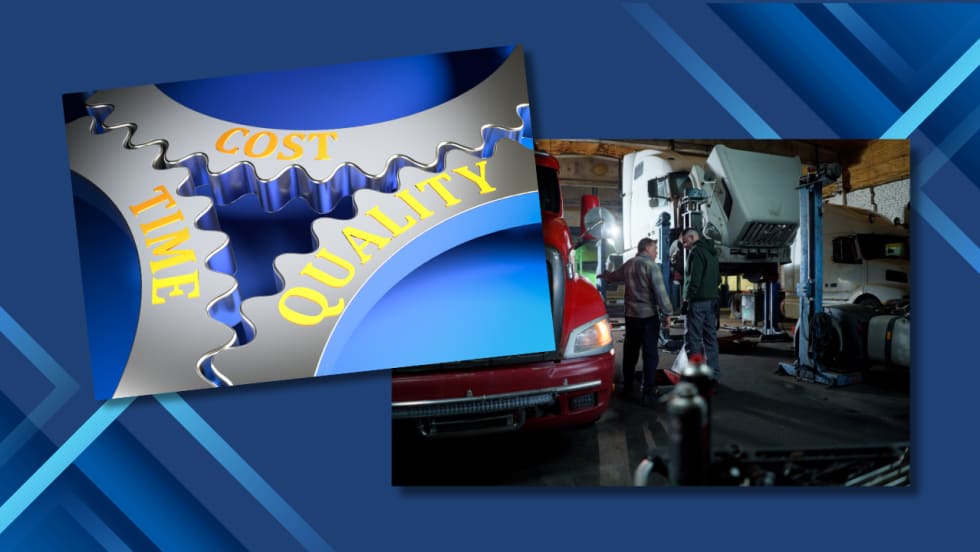
What Three Fleets Are Doing Differently When Buying Truck Parts in 2026
With freight improving but costs still climbing, fleet maintenance executives explain how they're balancing price, quality, and supplier relationships.
Read More →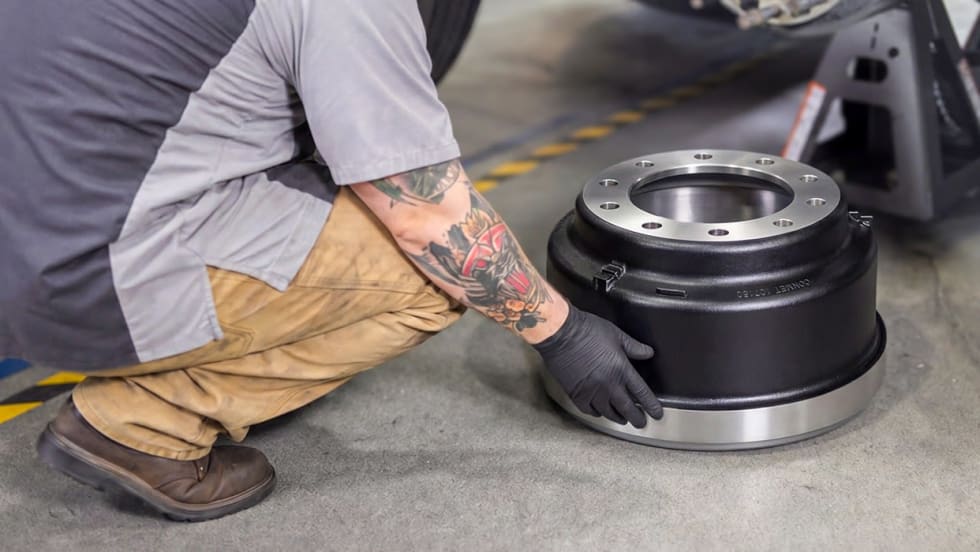
ConMet Expands Aftermarket Brake Drum Lineup With TruCast
A new heavy-duty truck brake drum option in the aftermarket gives customers more flexibility within the ConMet product family.
Read More →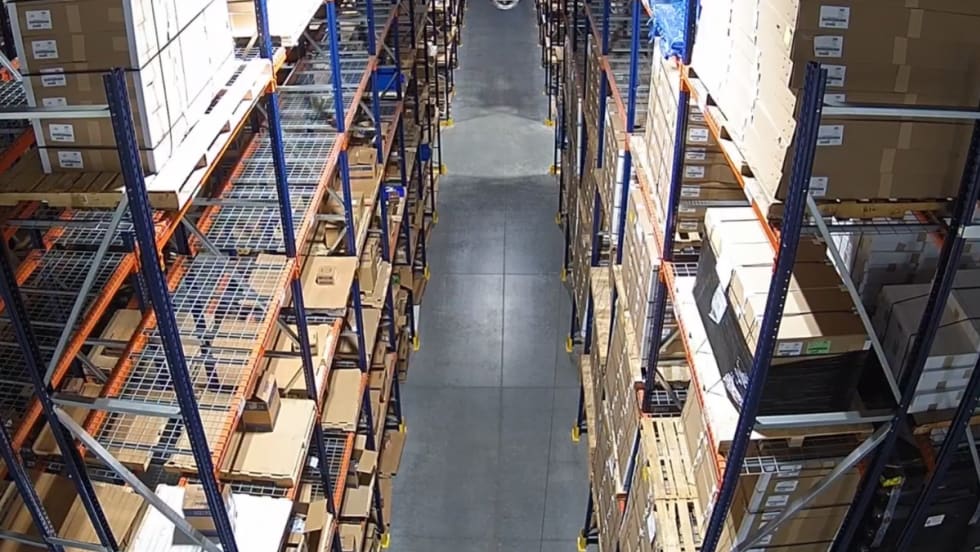
Phillips Opens High-Tech Distribution Center for Faster Parts Delivery
Phillips Industries’ new Cincinnati-area distribution center is now shipping aftermarket trucking parts nationwide, aiming to speed up delivery times for customers.
Read More →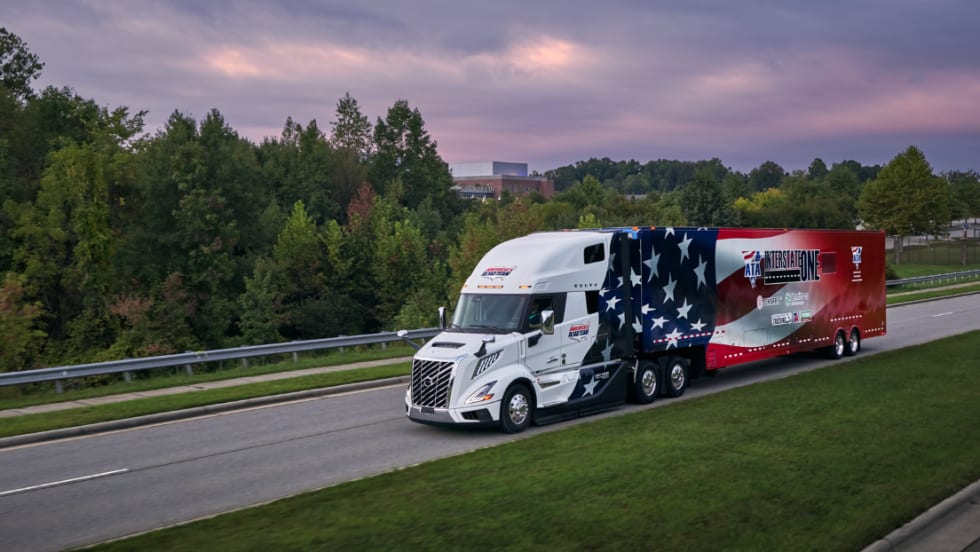
Volvo to Sponsor America’s Road Team for 2025
Volvo Trucks announced that it is extending its exclusive sponsorship of America’s Road Team for 2025.
Read More →
Webb to Start Taking Orders for UltraSet Pre-Adjusted Wheel Hubs
Webb, which recently acquired the Stemco Trifecta pre-adjusted hub program, will soon start taking orders for its replacement pre-assembled hub, the UltraSet.
Read More →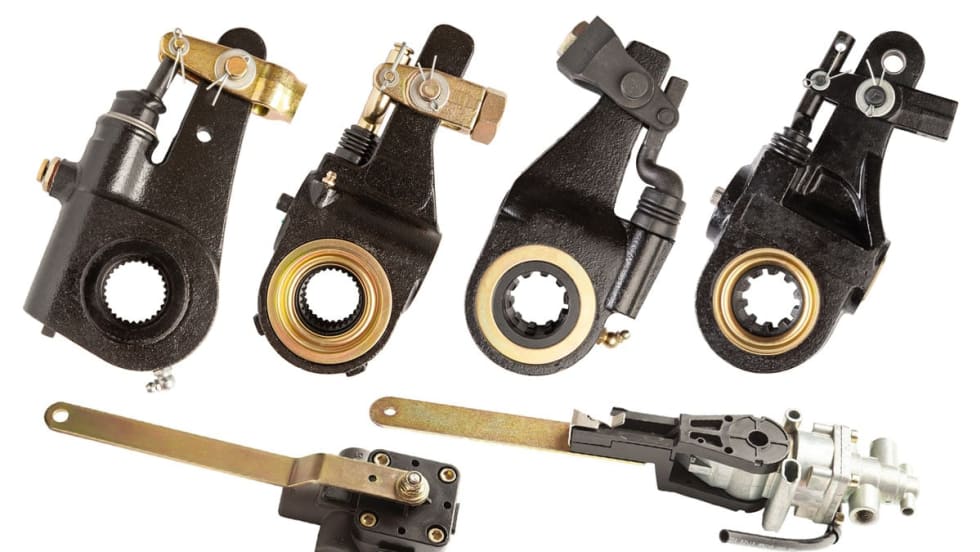
All-Makes Automatic Brake Adjusters, Ride Height Control Valves from Midland
SAF-Holland has added automatic brake adjusters and ride height control valves to its Midland All-Makes Program.
Read More →
ZF Aftermarket Expands [pro]Academy Training
ZF Aftermarket said it is expanding its ZF [pro]Academy training and will be adding 40 new modules this year.
Read More →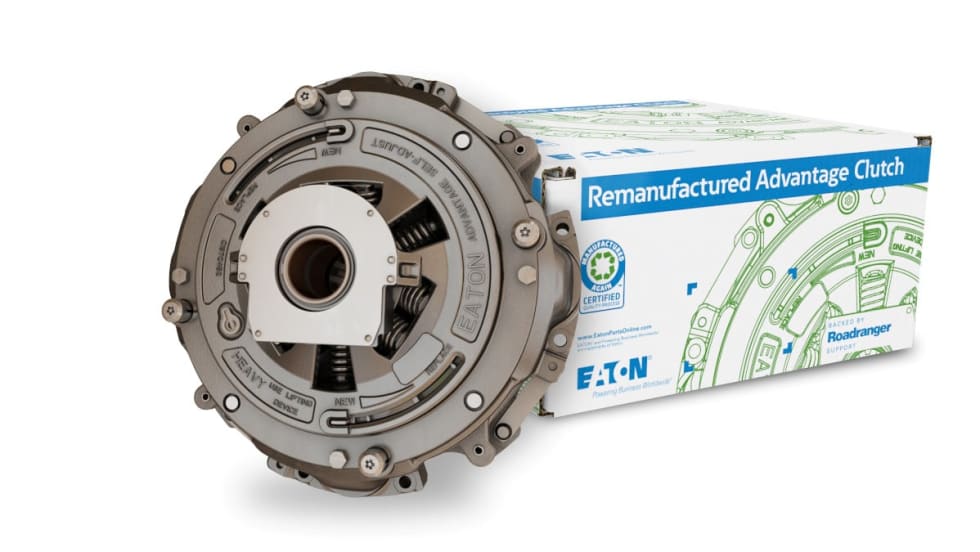
Eaton Adds Remanufactured Advantage Line of Clutches
Eaton has added its Advantage clutches to its remanufactured product line. The clutches feature a unique strap drive intermediate plate designed to allow customers to choose the latest OE specification
Read More →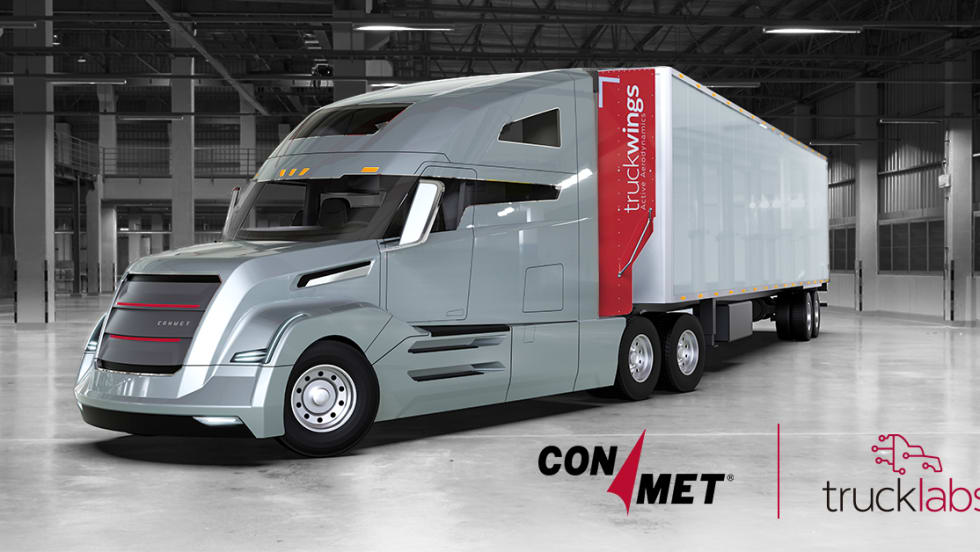
ConMet Acquires TruckLabs, the Creator of TruckWings
Commercial truck and trailer parts provider ConMet acquired TruckLabs, the company that created TruckWings, an aerodynamic device that attaches to truck cabs and deploys to close the gap between truck and trailer. TruckLabs now operates as a subsidiary of ConMet.
Read More →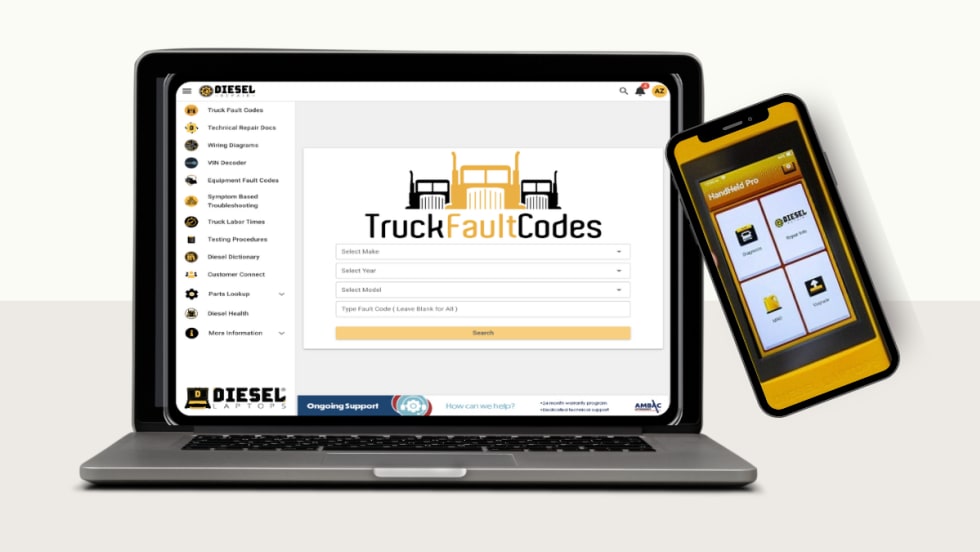
Diesel Laptops Releases Fault-Code-to-Part-Number Tool
Diesel Laptops said its Truck Fault Codes allows users to input a fault code and immediately identify and order the parts needed to complete repair work.
Read More →