




CVSA 2021 Roadcheck: Most Trucks Had No Violations
While inspectors removed 6,710 commercial motor vehicles and 2,080 drivers from roadways during CVSA’s 2021 International Roadcheck, about 84% vehicles had no out-of-service violations.

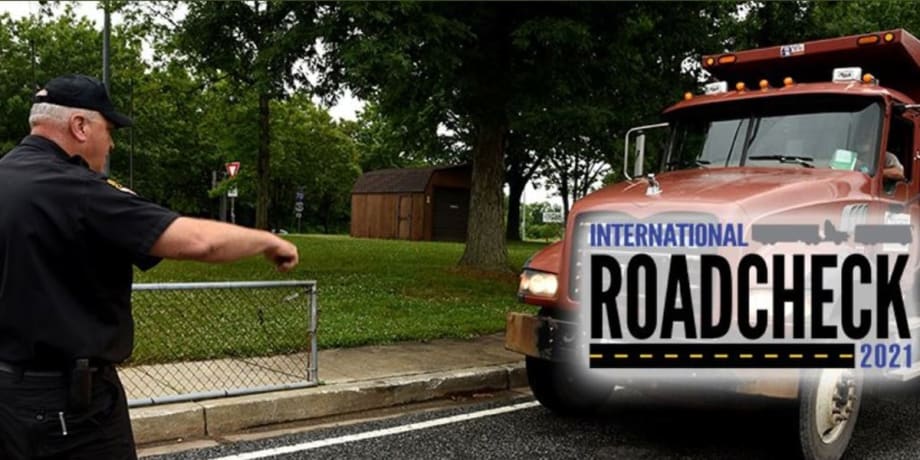
About 84% of the commercial motor vehicles examined had no out-of-service (OOS) violations during the 2021 International Roadcheck.
Photo: CVSA Twitter
More than 40,000 commercial motor vehicle inspections were conducted May 4-6 for International Roadcheck, the Commercial Vehicle Safety Alliance’s (CVSA) annual high-volume, high-visibility inspection and enforcement initiative.
Approximately 83.5% of the commercial motor vehicles examined had no out-of-service (OOS) violations. Inspectors removed 6,710 commercial motor vehicles and 2,080 drivers from roadways – a 16.5% vehicle and 5.3% driver out-of-service rate – over that three-day inspection period.
Each year, CVSA highlights a category of violations during International Roadcheck to bring awareness to certain aspects of a routine roadside inspection. This year, inspectors captured data on two categories – hours of service and lighting.
Vehicle Violations
There were 1,367 out-of-service lighting violations, accounting for 14.1% of all vehicle out-of-service violations. It was the third most-cited violation, after brake systems (2,564 OOS violations) and tires (2,564 OOS violations). Out-of-service lighting device violations include headlamps, tail lamps, stop lamps, turn signals and lamps on projecting loads.
Of the 9,691 out-of-service vehicle violations issued, the top five violations also included violations in the brake adjustment (1,203 OOS violations) and cargo securement (1,192 OOS violations) categories.
Driver Violations
The second focus area, hours of service, was the most cited driver out-of-service violation, accounting for 41.5% of all driver out-of-service violations. That’s 1,203 violations.
Hours-of-service rules limit the number of hours that drivers of commercial property- and passenger-carrying vehicles are permitted to spend driving and working and regulate the minimum amount of time drivers must rest between driving shifts. Canada, Mexico and the U.S. all have strict hours-of-service regulations in place to help reduce the occurrence of driver fatigue.
Types of Inspections
CVSA-certified inspectors at weigh stations, inspection stations, roadside and designated inspection sites in Canada, Mexico and the U.S. inspected commercial trucks and combinations, cargo tank hazardous materials/dangerous goods (HM/DG) trucks and combinations, non-cargo tank HM/DG trucks and combinations, and motorcoaches/buses during International Roadcheck.
Inspectors primarily conducted the North American Standard Level I Inspection, a 37-step inspection process that involves thorough inspection of the vehicle (including underneath the vehicle) and the driver.
Inspectors performed 23,135 Level I Inspections and removed 5,048 vehicles (21.8%) and 1,200 (5.2%) drivers from roadways due to the discovery of critical vehicle or driver inspection item violations as identified in the CVSA North American Standard Out-of-Service Criteria.
In addition to Level I Inspections, inspectors also conducted Level II Walk-Around Driver/Vehicle Inspections, Level III Driver/Credential/Administrative Inspections and Level V Vehicle-Only Inspections.
In Canada and the U.S., inspectors conducted 9,410 Level II Inspections and placed 1,593 (16.9%) vehicles and 549 drivers (5.8%) out of service. They also conducted 6,836 Level III Inspections and placed 331 drivers out of service. That is a 4.8% driver out-of-service rate.
More Equipment
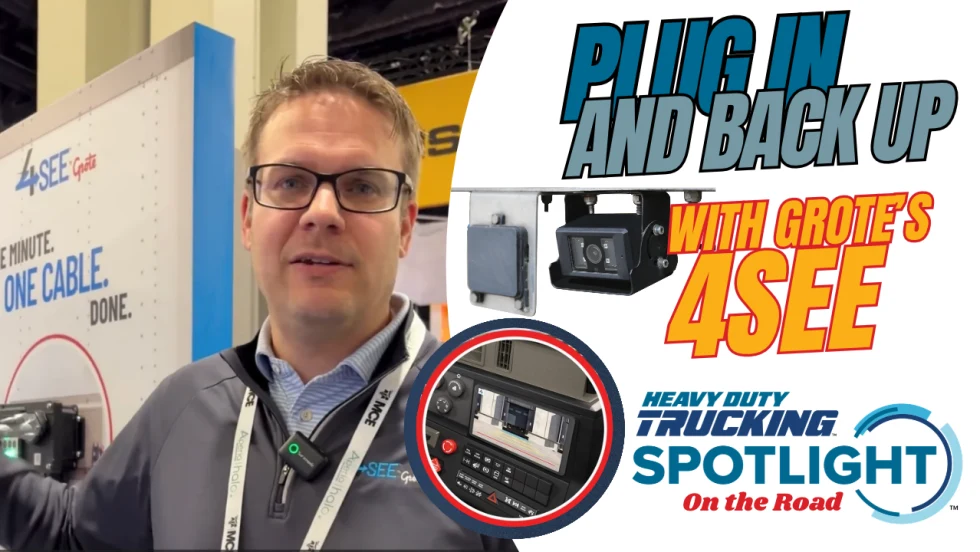
More Trailer Data Through the Same Seven-Way [Video]
Can trucking’s standard seven-way connector handle more cameras and trailer data? Grote’s Adam Slade shows HDT how the company is using new technology with its 4See trailer system, not only to add a new backup camera but also to expand other capabilities — without adding another connection.
Read More →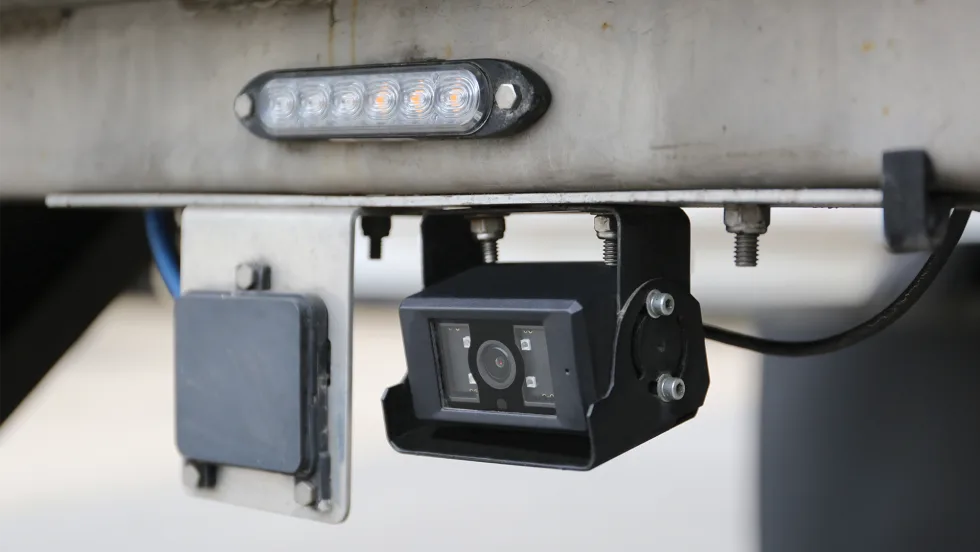
Grote: More Cameras, Same Seven-Way Connector
The next-generation 4See rear-view backup camera from Grote uses the standard seven-way connector and supports additional cameras and other trailer data.
Read More →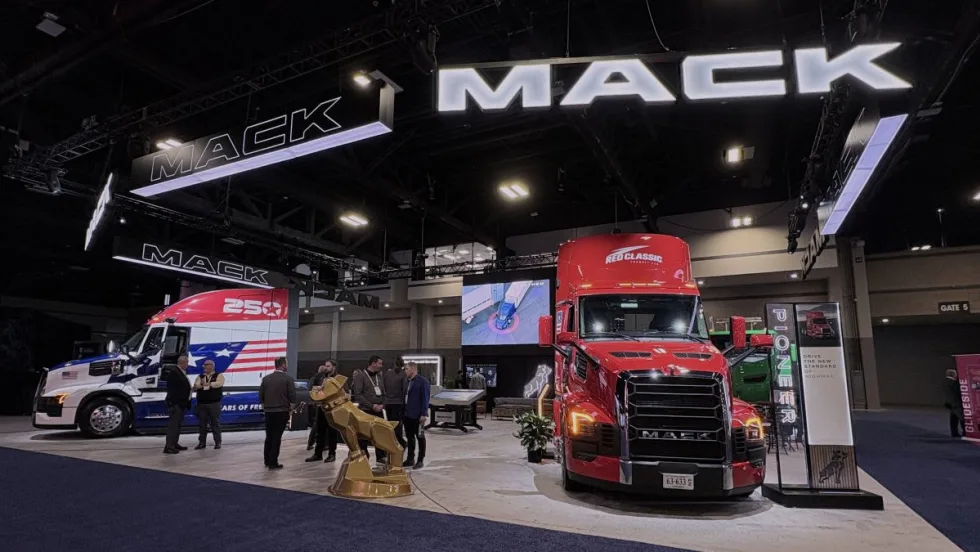
Trucks at ATA's 2026 MC&E in Charlotte, North Carolina [Photos]
From rigs decked out in patriotic America's 250 paint schemes to autonomous trucks and more, check out these photos from ATA's 2026 Management Conference & Exhibition.
Read More →
Help HDT Find Trucking’s Top Products
Have you come across a new product that could make a difference for trucking fleets? Nominate it for HDT’s 2027 Top 20 Products Awards by November 9.
Read More →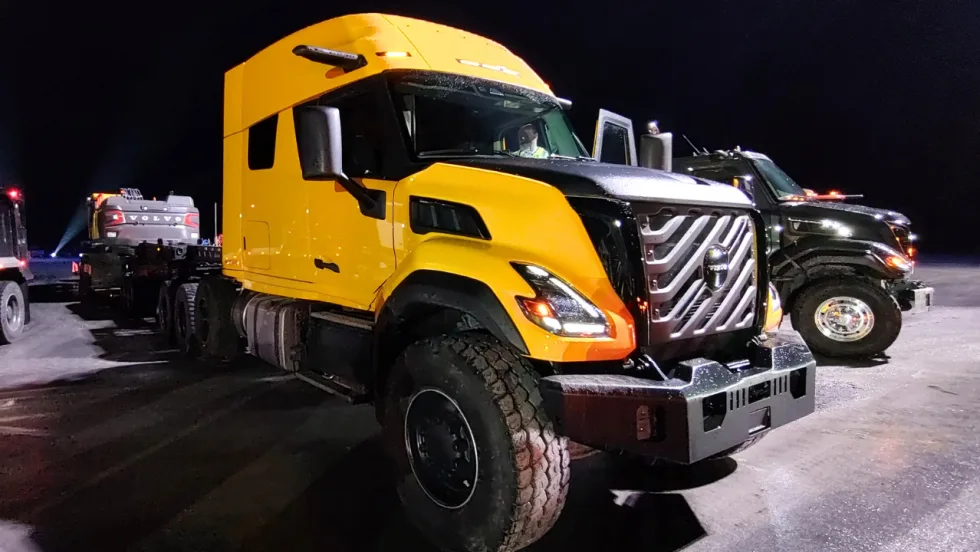
Volvo Unveils New VNX Heavy-Haul and Vocational Truck
Volvo Trucks has launched the VNX, a new vocational truck also available as a tractor in day cab and two sleeper configurations, with one heavy-haul model. The Volvo VNX is powered by Volvo's D13 platform, which delivers up to 540 horsepower and 1,950 pound-feet of torque and is EPA 2027-compliant.
Read More →
How GP Transco Cuts Trucking Fuel Costs, a Tenth of a Gallon at a Time
What’s another tenth of a mile per gallon worth? GP Transco shares how equipment upgrades and driver coaching turn small gains into meaningful fuel savings.
Read More →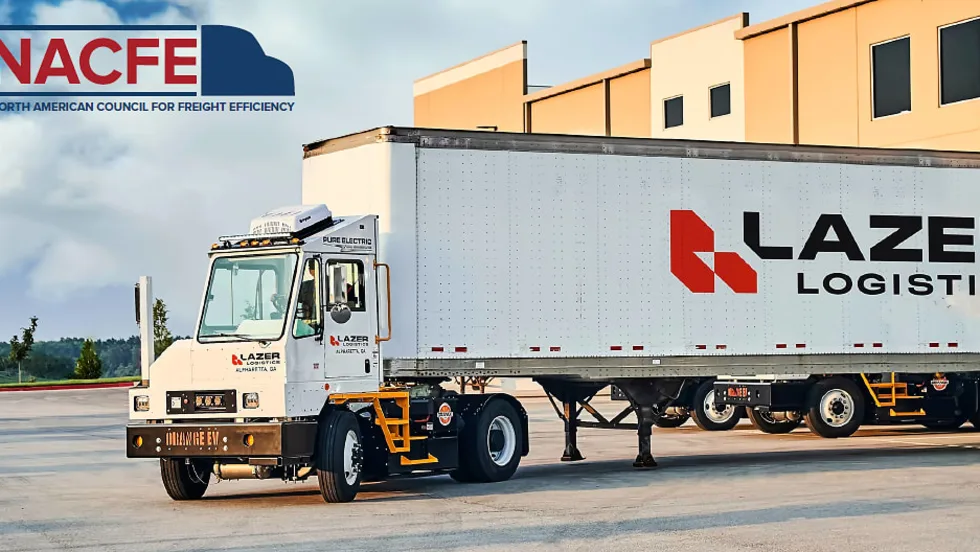
Electric Yard Tractors Move Beyond Pilots
Operating-cost savings have overtaken sustainability goals as the leading reason surveyed fleets are adopting battery-electric terminal tractors, according to new NACFE research.
Read More →
Continental Introduces New Regional Truck Tires
Continental says its new Generation 5 steer and drive tires for regional operations offer longer tread life, with estimated mileage gains of 22% and 19%, respectively.
Read More →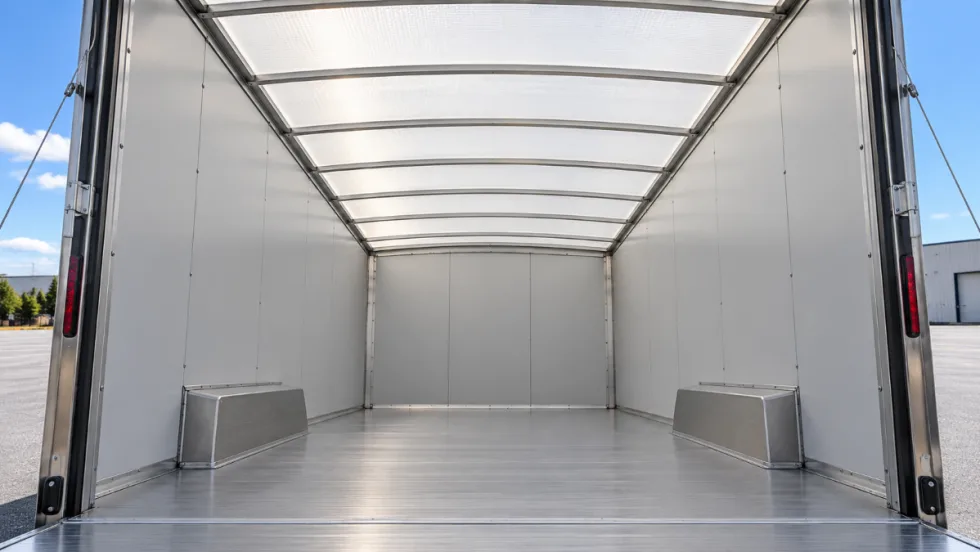
Tekmodo Introduces CargoBright Brand for Translucent Trailer Roofs
CargoBright is designed to diffuse daylight across the cargo area while performing as a working vehicle roof.
Read More →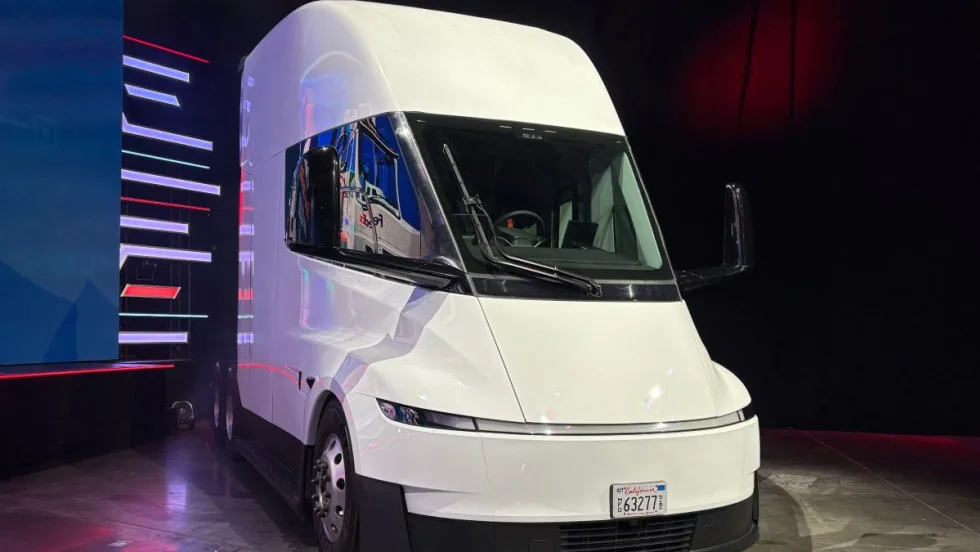
Fleet Economics Shape Electric Truck Outlook
ACT Research expects costs, charging infrastructure, and technology improvements to drive zero-emission commercial vehicle adoption as federal regulations and incentives retreat.
Read More →