




Cummins Taps UK Battery Maker for Electric Truck Development
Cummins has acquired Johnson Matthewy’s UK automotive battery systems business, with plans to collaborate on the development of high-energy battery materials for commercial heavy-duty electric vehicle applications.
by Staff
January 31, 2018
In August of last year, Cummis unveiled an all-electric demonstration vehicle dubbed the Urban Hauler EV. Photo: Jim Park
2 min to read

Cummins has acquired Johnson Matthewy’s UK automotive battery systems business, with plans to collaborate on the development of high-energy battery materials for commercial heavy-duty electric vehicle applications.
The acquisition and collaboration agreement will allow Cummins to expand its electrification and energy storage capabilities. Johnson Matthey will focus on developing high-energy battery materials, including its enhanced lithium nickel oxide (eLNO) product, for transport applications.
The companies intend to collaborate on the development of new products with enhanced performance characteristics for commercial applications, relying on the expertise of each company.
“By combining our electrification capabilities, portfolio of diverse power solutions, and global network, Cummins is uniquely positioned to lead in electrification,” said Tom Linebarger, chairman and CEO of Cummins. “What differentiates us is our ability to help customers succeed with high-quality products across the spectrum of power solutions they use, whether it’s electric, diesel, natural gas or other energy solutions.”
This most recent move comes on the heels of Cummins’ acquisition of Brammo in October of last year. Brammo designs and develops low-voltage battery packs for mobile and stationary applications.
The company will continue to explore other opportunities to add electrification capabilities as it prepares to offer electrified powertrains to customers in 2019.
“The addition of Johnson Matthey Battery Systems’ technical expertise and customer base in markets that are more rapidly adopting electrification further positions us as a global energy storage supplier,” said Linebarger.
More Fuel Smarts
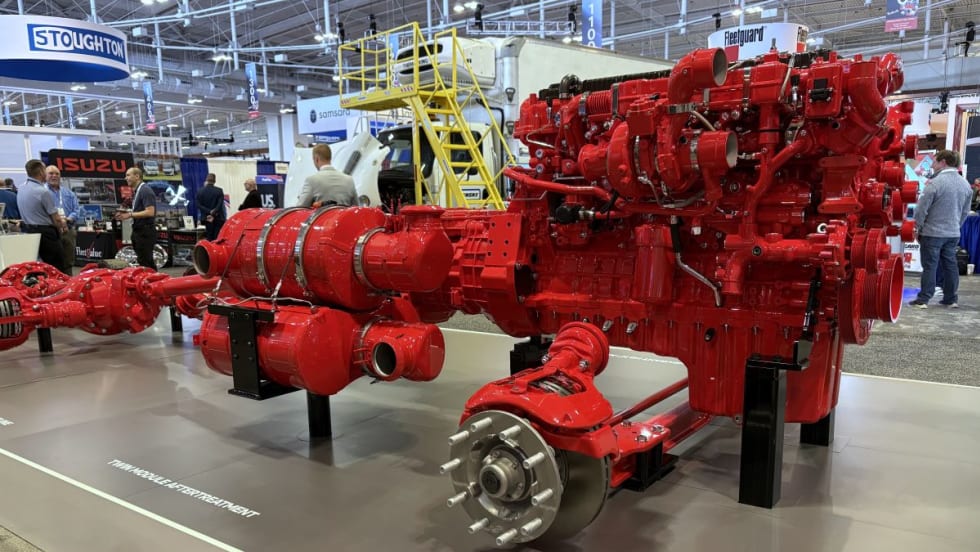
Cummins Adjusts 2027 Engine Rollout After EPA Proposal
The engine maker will gradually introduce its new Model Year 2027 diesel engines while continuing to offer current models during the transition, citing the EPA's proposed emissions rule changes.
Read More →
EPA Proposal Could Ease 2027 Truck Costs and Buying Uncertainty
The proposal doesn't change the tougher NOx standard, but it would revise key implementation requirements that manufacturers say have driven up costs and complicated fleet purchasing decisions.
Read More →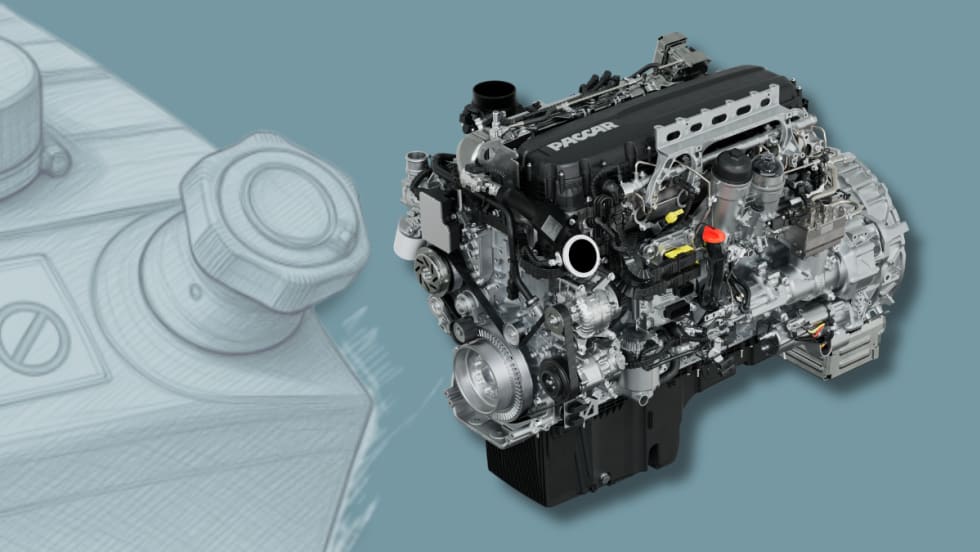
Cummins, Paccar Ease DEF Derates After EPA Guidance
Updated diesel engine software gives truck operators more time to address emissions-system issues while staying compliant with EPA emissions standards.
Read More →
Maintenance in the Messy Middle Part 3: Biodiesel
Biodiesel can reduce emissions, improve fuel-system lubricity and use existing diesel infrastructure. But NACFE’s Messy Middle maintenance report says fleets must actively manage storage, cold-weather operation, filters and oil drain intervals to avoid problems.
Read More →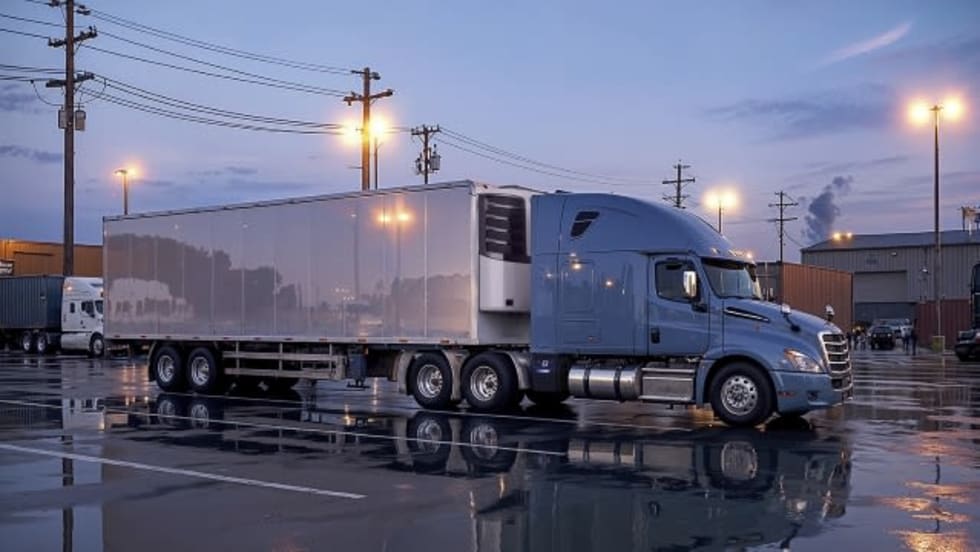
Enhance Fleet Performance with High-Efficiency Auxiliary Power Units
Drive sustainable cost savings while increasing driver comfort during short- and long-haul logistics operations.
Read More →
Maintenance in the ‘Messy Middle’ Part 2: Renewable Diesel Fuel
NACFE's latest Messy Middle Powertrain Service & Maintenance report says renewable diesel gives fleets an opportunity to reduce carbon emissions without changing trucks, fueling infrastructure or maintenance practices. But technicians still need to understand several important operational differences.
Read More →
The Diesel Engine Enters NACFE’s ‘Messy Middle’
NACFE’s new Messy Middle Powertrain Service & Maintenance report says keeping modern diesel engines running now depends as much on software, diagnostics and data as traditional mechanical service.
Read More →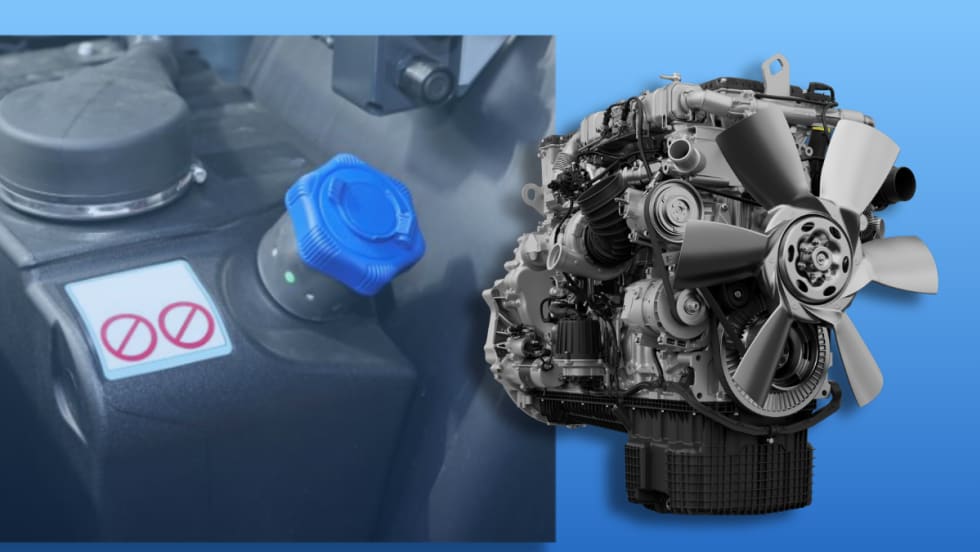
DTNA Software Update Gives Truckers More Time Before DEF Derates Take Effect
The changes reflect EPA guidance aimed at reducing downtime caused by emissions-system faults while maintaining compliance requirements.
Read More →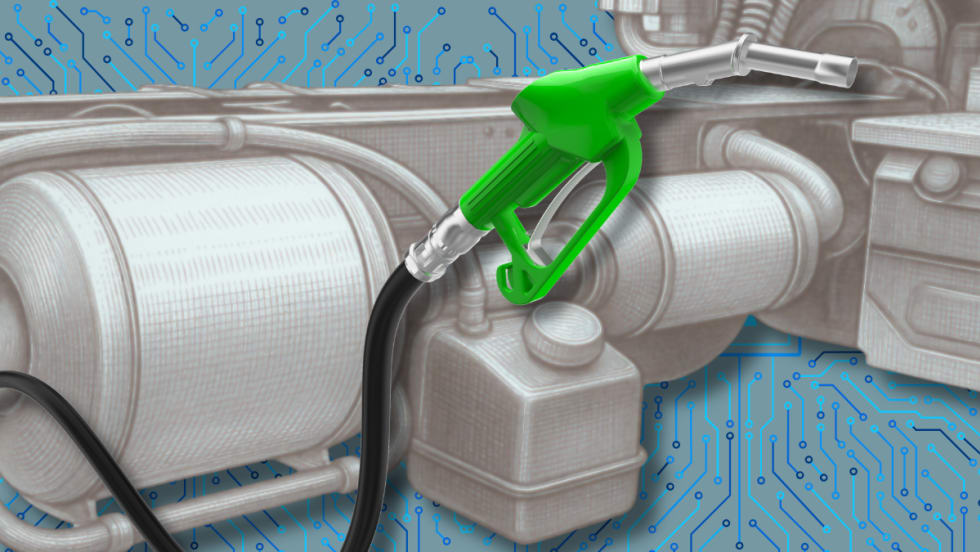
New Agentic Predictive Maintenance Report Demonstrates How Degraded Aftertreatment Systems Waste Fuel
Questar analyzed a large mixed-class fleet and discovered it was wasting as much as $30 in fuel per vehicle, per day, because of mechanically degraded aftertreatment systems.
Read More →
New York City's Microhub Project is Delivering Results
Trucking, last-mile delivery companies, and environmental advocates like what they are seeing so far with New York's microhub program.
Read More →