




Cummins On Track for '02 Emissions
Even while other engine manufacturers negotiate with the Environmental Protection Agency to rule on possible delays to the October 2002 emissions deadline and new litigation from the Truck Manufacturers' Association seeks a stay, Cummins appears to be right on targe

Even while other engine manufacturers negotiate with the Environmental Protection Agency to rule on possible delays to the October 2002 emissions deadline and new litigation from the Truck Manufacturers' Association seeks a stay, Cummins appears to be right on target
to hit the due date.
The company's progress toward the new EPA diesel emissions limits of 2.5 g NOx and 0.1 g particulates is going full steam ahead. And based on evidence we saw during a recent visit to headquarters in Columbus, Ind. -- which also included a drive of the next generation ISX -- the company is right on track with each of its five engine series.
On track means having engines ready for production well before the deadline, with performance and durability at least as good as today's, with no additional maintenance or impact on oil drain intervals. And the only fuel economy penalty may be the fact that this time around, customers will not see the 2-3% gain in economy that has been achieved in previous emissions changes.
The reason it's different this time is that the technologies to reduce the NOx all carry some kind of fuel penalty. How big the penalty will be depends on the research and design during the development process. Cummins believes that its chosen technology - exhaust-gas recirculation - and the measures taken by the time it is introduced will see a zero impact on fuel economy.
According to Cummins technology chief John Wall, the decision to embrace cooled EGR was made more than a decade ago after consideration of the alternative aftertreatment (catalyst/trap) technologies. In the intervening years, Cummins has developed many of the pieces necessary for the implementation of cooled EGR. Those include high pressure fuel system, high cylinder-pressure and bearing-load engine structures, and variable-geometry turbochargers, all introduced in engines being manufactured today.
Not only are these technologies in place, they are all captive to Cummins, either through its engine division or through wholly owned subsidiaries such as Holsett Turbochargers. Other technology pieces are gained through long-established relationships with partners like Behr, for instance, for heat transfer and heat exchanger design -- essential with the heat-rejection requirements that come from cooled EGR.
And while the deadline is looming and the truck manufacturers are complaining that finalized engines are not available for testing, Cummins is very close to being there. Currently there are close to 150 prototype engines across Cummins' five different "platforms" out running in trucks. That's ISX, ISM, ISL and ISC and the little ISB. Notably absent is the N-14 which, with the next emissions cut, goes away.
There's more to accommodate under the hood with cooled EGR, which is why the truck manufacturers are chomping at the bit. The turbo is bigger and there's the cooler, on the ISX located under the exhaust manifold and close into the block, tucked below the overhang of the DOHC cylinder head. The crossover pipe runs around the rear of the engine, above the flywheel housing on the ISX engines we saw, and there's a mixer unit to blend the exhaust with incoming air from the charge cooler. Also included are a couple of EGR valves and sensors to control the varying amounts of recycled gas. And the engine electronic control module gets additional processing capacity to control the different air, fuel and EGR maps.
However, the actual installation problems are relatively few, says Rick Kleine, Executive Director of Advanced Customer Engineering and the person responsible for packaging the engines into all the different truck chassis that Cummins powers. All the issues have been worked out by concurrent design between truck OEMs and Cummins.
On The Road
We took the wheel of a Peterbilt 379 with loaded trailer and a 565/1,850 ISX under the hood. This looked like a production-ready engine, with all the pieces neatly in place.
It fired right up and idled with the distinctively soft-sounding ISX combustion note. As with the Detroit Series 60 EGR we drove a month ago, there was little to indicate to a driver that there was anything different about the engine with the hood closed.
On the road, the engine pulled as we'd expect from 565 horsepower, and the 1,850 pounds feet of torque slogged us up a 3% grade very nicely in overdrive top gear in the 13 speed.
The only detectable difference with this ISX was the activity of the VG turbo, which doesn't necessarily spool down as you back out of the throttle. Since it is independent of the foot-feed position, there are times when the control strategy will actually accelerate the wheel when you back out of the throttle. And during engine braking, the turbo can spin up for maximum boost to get the most performance from the retarder.
While we were not pulling any major grades, it was a warm day in April, but we noticed no fan-on time, indicating the top/bottom split cooling system of the 379 was well able to handle the cooled EGR requirement.
All in all, the very uneventful drive fulfilled our expectations after seeing the work Cummins has done and the level of production for the ISX.
More Aftermarket
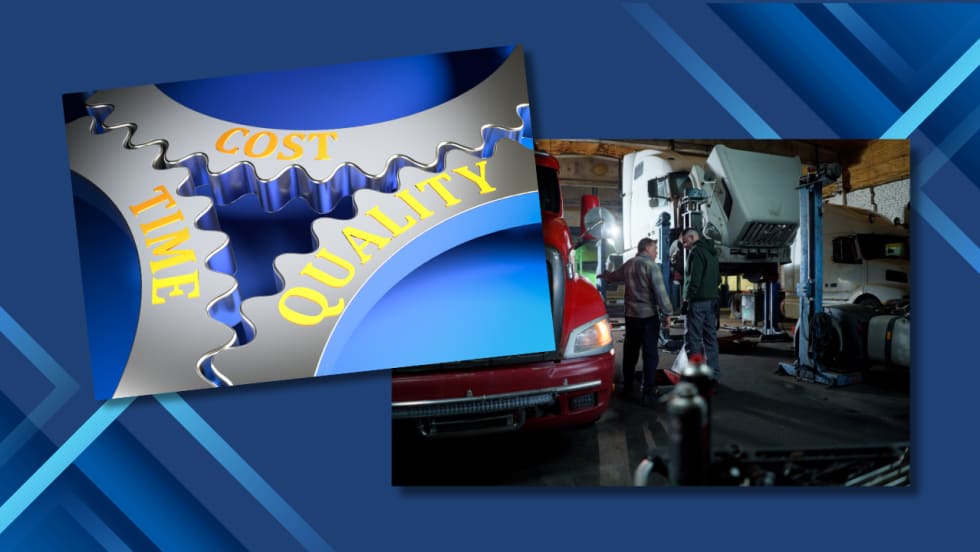
What Three Fleets Are Doing Differently When Buying Truck Parts in 2026
With freight improving but costs still climbing, fleet maintenance executives explain how they're balancing price, quality, and supplier relationships.
Read More →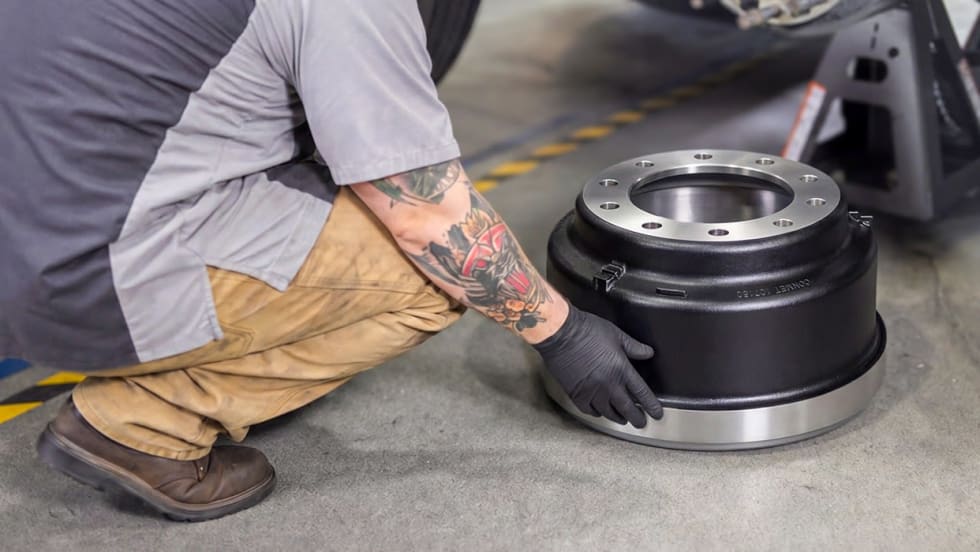
ConMet Expands Aftermarket Brake Drum Lineup With TruCast
A new heavy-duty truck brake drum option in the aftermarket gives customers more flexibility within the ConMet product family.
Read More →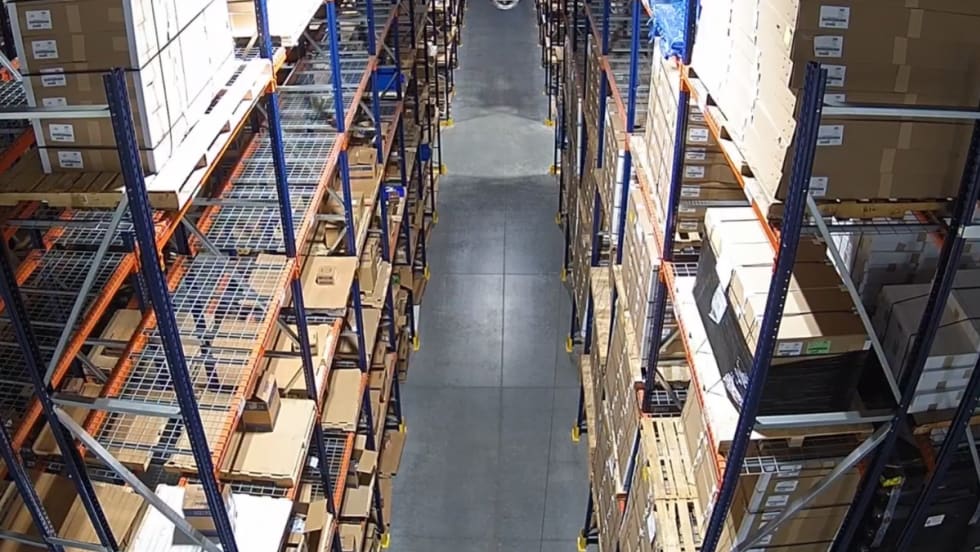
Phillips Opens High-Tech Distribution Center for Faster Parts Delivery
Phillips Industries’ new Cincinnati-area distribution center is now shipping aftermarket trucking parts nationwide, aiming to speed up delivery times for customers.
Read More →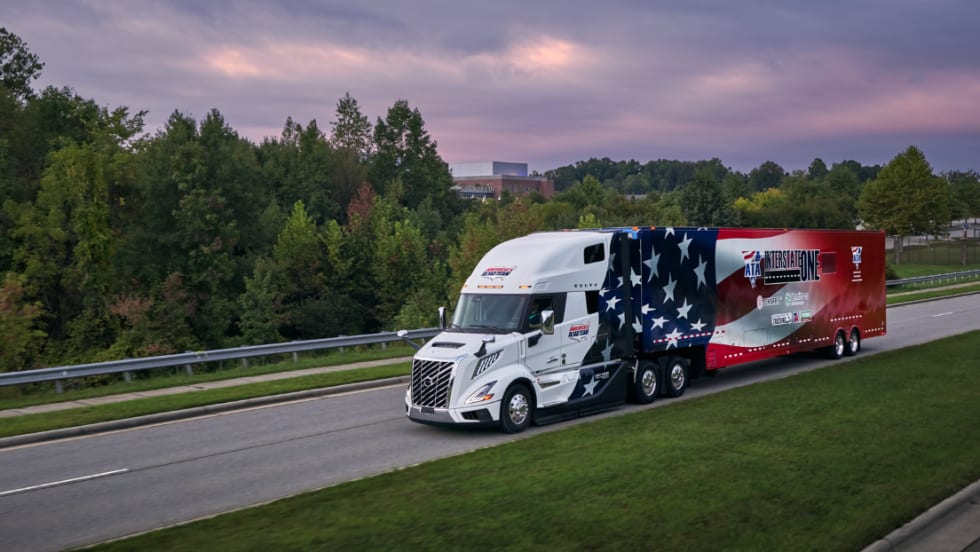
Volvo to Sponsor America’s Road Team for 2025
Volvo Trucks announced that it is extending its exclusive sponsorship of America’s Road Team for 2025.
Read More →
Webb to Start Taking Orders for UltraSet Pre-Adjusted Wheel Hubs
Webb, which recently acquired the Stemco Trifecta pre-adjusted hub program, will soon start taking orders for its replacement pre-assembled hub, the UltraSet.
Read More →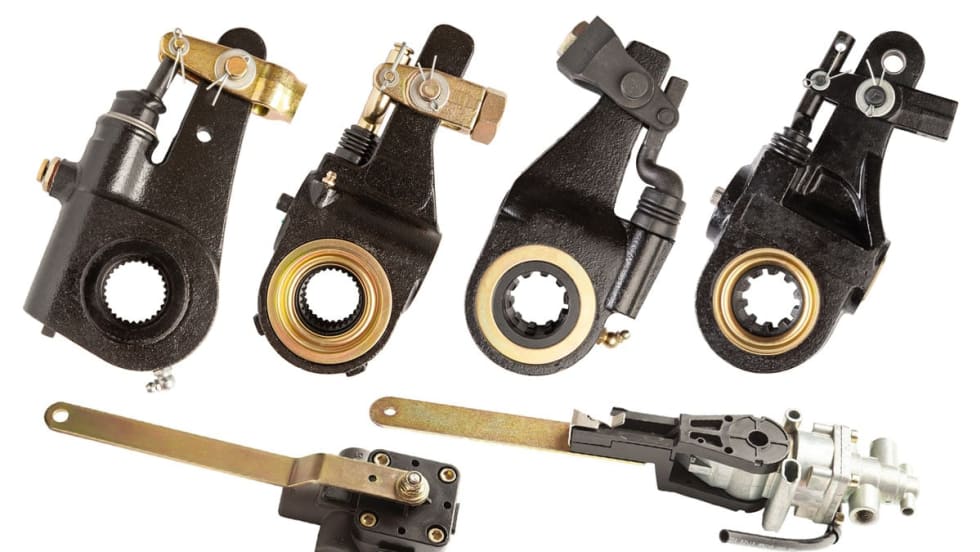
All-Makes Automatic Brake Adjusters, Ride Height Control Valves from Midland
SAF-Holland has added automatic brake adjusters and ride height control valves to its Midland All-Makes Program.
Read More →
ZF Aftermarket Expands [pro]Academy Training
ZF Aftermarket said it is expanding its ZF [pro]Academy training and will be adding 40 new modules this year.
Read More →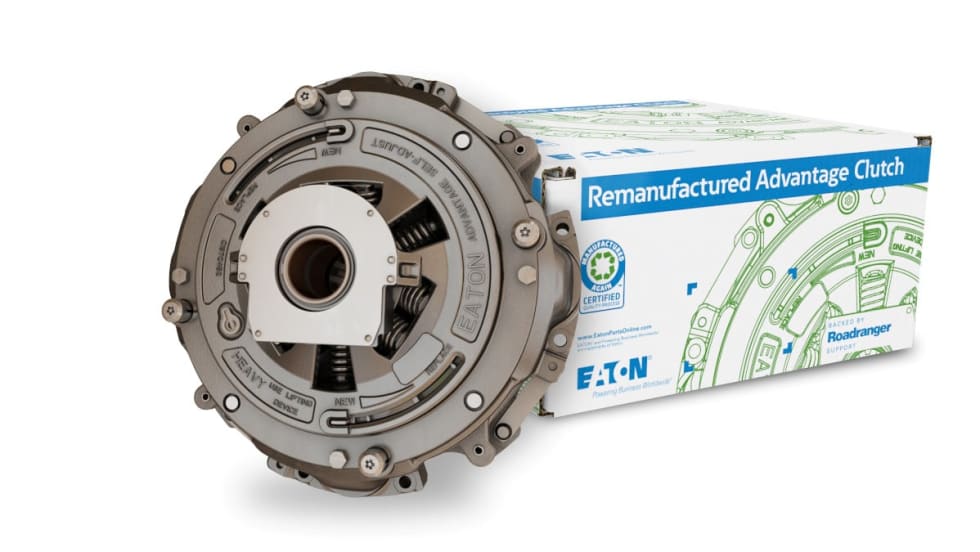
Eaton Adds Remanufactured Advantage Line of Clutches
Eaton has added its Advantage clutches to its remanufactured product line. The clutches feature a unique strap drive intermediate plate designed to allow customers to choose the latest OE specification
Read More →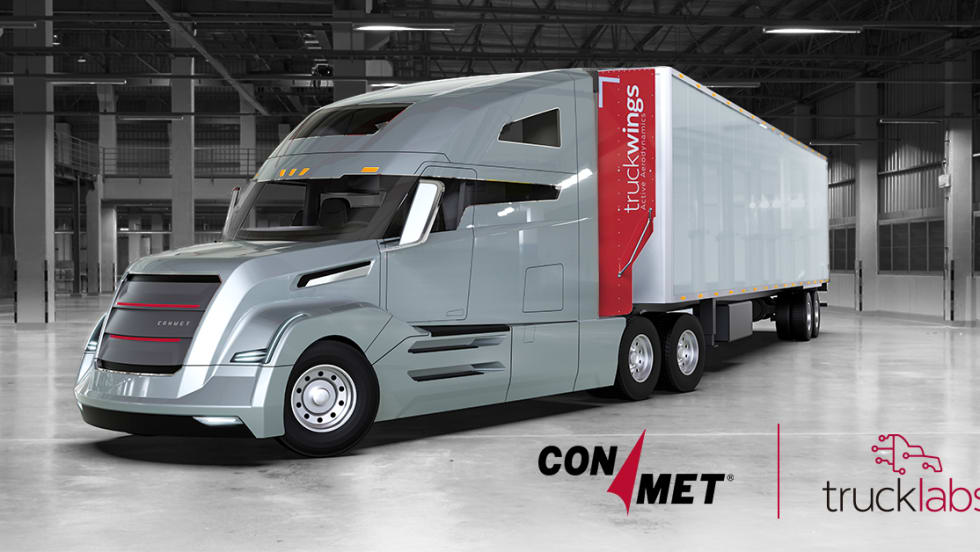
ConMet Acquires TruckLabs, the Creator of TruckWings
Commercial truck and trailer parts provider ConMet acquired TruckLabs, the company that created TruckWings, an aerodynamic device that attaches to truck cabs and deploys to close the gap between truck and trailer. TruckLabs now operates as a subsidiary of ConMet.
Read More →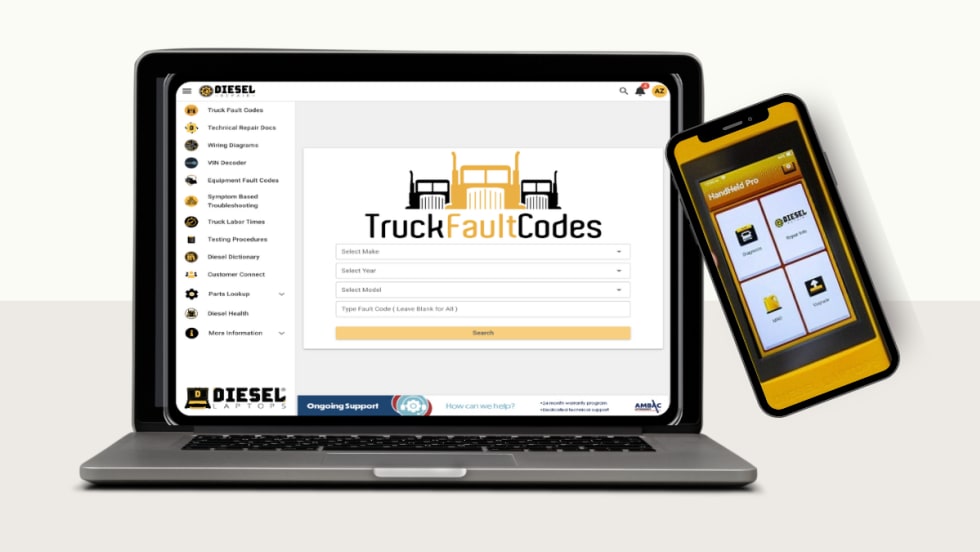
Diesel Laptops Releases Fault-Code-to-Part-Number Tool
Diesel Laptops said its Truck Fault Codes allows users to input a fault code and immediately identify and order the parts needed to complete repair work.
Read More →