




Cummins Announces Results of Half-Ton Diesel Engine Program
Cummins Inc. is set to showcase the results of a four-year joint program with the U.S. Department of Energy (DOE). The ATLAS program was initiated to develop a commercially viable diesel engine for the ½-ton pickup truck market.
The Cummins four-cylinder ISF2.8 base engine was used as the base for the ATLAS program. Photo: Cummins
The Cummins four-cylinder ISF2.8 base engine was used as the base for the ATLAS program. Photo: Cummins
Cummins Inc. is set to showcase the results of a four-year joint program with the U.S. Department of Energy (DOE) at this week’s Mid-America Trucking Show. The Advanced Technology Light Automotive Systems (ATLAS) program was initiated to develop a commercially viable diesel engine for the ½-ton pickup truck market that is capable of meeting future Tier 2 Bin 2 emissions regulations and Corporate Average Fuel Economy (CAFE) and stringent greenhouse gas (GHG) requirements out to the year 2025, according to the company.
The demonstration vehicle, provided by Nissan North America, is a 2010 Nissan Titan originally equipped with a gasoline V-8 engine. In addition to meeting fuel-economy and emissions requirements, the new engine needed to accomplish the same work as the large gas V-8, so maintaining a torque output of 385 lb-ft (522 N•m) was necessary. The Cummins team chose a four-cylinder ISF2.8 base engine to begin research, according to the company.
“When we launched ATLAS, the team understood that they had to think outside the box to achieve our targets,” said Michael Ruth, director/technical project leader, Advanced Light-Duty. “Specifically, we knew that weight reduction, advanced emissions control technologies, advanced thermal management and powertrain integration would be critical to meeting all of the requirements. The challenge was making those significant advancements while ensuring that the engine we produced would be commercially viable.”
The end result after the four-year effort was a 362-lb, 2.8-liter engine with an aluminum block, head and oil pan, a magnesium valve cover and an engine-mounted emissions control system. The ATLAS engine, including the on-engine after-treatment system, weighs in at approximately 80 pounds lighter than the original all-aluminum gasoline V-8, according to the company.
The Highway Fuel Economy Test (HFET) and FTP-75 Test (city) cycles demonstrated fuel economy over 35 mpg and 25.5 mpg, respectively. This is approximately a 53-percent increase in CAFE fuel economy at 28.9 mpg, as compared with the production gasoline V-8 fuel economy of 18.9 mpg. The Cummins said its team not only surpassed all fuel-economy targets, but also achieved criteria emissions lower than the stringent Tier 2/Bin 2 GHG levels.
The ATLAS engine uses advanced technologies to meet the future regulations. One of the most notable features is the aluminum block. While not visible from outward appearances, the engine is a through-bolt design with a structural cradle above the oil pan and another above the cylinder head, “sandwiching” the block and head and enabling very high cylinder pressure capabilities.
A “dual loop” exhaust gas recirculation (EGR) system with both low- and high-pressure circuits and switchable valve timing improve light load emissions output and allow for increased power density of the engine. The overhead camshaft is driven by belt-in-oil technology. This lubricated belt system is designed to last the life of the engine. The ATLAS engine also uses ceramic glow plugs, a high pressure common rail (HPCR) piezo-style fuel system complete with a Bosch high-pressure pump and a VGT™ Turbocharger. The complete package is controlled by Cummins controls technology.
Another feature is the engine-mounted after-treatment. In partnership with Johnson Matthey, an on-engine catalyst was developed that has selective catalytic reduction (SCR) wash-coat technology applied directly to the particulate filter.
In addition to the state-of-the-art diesel technology, an 8-speed ZF 8HP70 kept the engine operating at an optimum speed, helping to achieve a more than 50 percent fuel-economy improvement over that of the gasoline V-8. The remainder of the truck’s original running gear was unchanged, according to the company.
Although the ATLAS engine is a research project, it was subject to all of the design standards and rigorous testing that Cummins performs on all products to ensure that the customer is receiving the most dependable and durable diesel engine available. On-road testing, towing, cold weather and chassis dyno testing, to verify that the ATLAS 2.8L met the U.S. emissions standards it was being measured against, resulted in a successful proof of concept. SAE International recognized the ATLAS team with the John Johnson Outstanding Research in Diesel Engines Award for their work, as published in the SAE paper Thermodynamic Systems for Tier 2 Bin 2 Diesel Engines (papers.sae.org/2013-01-0282), according to the company.
Final plans to officially close Project ATLAS include a ride-and-drive event and final presentation at the DOE's 2015 Annual Merit Review, June 8-12 in Arlington, Va.
More Equipment
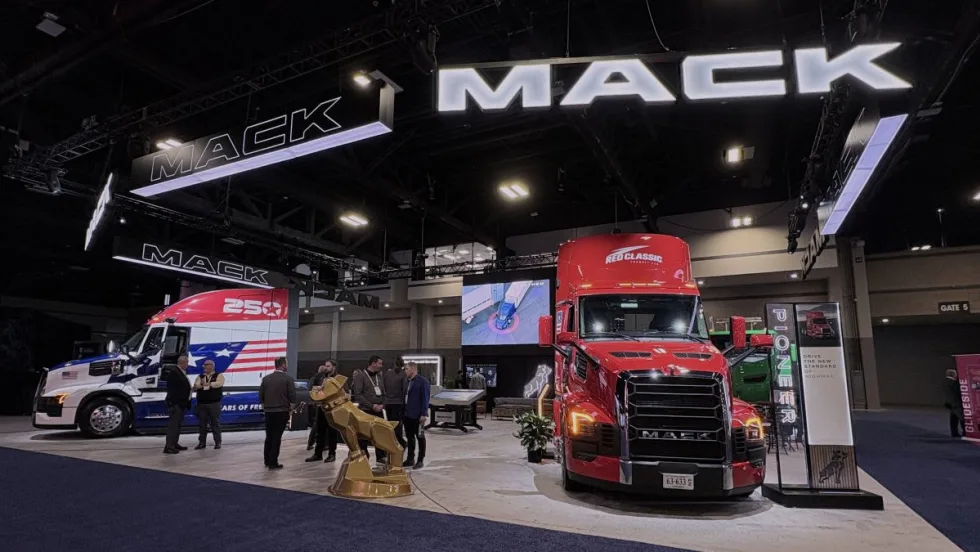
Trucks at ATA's 2026 MC&E in Charlotte, North Carolina [Photos]
From rigs decked out in patriotic America's 250 paint schemes to autonomous trucks and more, check out these photos from ATA's 2026 Management Conference & Exhibition.
Read More →
Help HDT Find Trucking’s Top Products
Have you come across a new product that could make a difference for trucking fleets? Nominate it for HDT’s 2027 Top 20 Products Awards by November 9.
Read More →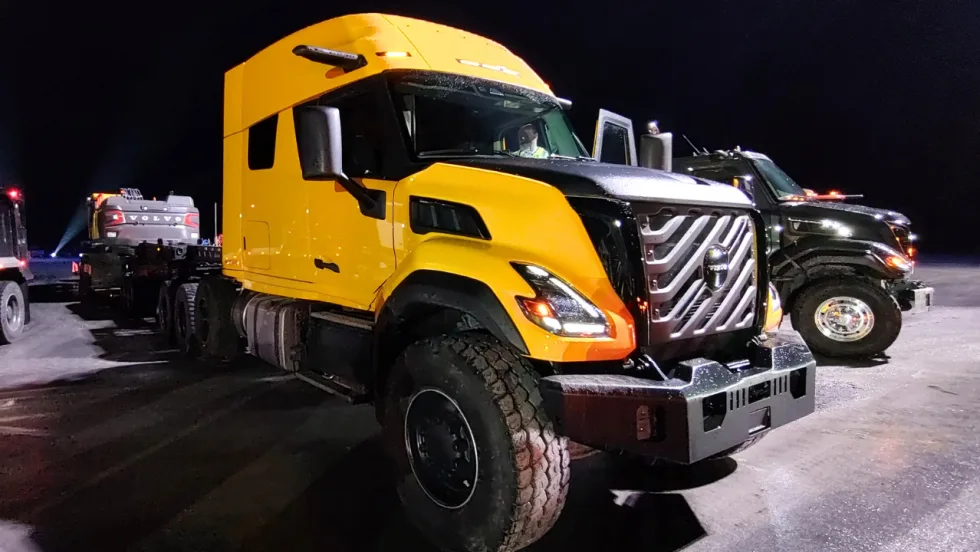
Volvo Unveils New VNX Heavy-Haul and Vocational Truck
Volvo Trucks has launched the VNX, a new vocational truck also available as a tractor in day cab and two sleeper configurations, with one heavy-haul model. The Volvo VNX is powered by Volvo's D13 platform, which delivers up to 540 horsepower and 1,950 pound-feet of torque and is EPA 2027-compliant.
Read More →
How GP Transco Cuts Trucking Fuel Costs, a Tenth of a Gallon at a Time
What’s another tenth of a mile per gallon worth? GP Transco shares how equipment upgrades and driver coaching turn small gains into meaningful fuel savings.
Read More →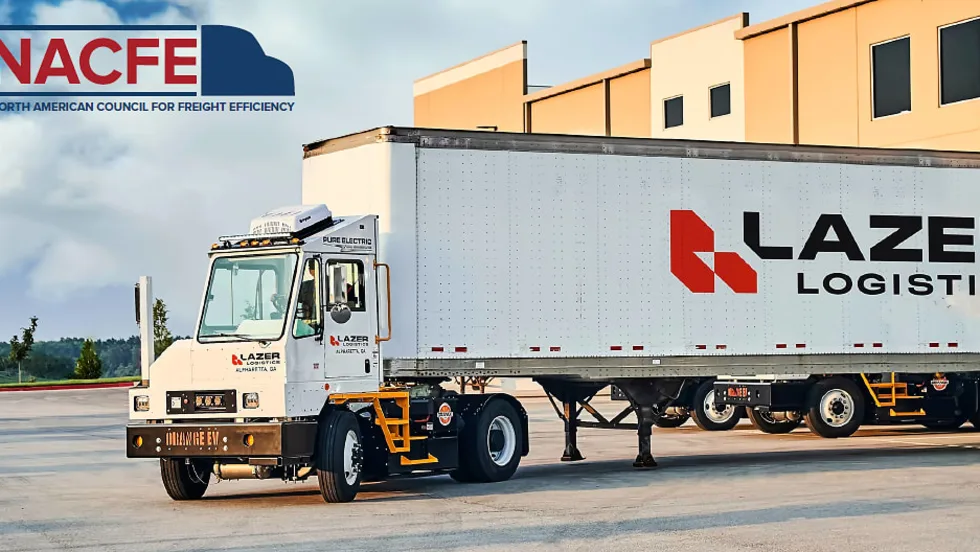
Electric Yard Tractors Move Beyond Pilots
Operating-cost savings have overtaken sustainability goals as the leading reason surveyed fleets are adopting battery-electric terminal tractors, according to new NACFE research.
Read More →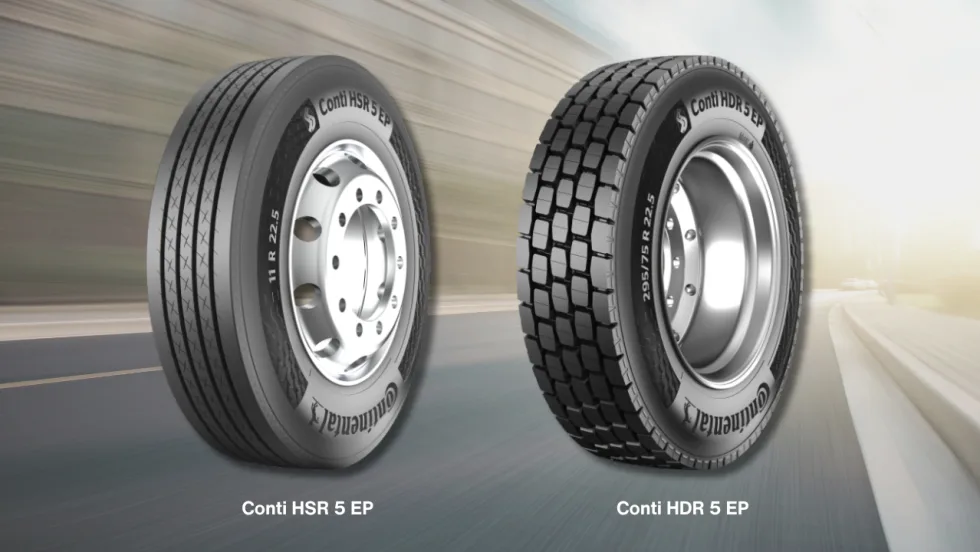
Continental Introduces New Regional Truck Tires
Continental says its new Generation 5 steer and drive tires for regional operations offer longer tread life, with estimated mileage gains of 22% and 19%, respectively.
Read More →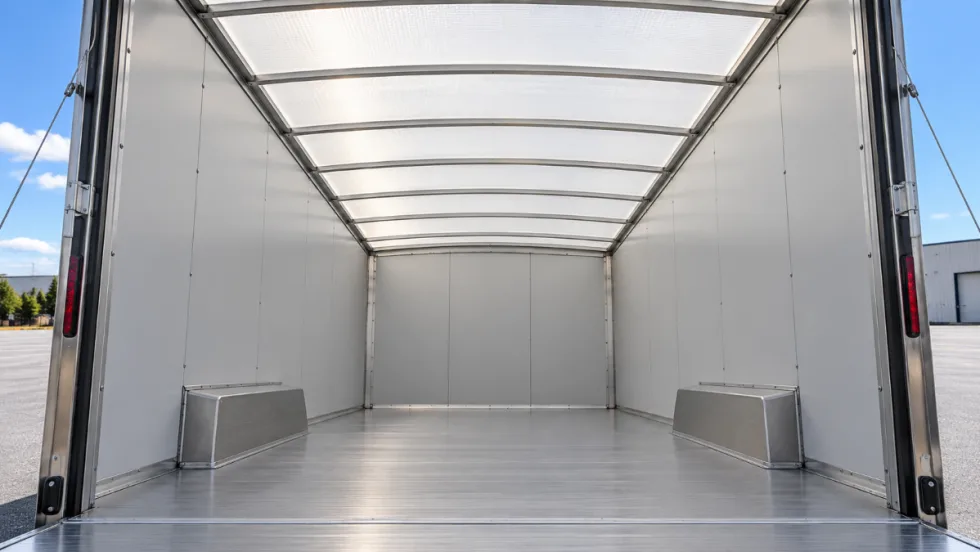
Tekmodo Introduces CargoBright Brand for Translucent Trailer Roofs
CargoBright is designed to diffuse daylight across the cargo area while performing as a working vehicle roof.
Read More →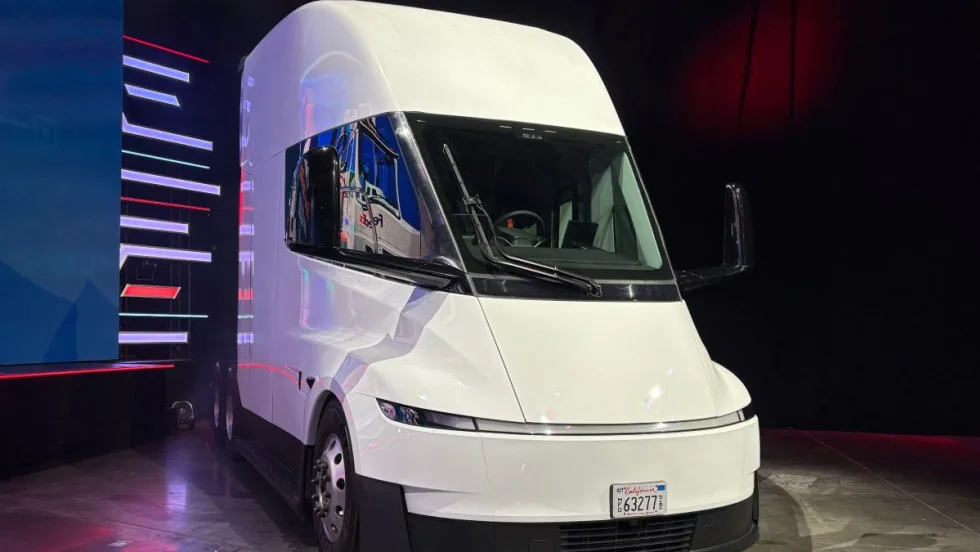
Fleet Economics Shape Electric Truck Outlook
ACT Research expects costs, charging infrastructure, and technology improvements to drive zero-emission commercial vehicle adoption as federal regulations and incentives retreat.
Read More →
Kodiak Targets Dallas–Houston for Driverless Trucks
The company says its autonomous trucks are completing the I-45 run without a safety observer taking control. It plans to remove the observer by the end of 2026.
Read More →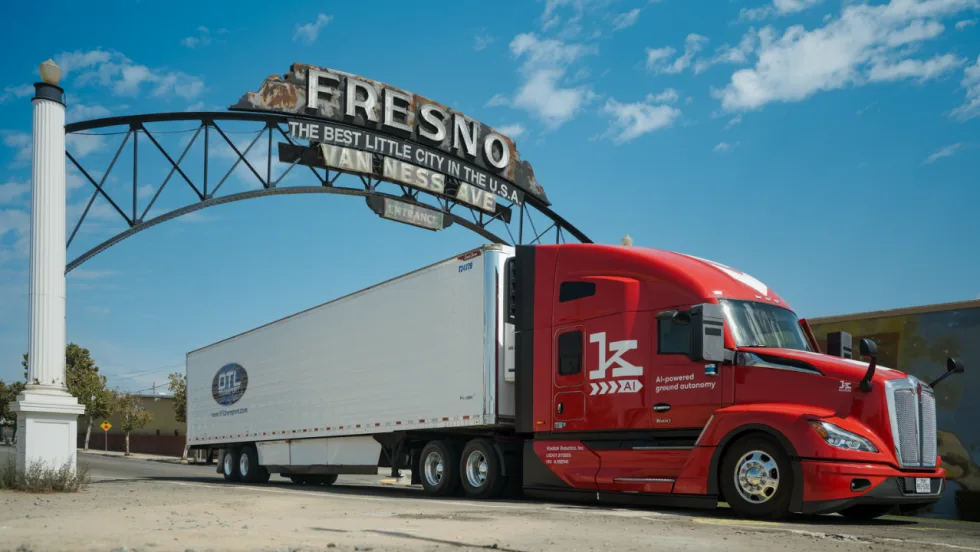
Kodiak Hauls Produce in California Autonomous Truck Pilot
Kodiak AI and DTL Transport have begun hauling produce between Fresno and Los Angeles under California’s new rules for testing heavy-duty autonomous trucks. A safety driver remains behind the wheel.
Read More →