




Covering trucking for 90 years: Part 3: The 1990s Through Today
We continue our reflection back on the past 90 years of HDT's history. We start Part Three of the series in the 1990s
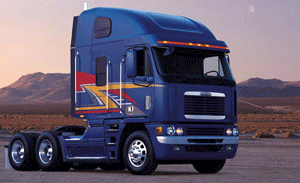
In 1998, the U.S. say the last gasp of the Class 8 cabover when Freightliner introduced the Argosy.
We continue our reflection back on the past 90 years of HDT's history. We start Part Three of the series in the 1990s.
The regulatory landscape continued to evolve. The Trucking Industry Deregulation Act of 1994 prohibited economic regulation at the state level. In 1996, the Interstate Commerce Commission was abolished, with remaining rules transferred to a new Surface Transportation Board within DOT.
New regulations focused on the environment and safety.
Despite fears that new EPA regulations would mean the end of diesel, engine makers produced 1991 engines that were actually more fuel-efficient. The key breakthrough was electronic controls.
On April 1, 1992, all drivers of trucks over 26,000 pounds were required to have a Commercial Driver's License. HDT reported that a shortage of testing facilities would result in about 500,000 truckers missing the deadline.
By 1998, all new air-braked trucks and trailers were required to have antilock brakes, which had come a long way since the "121" debacle, thanks to electronics. However, HDT reported there were still challenges. "The burning issue continues to be power between the tractor and trailer."
Despite all these new regulations, Congress did not think enough was being done to address the safety of the trucking industry, and in 1999 passed a law creating a separate trucking safety administration.
Equipment advances in the 1990s included early electronic stability control and electronically automated manual transmissions.
The late '90s also saw the birth of a communications revolution. In January 1998, a cover story on "Options in Space" looked at tracking fleets via low-earth-orbit satellites (Qualcomm, anyone?)
And then there was the Internet. HDT launched its website, www.truckinginfo.com, in the late '90s.
HDT ran a series throughout much of 2001 on "Coping with Crisis."
"Spiking fuel costs, a driver short-age, severe winter weather, and a variety of economic factors - including a glut of used trucks impacting equipment trade cycles and fleet financials - have combined to make this first year of the new millennium one of the most challenging for fleet managers since deregulation of trucking in 1980," we wrote.
The Federal Motor Carrier Safety Administration was officially born in January 2000, ushering in a decade of increasing safety regulations that would culminate in CSA 2010.
Long-awaited reform of truck driver hours-of-service rules went into effect in 2004 but were challenged in court, rewritten, and challenged again in a never-ending cycle that is still ongoing.
A February 2000 cover story asked, "Electronic Logbooks: Are you Ready?" after federal legislation directed the DOT to look into making onboard recorders mandatory. By late 2009, as more fleets discovered a business case for electronic logs, HDT's cover story asked, "Electronic Logs: The End of the Comic Book?"
There also were the ever-tightening engine emissions regulations.
A January 2000 cover story, "War on Diesel," reported on the EPA's efforts to declare diesel exhaust a cancer threat. "The U.S. government is trying to declare a death sentence on the use of diesel-powered vehicles," Glenn Keller, executive director of the Engine Manufacturers Association, told HDT.
In January 2002, HDT reported that most engine makers would use cooled exhaust-gas recirculation (EGR) to meet the regulations. Caterpillar said it wouldn't have its technology ready until a year past the October 2002 deadline, which had been pushed up from January 2004 due to a settlement between most engine makers and the EPA. ACERT was not the success Cat hoped it would be, and by the end of the decade, the company decided to get out of the on-highway engine business.
Throughout the decade, major cover stories nearly every year covered the industry's battle with the increasing and volatile cost of fuel.
In the first quarter of 2000, independent truckers staged protests over the price of fuel as diesel prices reached well over $2 per gallon in the Northeast. By that fall, crude oil hit a 10-year high of $38 a barrel.
By 2008, crude oil was over $100 a barrel and diesel prices spiked to an unheard-of $ 5-plus a gallon in some areas. HDT devoted its entire June issue to "Fuel Crisis Survival." The issue would go on to win the Grand Neal award for business journalism from the American Business Media. Another common theme, especially during the first half of the decade, was terrorism. In November 2001, HDT's cover story focused on the aftermath of the September 11 terrorist attacks. "Before, vehicles were means of conveyance. Now they are potential weapons of mass destruction."
The themes of the aughts continue in our current decade. Fuel prices are still high, leading to many articles on upping mpg and exploring alternative fuels such as natural gas, and the economy is still only sluggishly recovering from the Great Recession.
EPA's 2010 emissions regulations mean in some areas, diesel engines are putting cleaner air out the exhaust than they are taking in. But the government has a new round of standards, this time targeted at greenhouse gas emissions in the form of fuel-economy standards.
The number of regulations, especially regarding drivers, continues to increase. The FMCSA continues to search for an hours-of-service rule that won't end up in court; it's working on a new electronic logs proposal since its first rule was struck down in court; and other driver health and screening regulations are in the works or now on the books.
The biggest change on the regulatory front has been CSA, the FMCSA's Compliance, Safety, Accountability enforcement system. The system, originally dubbed Comprehensive Safety Analysis 2010, has been changing practices and attitudes on everything from pretrip inspections to electronic logs to driver training and retention.
At the same time, the industry is changing. A March 2010 cover story launched a series on "The Changing Face of Trucking," noting that "Once upon a time, you had truckload companies, less-than-truckload companies, warehousing/ logistics companies, rail intermodal companies, port drayage companies and brokers. But today, the lines are blurring."
As the industry continues to change, HDT will change with it.
Related articles:
10/3/2012 - HDT's Anniversary: Covering Trucking for 90 Years (Part One)
Covering Trucking for 90 years: Part 2 - The 1970s through the 1980s
From the December issue of HDT magazine.
More Aftermarket
What Three Fleets Are Doing Differently When Buying Truck Parts in 2026
With freight improving but costs still climbing, fleet maintenance executives explain how they're balancing price, quality, and supplier relationships.
Read More →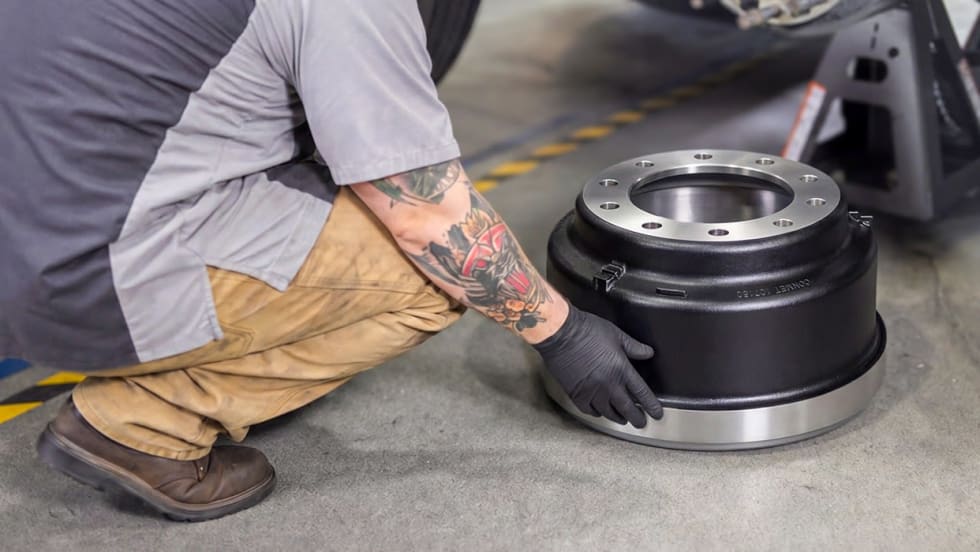
ConMet Expands Aftermarket Brake Drum Lineup With TruCast
A new heavy-duty truck brake drum option in the aftermarket gives customers more flexibility within the ConMet product family.
Read More →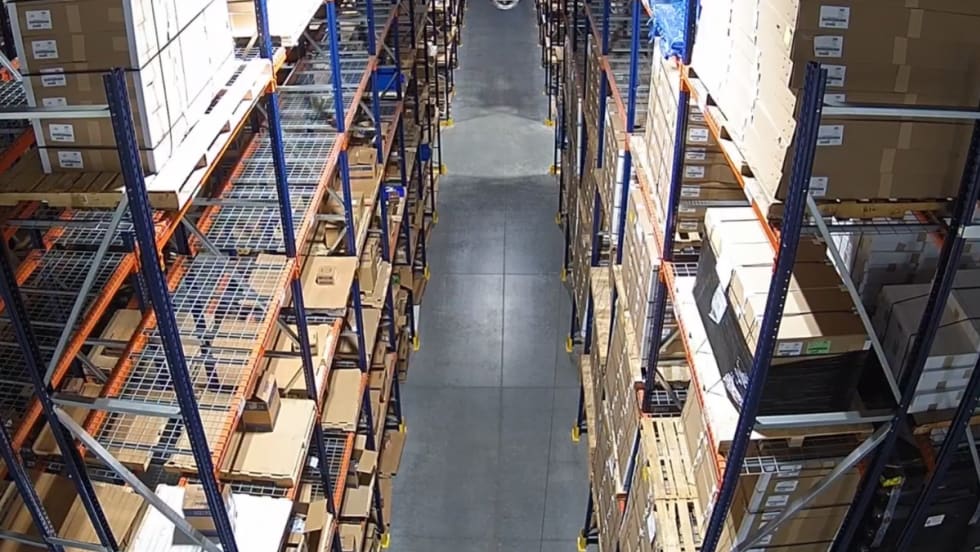
Phillips Opens High-Tech Distribution Center for Faster Parts Delivery
Phillips Industries’ new Cincinnati-area distribution center is now shipping aftermarket trucking parts nationwide, aiming to speed up delivery times for customers.
Read More →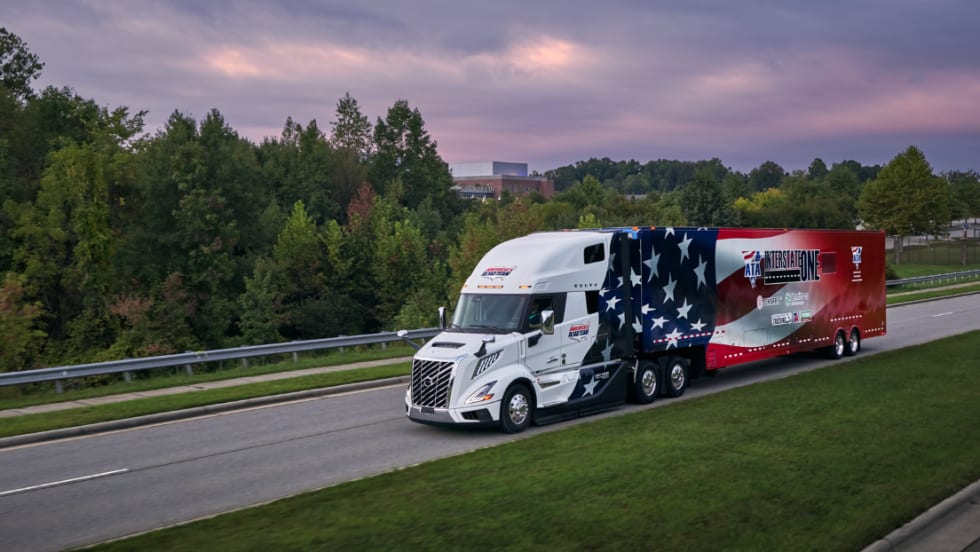
Volvo to Sponsor America’s Road Team for 2025
Volvo Trucks announced that it is extending its exclusive sponsorship of America’s Road Team for 2025.
Read More →
Webb to Start Taking Orders for UltraSet Pre-Adjusted Wheel Hubs
Webb, which recently acquired the Stemco Trifecta pre-adjusted hub program, will soon start taking orders for its replacement pre-assembled hub, the UltraSet.
Read More →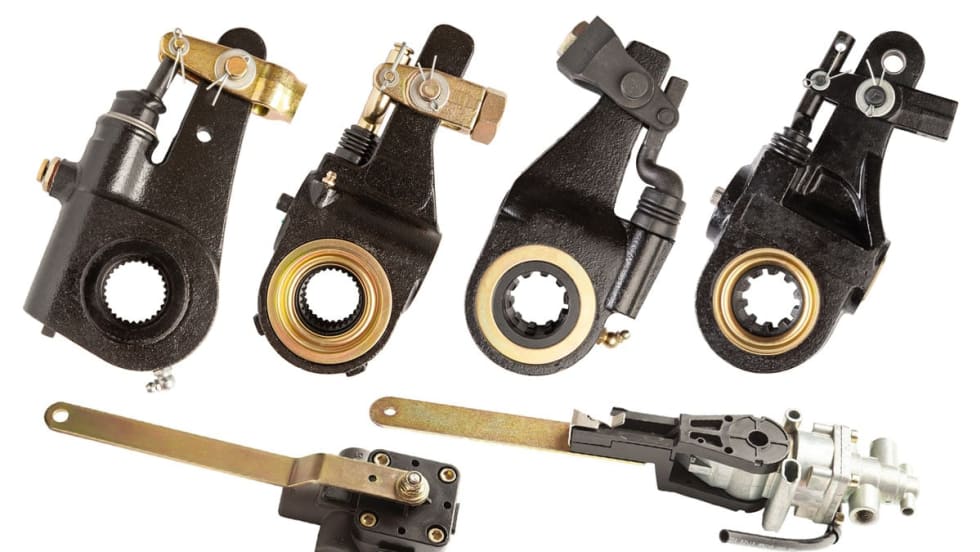
All-Makes Automatic Brake Adjusters, Ride Height Control Valves from Midland
SAF-Holland has added automatic brake adjusters and ride height control valves to its Midland All-Makes Program.
Read More →
ZF Aftermarket Expands [pro]Academy Training
ZF Aftermarket said it is expanding its ZF [pro]Academy training and will be adding 40 new modules this year.
Read More →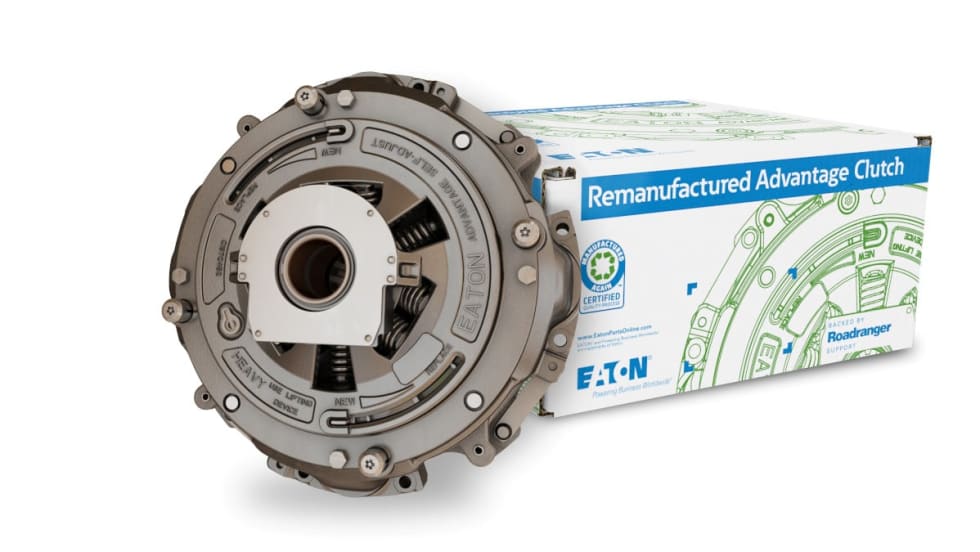
Eaton Adds Remanufactured Advantage Line of Clutches
Eaton has added its Advantage clutches to its remanufactured product line. The clutches feature a unique strap drive intermediate plate designed to allow customers to choose the latest OE specification
Read More →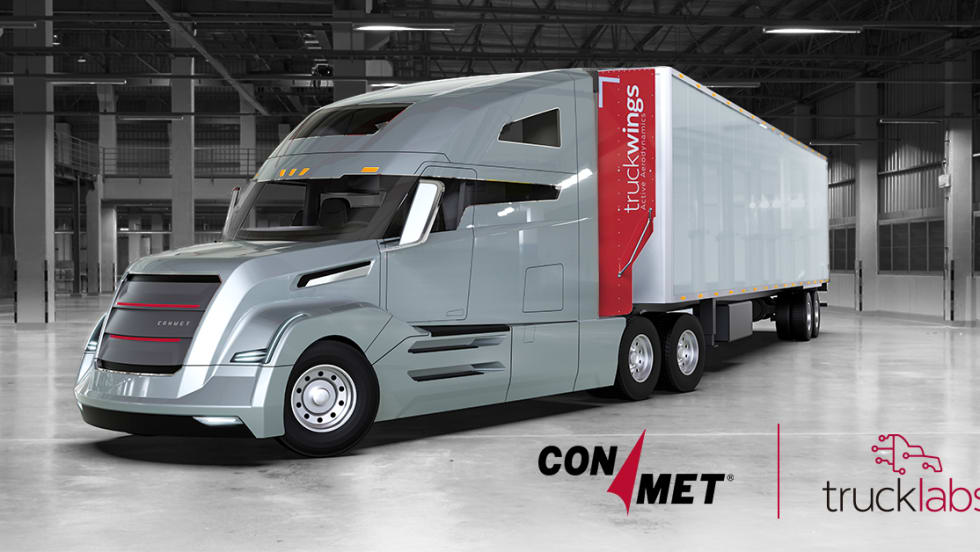
ConMet Acquires TruckLabs, the Creator of TruckWings
Commercial truck and trailer parts provider ConMet acquired TruckLabs, the company that created TruckWings, an aerodynamic device that attaches to truck cabs and deploys to close the gap between truck and trailer. TruckLabs now operates as a subsidiary of ConMet.
Read More →
Diesel Laptops Releases Fault-Code-to-Part-Number Tool
Diesel Laptops said its Truck Fault Codes allows users to input a fault code and immediately identify and order the parts needed to complete repair work.
Read More →