




Congress Considering Separate Truckways
A plan introduced Thursday on Capitol Hill would see special truck lanes on interstate highways that would allow longer, heavier trucks but would keep them separated from cars. But the special truck highways would come with a price – tolls
A plan introduced Thursday on Capitol Hill would see special truck lanes on interstate highways that would allow longer, heavier trucks but would keep them separated from cars. But the special truck highways would come with a price – tolls.
The Reason Foundation, a Los-Angeles-based think tank, says toll truck lanes, separated from car traffic by concrete barriers, would significantly reduce the number of car-truck accidents and cut the nation’s trucking costs by as much as $40 billion per year. In addition to being separated from regular traffic by continuous concrete Jersey barriers, the truck lanes would have their own entrance and exit ramps.
The Foundation says U.S. House Transportation & Infrastructure Committee Chairman Don Young (R-Alaska) and the National Safety Council are among those expressing support for the toll truckways concept. According to published reports, Rep. Young would like to include a pilot program to test the idea in next year’s highway bill.
“Toll truckways would be ‘freeways-within-the freeway’ and provide a system geared toward safer, more productive trucks,” said Robert Poole, director of transportation studies at Reason Foundation and co-author of the report. “These lanes offer greater protection from car-truck accidents while also permitting trucking and shipping companies to run larger, more economical rigs.”
The authors of the study analyzed five different truck size and weight scenarios used by the U.S. Department of Transportation and found the use of Longer Combination Vehicles (doubles and triples that weigh more than 80,000 pounds) could reduce trucking costs in the United States by between $10 and $40 billion per year. Furthermore, with specialized truck lanes, federal and state governments would experience reduced road maintenance expenses and avoid the costs of upgrading all travel lanes to accommodate heavier loads.
LCVs are currently allowed in some western states and turnpike states. Under the proposal, in states where they are not presently permitted, LCVs would be restricted to the truck-only lanes and thus would not mix with car traffic or be allowed in urban areas. Trailer combinations would be assembled and disassembled in staging areas near the truckways, enabling conventional combinations (usually a regular tractor/trailer) to make use of local freeways at existing weight and length limits.
The proposal calls for the truckways to be financed by toll revenue bonds, backed by the projected toll revenues. “Taxpayers won’t bear the costs of building or maintaining these roads,” Poole said. “The productivity gains that trucking companies will experience are huge and the lanes will be self-supporting with tolls ranging from 40 to 80 cents per mile.”
American Trucking Associations President and CEO William Canary called the proposal “an innovative approach to dealing with the growing traffic congestion that costs our nation’s economy more than $78 billion per year. Also, since 70 percent of fatal crashes involving cars and trucks begin with the actions of the car driver, separating car and truck traffic holds the promise of significantly improving highway safety.”
However, Canary noted, a safe and economically viable truck lane proposal would require elements such as:
Use of tolled lanes is voluntary
It adds highway capacity rather than tolling existing highway lanes
Trucks would not be subject to double taxation – they would not have to pay federal and state highway user fees in addition to the cost of the toll.
The National Safety Council supports the plan, but Advocates for Highway and Auto Safety said it could not support longer, heavier trucks.
More Drivers

How Fraley & Schilling Improved Logbook Compliance by Over 50%
Fraley & Schilling needed a way to close a compliance workflow gap in its ELD system without adding more work from driver training, reminders, and back-office follow-ups. It found the answer in a custom driver app.
Read More →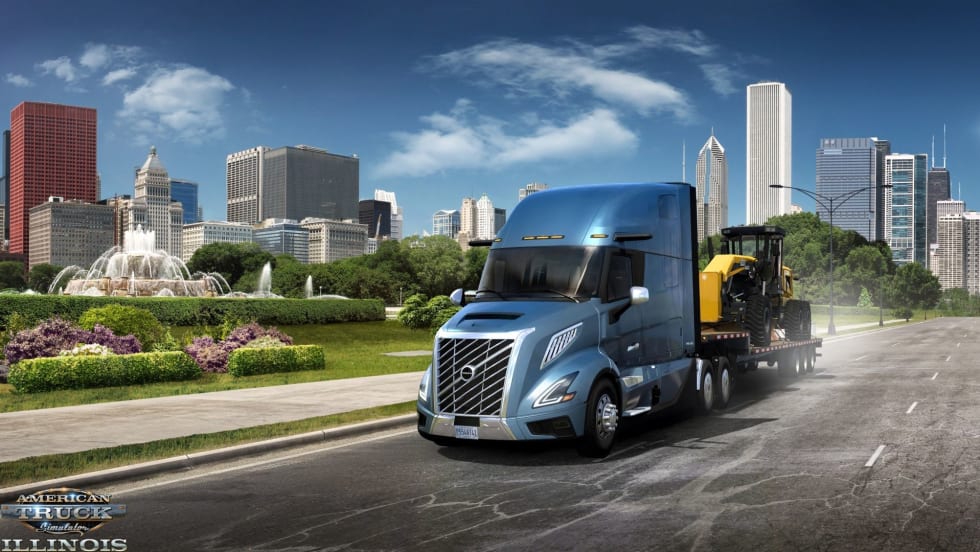
Volvo Goes Gaming
Volvo has roared into American Truck Simulator with two new flagship trucks.
Read More →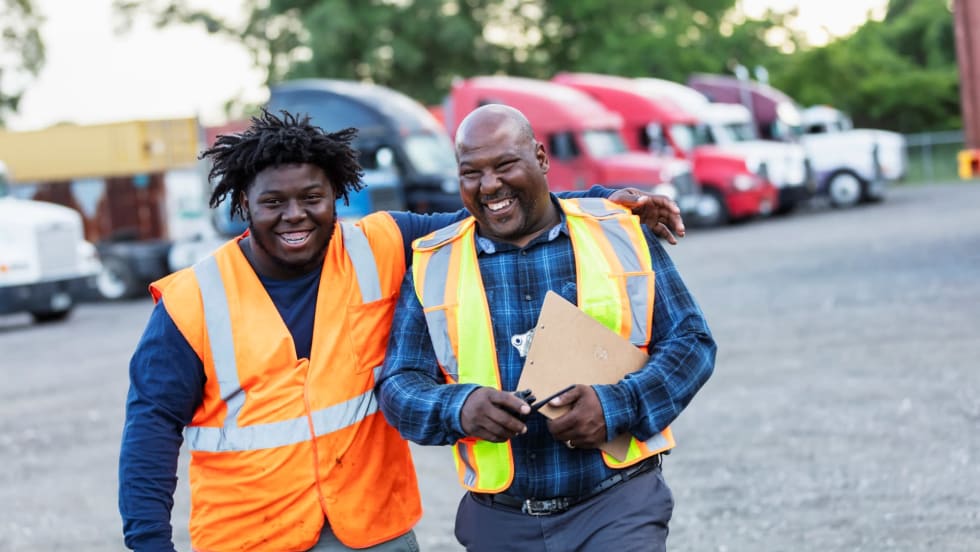
What the Best Fleets to Drive For Teach About Driver Retention
Survey fatigue, AI-powered routing, owner-operator expectations, and the decline of social media all emerged as themes from this year's Best Fleets to Drive For program.
Read More →
Driver Retention Lessons From the Best Fleets to Drive For
What separates trucking's best workplaces from the rest? Jane Jazrawy shares the biggest lessons from this year's Best Fleets to Drive For program on driver retention, communication, AI, and workforce trends on the HDT Talks Trucking podcast.
Read More →
Farewell, CDL: Why I'm Giving Up My Commercial Driver's License
After more than 20 years as a CDL holder, HDT Executive Editor Jack Roberts is letting his commercial license expire. Not because he wants to — but because trucking's nuclear verdict crisis has made the risks of public-road test drives too great for editors, manufacturers, and everyone involved.
Read More →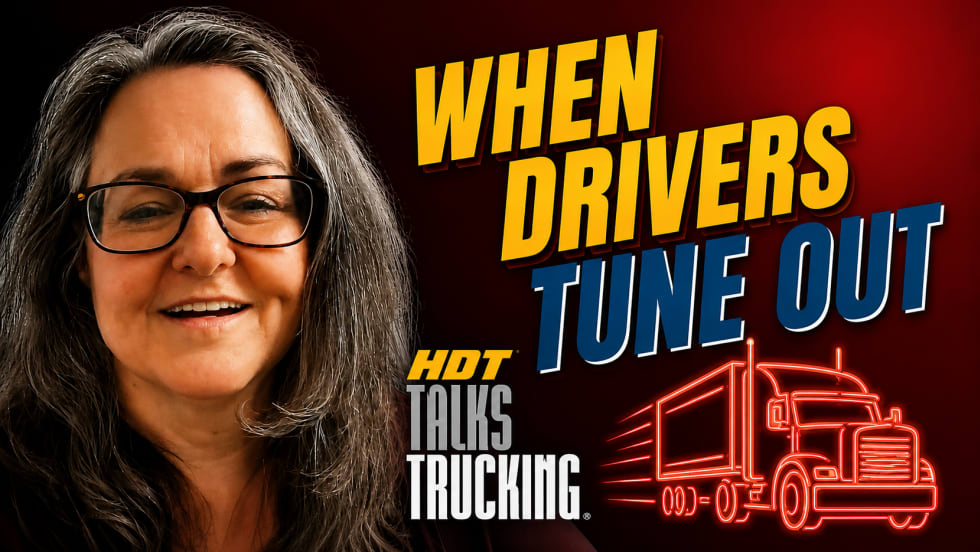
How Top Trucking Fleets Improve Driver Retention [Video]
What do healthy snacks, optimized routing, and just picking up the phone have in common? They're all strategies the Best Fleets to Drive For are using to retain truck drivers.
Read More →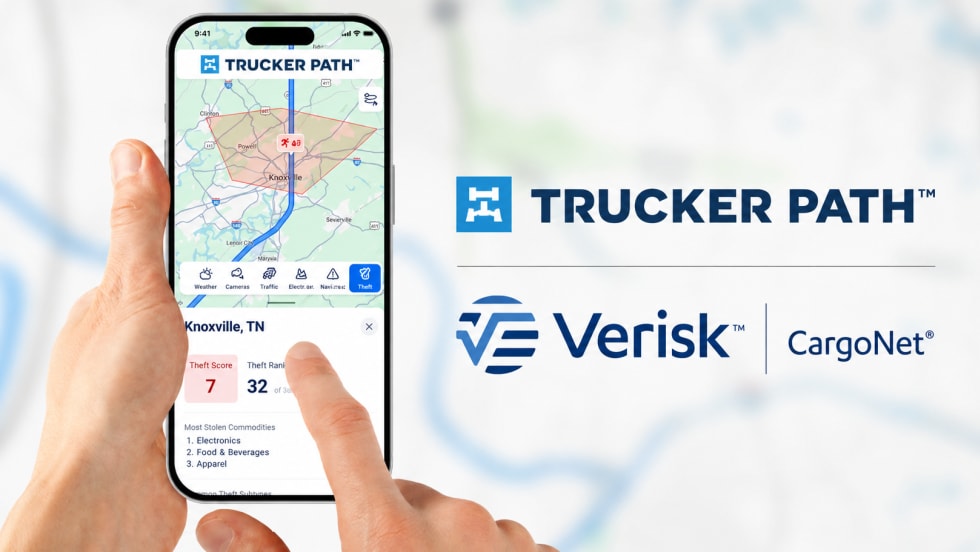
Trucker Path Adds Verisk CargoNet Theft Data to Navigation Platform
Trucker Path’s new cargo theft risk overlays give drivers and fleets visibility into high-risk areas, stolen commodity trends, and theft hotspots.
Read More →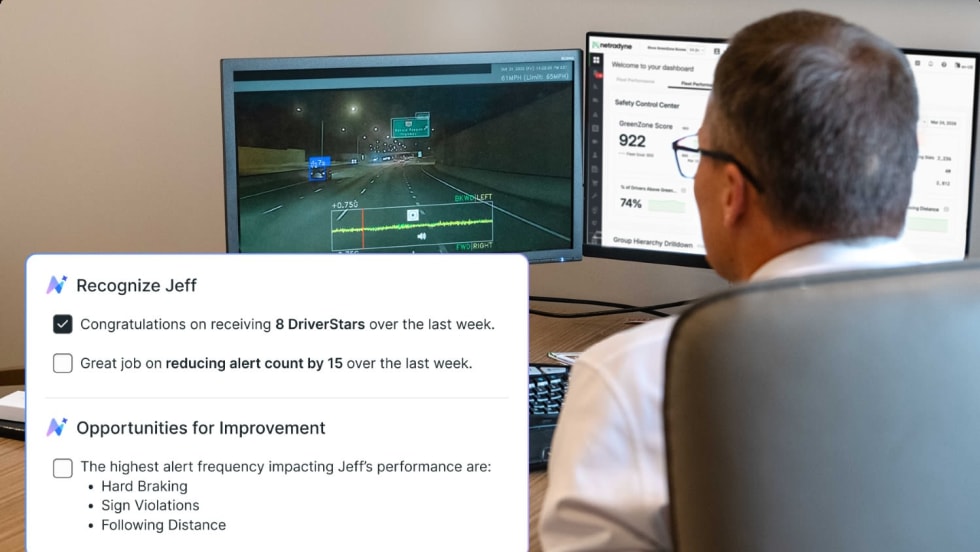
Netradyne Intelligence Uses New AI Agents to Automate Response to In-Cab Camera Data
The company called the next-generation in-cab camera safety platform "a fundamental shift from systems that report on what happened to systems that actively drive what should happen next."
Read More →
Why Truck Detention Keeps Costing Fleets Time and Money
A 2024 ATRI study found detention affects nearly 40% of truckload stops and costs the industry more than $15 billion annually. Despite the toll on drivers, fleets, and supply chains, the problem remains stubbornly persistent.
Read More →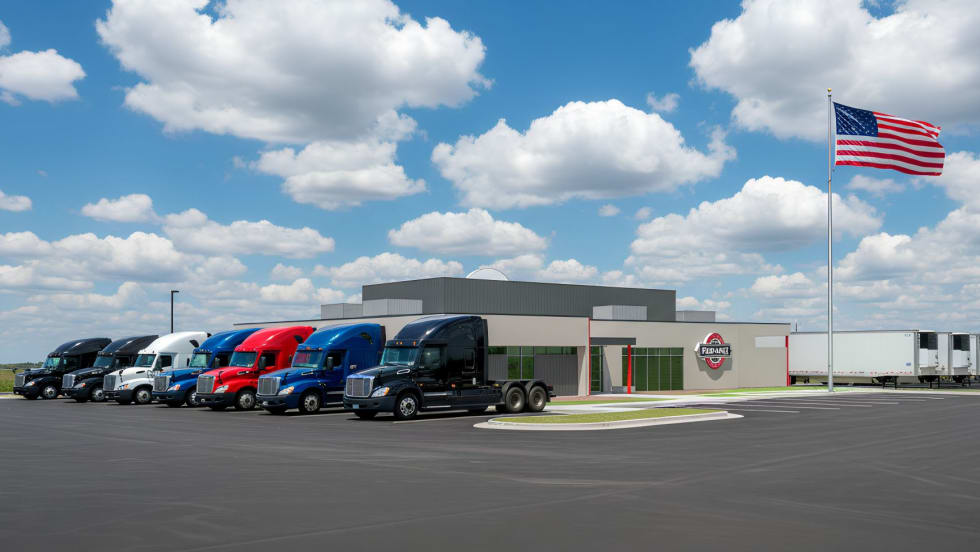
Prime Inc. to Open $7.9M Flagship Used-Truck Dealership
A new driver-focused facility to sell Prime Inc's used trucks and trailers will be the first purpose-built location in the company's history.
Read More →