




Compromise Reached On Mexican Trucks
A stalemate over Mexican trucks appears to be over. Congressional leaders and the Bush administration have reportedly reached an agreement that would allow Mexican truck full access to the United States
A stalemate over Mexican trucks appears to be over. Congressional leaders and the Bush administration have reportedly reached an agreement that would allow Mexican truck full access to the United States.
The plan is included in the current fiscal year’s transportation funding package, which has been long in Congress. The new fiscal year started on Oct. 1. Before that date the House and Senate passed separate versions of the spending plan. The House passed an outright ban on Mexican trucks by refusing to fund processing of Mexican trucking company applications for authority, while the Senate version called for tougher Mexican truck regulations. Both measures received the threat of a veto from President Bush, who earlier this year pledged to give Mexican trucks access to U.S. markets beyond the narrow commercial trading zone, as called for in the long-delayed provision of the North American Free Trade Agreement, at the border no later than Jan. 1.
Under the compromise announced Wednesday by Senators John McCain (R-Ariz) and Phil Gramm (R-Texas), the U.S. Transportation Department will conduct onsite safety inspections of half of all Mexican fleets wanting to operate in the U.S. The DOT will also verify all Mexican truck drivers’ licenses carrying high risk cargo into the country and half of all other Mexican truck driver’s licenses at the border. Weigh in motion scales will be placed at five U.S. border entry points immediately and at five more within a year, and Mexican trucks can enter the U.S. only at border crossings staffed with inspectors.
This plan softens requirements passed earlier by the Senate when it comes to inspections of Mexican carriers and weigh in motion equipment. However it toughens a Bush administration proposal that would have allowed Mexican carriers to operate in the U.S. for up to 18 months while their safety claims were verified, provided they were in compliance with this country’s safety standards.
The compromise is getting high marks from one group that has been the most vocal opponent of allowing Mexican trucks further access to the U.S. The Teamsters Union issued a statement this afternoon calling the deal a "victory for highway safety."
Since passage of the North American Free Trade Agreement the Teamsters have blasted the pact, saying its provisions over Mexican trucks put highway safety at risk by allowing poor equipment and drivers into the United States.
The American Trucking Associations, which has been for cross-border trucking, also praised the development. "This is great news for the American trucking industry and our ATA motor carriers," said William Canary, ATA President and CEO. "It gives us the open borders we need to freely do our job of moving freight and helping to rebuild the U.S. economy. It maintains the safety requirements that we have insisted on all along, that trucks entering the U.S. from Mexico must meet the same safety standards that we do."
More Drivers
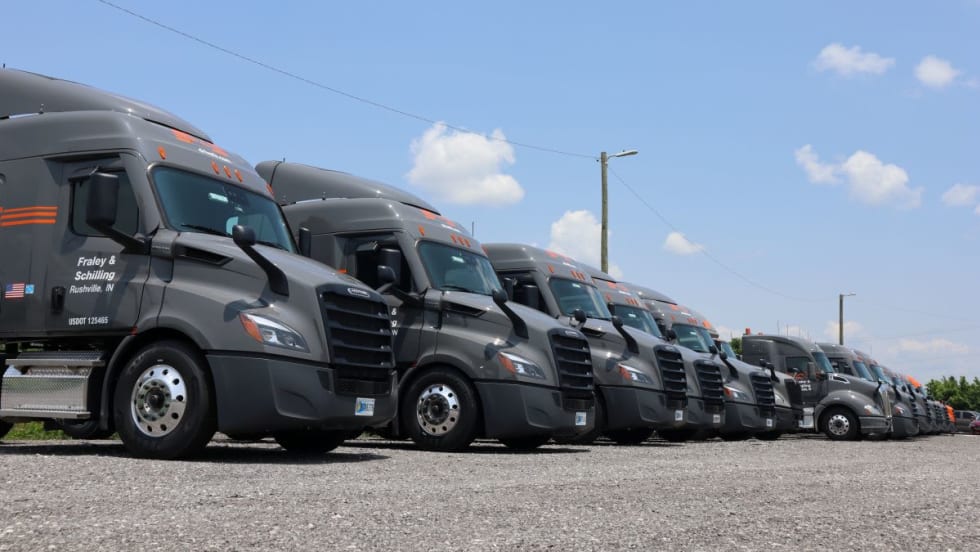
How Fraley & Schilling Improved Logbook Compliance by Over 50%
Fraley & Schilling needed a way to close a compliance workflow gap in its ELD system without adding more work from driver training, reminders, and back-office follow-ups. It found the answer in a custom driver app.
Read More →
Volvo Goes Gaming
Volvo has roared into American Truck Simulator with two new flagship trucks.
Read More →
What the Best Fleets to Drive For Teach About Driver Retention
Survey fatigue, AI-powered routing, owner-operator expectations, and the decline of social media all emerged as themes from this year's Best Fleets to Drive For program.
Read More →
Driver Retention Lessons From the Best Fleets to Drive For
What separates trucking's best workplaces from the rest? Jane Jazrawy shares the biggest lessons from this year's Best Fleets to Drive For program on driver retention, communication, AI, and workforce trends on the HDT Talks Trucking podcast.
Read More →
Farewell, CDL: Why I'm Giving Up My Commercial Driver's License
After more than 20 years as a CDL holder, HDT Executive Editor Jack Roberts is letting his commercial license expire. Not because he wants to — but because trucking's nuclear verdict crisis has made the risks of public-road test drives too great for editors, manufacturers, and everyone involved.
Read More →
How Top Trucking Fleets Improve Driver Retention [Video]
What do healthy snacks, optimized routing, and just picking up the phone have in common? They're all strategies the Best Fleets to Drive For are using to retain truck drivers.
Read More →
Trucker Path Adds Verisk CargoNet Theft Data to Navigation Platform
Trucker Path’s new cargo theft risk overlays give drivers and fleets visibility into high-risk areas, stolen commodity trends, and theft hotspots.
Read More →
Netradyne Intelligence Uses New AI Agents to Automate Response to In-Cab Camera Data
The company called the next-generation in-cab camera safety platform "a fundamental shift from systems that report on what happened to systems that actively drive what should happen next."
Read More →
Why Truck Detention Keeps Costing Fleets Time and Money
A 2024 ATRI study found detention affects nearly 40% of truckload stops and costs the industry more than $15 billion annually. Despite the toll on drivers, fleets, and supply chains, the problem remains stubbornly persistent.
Read More →
Prime Inc. to Open $7.9M Flagship Used-Truck Dealership
A new driver-focused facility to sell Prime Inc's used trucks and trailers will be the first purpose-built location in the company's history.
Read More →