




Columbus to Place 18 CNG Automated Side Loaders Into Service by End of 2013
The City of Columbus, Ohio, plans to place an additional 44 dedicated CNG units into service by the end of 2013. Columbus is also currently building a second CNG fueling site located on the north side of the city.
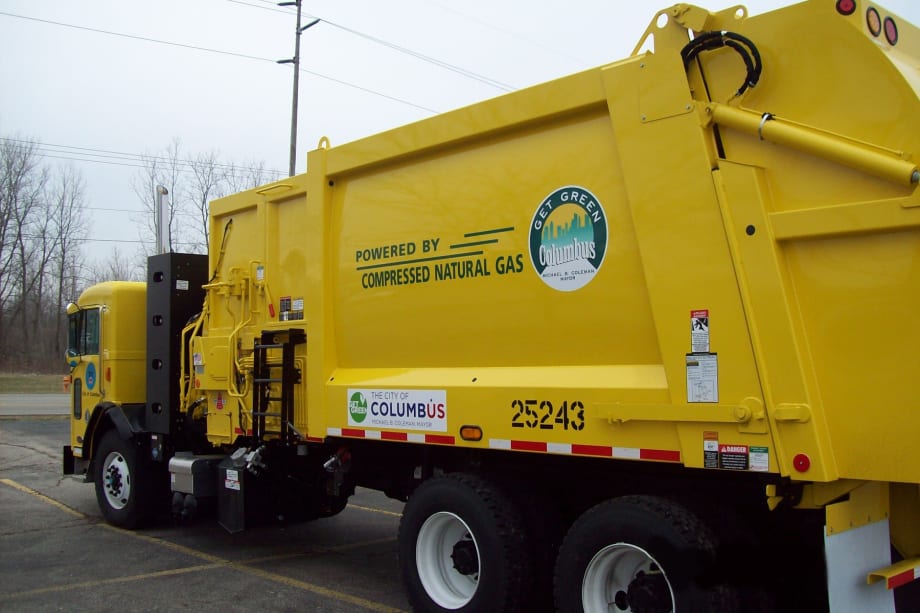
The City of Columbus will have a total of 64 CNG units in service in total by year-end 2013. Out of that number, 18 will be CNG automated side loaders.
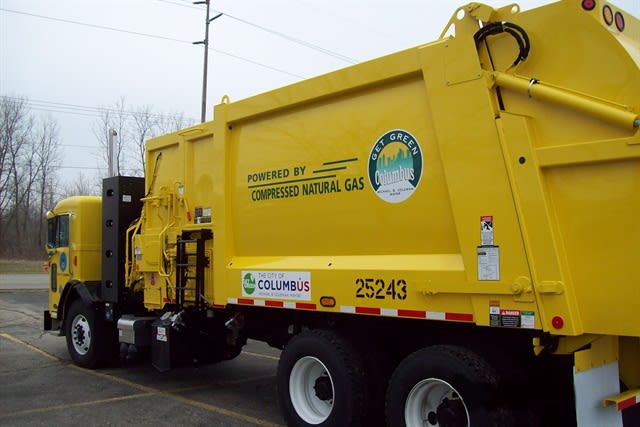
The City of Columbus will have a total of 64 CNG units in service in total by year-end 2013. Out of that number, 18 will be CNG automated side loaders.
The City of Columbus, Ohio, plans to place an additional 44 dedicated CNG units into service by the end of 2013. The City has 18 scheduled for delivery by the end of February with several units already delivered and being labeled and prepped for service, according to Columbus’ Fleet Administrator Kelly Reagan. These new CNG units are replacements for diesel vehicles in the fleet.
The new vehicles are Peterbilt 320s with 2013-MY Heil bodies. Reagan said the Mayor of Columbus, Michael Coleman, has been behind the effort to transition to alternative-fuel transportation and that this shift is already producing savings. The City did not use grant funding to purchase the new CNG vehicles, and Reagan said Columbus expects the new units will break even cost-wise after five years of service.
“Because the City keeps these units for eight years on average, the ROI is an attractive 54%, netting the city savings of almost $9,000 per year per vehicle in fuel savings,” Reagan explained. “More importantly, by year-end 2013 and year-end 2014 the city will be reducing its CO2 emissions by 1,955 and 3,249 metric tons respectively – this is the equivalent of removing 383 and 637 cars per year respectively.”
Beyond this initial order, Reagan told Government Fleet that the City plans to continue to increase the number of heavy-duty replacement vehicles in the fleet that are dedicated CNG units this year and in the years to come. Columbus’ Division of Fleet anticipates that there will be a total of 64 units in service by year-end 2013, displacing more than 239,000 gallons of diesel and saving the City of Columbus approximately $442,000 for the year.
The City opened its first CNG fueling station on April 17, 2012. This station is pumping CNG fuel for all city-owned vehicles, private-sector companies, and private individuals. Since creating infrastructure for all city-owned fueling is imperative, the City is currently building a second CNG fueling site located on the north side of the city – this dedicated CNG site will also provide public access for both private and public fueling. The planned location for the new station required re-zoning in order to make it open to the public, but Reagan said the City’s goal is to encourage broader adoption of CNG-fueled vehicles in the area rather than restrict it to City fleet use only.
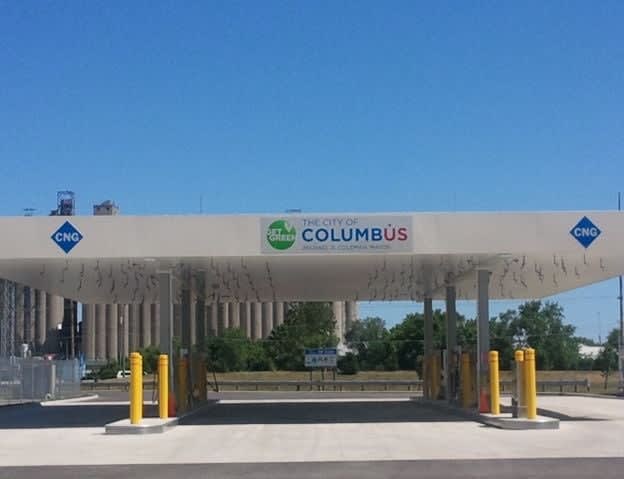
Columbus has opened one publicly accessible CNG fueling station so far, is buidling a second, and could eventually build a third.
The strategy for public fueling is a demonstration of Mayor Coleman’s commitment to the environment, “making the campsite a little bit cleaner than the last guy left it,” Reagan said. The Mayor’s alternative fuel strategy includes, but is not limited to, the construction of a third CNG dedicated fueling site located on the west side of the City of Columbus.
By Greg Basich
More Fuel Smarts
Trucking’s Diesel Squeeze Isn’t Letting Up
With diesel topping $6 a gallon nationally, ATA's Bob Costello explains why fleets should prepare for continued pressure at the pump.
Read More →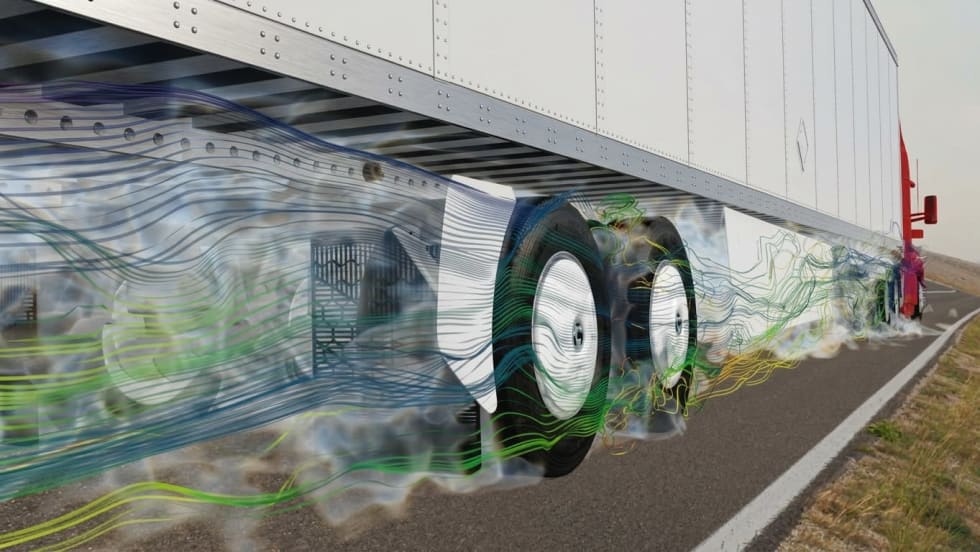
FlowBelow Redesigns Trailer AeroSlider to Cut Fuel Use
The lighter trailer aerodynamic system installs in less than 45 minutes, according to the company, with potential payback in under a year depending on fuel prices and trailer mileage.
Read More →
Why Diesel Price Relief Efforts May Fall Short
Diesel prices have eased from September’s record high, but doubts about additional Russian supply and limits on dyed-diesel tax relief mean trucking fleets still face expensive fuel. And prices could go higher.
Read More →
Why Small Fuel Savings Matter in Trucking
Can better fuel economy help pay for driver raises? In this podcast, GP Transco explains how small efficiency gains create room to reinvest in its people.
Read More →
How GP Transco Cuts Trucking Fuel Costs, a Tenth of a Gallon at a Time
What’s another tenth of a mile per gallon worth? GP Transco shares how equipment upgrades and driver coaching turn small gains into meaningful fuel savings.
Read More →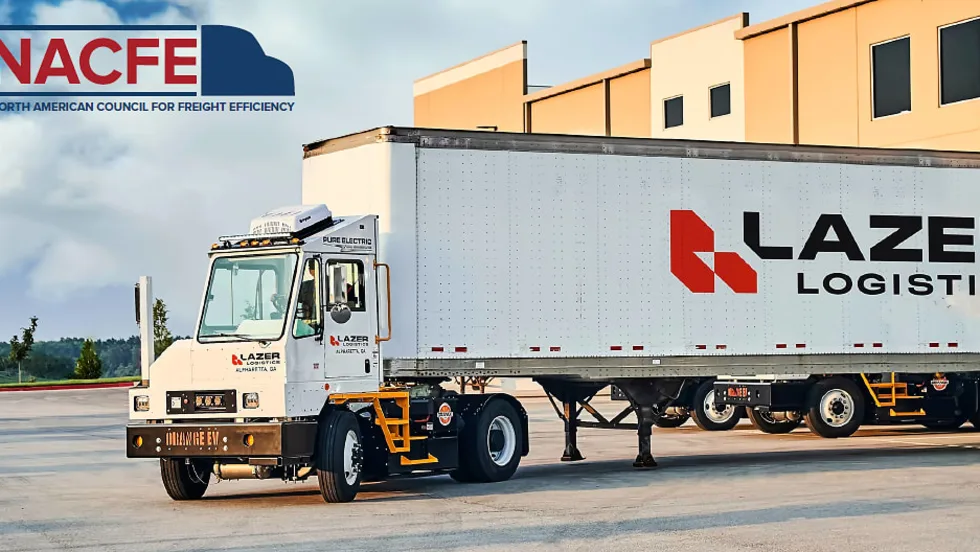
Electric Yard Tractors Move Beyond Pilots
Operating-cost savings have overtaken sustainability goals as the leading reason surveyed fleets are adopting battery-electric terminal tractors, according to new NACFE research.
Read More →
Geotab Links Fleet Card to Vehicle Data
The new card combines fuel discounts with telematics-based purchase controls. Geotab’s analysis also points to potential savings from choosing lower-priced fuel stops.
Read More →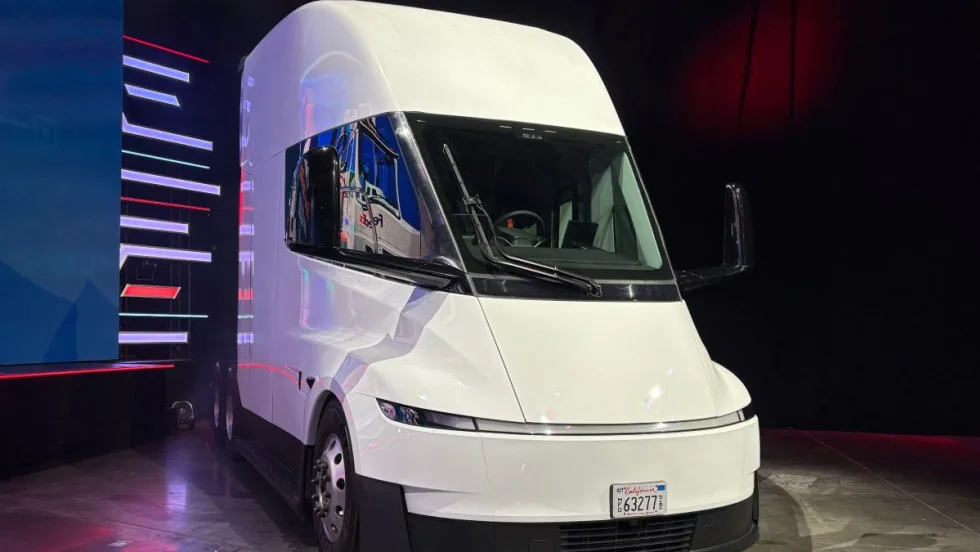
Fleet Economics Shape Electric Truck Outlook
ACT Research expects costs, charging infrastructure, and technology improvements to drive zero-emission commercial vehicle adoption as federal regulations and incentives retreat.
Read More →
Wex Adds Cardless Fuel Payments for Over-the-Road Customers
A new fuel card feature for Wex customers offers convenience and security.
Read More →
New California Law Could Shed Light on Electric Truck Prices
Why do battery-electric Class 8 trucks remain so expensive? A California bill signed by Gov. Gavin Newsom would give fleets and state agencies more visibility into what manufacturers charge.
Read More →