




Colorado Adds Scale Bypass
Colorado is installing PrePass weigh station bypass systems
Colorado is installing PrePass weigh station bypass systems.
Using computers and wireless data transponders, the state is automatically gathering truck weight and registration information at several of its 11 fixed ports of entry, and more are planned. Trucks that are traveling with legal weights and have the right operating credentials can drive past truck weigh stations at highway speeds.
Last year, 5.5 million trucks passed through the state’s fixed and mobile weigh stations. That figure is expected to grow by 4% a year. The growth “is outrunning our employees, who are working with a manual system,” said Jerry Pierce, chief of Colorado’s Port of Entry Section, in an interview with the Denver Post. “It’s not fiscally responsible to hire enough staff to cope with the truck traffic using a manual system.”
Although some in the industry are worried about who has access to transponder data, such as tax and law enforcement officials, many trucking companies appreciate the time and money saved.
State budget analysts estimate the automatic bypass system will save the trucking industry about $20 million over the next five years, through less idling time, a cut in overall fuel costs and time saved with fewer stops.
The first Colorado ports to incorporate automatic vehicle identification and weigh-in-motion opened last summer on northbound Interstate 25 four miles north of Trinidad and on westbound I-70 at Dumont. On June 30, automated ports will open on I-25 near Fort Collins; I-25 near Monument; and I-70 near Limon. Near the end of the year, PrePass will be added to ports on I-25 near Loma and on I-76 near Fort Morgan. Although Colorado is currently using PrePass, other vendors may be added to the system as they become operational in the state.
More Aftermarket

What Three Fleets Are Doing Differently When Buying Truck Parts in 2026
With freight improving but costs still climbing, fleet maintenance executives explain how they're balancing price, quality, and supplier relationships.
Read More →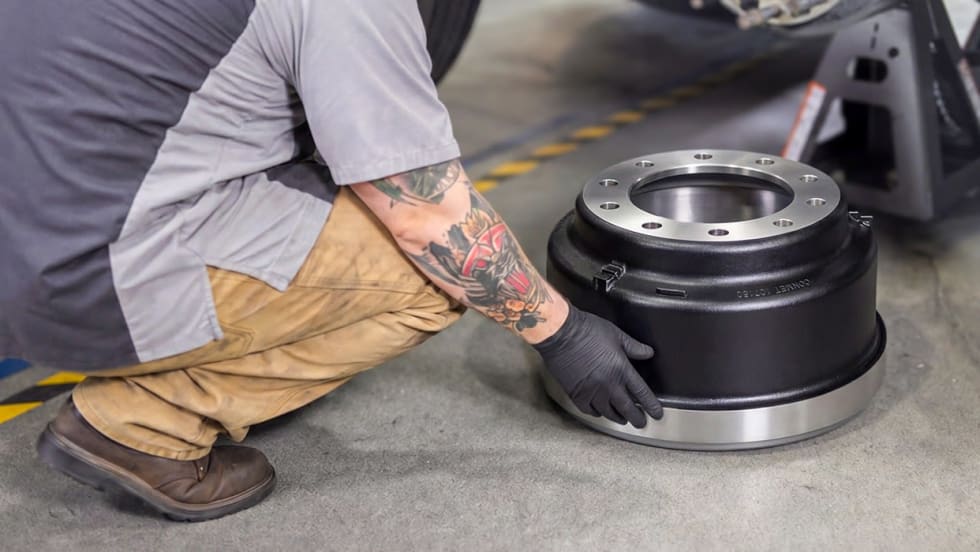
ConMet Expands Aftermarket Brake Drum Lineup With TruCast
A new heavy-duty truck brake drum option in the aftermarket gives customers more flexibility within the ConMet product family.
Read More →
Phillips Opens High-Tech Distribution Center for Faster Parts Delivery
Phillips Industries’ new Cincinnati-area distribution center is now shipping aftermarket trucking parts nationwide, aiming to speed up delivery times for customers.
Read More →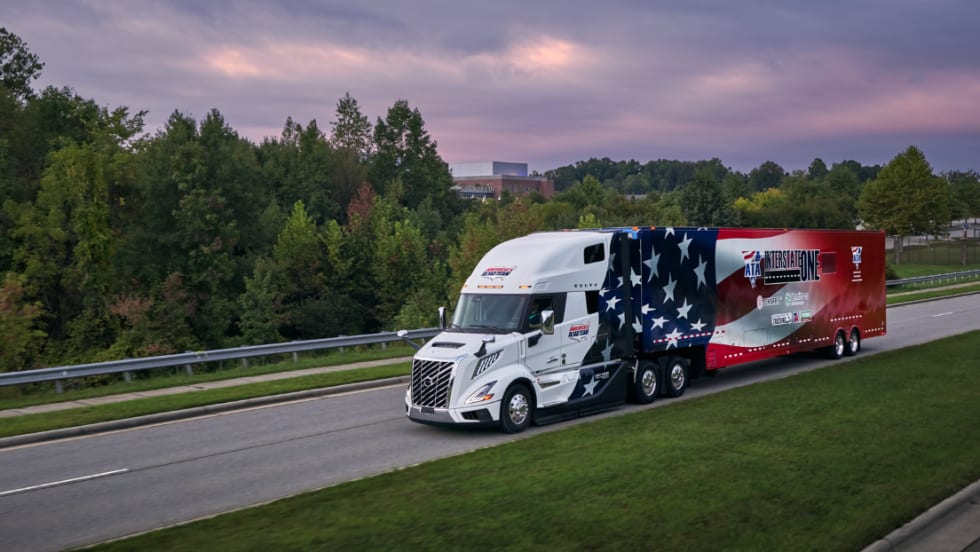
Volvo to Sponsor America’s Road Team for 2025
Volvo Trucks announced that it is extending its exclusive sponsorship of America’s Road Team for 2025.
Read More →
Webb to Start Taking Orders for UltraSet Pre-Adjusted Wheel Hubs
Webb, which recently acquired the Stemco Trifecta pre-adjusted hub program, will soon start taking orders for its replacement pre-assembled hub, the UltraSet.
Read More →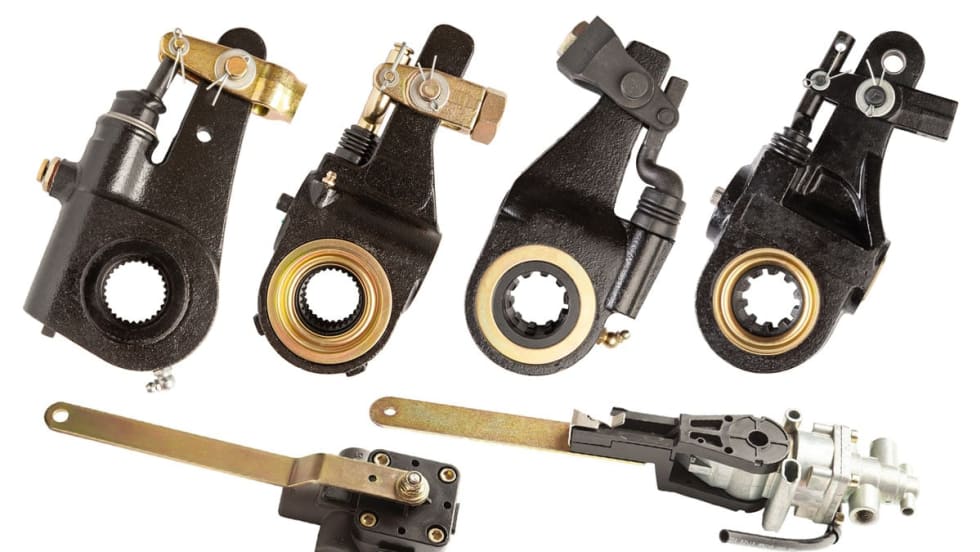
All-Makes Automatic Brake Adjusters, Ride Height Control Valves from Midland
SAF-Holland has added automatic brake adjusters and ride height control valves to its Midland All-Makes Program.
Read More →
ZF Aftermarket Expands [pro]Academy Training
ZF Aftermarket said it is expanding its ZF [pro]Academy training and will be adding 40 new modules this year.
Read More →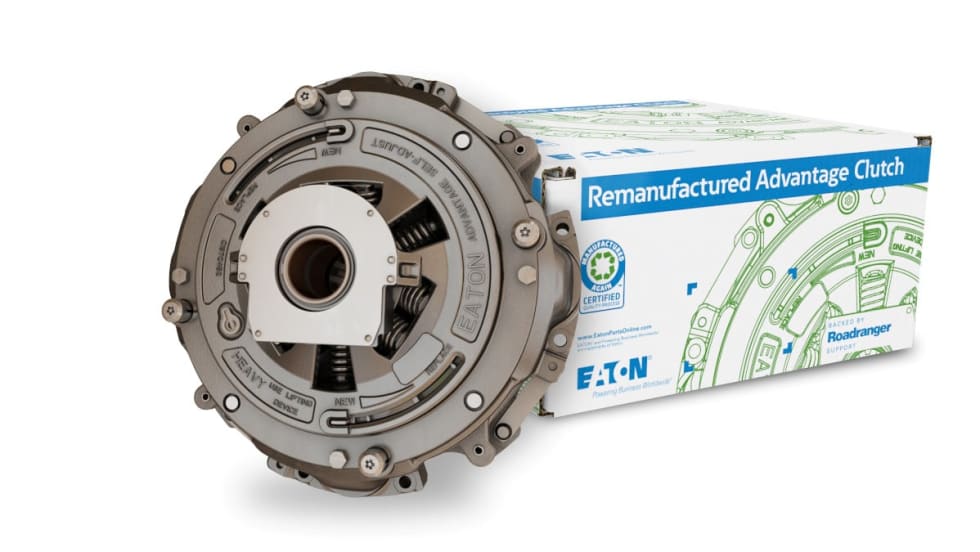
Eaton Adds Remanufactured Advantage Line of Clutches
Eaton has added its Advantage clutches to its remanufactured product line. The clutches feature a unique strap drive intermediate plate designed to allow customers to choose the latest OE specification
Read More →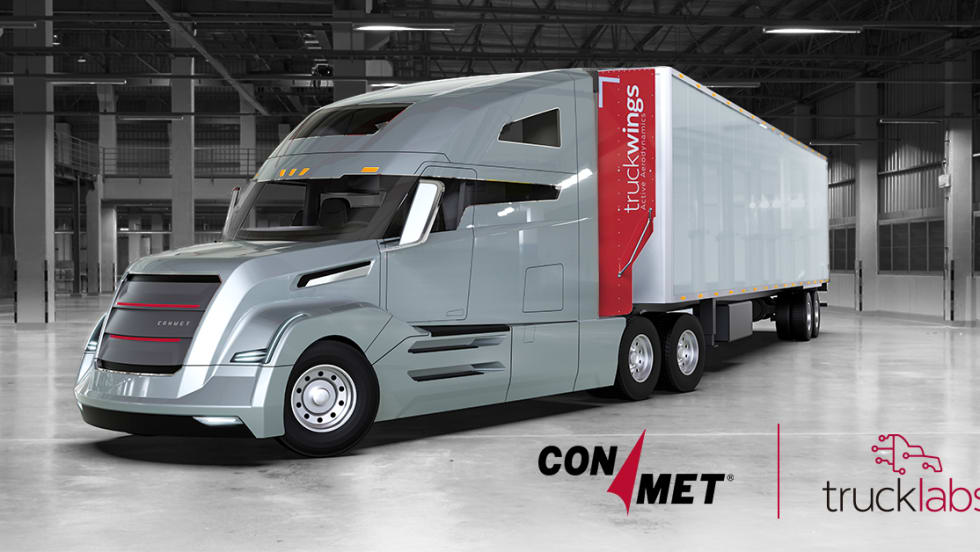
ConMet Acquires TruckLabs, the Creator of TruckWings
Commercial truck and trailer parts provider ConMet acquired TruckLabs, the company that created TruckWings, an aerodynamic device that attaches to truck cabs and deploys to close the gap between truck and trailer. TruckLabs now operates as a subsidiary of ConMet.
Read More →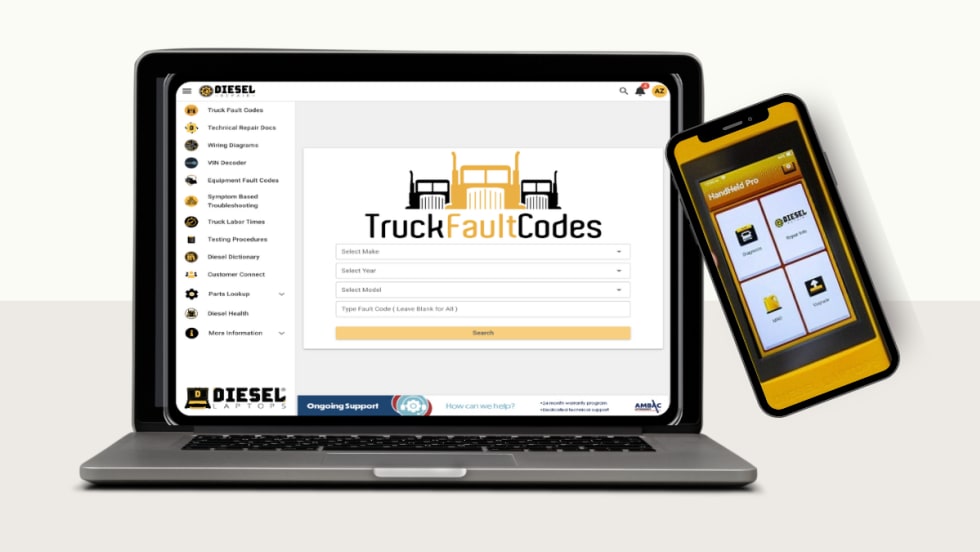
Diesel Laptops Releases Fault-Code-to-Part-Number Tool
Diesel Laptops said its Truck Fault Codes allows users to input a fault code and immediately identify and order the parts needed to complete repair work.
Read More →