




Chiefs of FedEx Freight, Werner Urge Congress to Up Highway Funding
FedEx Freight President and CEO Mike Ducker and Werner Enterprises President and CEO Derek Leathers both testified before a Senate panel on April 4 that the U.S. must invest more in highway infrastructure.

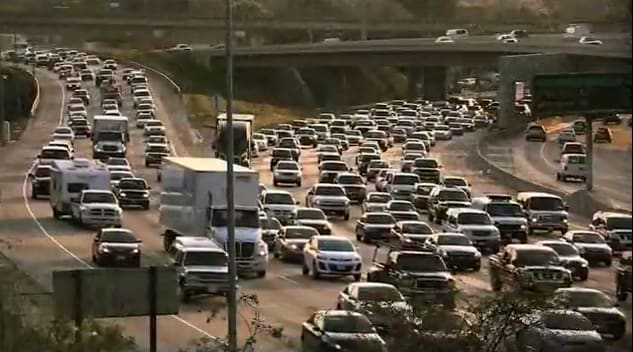
Congestion on a California freeway. Photo: U.S. Dept. of Transportation

Congestion on a California freeway. Photo: U.S. Dept. of Transportation
FedEx Freight President and CEO Mike Ducker and Werner Enterprises President and CEO Derek Leathers both testified before a Senate panel on April 4 that the U.S. must invest more highway infrastructure to ensure that trucking may continue “to safely and efficiently move the nation’s goods,” according to a statement released afterwards by the American Trucking Associations. Both truck operations are member companies of ATA.
“Without improved surface infrastructure and wise policy decisions from Washington, FedEx and other companies cannot continue to help grow the U.S. economy and increase jobs,” Ducker said in his testimony before the Subcommittee on Surface Transportation and Merchant Marine Infrastructure, Safety and Security. He added that “the need for significant investment in our infrastructure has never been more critical.”
But Ducker also pointed out that fixing highway infrastructure must go beyond asphalt and concrete. “Infrastructure investment cannot be limited to road and bridge improvements,” he said “A holistic modern transportation system needs to be established combining physical and digital infrastructure enhancements with sound transportation policies, including incentives for improved safety and fuel efficiency.”
Turning to the shortcomings of the currently in force highway bill, Ducker pointed out that while the FAST Act created a new National Highway Freight Program to provide funds for highway-specific freight improvements, “Congress only funded it at about $1.24 billion a year.” He also noted that the legislation created a new Nationally Significant Freight & Highway Projects Program, funded at $900 million per year and to be distributed to every state by formula. “Any infrastructure package moved through Congress going forward needs to significantly increase funding for FAST Act freight programs so states will have sufficient funding to begin addressing their needs over the remaining years of that legislation,” Ducker testified.
Ducker also reiterated FedEx’s support for increasing the national length limit for twin highway trailers from 28 feet to 33 feet. “The adoption of a 33-foot twin trailer standard would allow a carrier, on any given lane, to increase the volume carried up to 18.6% before having to add incremental trips,” he testified. “Importantly, 33-foot twin trailers would be subject to the same federal law that applies to 28-foot twin trailers today, which limits their operation to the National Highway System and gives states wide discretion to determine the appropriate segments of the NHS on which the equipment can safely operate. Additionally, this solution requires no increase in the federal gross vehicle weight limit of 80,000 lbs., and therefore, it would not increase wear-and-tear on the highway system.”
In his testimony, Leathers urged Congress to “concentrate investment in major freight bottlenecks and congestion that hamper the efficient movement of both freight and passenger travel.” He testified that the added mileage and congestion combined with high freight demands and insufficient truck parking piles up “needless added stress and frustration” on truck drivers, which “can take away from their focus on safely and efficiently delivering our nation's goods.”
While acknowledging that “state and local governments as well as the private sector, must assume a degree of fiscal responsibility for [highway] upkeep,” Leathers testified that “the federal role is both indispensable and a responsibility that is delineated by the Constitution.”
Leathers said his company supports increasing federal investment in highways primarily through user fees, just as ATA does. He testified that the user fees to be relied upon should be efficient and inexpensive to pay and collect; offer “a low evasion rate;” be tied directly to highway use; and “avoid creating impediments to interstate commerce.”
He added that Werner contends that “fuel taxes meet all of these criteria and we support an increase in, and indexation of, the federal fuel tax. The fuel tax is the most efficient revenue source, and increasing it will produce no additional collection costs and minimal evasion. Indexing can limit the negative revenue impacts of inflation and improved vehicle fuel efficiency.”
ATA President and CEO Chris Spear said in a statement about the testimony given by the two executives that “ATA and its members are continuing to tell our story on Capitol Hill and at the White House about need to improve our nation’s roads and bridges,”
Spear called it “unacceptable” that trucking “currently loses nearly $50 billion annually to congestion. We must unclog our arteries and highways and make our infrastructure safer and more efficient by investing in our roads and bridges as Derek and Mike so eloquently told the Committee.”
More Fleet Management
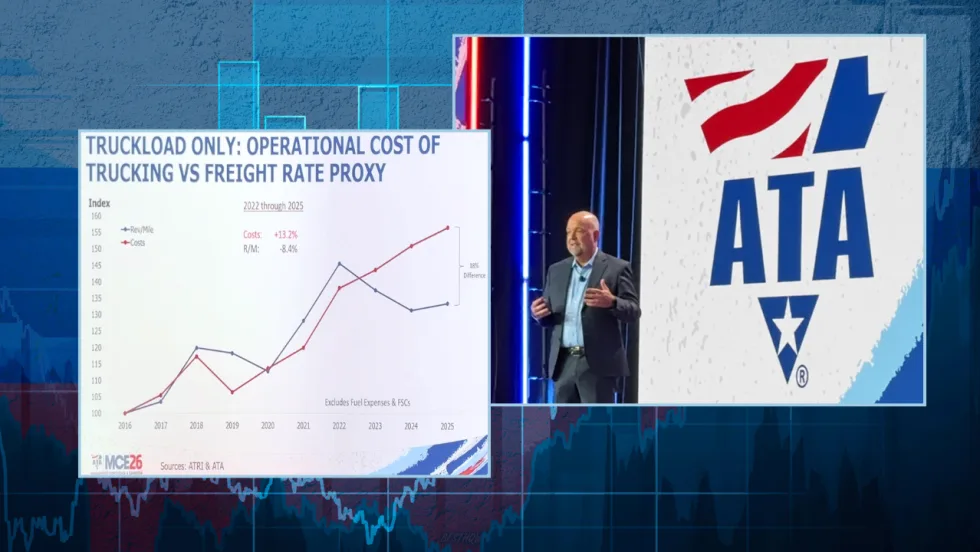
Why This Trucking Recovery Is Different
Freight demand remains sluggish, but rising costs and tougher enforcement have taken enough capacity out of the market to change the outlook for motor carriers.
Read More →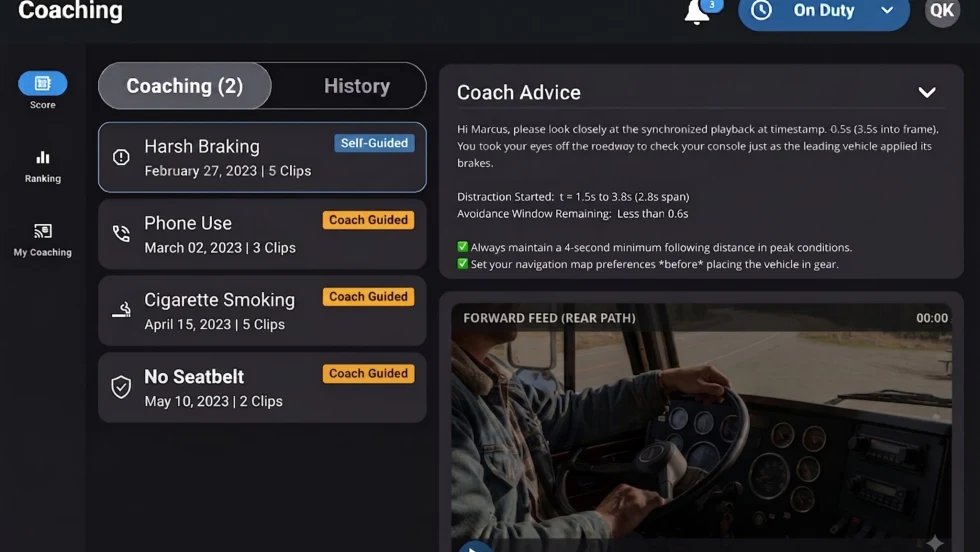
Platform Science Adds Dispatch and Safety Tools
Four additions to PS Fleet help fleets monitor loads, manage driver coaching, share truck locations and adjust video system settings.
Read More →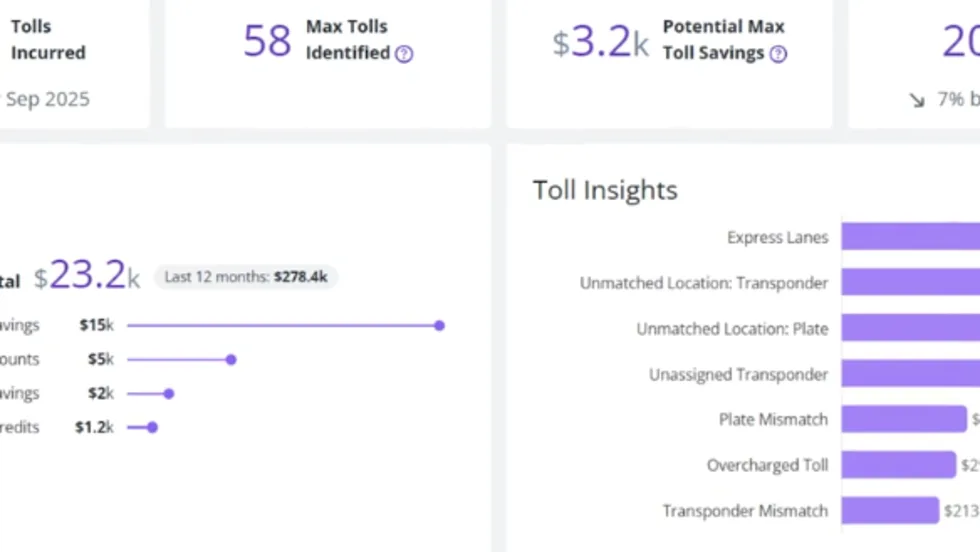
PrePass Intelligence Mines Fleet Bypass, Toll and Safety Data
PrePass Intelligence helps fleets measure bypass savings, flag potential toll overcharges, and spot suspicious transactions by combining data from separate systems.
Read More →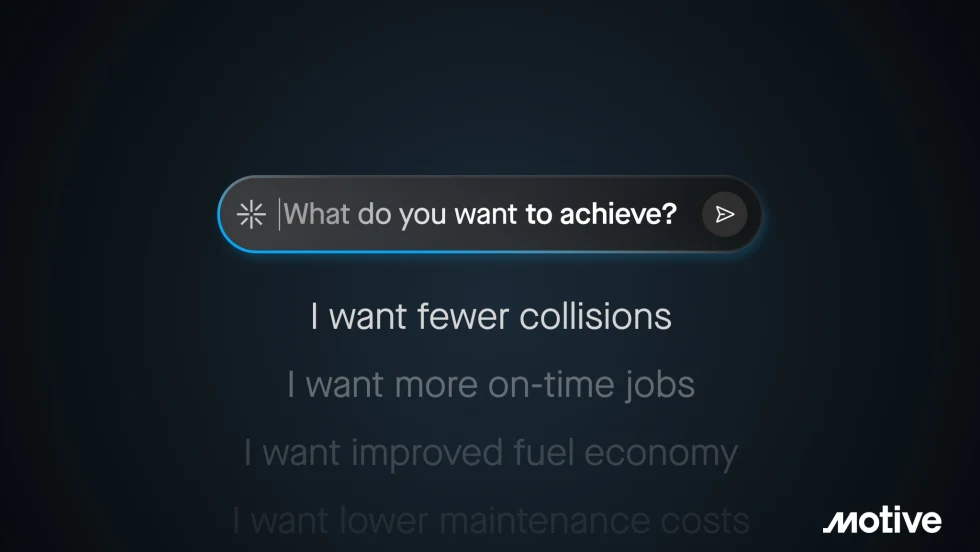
Motive Adds AI Agents for Fleet Operations
New tools automate follow-up on fleet data, from maintenance work orders to driver alerts, with two-way voice conversations planned for later this year.
Read More →
Can You Beat Our Trucking Trivia Challenge?
Test your truck knowledge with 19 trivia questions from Heavy Duty Trucking Exchange. Can you keep up with the fleet pros?
Read More →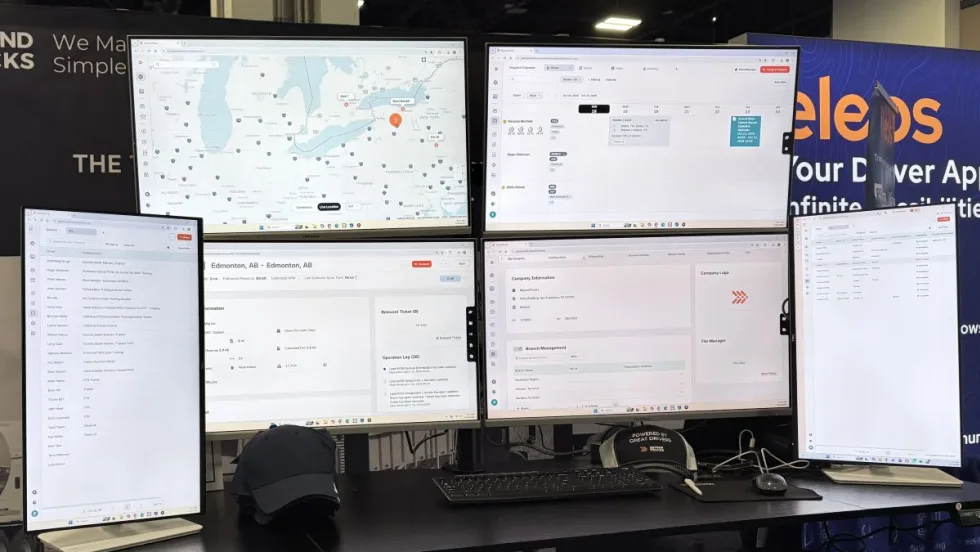
BeyondTrucks Adds Rules Checks to Dispatch
New Compatibility Engine checks driver qualifications, equipment requirements and fleet policies before loads are dispatched.
Read More →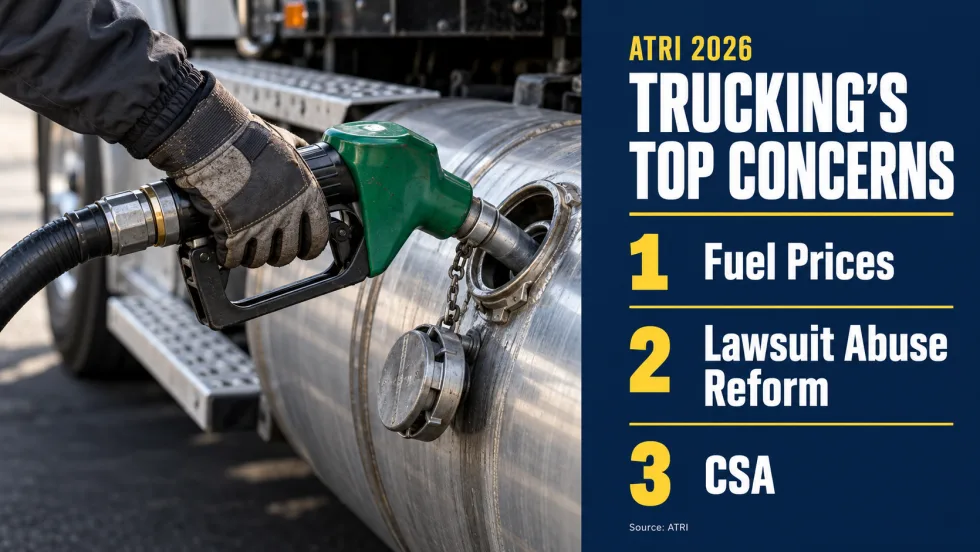
Diesel Prices Hijack Trucking’s Worry List
ATRI’s annual survey finds cautious optimism about freight, but diesel costs, litigation, and insurance continue to squeeze fleets. Drivers have different priorities on several issues.
Read More →
Nomination Deadline Extended for HDT Emerging Leaders
Just a few more days to nominate accomplished trucking fleet professionals under 40 who are making an impact and helping lead the industry forward for the HDT Emerging Leaders award. Deadline extended to October 20!
Read More →
What Will ATA’s New Leader Bring to Trucking's Table?
Incoming President and CEO Mark Colson’s record in Alabama offers clues about his priorities and approach following Chris Spear’s abrupt departure as the head of the American Trucking Associations.
Read More →
Volvo, Waabi Start Commercial Autonomous Operations in Texas
Volvo VNL Autonomous trucks, powered by the Waabi Driver, are hauling freight directly to third-party facilities for a customer in Texas.
Read More →