




Chesapeake Energy Announces Major Investment to Help Natural Gas Demand
Chesapeake Energy Corp. unveiled a plan to help the transportation industry transition to America's own abundant supplies of natural gas and oil
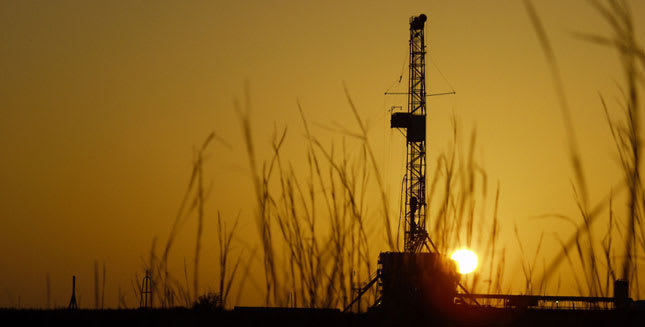
Chesapeake Energy will divert part of its drilling budget toward projects that will instead stimulate increased natural gas demand.
Chesapeake Energy Corp. unveiled a plan to help the transportation industry transition to America's own abundant supplies of natural gas and oil.
Central to this initiative is the creation of a $1 billion venture capital fund, Chesapeake NG Ventures Corp., dedicated to identifying and investing in companies and technologies that will replace the use of gasoline and diesel derived primarily from OPEC oil with domestic oil, natural gas and natural gas-to-liquids fuels.
To fund this effort, Chesapeake will redirect approximately 1-2% of its forecasted annual drilling budget away from efforts to increase natural gas supply toward projects that will instead stimulate increased natural gas demand. Over the next 10 years, the company anticipates committing at least $1 billion to CNGV initiatives.
According to Aubrey McClendon, Chesapeake's CEO, the company has spent four years developing the three-pronged, ten-year plan. The initiative aims to:
* Increase existing domestic onshore oil and natural gas liquids production of approximately 8 million barrels a day by 3 million to 4 million barrels a day through the acceleration of horizontal drilling and hydraulic fracturing.
* Invest in enough publicly accessible CNG and LNG fueling stations to stimulate original equipment manufacturers to increase their production of CNG and LNG vehicles.
* Deploy innovative and scalable processes to convert natural gas into a room temperature, tank-ready, liquid transportation fuel that can be blended with existing supplies of gasoline and diesel.
The company has already agreed to make two investments totaling $305 million. Clean Energy Fuel Corp. in California will receive $150 million in newly issued convertible debt to accelerate its build-out of LNG fueling infrastructure along U.S. interstates.
Chesapeake has purchased a 50% stake in Colorado-based Sundrop Fuels for $155 million. The investment will fund construction of the largest nonfood biomass-based 'green gasoline' plant in the world, capable of annually producing more than 40 million gallons of ultra-clean gasoline from natural gas and waste cellulosic material.
In addition to its planned $1 billion investment, Chesapeake will also accelerate the conversion of all 4,500 of its light-duty and 400 of its heavy-duty fleet vehicles to run on CNG, which will reduce fuel costs by an estimated $15-20 million per year.
The company is also converting at least 100 drilling rigs and all of its planned hydraulic fracturing equipment to run on LNG. The switch is expected to cut the company's diesel fuel consumption by approximately 350,000 gallons a day and save the company approximately $230 million annually.
The ambitious project has won widespread praise from analysts so far, according to the Wall Street Journal.
Analysts at Northland Capital Markets called Chesapeake's plan a "major step to increase the use of natural gas," reported the Journal, and upgraded Clean Energy Fuels to outperform with a price target of $17 a share.
Shares of Clean Energy Fuels jumped 15.4% to $15.14 on Tuesday. Chesapeake rose 0.3% to $29.84.
More Drivers
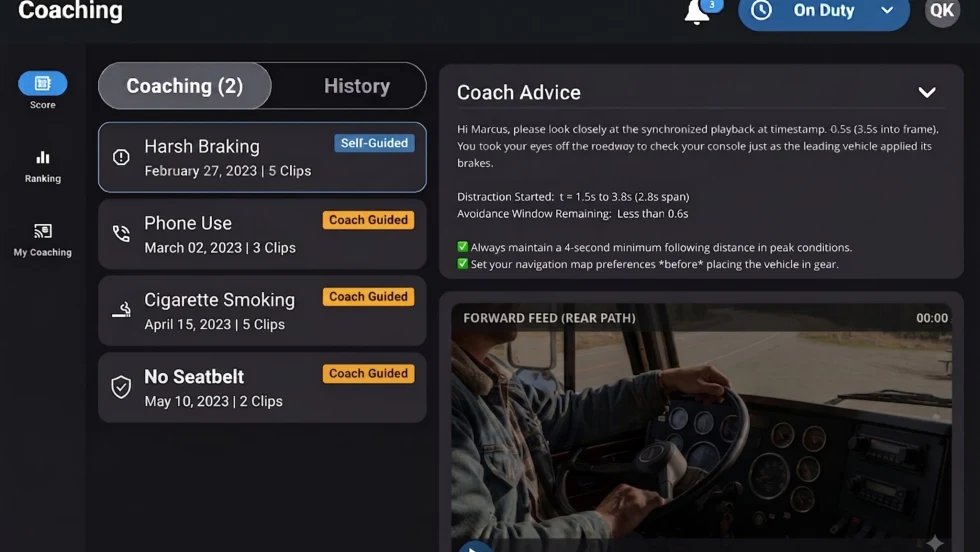
Platform Science Adds Dispatch and Safety Tools
Four additions to PS Fleet help fleets monitor loads, manage driver coaching, share truck locations and adjust video system settings.
Read More →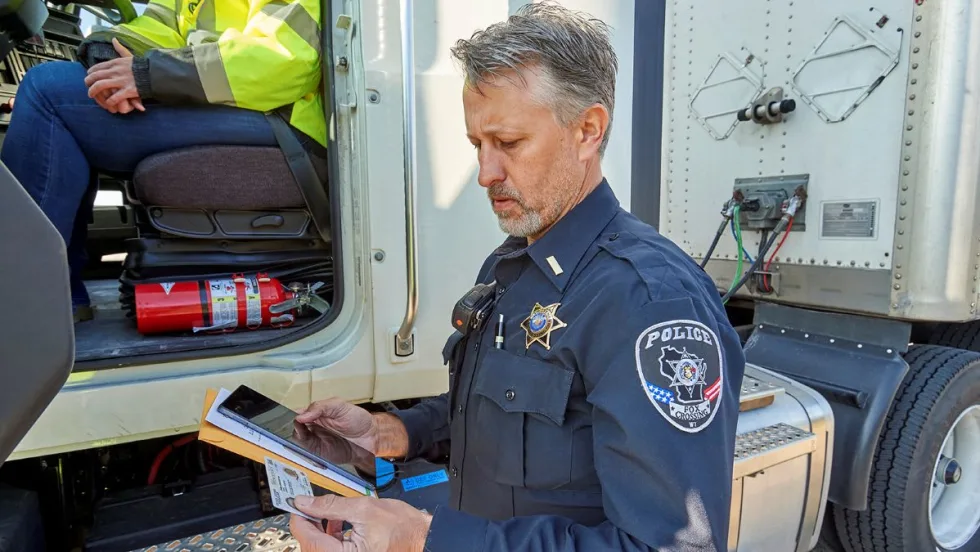
When Language Stops the Truck: The Return of ELP Out-of-Service Orders
English language proficiency rules for commercial drivers aren’t new, but renewed out-of-service enforcement has raised the stakes. Here’s what carriers need to know before a driver reaches a roadside inspection.
Read More →
Samsara Launches Custom AI Agent Builder
Agent Studio lets fleets create AI tools for hours-of-service monitoring, reporting and driver support, including agents that communicate by phone.
Read More →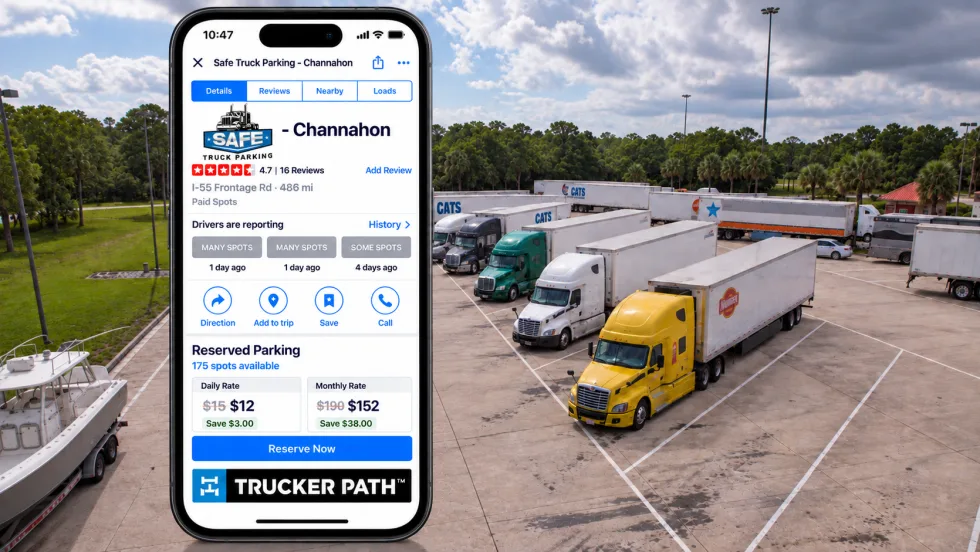
Trucker Path Expands Reserved Parking Network
Trucker Path has added close to 6,000 more truck parking spaces to its Trucker Path Reserved Parking Network with the addition of Safe Truck Parking.
Read More →
EEOC Sues Texas Trucking Company Over Driver Age Limits
The agency says Trancasa USA rejected applicants over 65 and applied tougher driving-record standards to those over 60.
Read More →
Nussbaum, Roehl Announce Second Driver Pay Increase This Year
This year has seen a swath of major truck driver pay increases as freight capacity has tightened.
Read More →
From One Generation to the Next: How Mentorship Builds Safer Truck Drivers
After three decades in trucking, Harold Perry shares what he's learned about driver safety, mentorship, and helping the next generation build confidence behind the wheel.
Read More →
Truck Drivers Need More Than Another Alert
Fleets have more visibility into truck health, safety events, and driver activity than ever. The next challenge is turning all that information into useful guidance for the person who has to decide what to do next.
Read More →
FMCSA Removes 110 Truck Driver Training Schools from Certified ELDT List
Federal regulators also are targeting more than 160 additional training providers and launching a nationwide audit of third-party CDL skills testers as part of a broader crackdown on trucking fraud.
Read More →
Hours of Service Pilot Programs: FMCSA Readies for 2027 Rollout
Two pilot programs could eventually reshape hours-of-service rules, giving truck drivers options to pause their 14-hour clock or use longer split sleeper rest periods.
Read More →