




Cascadia Advertising Claims Reviewed
A review by the National Advertising Division of the Council of Better Business Bureaus found Daimler Trucks North America did not provide enough evidence to back up some of its advertising claims on the fuel efficiency of its Cascadia model
A review by the National Advertising Division of the Council of Better Business Bureaus found Daimler Trucks North America did not provide enough evidence to back up some of its advertising claims on the fuel efficiency of its Cascadia model.
Daimler Trucks North America says it will honor the NADs recommendations, but it respectfully disagrees with the decision of the NAD concerning certain aspects of DTNA's internal and public advertisements for the Freightliner Cascadia, and remains confident that its state-of-the-art wind tunnel testing shows the superior aerodynamic design of the Freightliner Cascadia.
At issue is Daimler Trucks' advertising linking wind-tunnel testing of the Cascadia's aerodynamics with specific fuel efficiency savings. Navistar International, which advertises the fuel economy of its ProStar, filed a challenge of those claims with the NAD, the advertising industry's self-regulatory forum. Both companies have touted testing that shows their model is the most fuel-efficient truck on the road.
According to NAD case documents, key issues in the challenge related to DTNA's wind tunnel testing and whether it accurately reflected the real-world fuel economy improvements advertised.
NAD concluded that the advertisers evidence was not sufficiently reliable to provide a reasonable basis for claims such as:
* "We have more than the most fuel efficient design ... it's official. Cascadia is the most aerodynamic truck on the planet ... And a truck with less aerodynamic drag means better fuel efficiency and savings at the pump."
* [Using Cascadia trucks] "could save customers as much as $950 to $2,750 a year per truck."
However, it found that the claim, "We were able to fine-tune the trucks design to maximize aerodynamics and fuel economy" was supported.
Navistar's challenge asserted that the advertiser "failed to provide a reasonable basis for the challenged claims or explain how its proprietary wind tunnel testing, which measures aerodynamic drag, an indirect indicator of fuel consumption, is equivalent to or better than industry standards for comparing fuel consumption in trucks (namely, the Society of Automotive engineers' and the Technology Maintenance Council's Types III and IV fuel economy testing.)"
The challenge in part pointed to DTNA's use of an "infinite trailer" in its wind tunnel testing. This is shorter than a real trailer, does not have rear wheels, and the back flares outward rather than being squared off. Navistar's wind tunnel tests also did not accommodate a full-size trailer, but they contend the "shortened trailer" used in their tests has a finite end, which allows a wake to form as it would on the road.
Also at issue was the effect of crosswinds, which DTNA did not take into account in its testing, as well as questions of the proper ratio to determine how aerodynamic drag relates to fuel efficiency.
DTNA's position, according to the case documents, was that "the aerodynamics of a vehicle is the main factor in fuel efficiency and it is therefore reasonable to base fuel efficiency claims on the results of aerodynamic testing. ... [DTNA's] testing shows Cascadia is the most aerodynamic truck. Accordingly, it follows that Cascadia is also the most fuel-efficient truck, adding that its claim is limited to the truck's design."
DTNA defended its wind tunnel results, saying that extensive industry testing and computer modeling have shown that trailer drag is very similar no matter what tractor is towing the trailer, so trailer wake is not a necessary factor in calculating aerodynamics. The advertiser also said both ProStar and Cascadia are so aerodynamic that the effects of crosswinds are almost completely dissipated by the time the air passes over the length of the trailer, so the yaw angle (which would simulate crosswinds) would not substantially affect the test results.
The company also defended its calculations regarding the effect of aerodynamics on fuel economy. DTNA officials said in fact the ratio the company used is more conservative than the one Navistar said was the industry standard, actually making Cascadia even more fuel-efficient than represented by the calculations.
In its decision, NAD said that by linking superior aerodynamic design to fuel efficiency, the advertisements not only claim that Cascadia is the most aerodynamic of competing trucks (including ProStar), but also that it is the most fuel efficient of competing trucks. Indeed, references to the most fuel efficient design in connection with fuel savings imply that the trucks themselves are fuel efficient.
NAD said while it acknowledges that testing methods that depart from industry standards may be appropriate or even superior for substantiation of challenged claims, it said it was troubled by many aspects of the test methodology. NAD said there was no reliable evidence in the record supporting the use of the infinite trailer, or for the contention that the drag from a trailer is very similar no matter what tractor is towing the trailer. NAD determined that testing only for head-on winds is not reflective of real world conditions which can impact a trucks actual fuel consumption and, by extension, fuel efficiency.
More Aftermarket
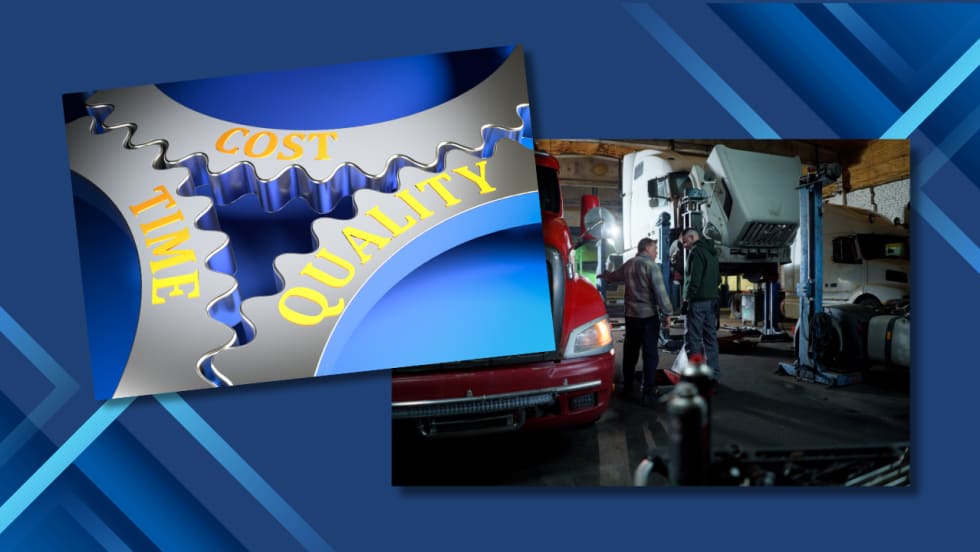
What Three Fleets Are Doing Differently When Buying Truck Parts in 2026
With freight improving but costs still climbing, fleet maintenance executives explain how they're balancing price, quality, and supplier relationships.
Read More →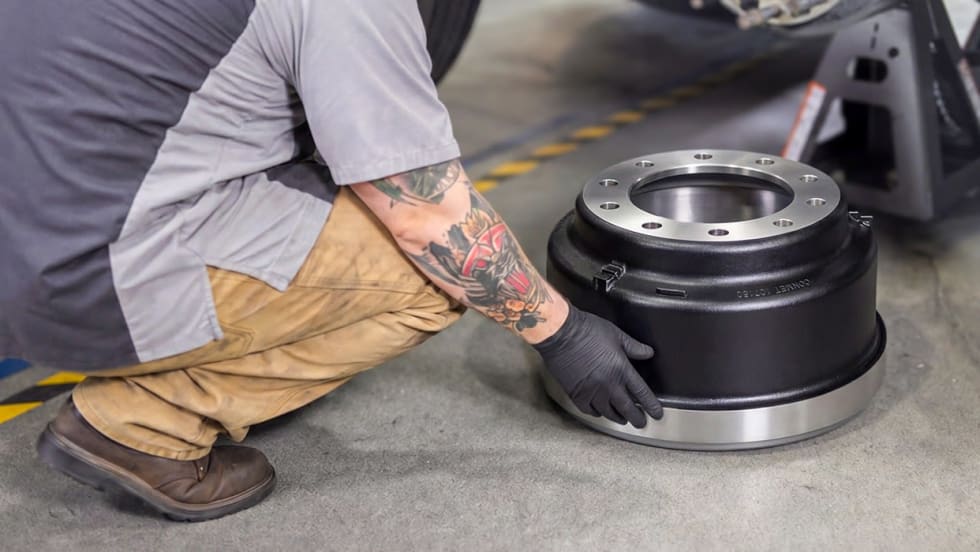
ConMet Expands Aftermarket Brake Drum Lineup With TruCast
A new heavy-duty truck brake drum option in the aftermarket gives customers more flexibility within the ConMet product family.
Read More →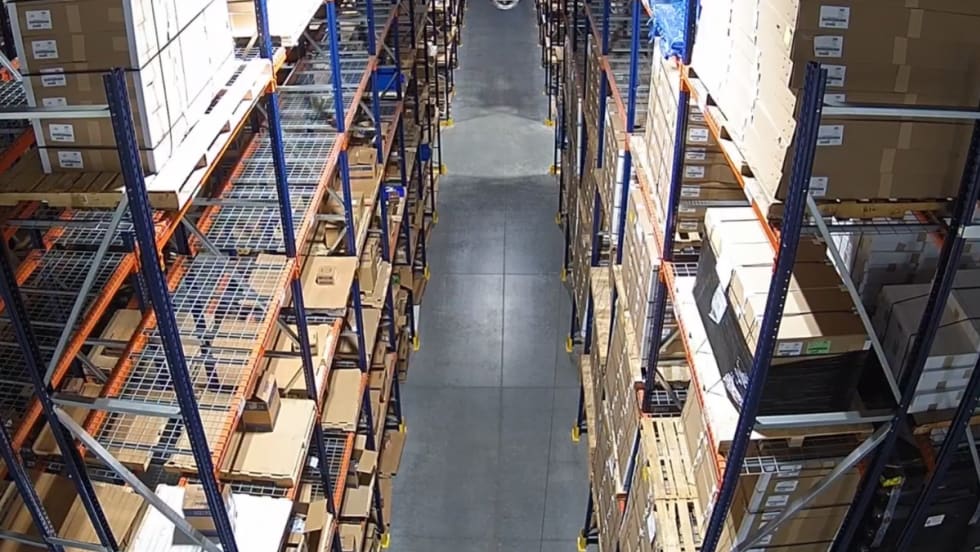
Phillips Opens High-Tech Distribution Center for Faster Parts Delivery
Phillips Industries’ new Cincinnati-area distribution center is now shipping aftermarket trucking parts nationwide, aiming to speed up delivery times for customers.
Read More →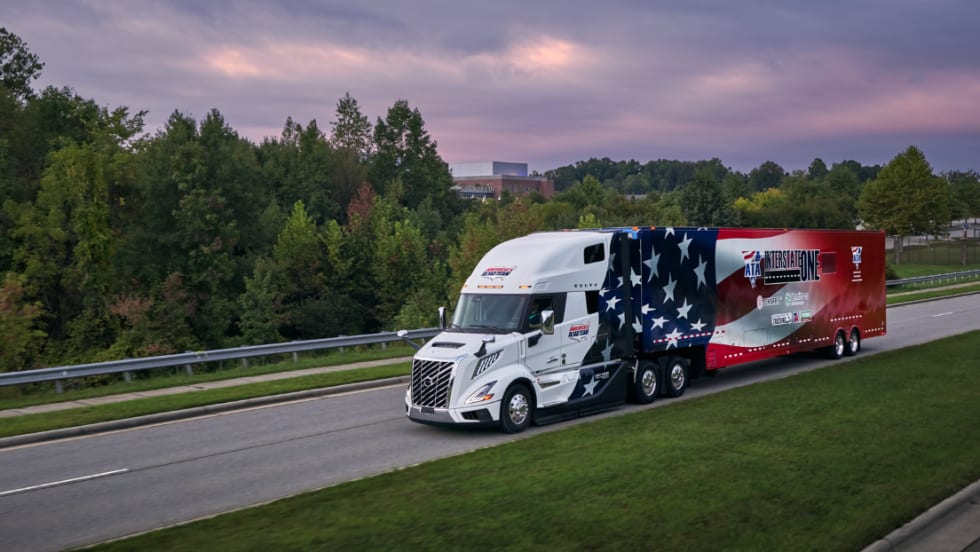
Volvo to Sponsor America’s Road Team for 2025
Volvo Trucks announced that it is extending its exclusive sponsorship of America’s Road Team for 2025.
Read More →
Webb to Start Taking Orders for UltraSet Pre-Adjusted Wheel Hubs
Webb, which recently acquired the Stemco Trifecta pre-adjusted hub program, will soon start taking orders for its replacement pre-assembled hub, the UltraSet.
Read More →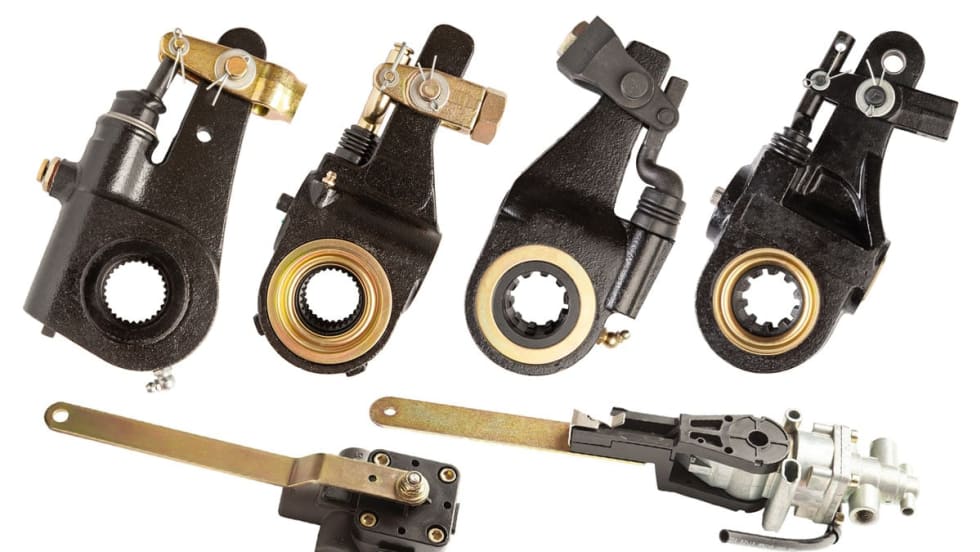
All-Makes Automatic Brake Adjusters, Ride Height Control Valves from Midland
SAF-Holland has added automatic brake adjusters and ride height control valves to its Midland All-Makes Program.
Read More →
ZF Aftermarket Expands [pro]Academy Training
ZF Aftermarket said it is expanding its ZF [pro]Academy training and will be adding 40 new modules this year.
Read More →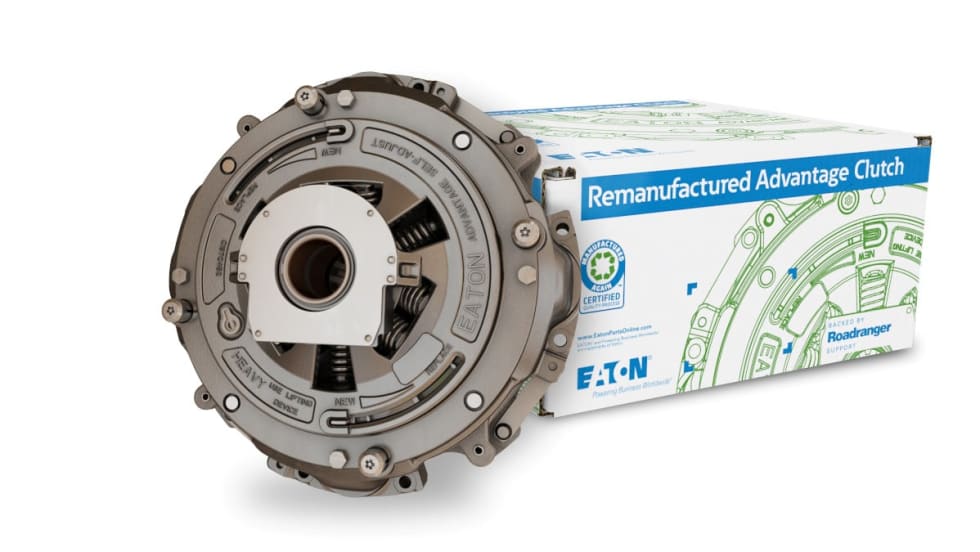
Eaton Adds Remanufactured Advantage Line of Clutches
Eaton has added its Advantage clutches to its remanufactured product line. The clutches feature a unique strap drive intermediate plate designed to allow customers to choose the latest OE specification
Read More →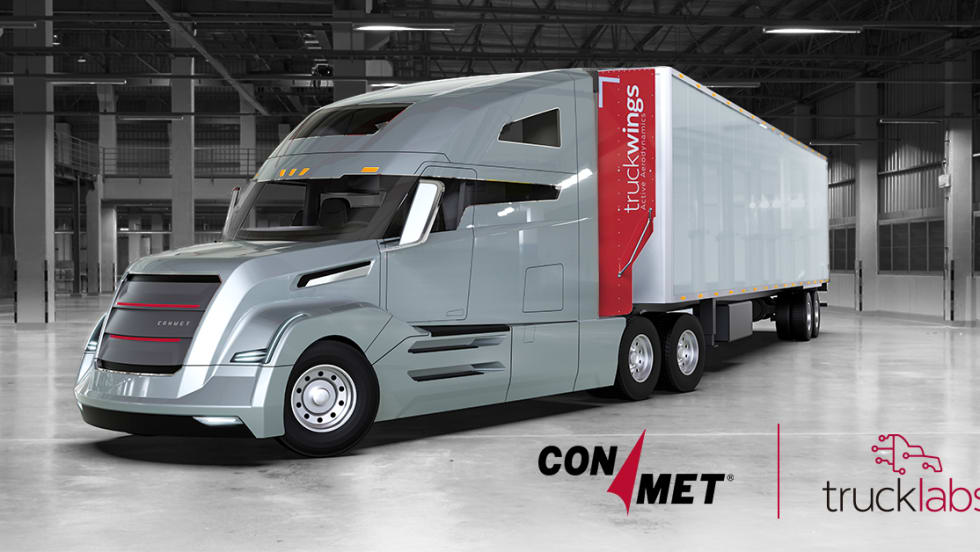
ConMet Acquires TruckLabs, the Creator of TruckWings
Commercial truck and trailer parts provider ConMet acquired TruckLabs, the company that created TruckWings, an aerodynamic device that attaches to truck cabs and deploys to close the gap between truck and trailer. TruckLabs now operates as a subsidiary of ConMet.
Read More →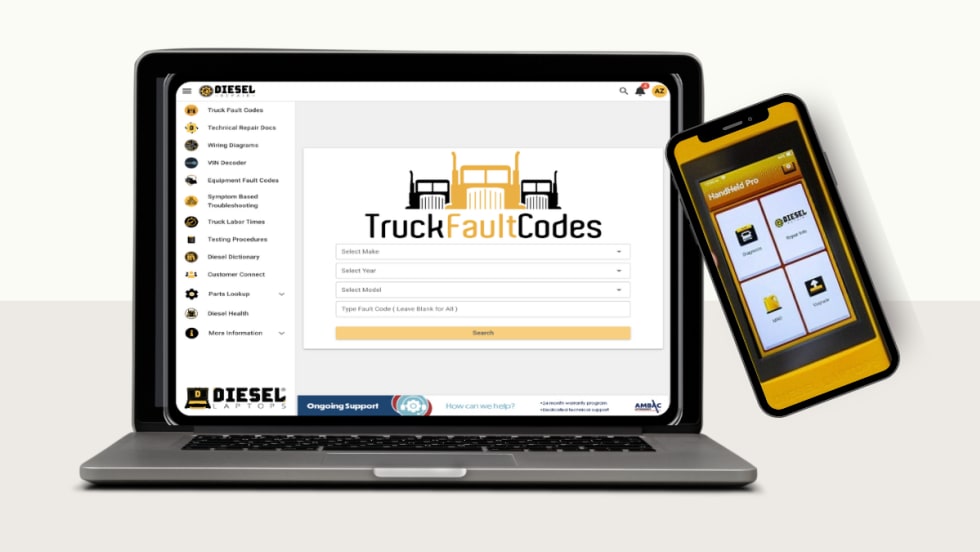
Diesel Laptops Releases Fault-Code-to-Part-Number Tool
Diesel Laptops said its Truck Fault Codes allows users to input a fault code and immediately identify and order the parts needed to complete repair work.
Read More →