




Related: Trip Planning, Parking, and Deliveries Safety Course
CarriersEdge Now Offers Vehicle Inspection Courses in Spanish
CarriersEdge, a provider of online driver training for the trucking industry, is now offering Vehicle Inspection training courses in Spanish.
by Staff
February 6, 2018
Offering training in multiple languages (the company also has courses in French and Punjabi) is not only of benefit to drivers but can also be an effective way to new drivers. (Image: CarriersEdge)
3 min to read

Offering training in multiple languages (the company also has courses in French and Punjabi) is not only of benefit to drivers but can also be an effective way to new drivers. (Image: CarriersEdge)
CarriersEdge, a provider of online driver training for the trucking industry, is now offering Vehicle Inspection training courses in Spanish. The modules, 10 in all, provide a full scope of training material for drivers and are available in two versions – straight trucks and tractor/trailers. The material educates and tests drivers in the requirements needed for proper inspections, as well as proper reporting.
According to Jane Jazrawy, co-founder and chief executive officer of CarriersEdge, the English versions of Vehicle Inspections are some of the most popular courses in CarriersEdge library, “and we expect our Spanish versions will be just as popular,” she said. “The modules were based on information from industry experts as well as the CVSA and FMCSA. This helps ensure a full understanding of all the relevant inspection procedures needed.”
Other Spanish courses offered through CarriersEdge include Defensive Driving and Hours of Service. Overall, CarriersEdge features a library of more than 70 full-length and refresher/remedial courses on important safety and regulatory topics in trucking, from securing loads to handling hazardous materials.
According to Jazrawy, the Vehicle Inspection modules have several key components, including segments on driver vehicle inspection reports. “These are tutorials with testing to demonstrate vehicle inspection knowledge and proficiency,” Jazrawy said. “They go through the steps a driver must take – showcasing the sections in the report; how to identify a defect using the report and how to indicate a repair is needed. CVSA Critical Vehicle Items, as well as DVIR requirements, are covered.”
Other sections deal with Inspection Practices and cover best practices for staying safe and secure while completing pre-trip inspections. The modules discuss, in detail, the proper methods for inspecting vital components. “We focus on brakes, lights, and tires, which account for the most common violations,” said Jazrawy. “We also include a guide to measuring pushrod stroke, determining brake chamber type and applying in-cab brake tests.”
Students stay engaged in the learning process thanks to an easy-to-understand tutorial, which includes animation and videos with real-world scenarios.
The last sections, with a separate straight truck, and tractor/trailer versions, zero in on what to look for as you approach your equipment. “Plus, we include information on how to check the main engine system, fluids, belts and hoses, and, how to inspect each axle. Our trailer segment includes tutorials on proper inspections and what to look for.”
All CarriersEdge courses are interactive to reinforce the concepts presented, and quizzes and tests give drivers immediate feedback on comprehension. Courses can be taken anytime and any place drivers have access to a computer or mobile device and an internet connection, giving them the flexibility to keep up-to-date with training while traveling or at home. CarriersEdge combines those courses with a system of management tools allowing fleet managers to track training efficiently.
According to Jazrawy, offering training in multiple languages (the company also has courses in French and Punjabi) is not only of benefit to drivers but also “it’s very effective in attracting new drivers,” she said.
“When you combine training in the driver’s native language, along with diverse recruiting and an operations staff with members who can speak more than one language, you have a solid support system for new drivers.”
More Safety & Compliance
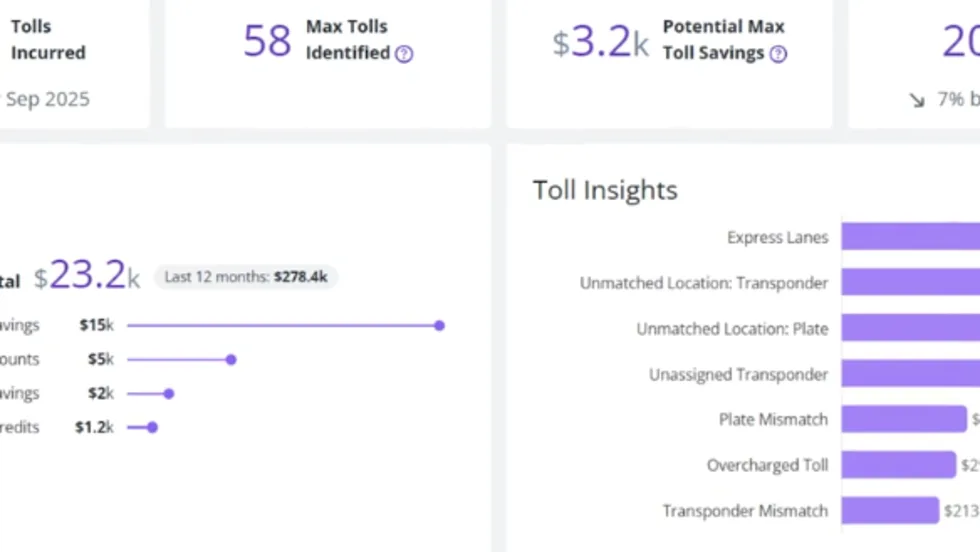
PrePass Intelligence Mines Fleet Bypass, Toll and Safety Data
PrePass Intelligence helps fleets measure bypass savings, flag potential toll overcharges, and spot suspicious transactions by combining data from separate systems.
Read More →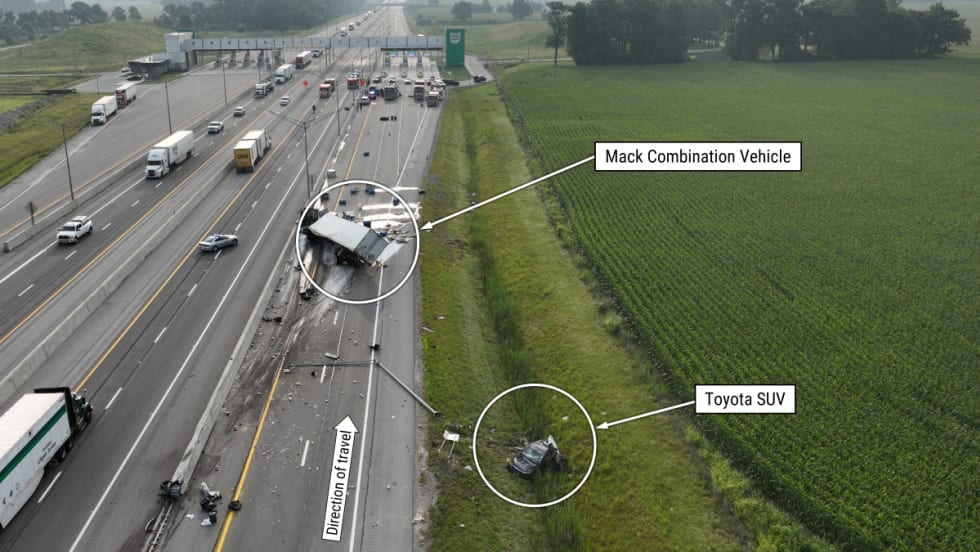
Fatal Crash Exposes Toll Plaza Risks
An NTSB investigation found that last-minute lane changes and large speed differences at an Ohio toll plaza created a hazard the truck driver couldn't avoid in time.
Read More →
When Language Stops the Truck: The Return of ELP Out-of-Service Orders
English language proficiency rules for commercial drivers aren’t new, but renewed out-of-service enforcement has raised the stakes. Here’s what carriers need to know before a driver reaches a roadside inspection.
Read More →

Sponsored•October 6, 2026
A Camera Isn't a Safety Program. Here's What Brokers Are Screening for Now
Footage alone may not be enough to pass broker vetting processes. Here's what counts as a defensible safety program now.
Read More →
Marijuana and Trucking’s Drug-Testing Dilemma
Marijuana is getting stronger, laws are changing, and drug tests still can’t reliably establish impairment. What does that mean for truck drivers and the fleets that employ them?
Read More →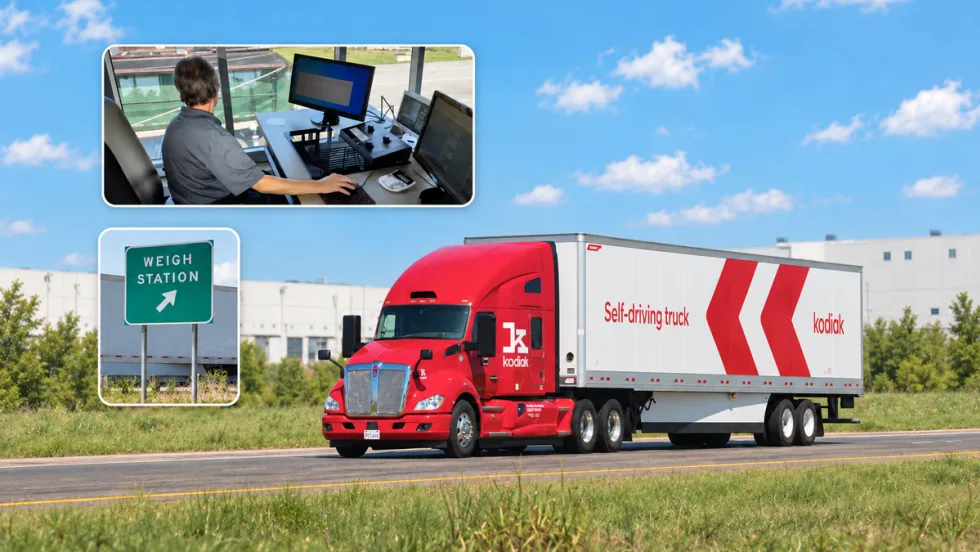
PrePass, Kodiak Connect Driverless Trucks to Roadside Enforcement
The system will allow enforcement agencies to verify Enhanced Inspection information and decide whether Kodiak’s autonomous trucks can bypass roadside screening sites.
Read More →
From One Generation to the Next: How Mentorship Builds Safer Truck Drivers
After three decades in trucking, Harold Perry shares what he's learned about driver safety, mentorship, and helping the next generation build confidence behind the wheel.
Read More →
FMCSA Pauses Biennial-Update Enforcement Amid Motus Transition
Carriers whose updates were due on or after June 1 have more time, while FMCSA works to stabilize its new registration system and warns of phishing sites impersonating its new carrier registration system, Motus.
Read More →
ZF Expands Commercial Vehicle Push in North America
ZF is expanding its North American commercial-vehicle presence with new transmission applications, electrification, trailer technology and autonomous-driving systems.
Read More →
Truck Drivers Need More Than Another Alert
Fleets have more visibility into truck health, safety events, and driver activity than ever. The next challenge is turning all that information into useful guidance for the person who has to decide what to do next.
Read More →