




Carbon-Dioxide Emissions Addressed at SAE Commercial Vehicle Congress
Heavy-duty truck manufacturers are already feeling strong pull from the marketplace to improve the efficiency of their vehicles. But they could soon feel a strong push to make their vehicles even more efficient, thanks to potential regulation of greenhouse gases
Heavy-duty truck manufacturers are already feeling strong pull from the marketplace to improve the efficiency of their vehicles. But they could soon feel a strong push to make their vehicles even more efficient, thanks to potential regulation of greenhouse gases.
Virtually everything that is motorized -- planes, trains, automobiles and heavy-duty vehicles, from tractor-trailer haulers to earth-moving equipment - will fall under the EPA rules, which are at least two years away from being completed.
But the prospect that the big rigs and bulldozers of the future will have to burn less carbon-based fuel made the pending regulations a key topic at the 2008 SAE (Society of Automotive Engineers) International Commercial Vehicle Engineering Congress and Exhibition last week in Rosemont, Ill.
Timothy Johnson, director of emerging regulations and technologies at Corning Inc., chaired a panel discussion on carbon dioxide emissions and noted it was the first time that the subject had been formally addressed at the annual SAE commercial vehicle show.
"The debate over what causes global warming no longer matters," Johnson said. "The discussion now is in the policy arena," and manufacturers will soon have to deal with it.
Carbon dioxide accounts for more than 80 percent of greenhouse gases in the U.S., according to the Energy Information Administration, so vehicles that run on carbon-based diesel and gasoline are major sources. Cars and light trucks account for the biggest chunk of greenhouse gases, 54 percent. Heavy-duty, on-road commercial trucks are next largest at 18 percent.
In simple terms, the easiest way to reduce CO2 emissions is to burn less diesel fuel or gasoline, said Chester France, the head of the EPA's rule-making division.
"You reduce the fuel usage, make the vehicle more efficient," he said. A similar push is under way in the auto industry, which faces tougher fuel-economy standards, but what works for cars does not easily translate to big trucks, France acknowledged.
"We tend to view fuel efficiency with cars in miles per gallon. For heavy-duty vehicles, it's what kind of work the vehicle does," he said. "You don't want to penalize a truck that can do more work than others."
The EPA is currently soliciting comments from manufacturers on what the regulations should include, but even without anything in writing, manufacturers know they have to floor the throttle to make the big rigs and bulldozers of the future more efficient. That will require billions of dollars and have to be balanced with the conflicting demand that the vehicles still have to be tireless workhorses.
"The industry is going to have to spend heavily on fuel efficiency," Ian Penny, global director of diesel engines for supplier Ricardo Inc., said. "The challenges are expensive and complex."
Diesels will remain the engine of choice for the foreseeable future, Penny said, and he doesn't see any silver bullets that will vastly improve their efficiency.
"We've been improving engines for 100 years," he said, noting the diesel engine is pretty efficient now.
One area that engineers will focus on is thermal efficiency. Diesel engines now operate at about 42 percent thermal efficiency, meaning that's how much of the heat energy from the fuel produces power. Most of the rest escapes through the radiator and exhaust system, and Penny estimated that engineers will be able to capture some of that to improve percent thermal efficiency to 53 percent by 2015.
The EPA estimates that carbon-dioxide emissions from heavy trucks could be reduced 40 percent over time, but France said only 15 percent of that is likely to come from engine improvements.
Two-thirds will come from changes to the vehicles, such as better aerodynamics, weight reductions and more efficient transmissions and drive systems. The other 20 percent would be from more efficient driving, such as slower speeds and sophisticated cruise control systems that anticipate hills and grades.
Alternative fuels may help. Natural gas, which has less carbon than gasoline or diesel, could become more common, along with biofuels.
More Aftermarket
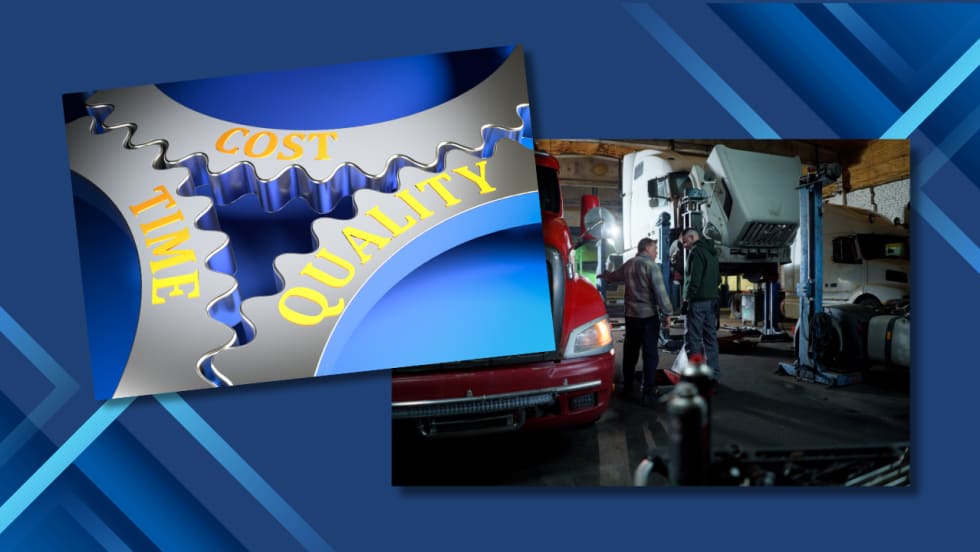
What Three Fleets Are Doing Differently When Buying Truck Parts in 2026
With freight improving but costs still climbing, fleet maintenance executives explain how they're balancing price, quality, and supplier relationships.
Read More →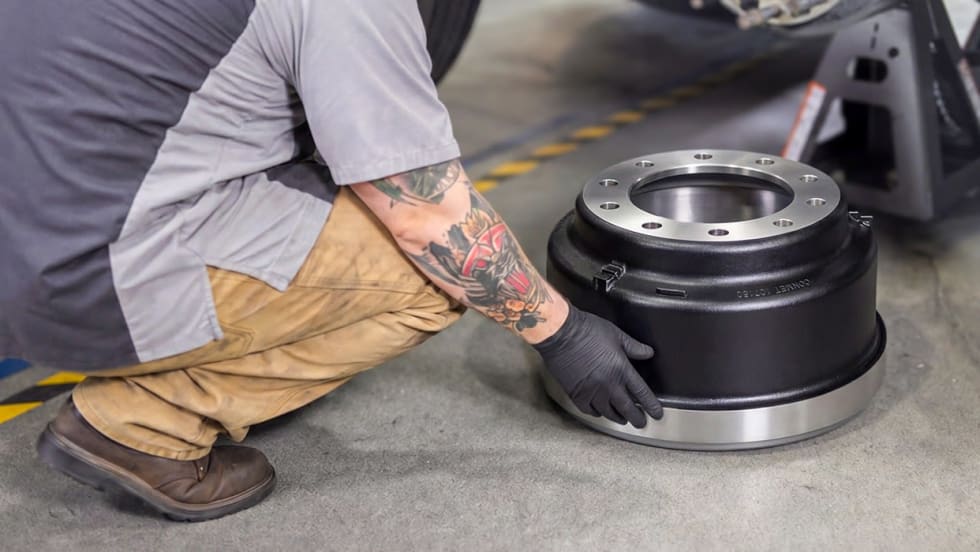
ConMet Expands Aftermarket Brake Drum Lineup With TruCast
A new heavy-duty truck brake drum option in the aftermarket gives customers more flexibility within the ConMet product family.
Read More →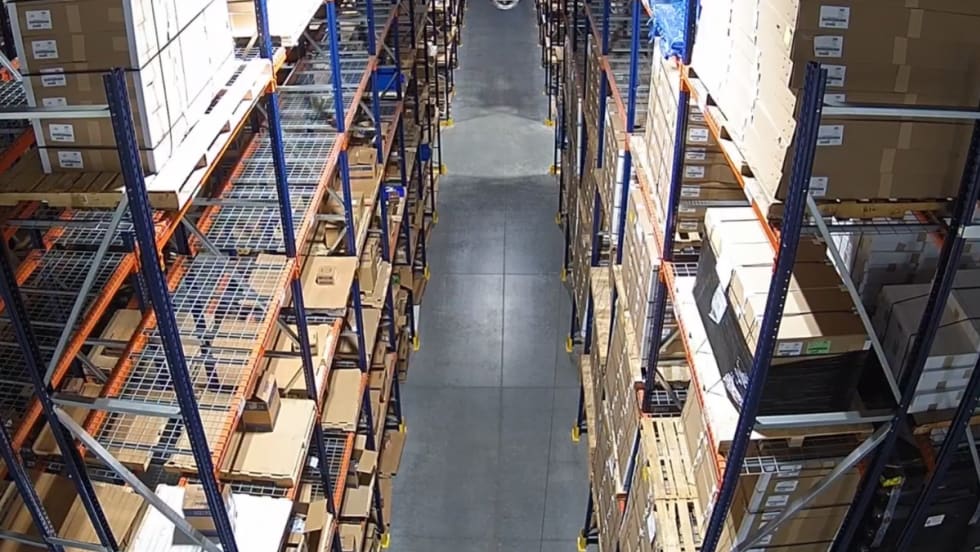
Phillips Opens High-Tech Distribution Center for Faster Parts Delivery
Phillips Industries’ new Cincinnati-area distribution center is now shipping aftermarket trucking parts nationwide, aiming to speed up delivery times for customers.
Read More →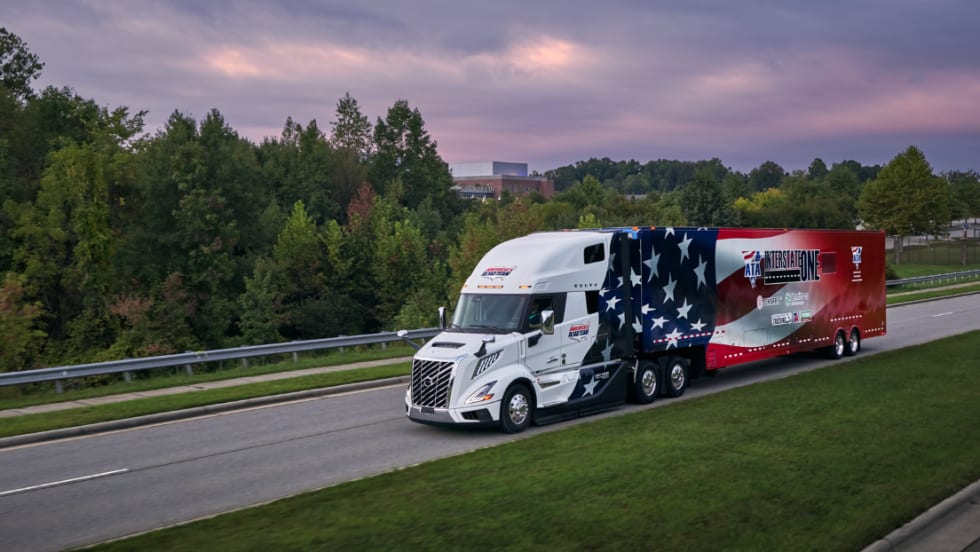
Volvo to Sponsor America’s Road Team for 2025
Volvo Trucks announced that it is extending its exclusive sponsorship of America’s Road Team for 2025.
Read More →
Webb to Start Taking Orders for UltraSet Pre-Adjusted Wheel Hubs
Webb, which recently acquired the Stemco Trifecta pre-adjusted hub program, will soon start taking orders for its replacement pre-assembled hub, the UltraSet.
Read More →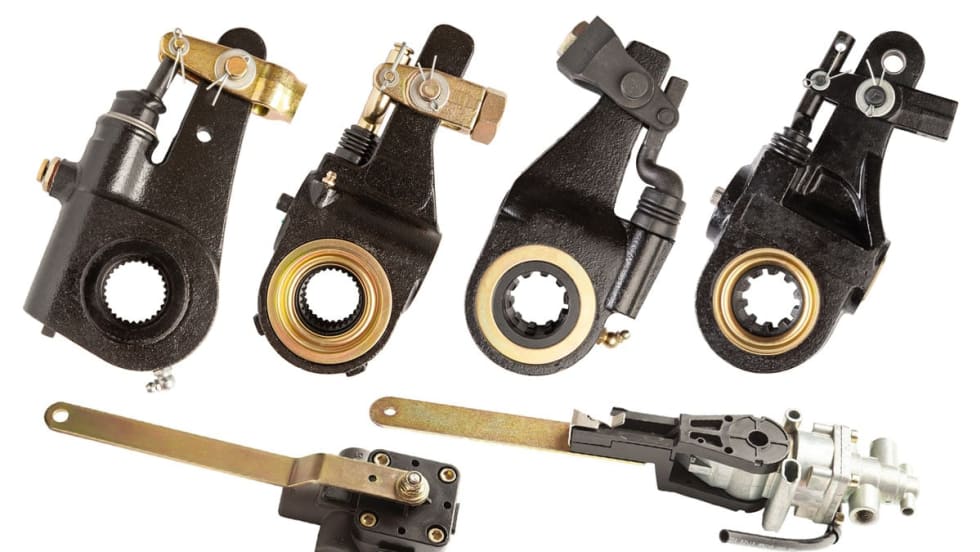
All-Makes Automatic Brake Adjusters, Ride Height Control Valves from Midland
SAF-Holland has added automatic brake adjusters and ride height control valves to its Midland All-Makes Program.
Read More →
ZF Aftermarket Expands [pro]Academy Training
ZF Aftermarket said it is expanding its ZF [pro]Academy training and will be adding 40 new modules this year.
Read More →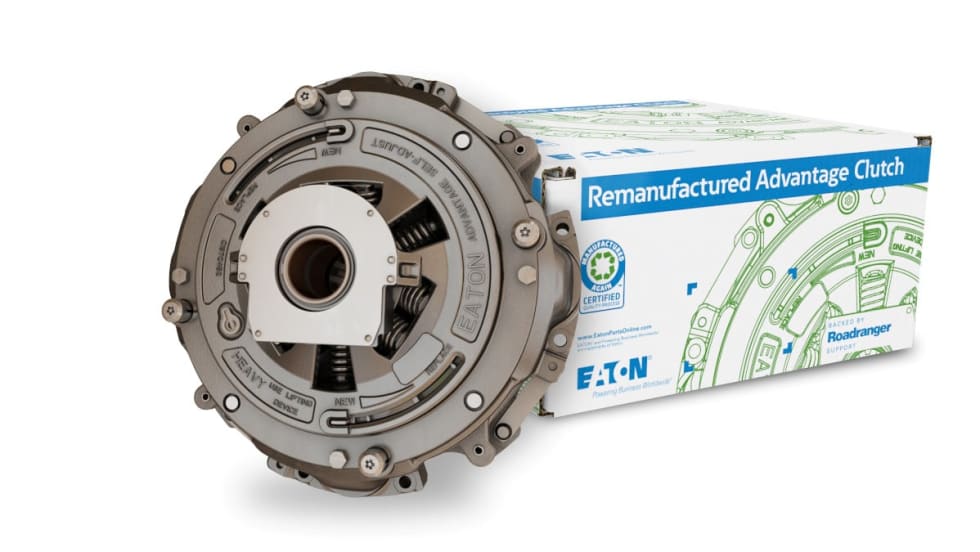
Eaton Adds Remanufactured Advantage Line of Clutches
Eaton has added its Advantage clutches to its remanufactured product line. The clutches feature a unique strap drive intermediate plate designed to allow customers to choose the latest OE specification
Read More →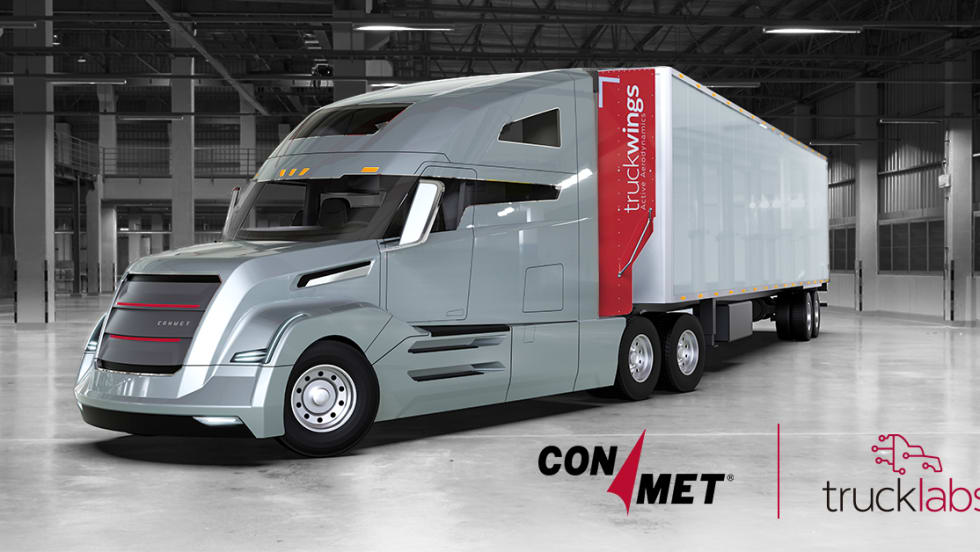
ConMet Acquires TruckLabs, the Creator of TruckWings
Commercial truck and trailer parts provider ConMet acquired TruckLabs, the company that created TruckWings, an aerodynamic device that attaches to truck cabs and deploys to close the gap between truck and trailer. TruckLabs now operates as a subsidiary of ConMet.
Read More →
Diesel Laptops Releases Fault-Code-to-Part-Number Tool
Diesel Laptops said its Truck Fault Codes allows users to input a fault code and immediately identify and order the parts needed to complete repair work.
Read More →