




CARB Steps Up Border Area Enforcement
The California Air Resources Board says it has stepped up enforcement of its diesel truck regulations to ensure that only vehicles compliant with California's stringent anti-pollution laws travel across the U.S. border into the state.
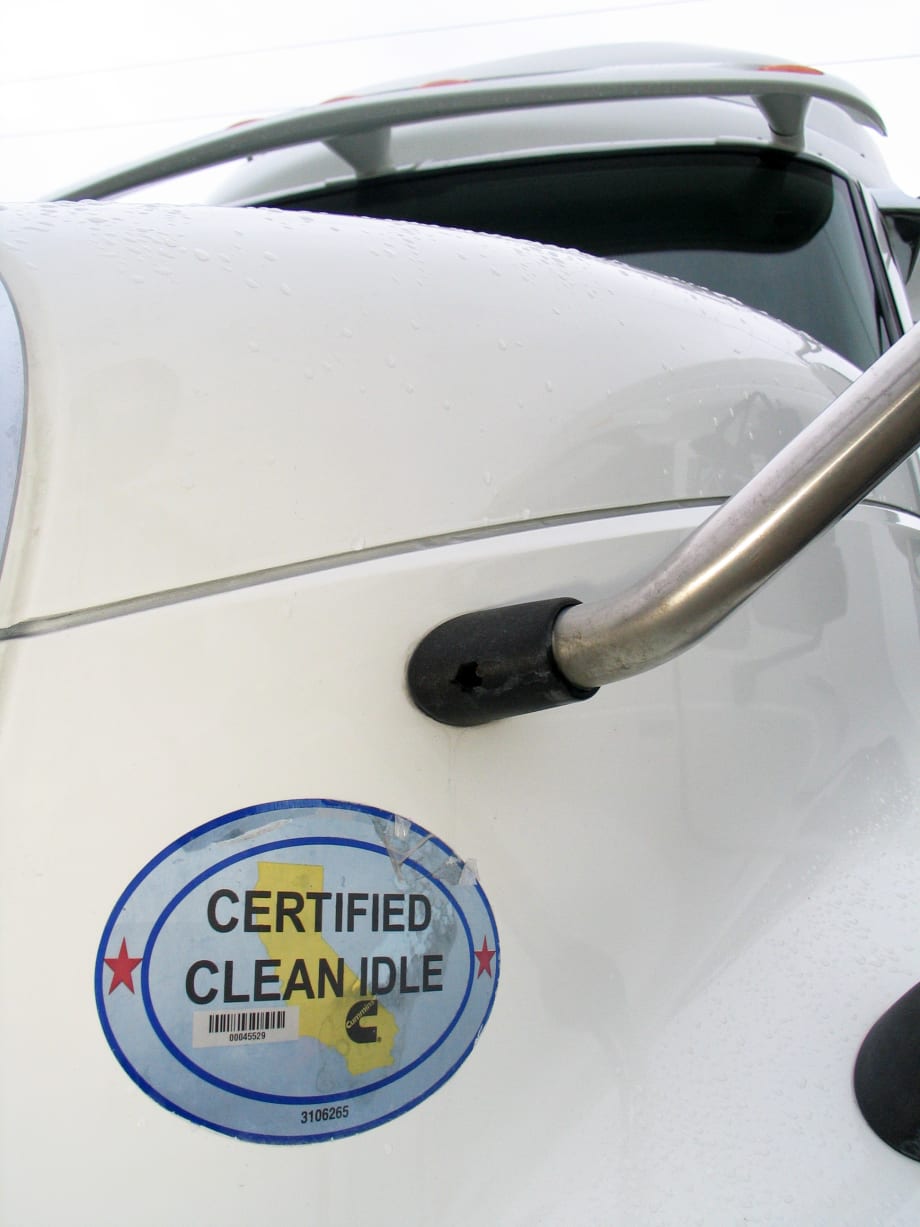
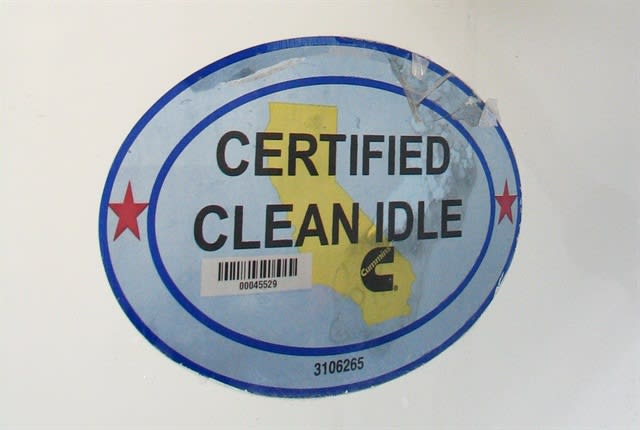
The California Air Resources Board says it has stepped up enforcement of its diesel truck regulations to ensure that only vehicles compliant with California's stringent anti-pollution laws travel across the U.S. border into the state.
All trucks transporting cargo originating from, or going to a regulated port or rail yard in the state must be compliant drayage trucks. Among other violations it is looking for at the border are “dray-offs”, when a compliant truck exchanges cargo with a noncompliant truck on or off port property.
“Starting last fall, CARB staff has been regularly visiting the border towns of Otay Mesa and Calexico to educate truckers and business owners in English and Spanish about how to comply with our regulations and what happens when you don’t,” said CARB Enforcement Chief Jim Ryden. "We have been working diligently to send a strong, consistent message that the benefits of compliance far outweigh the risks of ignoring or procrastinating when it comes to cleaning up your vehicles or participating in illegal dray-off."
Truckers may receive stiff penalties for participating in a dray-off. In addition, motor carriers and transport companies that dispatch trucks involved in dray-offs can face fines.
In 2012, CARB conducted 3,650 inspections on 1,938 trucks in Otay Mesa, Calexico, and Tecate to check compliance with a variety of rules including excessive idling, correct engine labeling, smoke emissions and tampering, and use of verified emissions reductions equipment for compliance with CARB regulations. A total of 261 citations were issued.
CARB is reminding the trucking industry that drayage trucks must be registered with the agency and be upgraded or replaced according to a specific timetable. The Truck and Bus regulation also requires heavy duty diesel trucks to be cleaned up.
Information about how to comply can be found by visiting ARB’s informational Truck Stop website or view a Summary of Requirements for diesel truck and equipment owners.
More Drivers

EEOC Sues Texas Trucking Company Over Driver Age Limits
The agency says Trancasa USA rejected applicants over 65 and applied tougher driving-record standards to those over 60.
Read More →
Nussbaum, Roehl Announce Second Driver Pay Increase This Year
This year has seen a swath of major truck driver pay increases as freight capacity has tightened.
Read More →
From One Generation to the Next: How Mentorship Builds Safer Truck Drivers
After three decades in trucking, Harold Perry shares what he's learned about driver safety, mentorship, and helping the next generation build confidence behind the wheel.
Read More →
Truck Drivers Need More Than Another Alert
Fleets have more visibility into truck health, safety events, and driver activity than ever. The next challenge is turning all that information into useful guidance for the person who has to decide what to do next.
Read More →
FMCSA Removes 110 Truck Driver Training Schools from Certified ELDT List
Federal regulators also are targeting more than 160 additional training providers and launching a nationwide audit of third-party CDL skills testers as part of a broader crackdown on trucking fraud.
Read More →
Hours of Service Pilot Programs: FMCSA Readies for 2027 Rollout
Two pilot programs could eventually reshape hours-of-service rules, giving truck drivers options to pause their 14-hour clock or use longer split sleeper rest periods.
Read More →
Medical Cards, English Proficiency Reshape Roadcheck Violations
Medical-card violations jumped to the top of the driver out-of-service list during CVSA’s 2026 International Roadcheck, while English-language proficiency violations appeared among the leading violations for the first time.
Read More →
Driver Trust Can Make or Break the Success of Fleet Safety Technology
New Teletrac Navman research suggests that onboarding, transparency about driver data, and positive feedback can play a significant role in how commercial drivers respond to safety and coaching technology.
Read More →
EEOC Sues KLLM Over Alleged Sex Discrimination in Driver Training
KLLM is facing a federal sex-discrimination lawsuit over policies the EEOC alleges put female truck driver trainees at a disadvantage.
Read More →
FMCSA Moves to Codify English Language Requirements for Commercial Drivers
By changing regulations on English-language proficiency requirements for commercial drivers, rather than relying on a guidance memo, the FMCSA said future administrations won't be able to walk back the Trump administration's stricter enforcement with just a memo.
Read More →