




Canadian Proposal Would Regulate Diesel Engines
Environment Canada last week introduced stringent emission standards for on-road vehicles and engines that will come into effect for the 2004 model year
Environment Canada last week introduced stringent emission standards for on-road vehicles and engines that will come into effect for the 2004 model year.
The proposed regulations would align federal emission standards with those of the U.S. Environmental Protection Agency, a policy designed to support the integrated North American vehicle manufacturing market.
Heavy-duty engines will be directly regulated for the first time; under the Motor Vehicle Safety Act these engines were regulated only when installed in heavy-duty vehicles.
By 2004, heavy-duty diesel engines must meet a combined standard for oxides of nitrogen (NOx) and hydrocarbons (HC) of 2.4 grams per brake horsepower-hour (g/bhp-hr). The current standard for NOx is 4 g/bhp-hr and the HC standard is 1.3 g/bhp-hr. The tighter restrictions represent a more than 40 percent reduction in emissions of NOx, as well as reductions in HC, from diesel trucks and buses.
Proposed standards scheduled to take effect in 2007 would reduce smog-causing emissions from trucks and buses by 95 percent beyond current levels. Soot emissions also would be reduced by 90 percent beyond current levels. In order to meet these more stringent standards for diesel engines, the sulfur content of diesel fuel must be capped at 15 parts per million -- a 97 percent reduction from 500 parts per million -- starting in 2006.
Between 1988 and 1998, particulate matter in exhaust has been cut by 83 percent -- and will be cut by 98 percent by 2007. In the same decade, NOx emissions have been reduced by 63 percent -- and also will be down by 98 percent in 2007.
In 1998, the EPA signed consent decrees with several of the largest heavy-duty diesel engine manufacturers to address several in-use emission problems. The manufacturers -- Caterpillar, Cummins, Detroit Diesel, Mack, Renault V.I., and Volvo -- agreed to introduce cleaner new engines and rebuild older engines to cleaner levels. Under the agreements, the companies will meet emission levels for heavy-duty diesel engines beyond what the law requires by October 2002. The consent decree is a legal contract between the EPA and the manufacturers. The manufacturers have no such agreement with the Canadian government.
More Aftermarket
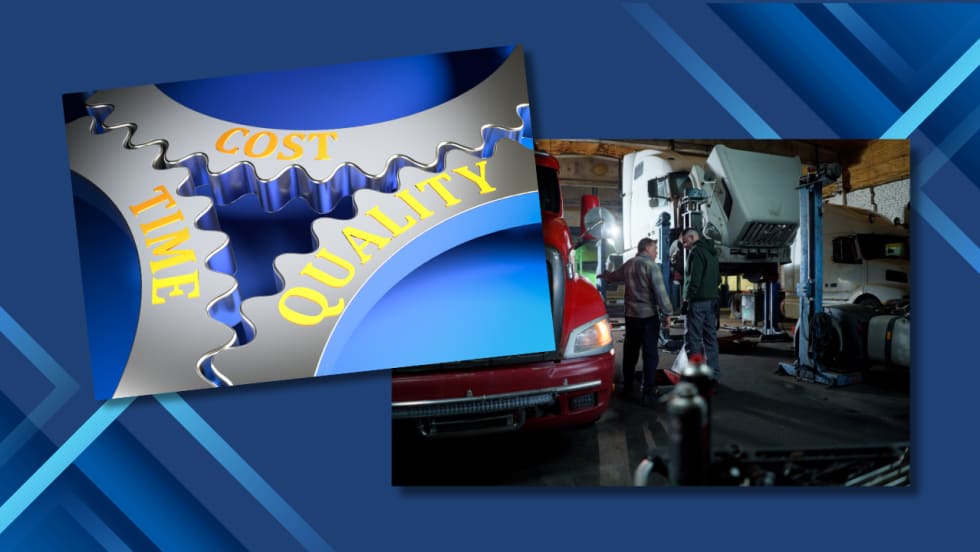
What Three Fleets Are Doing Differently When Buying Truck Parts in 2026
With freight improving but costs still climbing, fleet maintenance executives explain how they're balancing price, quality, and supplier relationships.
Read More →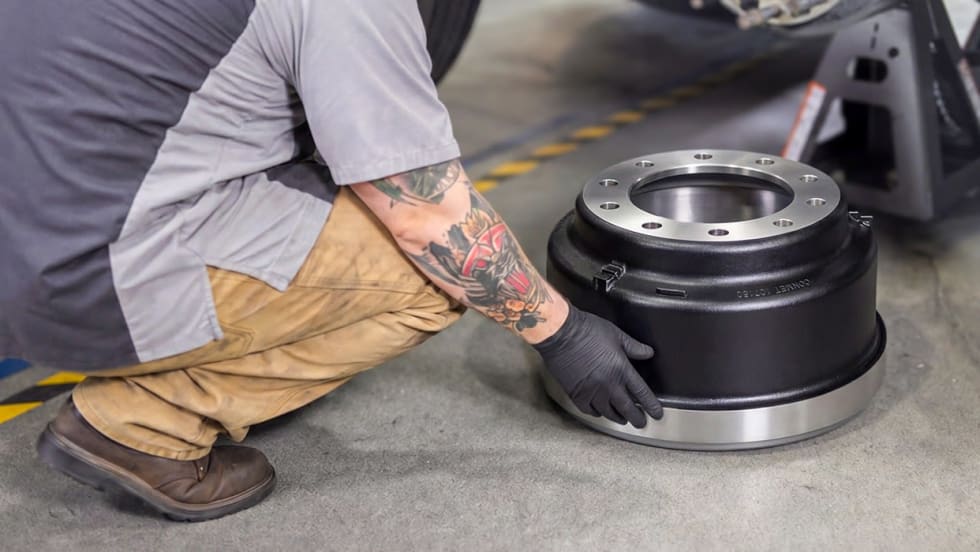
ConMet Expands Aftermarket Brake Drum Lineup With TruCast
A new heavy-duty truck brake drum option in the aftermarket gives customers more flexibility within the ConMet product family.
Read More →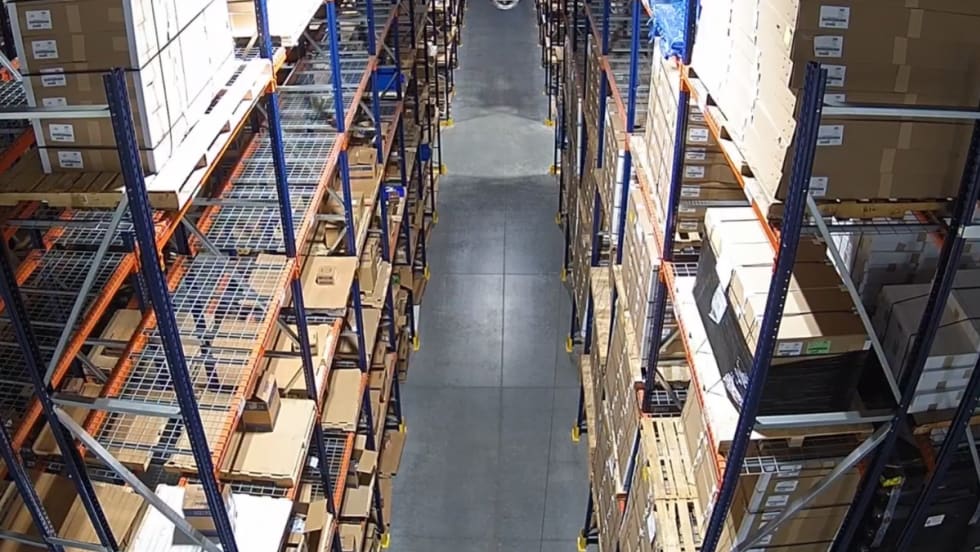
Phillips Opens High-Tech Distribution Center for Faster Parts Delivery
Phillips Industries’ new Cincinnati-area distribution center is now shipping aftermarket trucking parts nationwide, aiming to speed up delivery times for customers.
Read More →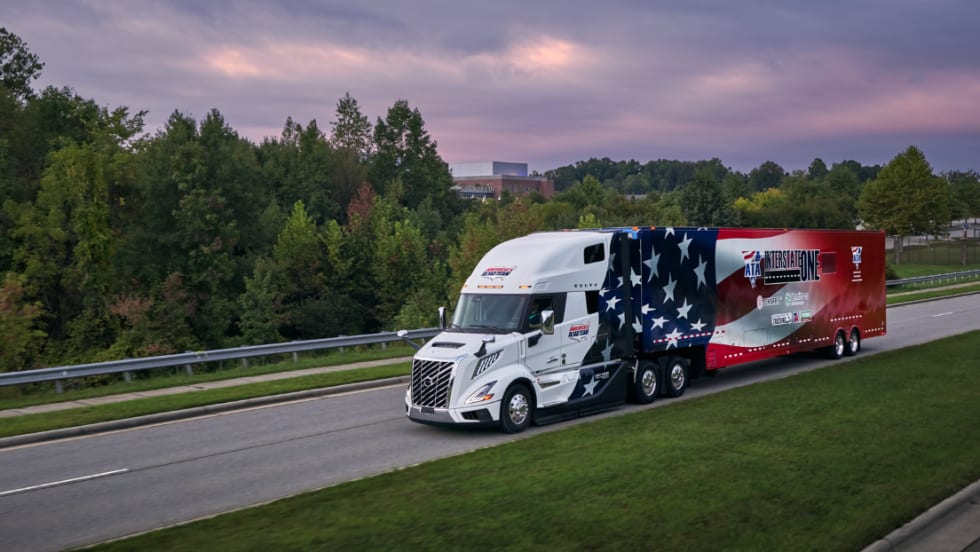
Volvo to Sponsor America’s Road Team for 2025
Volvo Trucks announced that it is extending its exclusive sponsorship of America’s Road Team for 2025.
Read More →
Webb to Start Taking Orders for UltraSet Pre-Adjusted Wheel Hubs
Webb, which recently acquired the Stemco Trifecta pre-adjusted hub program, will soon start taking orders for its replacement pre-assembled hub, the UltraSet.
Read More →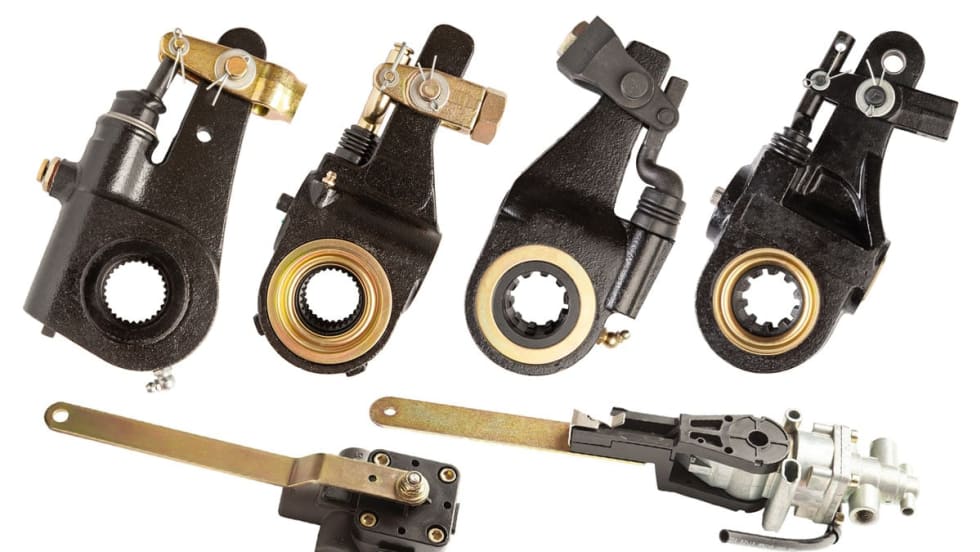
All-Makes Automatic Brake Adjusters, Ride Height Control Valves from Midland
SAF-Holland has added automatic brake adjusters and ride height control valves to its Midland All-Makes Program.
Read More →
ZF Aftermarket Expands [pro]Academy Training
ZF Aftermarket said it is expanding its ZF [pro]Academy training and will be adding 40 new modules this year.
Read More →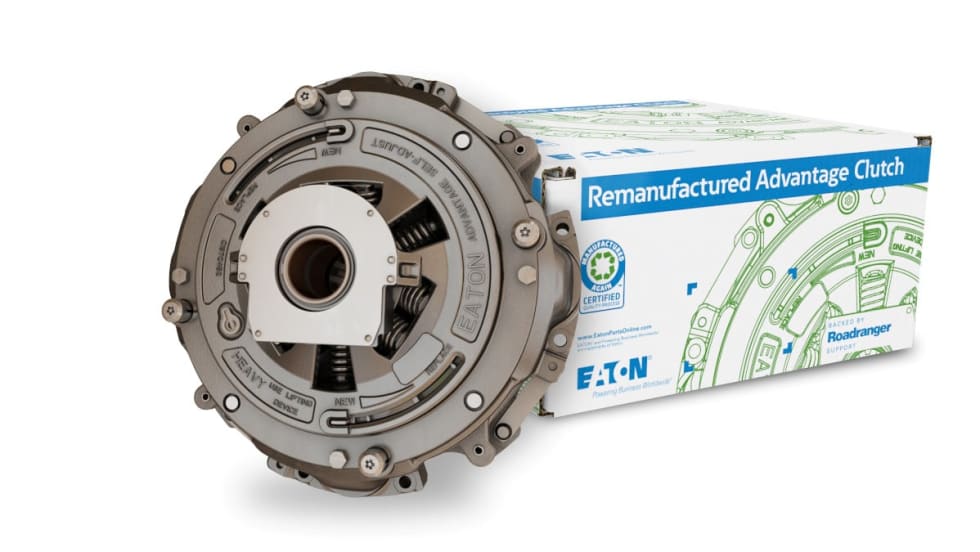
Eaton Adds Remanufactured Advantage Line of Clutches
Eaton has added its Advantage clutches to its remanufactured product line. The clutches feature a unique strap drive intermediate plate designed to allow customers to choose the latest OE specification
Read More →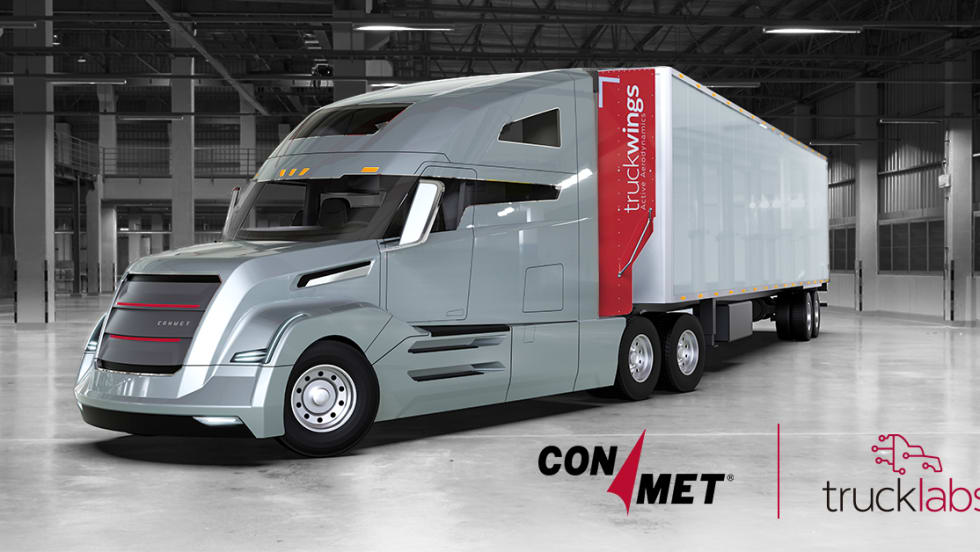
ConMet Acquires TruckLabs, the Creator of TruckWings
Commercial truck and trailer parts provider ConMet acquired TruckLabs, the company that created TruckWings, an aerodynamic device that attaches to truck cabs and deploys to close the gap between truck and trailer. TruckLabs now operates as a subsidiary of ConMet.
Read More →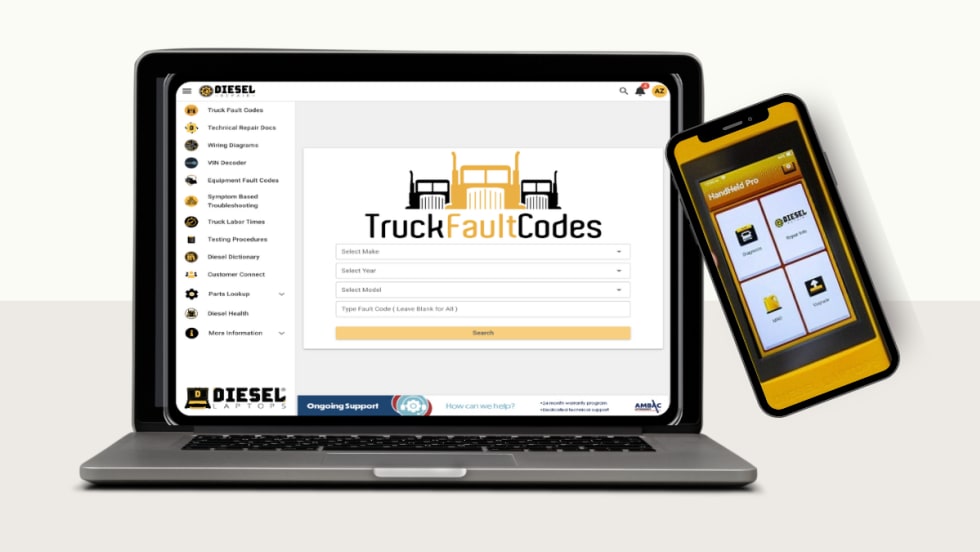
Diesel Laptops Releases Fault-Code-to-Part-Number Tool
Diesel Laptops said its Truck Fault Codes allows users to input a fault code and immediately identify and order the parts needed to complete repair work.
Read More →