




Canada Working to Address Emissions from Heavy-Duty Vehicles
Canada's Environment Minister released a consultation paper on the development of proposed regulations to limit greenhouse gas emissions from new on-road heavy-duty vehicles
Canada's Environment Minister released a consultation paper on the development of proposed regulations to limit greenhouse gas emissions from new on-road heavy-duty vehicles.
Canada and the United States are taking a common North American approach, and Canada intends to implement regulations with the 2014 model year in alignment with the United States. This week, the Environmental Protection Agency and the National Highway Traffic Safety Administration unveiled the first-ever fuel economy standards for medium- and heavy-duty vehicles.
"We are moving forward with our sector by sector approach to reduce greenhouse gas emissions in coordination with the United States," said Peter Kent, Canada's Environment Minister. "Building on our successful collaboration with the United States on the development of common North American standards for light-duty vehicles, we are also working together to do the same for heavy-duty vehicles."
This consultation paper is intended to provide another opportunity for interested parties to submit early comments prior to publishing proposed regulations. Proposed regulations are targeted for publication early in 2012 for a 60-day comment period.
The proposed regulations would seek to reduce emissions and improve the fuel efficiency of the whole range of new on-road heavy-duty vehicles, from full-size pick-up trucks to tractor-trailers, and include a wide variety of vocational vehicles such as freight, delivery, service, cement, garbage and dump trucks, as well as buses. The proposed regulations would also seek to promote the implementation of advanced technology vehicles such as hybrid and electric vehicles.
Reducing emissions in the transportation sector is a key component in the Government's plan to reduce total greenhouse gas emissions by 17% from 2005 levels by 2020.
In addition to the proposed heavy-duty regulations, the Canadian government has also finalized regulations to reduce greenhouse gas emissions from passenger vehicles and mandated a requirement for an average of 5% renewable content in gasoline, and 2% content for diesel and heating oil.
More Drivers
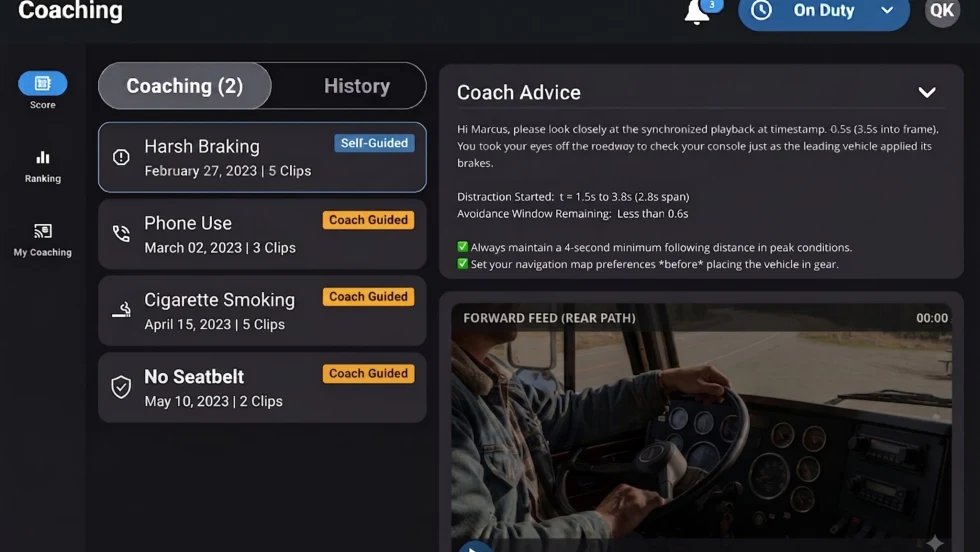
Platform Science Adds Dispatch and Safety Tools
Four additions to PS Fleet help fleets monitor loads, manage driver coaching, share truck locations and adjust video system settings.
Read More →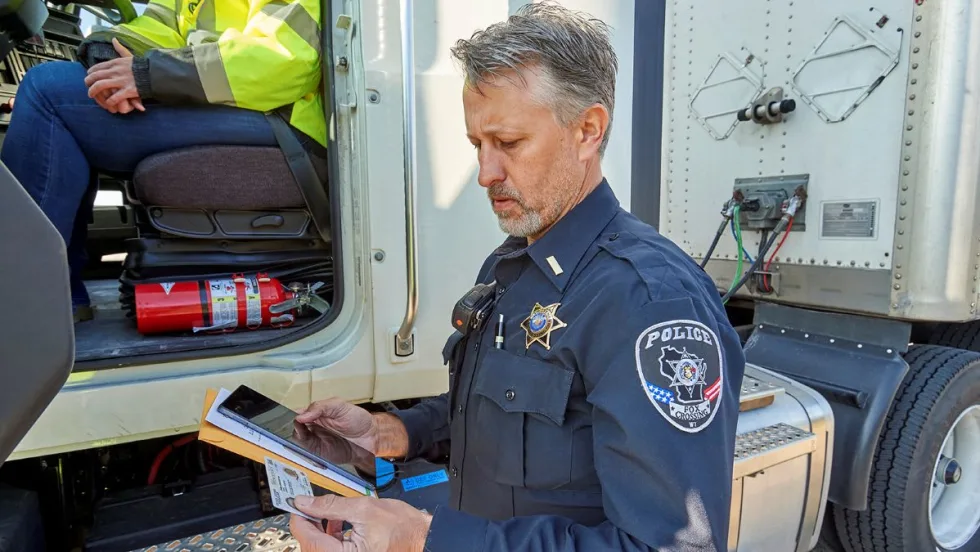
When Language Stops the Truck: The Return of ELP Out-of-Service Orders
English language proficiency rules for commercial drivers aren’t new, but renewed out-of-service enforcement has raised the stakes. Here’s what carriers need to know before a driver reaches a roadside inspection.
Read More →
Samsara Launches Custom AI Agent Builder
Agent Studio lets fleets create AI tools for hours-of-service monitoring, reporting and driver support, including agents that communicate by phone.
Read More →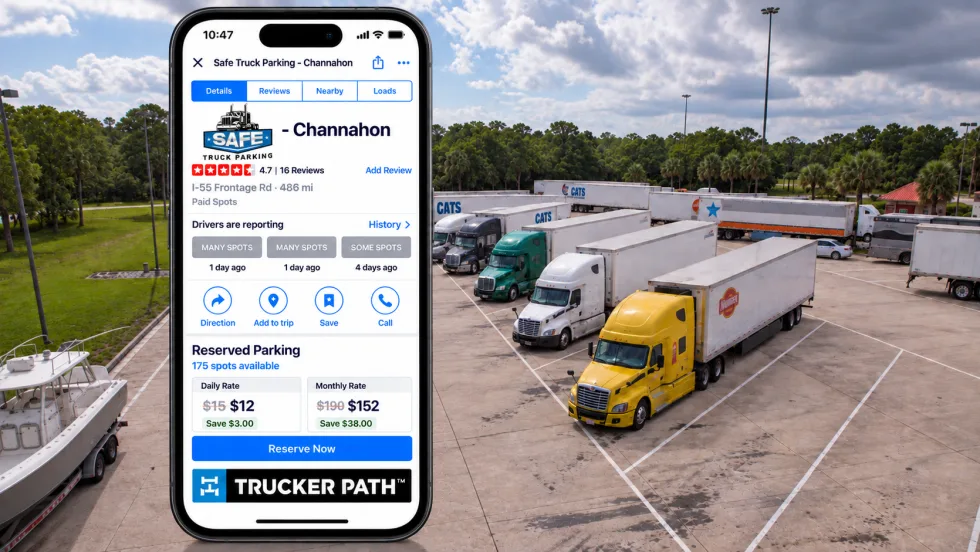
Trucker Path Expands Reserved Parking Network
Trucker Path has added close to 6,000 more truck parking spaces to its Trucker Path Reserved Parking Network with the addition of Safe Truck Parking.
Read More →
EEOC Sues Texas Trucking Company Over Driver Age Limits
The agency says Trancasa USA rejected applicants over 65 and applied tougher driving-record standards to those over 60.
Read More →
Nussbaum, Roehl Announce Second Driver Pay Increase This Year
This year has seen a swath of major truck driver pay increases as freight capacity has tightened.
Read More →
From One Generation to the Next: How Mentorship Builds Safer Truck Drivers
After three decades in trucking, Harold Perry shares what he's learned about driver safety, mentorship, and helping the next generation build confidence behind the wheel.
Read More →
Truck Drivers Need More Than Another Alert
Fleets have more visibility into truck health, safety events, and driver activity than ever. The next challenge is turning all that information into useful guidance for the person who has to decide what to do next.
Read More →
FMCSA Removes 110 Truck Driver Training Schools from Certified ELDT List
Federal regulators also are targeting more than 160 additional training providers and launching a nationwide audit of third-party CDL skills testers as part of a broader crackdown on trucking fraud.
Read More →
Hours of Service Pilot Programs: FMCSA Readies for 2027 Rollout
Two pilot programs could eventually reshape hours-of-service rules, giving truck drivers options to pause their 14-hour clock or use longer split sleeper rest periods.
Read More →