




Canada Follows U.S. Lead on Fuel Efficiency Standards
As expected, Canada has announced plans to follow the U.S. lead in developing CO2 emissions standards - fuel economy standards - for medium and heavy vehicles.
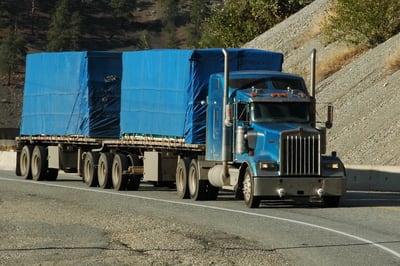
Canadian truckers are concerned that if Canada adopts proposed U.S. fuel economy standards word-for-word, it will be impossible to meet with the heavier loads seen there. (Photo by Jim Park)
As expected, Canada has announced plans to follow the U.S. lead in developing CO2 emissions standards - fuel economy standards - for medium and heavy vehicles.
Jim Prentice, Canada's Environment Minister, released a consultation document outlining the proposed elements of the future regulations to reduce greenhouse gas emissions from new heavy-duty vehicles.
"Canada and the United States have had great success in working together to reduce emissions from new light-duty vehicles, and we are looking forward to doing the same for heavy-duty vehicles," said Prentice.
The Regulatory Framework consultation document outlines the main elements of the planned regulations in order to seek early views from stakeholders, which will be taken into account in developing proposed regulations which are expected to be available in mid-2011. Canada's heavy-duty vehicle regulations will be aligned with those of the United States.
Canadian truckers are concerned that if Canada adopts U.S. standards word for word, the targets will not be met by sectors hauling heavier loads than is currently the practice. Canada allows combinations of eight axles or more with gross vehicle weights exceeding 140,000 pounds in some cases. The U.S. proposed standards seem designed for 80,000-pound, five-axle combinations.
In Canada, the transportation sector accounts for about a quarter of greenhouse gas emissions. Heavy-duty vehicles account for about six percent of total greenhouse gas emissions in Canada. Reducing emissions in this sector will help us achieve our 2020 target of a 17 percent reduction in greenhouse gas emissions from 2005 levels, the consultation document notes.
Read more about the Canadian proposal here
More Drivers
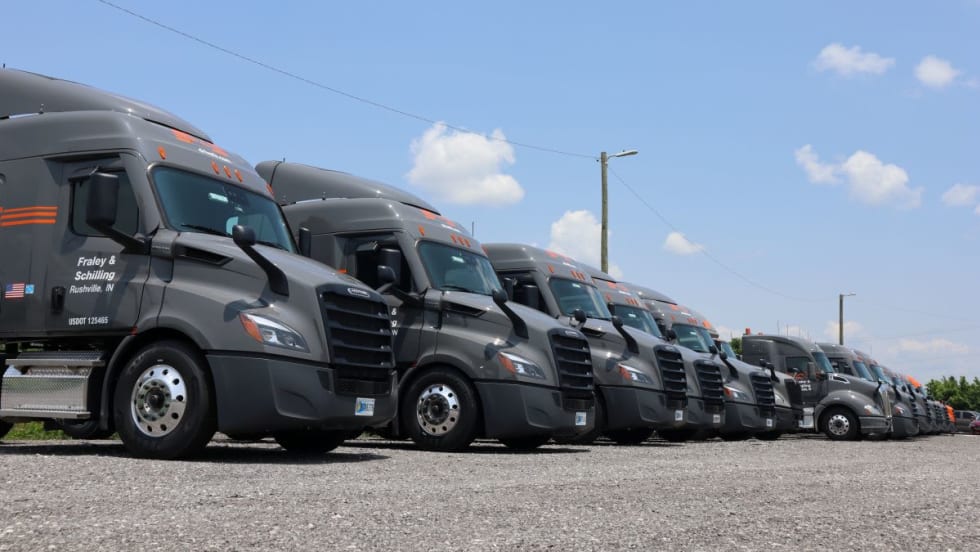
How Fraley & Schilling Improved Logbook Compliance by Over 50%
Fraley & Schilling needed a way to close a compliance workflow gap in its ELD system without adding more work from driver training, reminders, and back-office follow-ups. It found the answer in a custom driver app.
Read More →
Volvo Goes Gaming
Volvo has roared into American Truck Simulator with two new flagship trucks.
Read More →
What the Best Fleets to Drive For Teach About Driver Retention
Survey fatigue, AI-powered routing, owner-operator expectations, and the decline of social media all emerged as themes from this year's Best Fleets to Drive For program.
Read More →
Driver Retention Lessons From the Best Fleets to Drive For
What separates trucking's best workplaces from the rest? Jane Jazrawy shares the biggest lessons from this year's Best Fleets to Drive For program on driver retention, communication, AI, and workforce trends on the HDT Talks Trucking podcast.
Read More →
Farewell, CDL: Why I'm Giving Up My Commercial Driver's License
After more than 20 years as a CDL holder, HDT Executive Editor Jack Roberts is letting his commercial license expire. Not because he wants to — but because trucking's nuclear verdict crisis has made the risks of public-road test drives too great for editors, manufacturers, and everyone involved.
Read More →
How Top Trucking Fleets Improve Driver Retention [Video]
What do healthy snacks, optimized routing, and just picking up the phone have in common? They're all strategies the Best Fleets to Drive For are using to retain truck drivers.
Read More →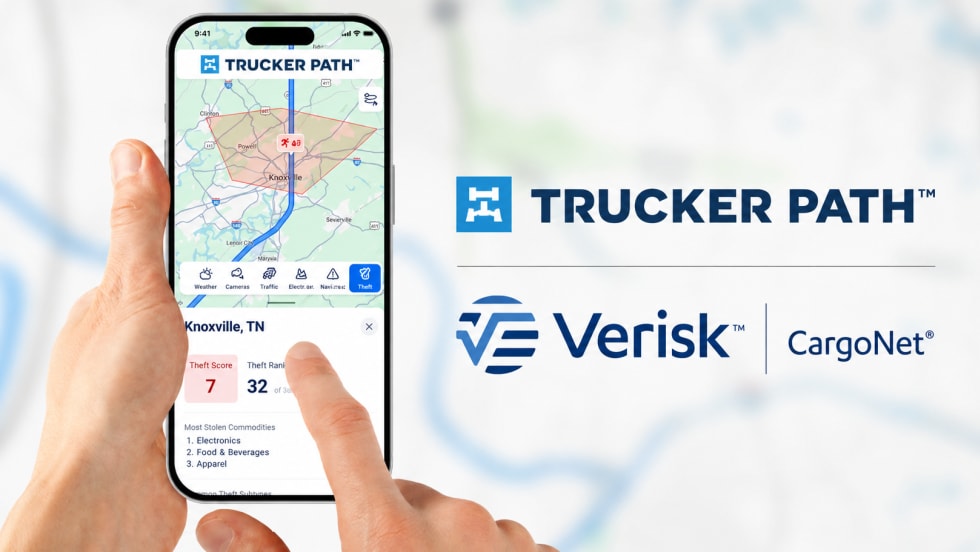
Trucker Path Adds Verisk CargoNet Theft Data to Navigation Platform
Trucker Path’s new cargo theft risk overlays give drivers and fleets visibility into high-risk areas, stolen commodity trends, and theft hotspots.
Read More →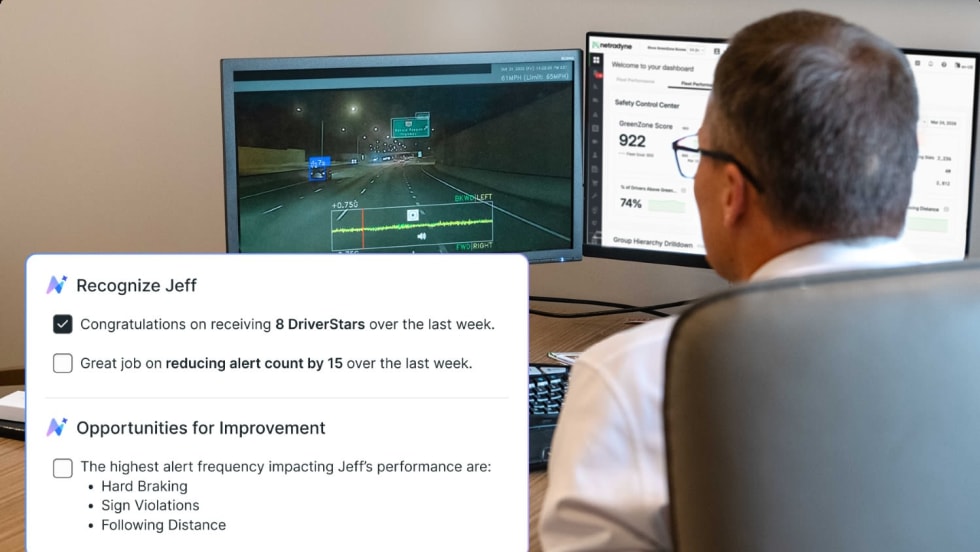
Netradyne Intelligence Uses New AI Agents to Automate Response to In-Cab Camera Data
The company called the next-generation in-cab camera safety platform "a fundamental shift from systems that report on what happened to systems that actively drive what should happen next."
Read More →
Why Truck Detention Keeps Costing Fleets Time and Money
A 2024 ATRI study found detention affects nearly 40% of truckload stops and costs the industry more than $15 billion annually. Despite the toll on drivers, fleets, and supply chains, the problem remains stubbornly persistent.
Read More →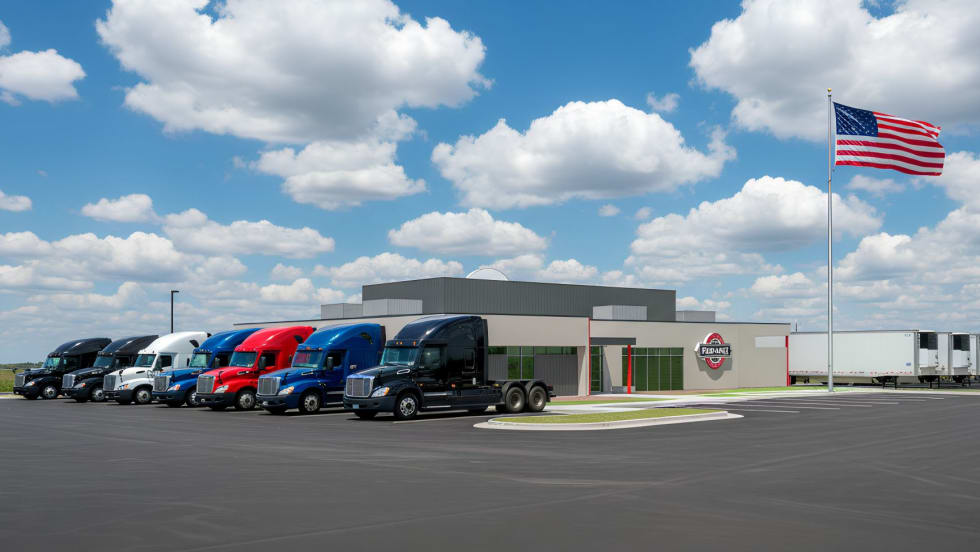
Prime Inc. to Open $7.9M Flagship Used-Truck Dealership
A new driver-focused facility to sell Prime Inc's used trucks and trailers will be the first purpose-built location in the company's history.
Read More →