




California to Set the Stage For Changes in National Transportation Network
Between the California Air Resources Board's emissions rules and the Port of Los Angeles' efforts to regulate trucking and clean the air, the state of California stands to lead the country in critical issues related to trucking
Between the California Air Resources Board's emissions rules and the Port of Los Angeles' efforts to regulate trucking and clean the air, the state of California stands to lead the country in critical issues related to trucking.
However these regulations play out, they are sure to have an effect on the national transportation network, according to panelists at the 2009 Intermodal Expo and TransComp in Anaheim, Calif., this week.
During a session called "Is Your Motor Carrier on the Highway to Health in 2010?," panelists said it's inevitable for the California regulations to spread to the rest of the country. "The question in my mind is how quickly," said Val Noel, president of Pacer Cartage.
"We have to make a stand on some of these issues because it has far-reaching implications," said Kenneth Lund, vice president of support operations at Allen Lund Company, a transportation broker.
"If you can do this in LA," said David Howland, vice president of rail at Schneider National, "what stops Chicago from doing it in Cook County?"
Barriers to Entry
Panelists expressed their support of California's environmental rules and are certainly on board with the effort to clean the air. Such regulations include the Port of Los Angeles' ban on older trucks and CARB's requirement of older reefers to install clean exhaust equipment. Fleets that cannot afford and keep up with the changes will most likely be forced out of the marketplace. The main motivation behind the panelists' support of the changes is this elimination of the competition.
"It will level the playing field going forward," said Noel. Noel compared the environmental changes to a game of high stakes poker, and he said Pacer is all in. While investing in the clean equipment poses a lot of risk, fleets also stand to reap the rewards, which means coming out stronger and ahead of the pack. For example, under the port regulation, the barrier to entry to the port is so high that it distorts the marketplace, he added.
Underlying Forces
While the environmental regulations would be good for business, the underlying implications would not, panelists said. The speakers were referring to the portion of the port's Clean Truck Program that aims to ban owner-operators, with the rationale that these drivers are too poor to afford lower-emissions trucks. The American Trucking Associations has been challenging this in court, seeking an injunction to block the owner-operator ban and other concession requirements.
This leads to the much larger issue of local authorities aiming to regulate the way trucking companies do business, one aspect of the LA port's effort that could have far-reaching implications. In fact, just recently New York Mayor Mike Bloomberg and Newark Mayor Cory Booker announced their support of the Port of Los Angeles' Clean Truck Program, and urged Congress to update the law to allow all ports to implement such programs.
"This could fragment and destroy the national transportation network we have, in short order," said Howland. Howland stressed the fact that it's not the clean air aspect that the carriers have a problem with; it's the politics that have been tied to that.
According to Michael Bruns, president of Comtrak Logistics, the underlying force behind banning owner-operators in California is the unions, which would love to see the owner-operator model go away. "They love clean air. They really do," Bruns said, laughing. Others in the industry, including the ATA, have said the same.
However the situation with the Port of Los Angeles plays out, it's clear that there's a lot at stake for the trucking industry as it looks to California.
More Aftermarket

What Three Fleets Are Doing Differently When Buying Truck Parts in 2026
With freight improving but costs still climbing, fleet maintenance executives explain how they're balancing price, quality, and supplier relationships.
Read More →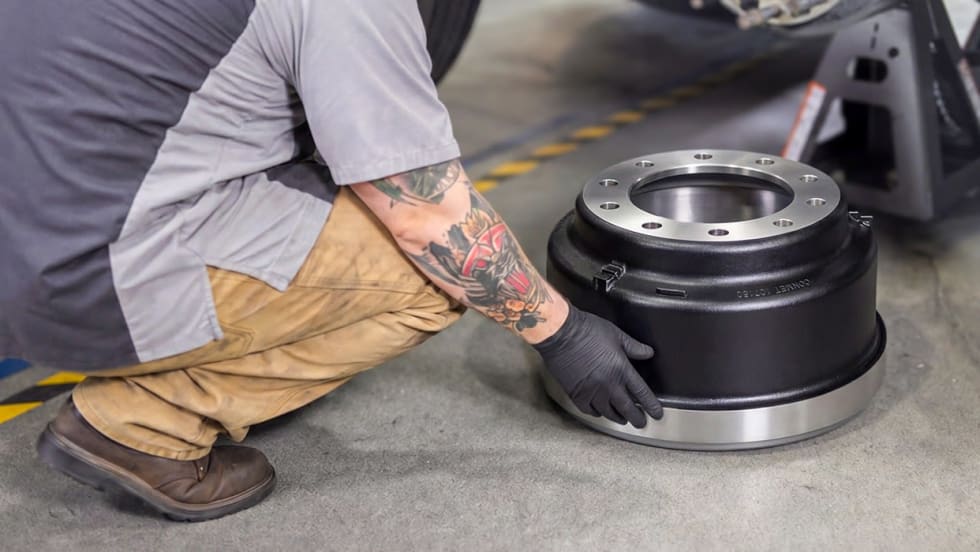
ConMet Expands Aftermarket Brake Drum Lineup With TruCast
A new heavy-duty truck brake drum option in the aftermarket gives customers more flexibility within the ConMet product family.
Read More →
Phillips Opens High-Tech Distribution Center for Faster Parts Delivery
Phillips Industries’ new Cincinnati-area distribution center is now shipping aftermarket trucking parts nationwide, aiming to speed up delivery times for customers.
Read More →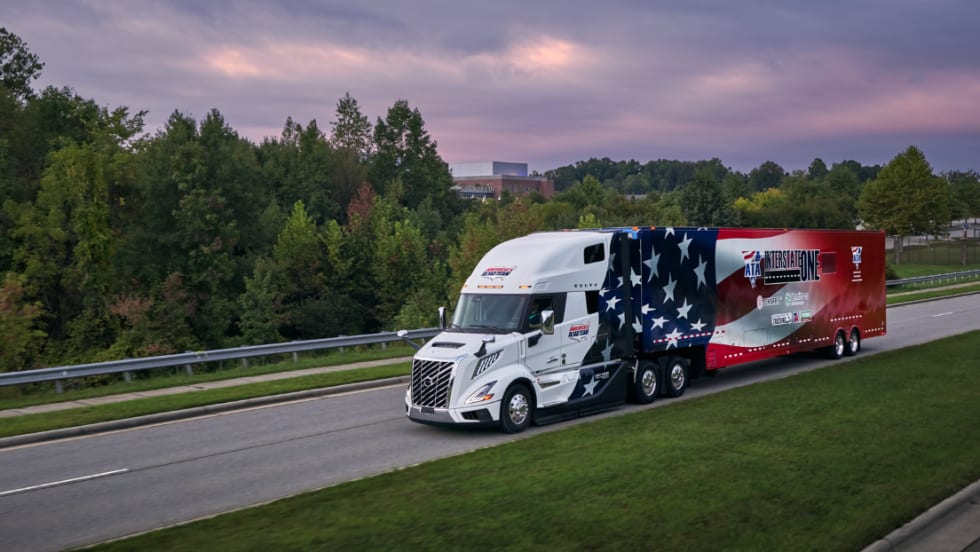
Volvo to Sponsor America’s Road Team for 2025
Volvo Trucks announced that it is extending its exclusive sponsorship of America’s Road Team for 2025.
Read More →
Webb to Start Taking Orders for UltraSet Pre-Adjusted Wheel Hubs
Webb, which recently acquired the Stemco Trifecta pre-adjusted hub program, will soon start taking orders for its replacement pre-assembled hub, the UltraSet.
Read More →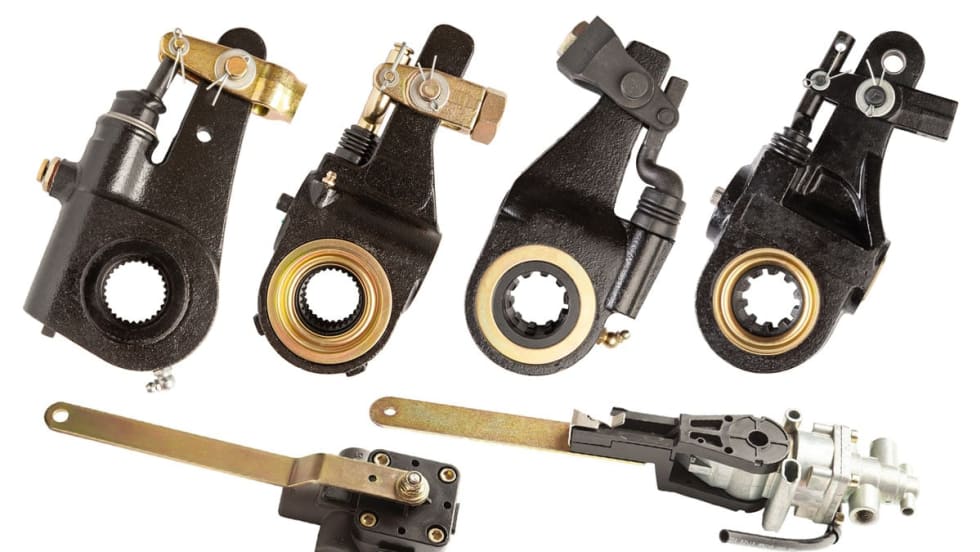
All-Makes Automatic Brake Adjusters, Ride Height Control Valves from Midland
SAF-Holland has added automatic brake adjusters and ride height control valves to its Midland All-Makes Program.
Read More →
ZF Aftermarket Expands [pro]Academy Training
ZF Aftermarket said it is expanding its ZF [pro]Academy training and will be adding 40 new modules this year.
Read More →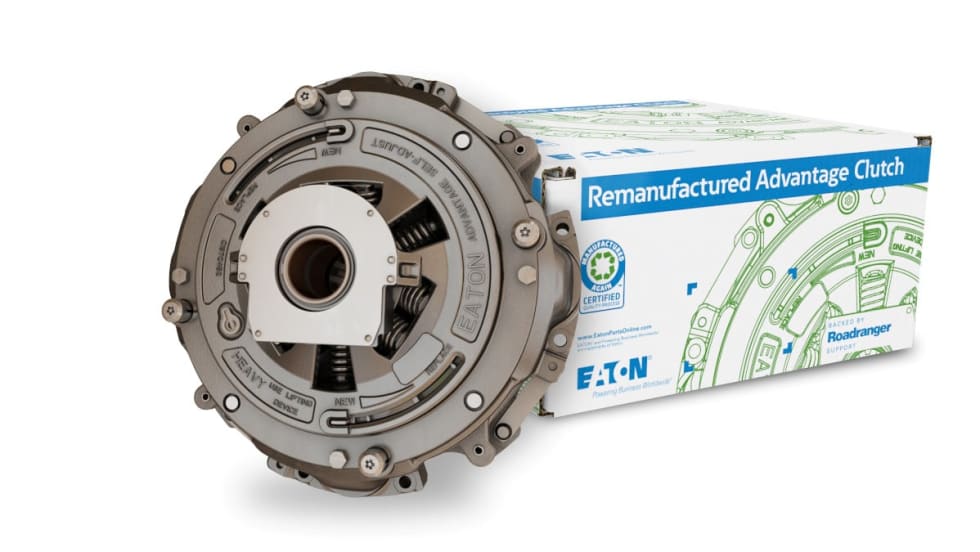
Eaton Adds Remanufactured Advantage Line of Clutches
Eaton has added its Advantage clutches to its remanufactured product line. The clutches feature a unique strap drive intermediate plate designed to allow customers to choose the latest OE specification
Read More →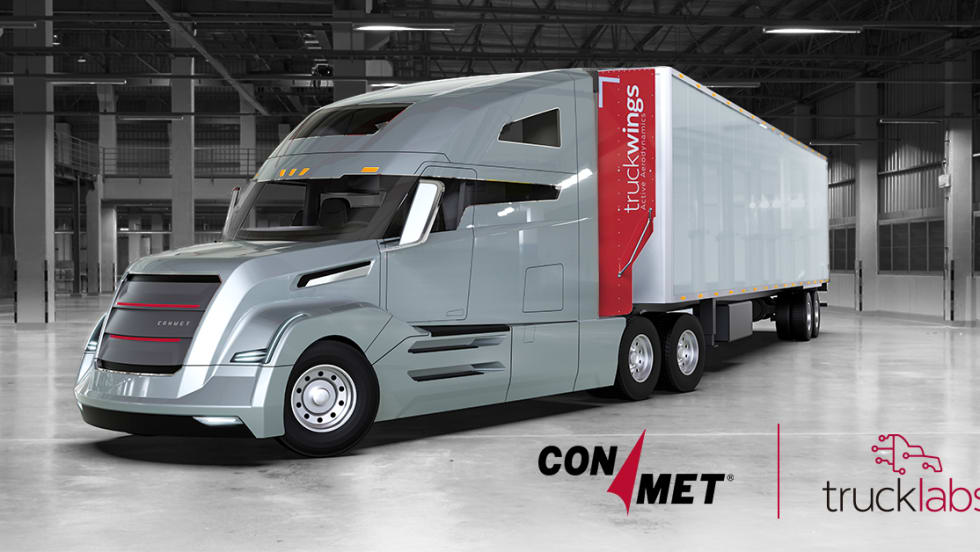
ConMet Acquires TruckLabs, the Creator of TruckWings
Commercial truck and trailer parts provider ConMet acquired TruckLabs, the company that created TruckWings, an aerodynamic device that attaches to truck cabs and deploys to close the gap between truck and trailer. TruckLabs now operates as a subsidiary of ConMet.
Read More →
Diesel Laptops Releases Fault-Code-to-Part-Number Tool
Diesel Laptops said its Truck Fault Codes allows users to input a fault code and immediately identify and order the parts needed to complete repair work.
Read More →