




California to Revamp Terminal Inspection Program
Trucking operations based in California or with terminals there are going to get a break from one the state’s regulations staring in a couple of years.


Trucking operations based in California or with terminals there are going to get a break from one the state’s regulations staring in a couple of years.
Gov. Jerry Brown last month signed legislation, AB 529, amending the Biennial Inspection of Terminals Program.

Currently BIT requires inspectors with the California Highway Patrol to inspect every truck terminal, including paperwork and equipment, once every 25 months. There are about 70,000 regulated motor carriers in the Golden State.
“It is a time-consuming process every two years of going through a BIT inspection," says Joe Rajkovacz, director of governmental affairs and communications for the California Construction Trucking Association and its interstate conference, the Western Trucking Alliance. “It is like an audit and people lost sleep over it. If you don’t pass your BIT inspection, they will be right back out in a couple of weeks and you are going to pay the entire BIT fees all over again in order to get that re-inspection done.”
Beginning in January 2016, such inspections will happen not less than every four years. CHP inspectors will use a system similar to the Federal Motor Carrier Safety Administration’s Compliance Safety and Accountability program, targeting carriers for additional enforcement and to determine where CHP will send inspectors.
“If you are a good operator, why should you have to go through this every two years? It’s that simple,” Rajkovacz says. “It’s about efficiencies, but it’s also about putting the resources into targeting the bad actors instead of targeting everybody equally.”
Rajkovacz says one of the things his group has been assured of is that California will have a crash indicator and will use a motor carrier’s actual crash history and roadside inspection data. This, he says, is much more effective than inspectors visiting each and every operator in the state every 25 months. In addition, he says, California does establish fault in commercial motor vehicle fatal involved crashes, something the trucking industry has complained that CSA doesn’t do.
Between now and when the new program is up and running in just over two years, Rajkovacz says, CHP will go through a rulemaking process to set up the new system.
“There is going to be a whole rulemaking process involving the trucking industry in helping craft what this will be,” he says. “It is going to be modeled after what the Feds do, but it doesn’t mean they [CHP] have to adopt everything the Feds do.”
In fact, he says, what will be happening in California should lead to successful tweaking of CSA.
More Fleet Management
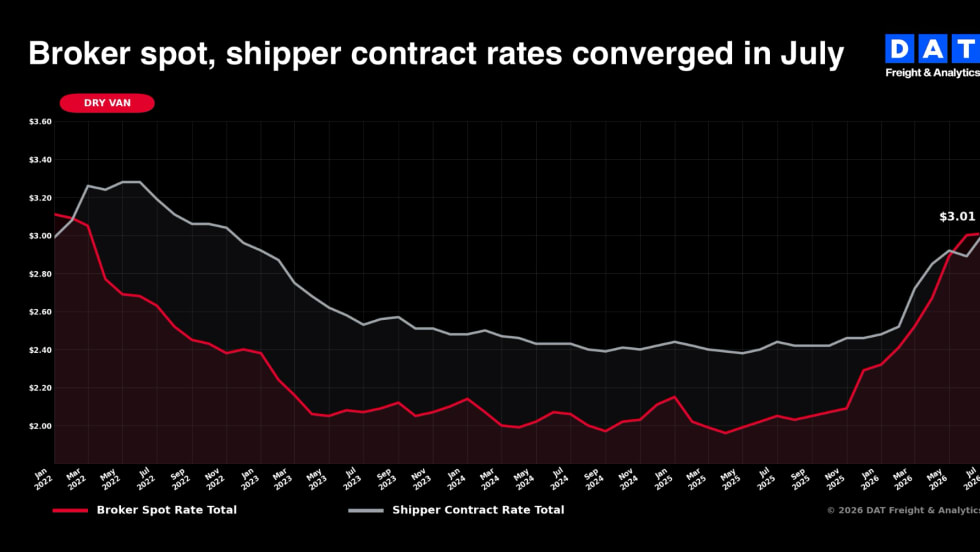
Tight Trucking Capacity Pushes Rates Higher Even as Freight Volumes Fall
“Spot rates moving ahead of contract rates have historically signaled a tightening market, but we haven’t seen a capacity-driven market quite like this one,” said DAT's Dean Croke.
Read More →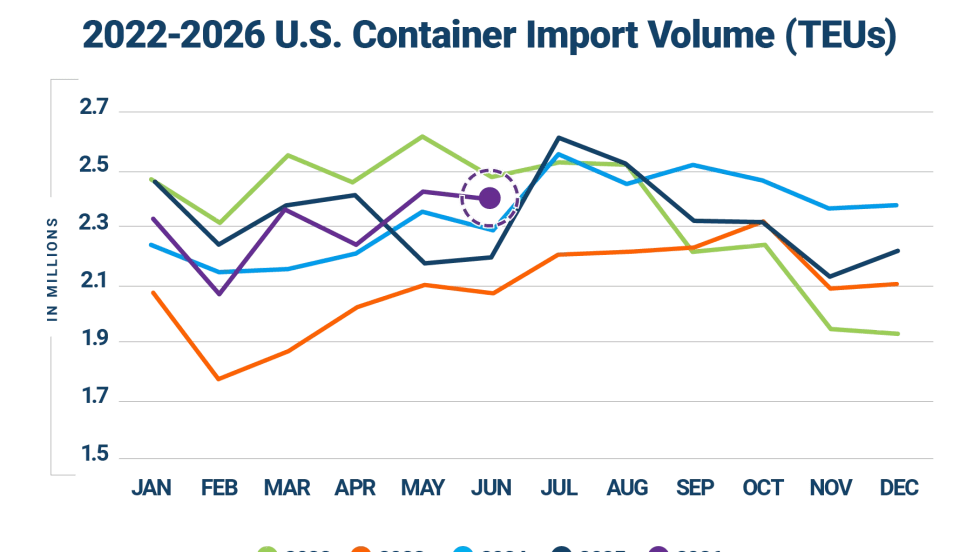
Import Cargo’s Early Peak Season is Winding Down
There was an early start to peak season this year at the nation's gateway ports, as retailers brought in merchandise ahead of tariff changes in late July and responded to other supply chain uncertainties,
Read More →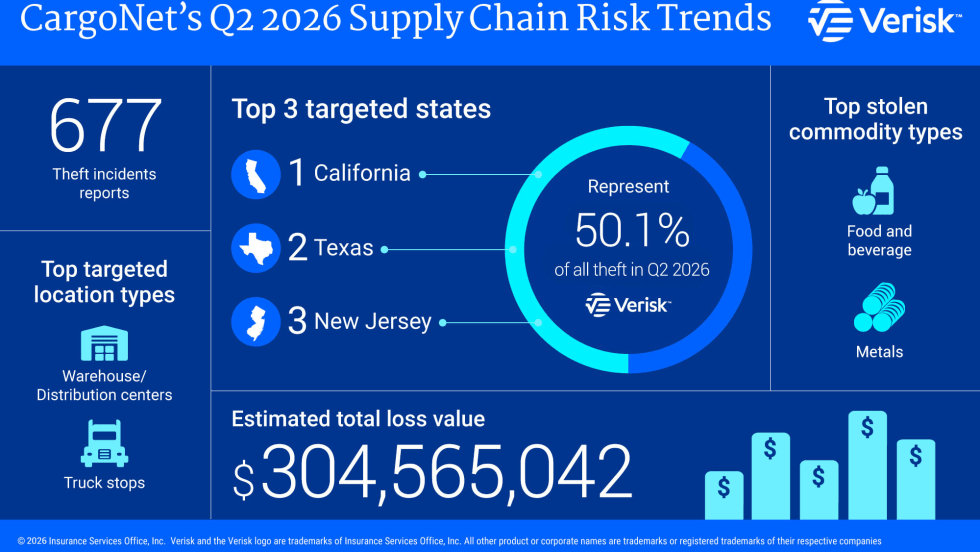
Fewer Cargo Thefts, Bigger Losses: Criminals Target Higher-Value Loads
CargoNet says organized theft rings are stealing fewer shipments but choosing more valuable freight, including metals and technology, resulting in record losses.
Read More →
How Innovative Trucking Leaders Turn Change Into an Advantage
As the pace of change accelerates in trucking, the fleets that adapt best have more than the latest technology. They have cultures that embrace improvement.
Read More →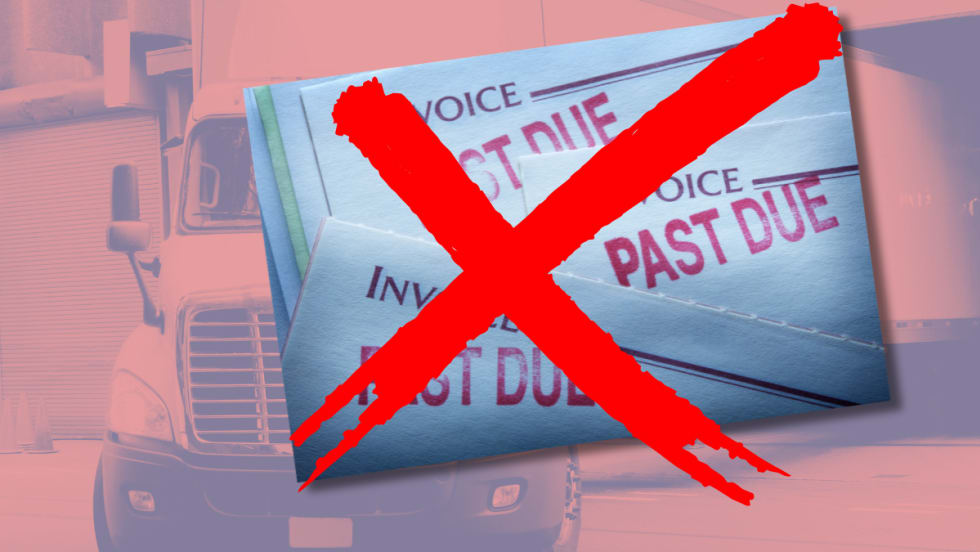
Freight Broker Bonds Just Got Harder to Get. Here's What That Means for Your Fleet.
When it gets harder for a freight broker to prove they are financially sound, the ones who cannot clear that bar get pushed out of the market. And those are exactly the brokers who used to leave motor carriers holding the bag.
Read More →
Long-Awaited Canadian Border Bridge to Open in Detroit
For trucking, the bridge opening should offer immediate improvements in efficiency and reliability, with new customs facilities, expanded inspection capacity, and direct freeway-to-freeway connections.
Read More →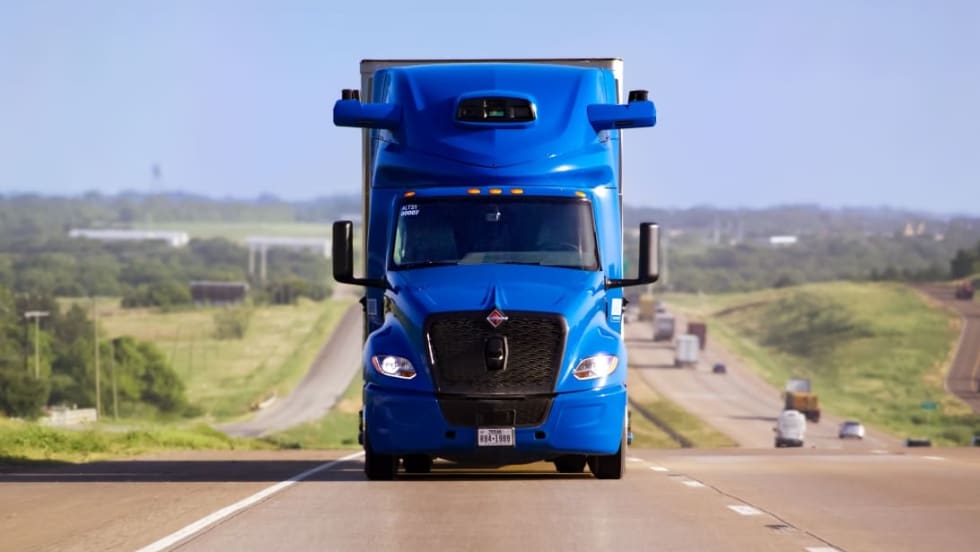
Aurora Rolls Out Next Generation of Driverless Trucks for Commercial Freight
Aurora's latest autonomous trucks it's rolling out with International feature lower-cost hardware designed for a million miles as the company expands commercial driverless freight operations across the U.S. Sun Belt.
Read More →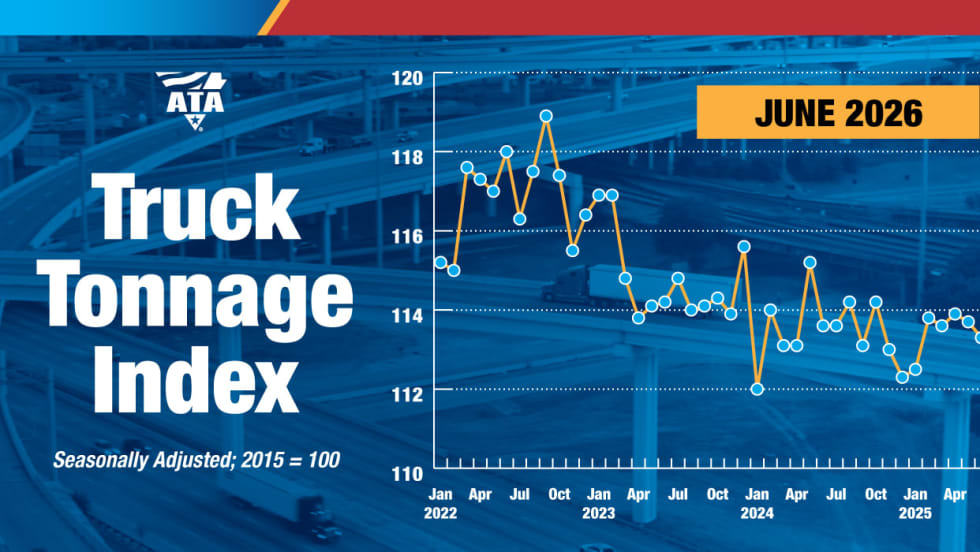
Freight Tonnage Down, Rates up, as Lower Capacity Powers Trucking Recovery
The recovery from the freight recession continues to be driven by reduction in capacity rather than by increased demand.
Read More →
Think Your Trucking Fleet Isn't Using Much AI? Think Again
Shadow AI — the use of unauthorized artificial intelligence tools at work — is becoming increasingly common, putting sensitive company data at risk. Learn how trucking fleets can protect sensitive data while embracing AI.
Read More →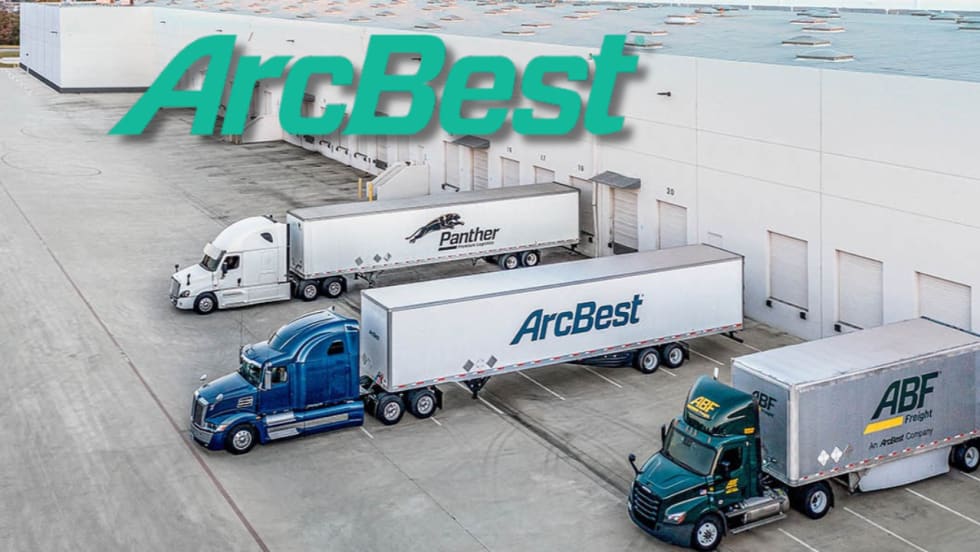
ArcBest Consolidates Brands, Cuts Workforce
The company will bring three business units under the ArcBest brand, eliminate about 2% of positions, and expects the changes to generate $40 million in annual savings.
Read More →