




California Proposal Would Require Locked Trailer Doors
A barrel of hazardous materials that went missing just days before the Sept. 11 attacks has prompted proposed legislation in California requiring cargo doors on trucks carrying hazardous materials to be locked
A barrel of hazardous materials that went missing just days before the Sept. 11 attacks has prompted proposed legislation in California requiring cargo doors on trucks carrying hazardous materials to be locked.
According to The San Francisco Chronicle, on Sept. 7, an unlocked truck carrying 123 drugs of hazardous waste left a naval weapons station 100 miles east of Bakersfield. When it arrived at a transfer station near Sacramento on Sept. 10, after stops in Compton and Richmond, there were only 122 drums. The drums were destined for Indiana, where they were to be incinerated.
State investigators suspect that Navy personnel miscounted the shipment, but the investigation is still ongoing.
Nevertheless, the incident was enough to prompt state Sen. Gloria Romero of Los Angeles to propose legislation requiring that trailer doors on hazmat loads be locked. It also would require that such shipments be videotapes while being loaded or unloaded, and that background checks be conducted on people who work at hazardous-waste facilities and transport companies. In addition, the bill would require immediate notification of discrepancies between loads and manifests. Currently, haulers have 15 days to notify the state. In this case, the state learned of the missing barrel nine days after the shortage was discovered.
According to the paper, neither state nor federal law requires shipments of flammable or explosive materials such as the ammonium perchlorate that was in the missing barrel to be locked.
Ammonium perchlorate is highly explosive and damages the skin and eyes.
More Aftermarket
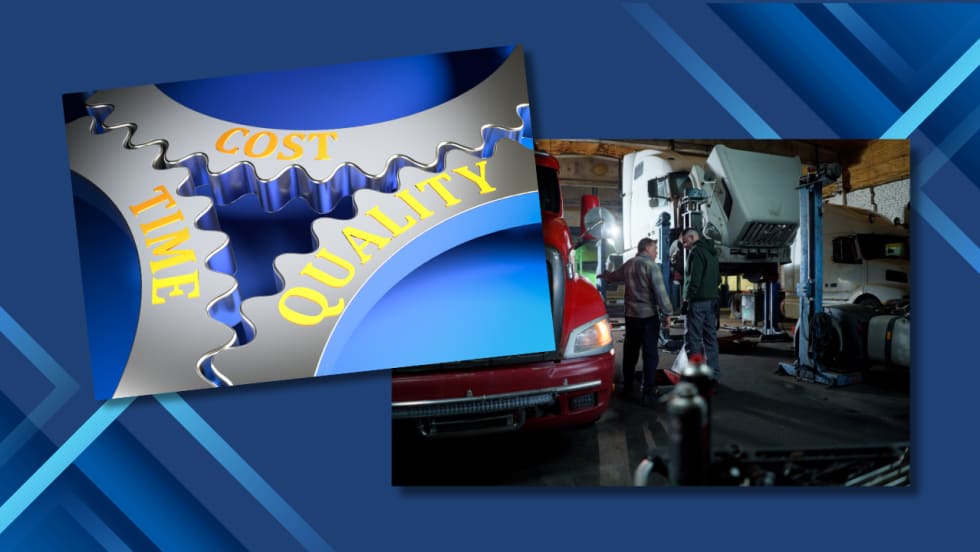
What Three Fleets Are Doing Differently When Buying Truck Parts in 2026
With freight improving but costs still climbing, fleet maintenance executives explain how they're balancing price, quality, and supplier relationships.
Read More →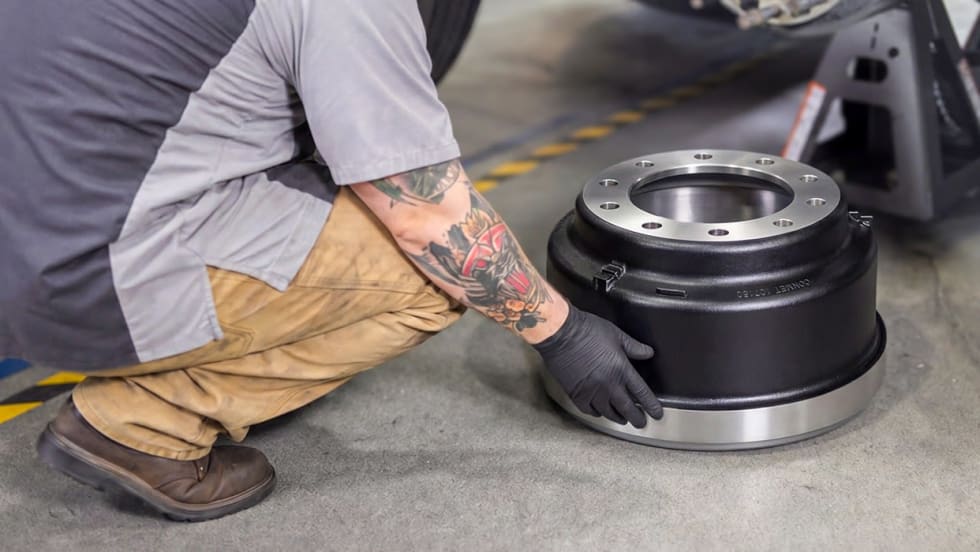
ConMet Expands Aftermarket Brake Drum Lineup With TruCast
A new heavy-duty truck brake drum option in the aftermarket gives customers more flexibility within the ConMet product family.
Read More →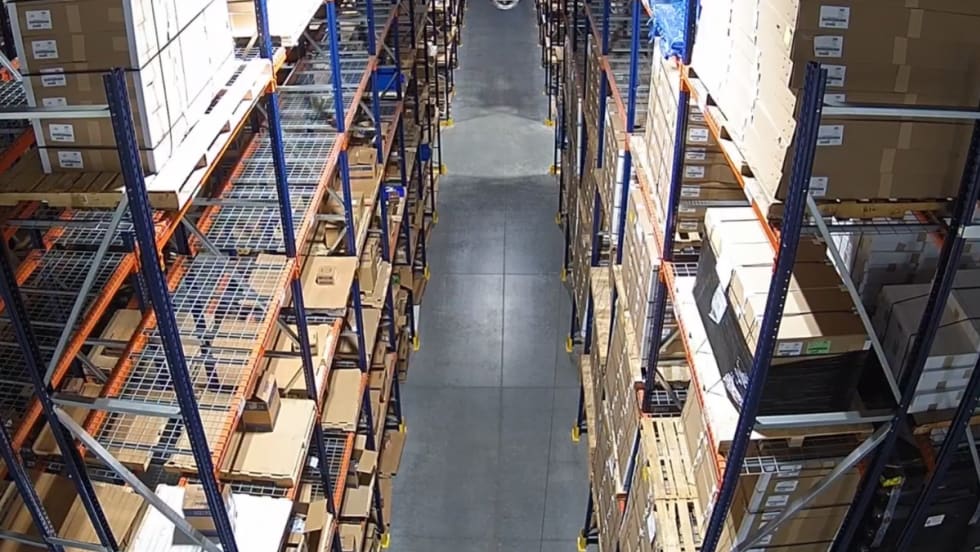
Phillips Opens High-Tech Distribution Center for Faster Parts Delivery
Phillips Industries’ new Cincinnati-area distribution center is now shipping aftermarket trucking parts nationwide, aiming to speed up delivery times for customers.
Read More →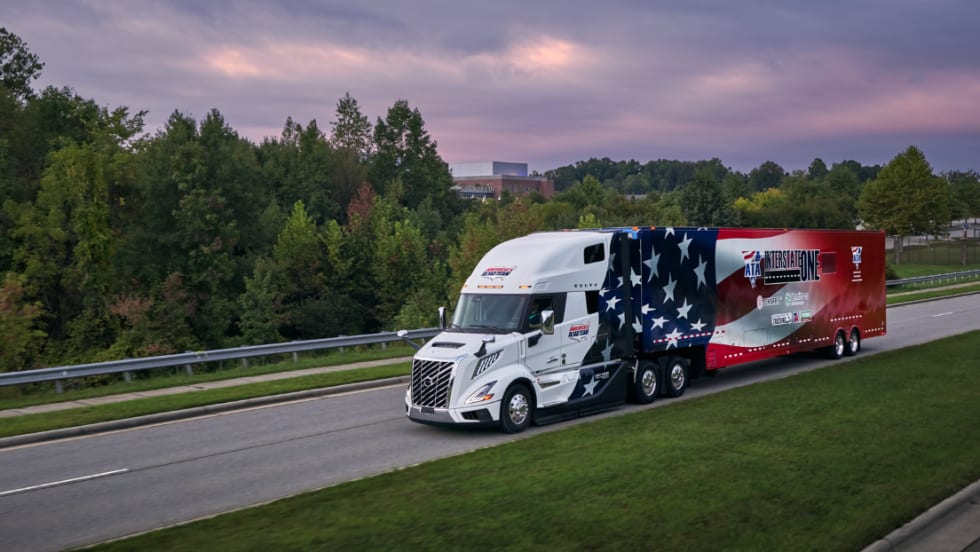
Volvo to Sponsor America’s Road Team for 2025
Volvo Trucks announced that it is extending its exclusive sponsorship of America’s Road Team for 2025.
Read More →
Webb to Start Taking Orders for UltraSet Pre-Adjusted Wheel Hubs
Webb, which recently acquired the Stemco Trifecta pre-adjusted hub program, will soon start taking orders for its replacement pre-assembled hub, the UltraSet.
Read More →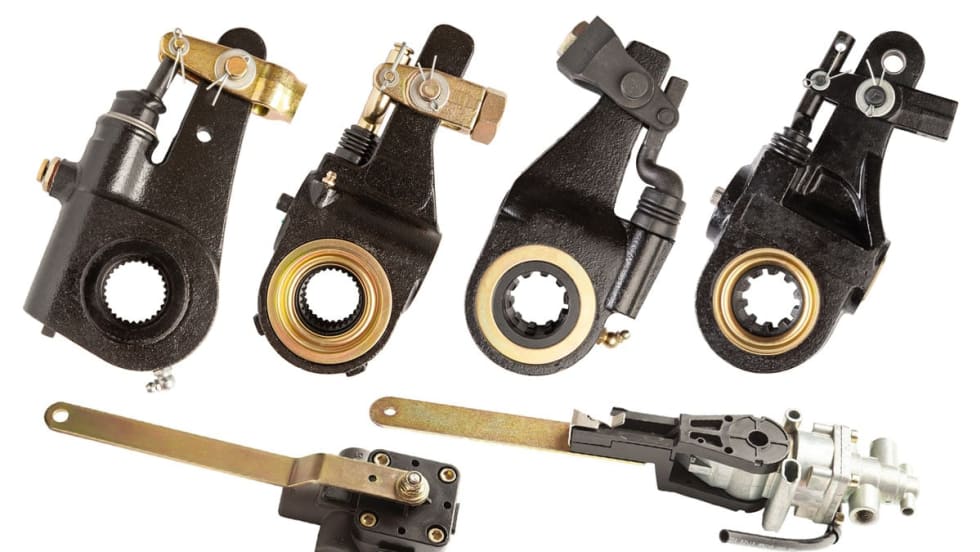
All-Makes Automatic Brake Adjusters, Ride Height Control Valves from Midland
SAF-Holland has added automatic brake adjusters and ride height control valves to its Midland All-Makes Program.
Read More →
ZF Aftermarket Expands [pro]Academy Training
ZF Aftermarket said it is expanding its ZF [pro]Academy training and will be adding 40 new modules this year.
Read More →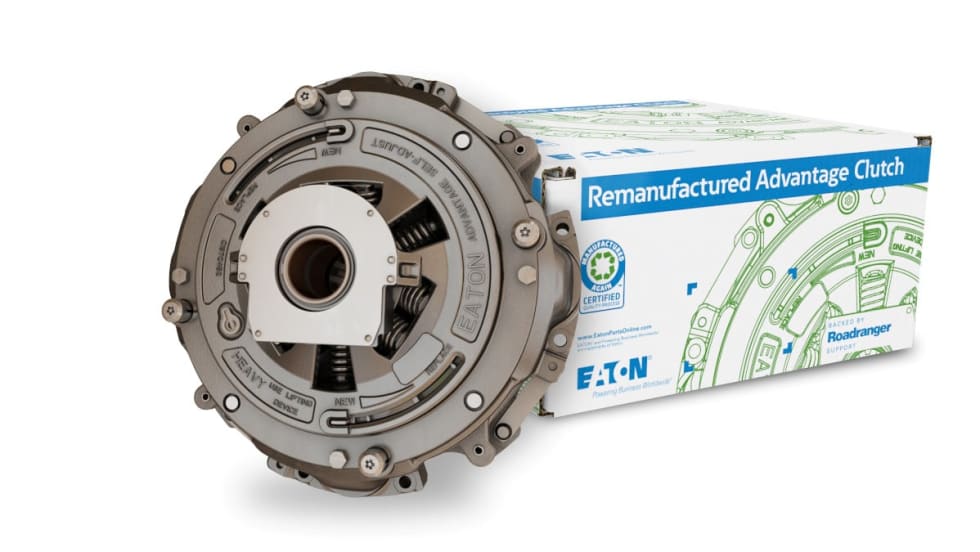
Eaton Adds Remanufactured Advantage Line of Clutches
Eaton has added its Advantage clutches to its remanufactured product line. The clutches feature a unique strap drive intermediate plate designed to allow customers to choose the latest OE specification
Read More →
ConMet Acquires TruckLabs, the Creator of TruckWings
Commercial truck and trailer parts provider ConMet acquired TruckLabs, the company that created TruckWings, an aerodynamic device that attaches to truck cabs and deploys to close the gap between truck and trailer. TruckLabs now operates as a subsidiary of ConMet.
Read More →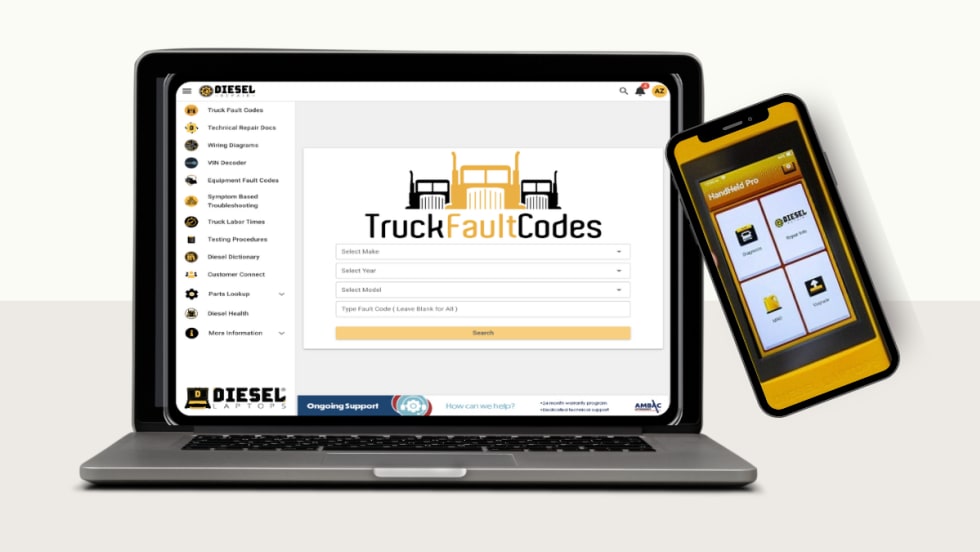
Diesel Laptops Releases Fault-Code-to-Part-Number Tool
Diesel Laptops said its Truck Fault Codes allows users to input a fault code and immediately identify and order the parts needed to complete repair work.
Read More →