




Related: Trading Diesel for Kilowatts
California Awards $23.6 Million for Electric Drayage Trucks
California is awarding $23.6 million to the South Coast Air Quality Management District for a statewide zero-emission drayage truck development and demonstration project.
by Staff
May 4, 2016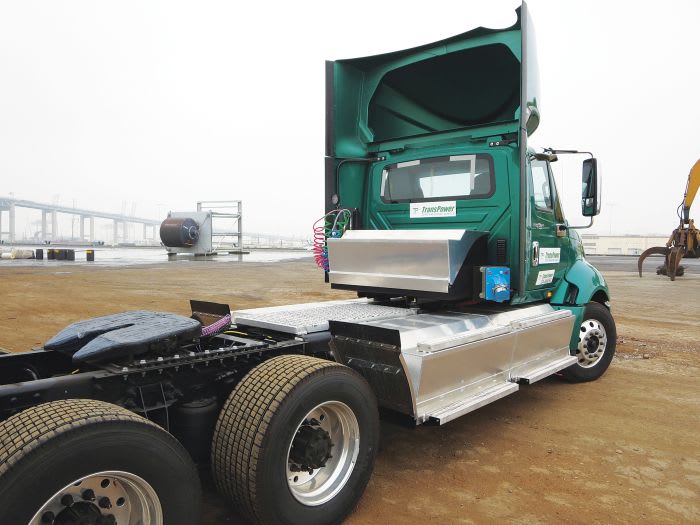
2 min to read

California is awarding $23.6 million to the South Coast Air Quality Management District for a statewide zero-emission, Class 8 drayage truck development and demonstration project.
The South Coast air district is partnering with air districts in the Bay Area, Sacramento, San Diego and San Joaquin Valley for a statewide demonstration of 43 battery electric and plug-in hybrid drayage trucks serving major California ports. The trucks will be used in all five air districts to target key areas of the state with drayage truck activity.
Manufacturers including Kenworth, Peterbilt, Volvo and BYD are involved in the project and will use their engineering resources, manufacturing capabilities and distribution networks to support drayage truck development.
The funding comes from the California Climate Investments project and will be aimed at reducing greenhouse gases, petroleum usage and pollution in areas where reduction is needed most. The project is also designed to accelerate the commercialization of heavy-duty advanced, zero-emission technologies, establishing a path for implementing SCAQMD’s clean air plan that is currently under development. The SCAQMD is the air pollution control agency for Orange County and major portions of Los Angeles, San Bernardino and Riverside counties.
"This project will help put the very cleanest short-haul trucks to work where they are needed most, moving cargo from the state’s biggest ports to distribution centers and rail yards,” said Mary D. Nichols, Air Resources Board chair. “This is good news – and cleaner air – for all Californians, but especially those who live in neighborhoods next to these industrial facilities or along some of our state’s busiest trade corridors.”
The effort is part of a larger statewide investment in low-carbon transportation projects aimed at helping the state reach emissions reduction goals and improve air quality. Freight transport in California accounts for about half of diesel particulate matter, 45% of NOx emissions and 6% of all GHG emissions in California, according to ARB.
“This unique collaborative effort will accelerate the commercialization of advanced zero-emission truck technologies that are vital to improving air quality in communities near our busy freight corridors,” said Joe Buscaino, Los Angeles city councilman and SCAQMD board member. “Cleaner truck fleets on our roadways are important for air quality and climate goals, and essential to protecting public health.”
More Fleet Management

Trimble’s New AI Agent Takes Aim at Fleet Back-Office Busywork
Arc Agent works across Trimble TMS products to automate repetitive tasks such as freight orders, maintenance, invoices, fuel costs and more.
Read More →
How HDT’s 2026 Truck Fleet Innovators Are Rethinking Fleet Operations
Meet five trucking leaders who are challenging assumptions, solving operational problems, and putting innovative ideas to work.
Read More →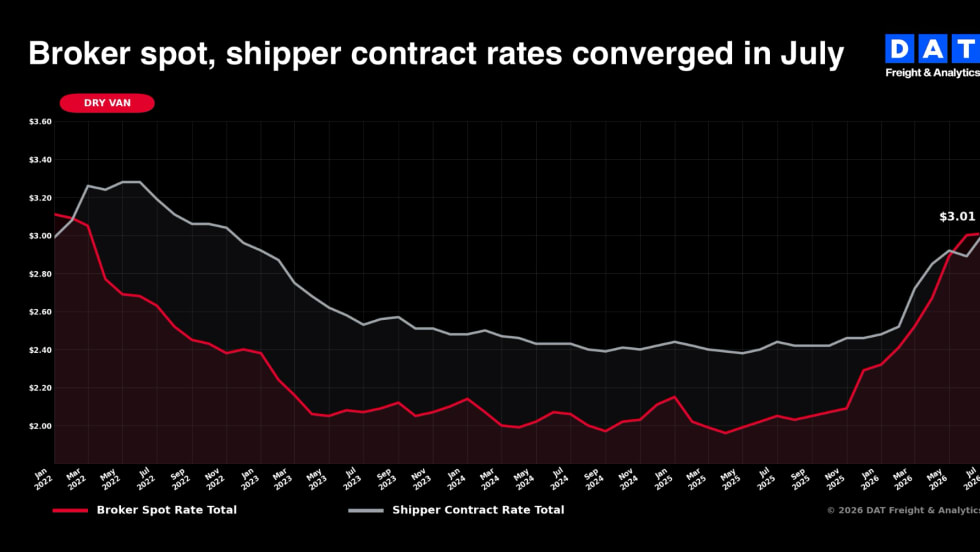
Tight Trucking Capacity Pushes Rates Higher Even as Freight Volumes Fall
“Spot rates moving ahead of contract rates have historically signaled a tightening market, but we haven’t seen a capacity-driven market quite like this one,” said DAT's Dean Croke.
Read More →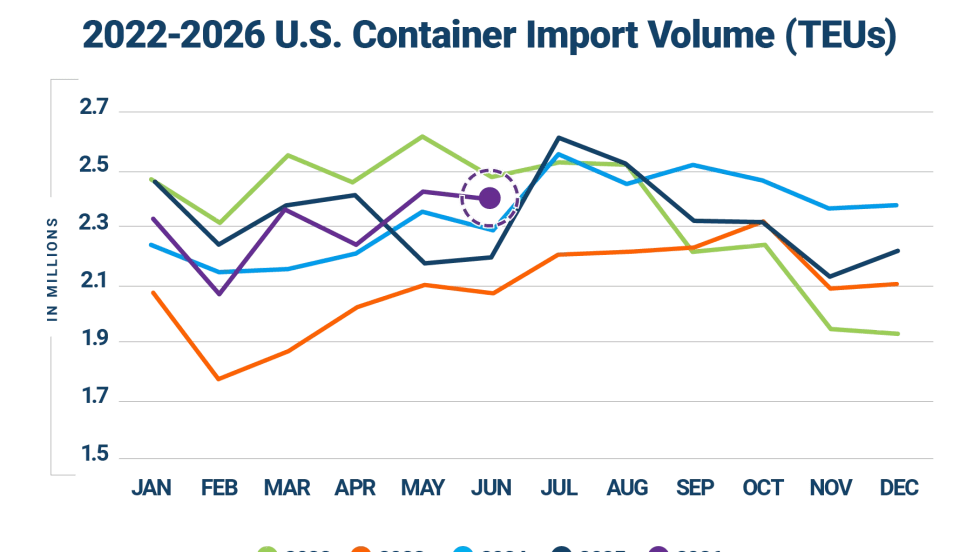
Import Cargo’s Early Peak Season is Winding Down
There was an early start to peak season this year at the nation's gateway ports, as retailers brought in merchandise ahead of tariff changes in late July and responded to other supply chain uncertainties,
Read More →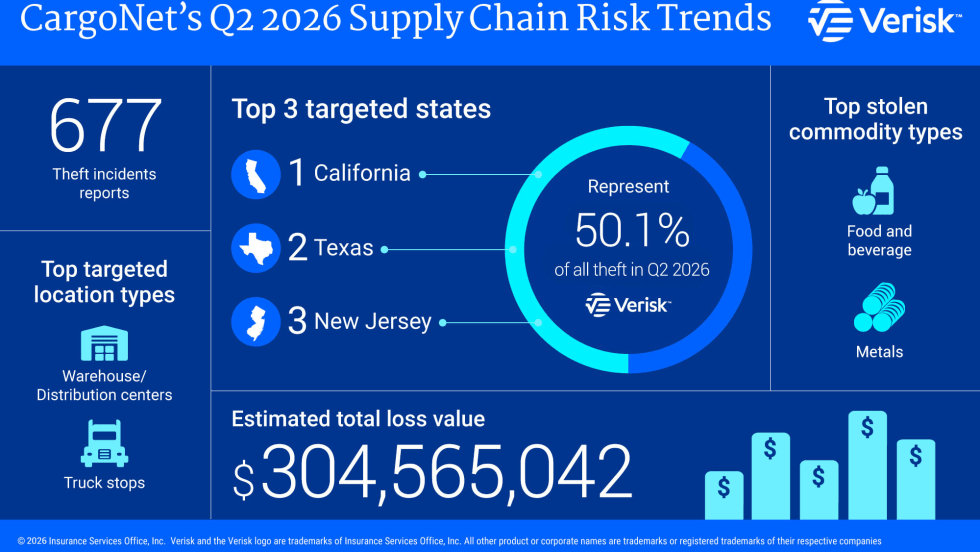
Fewer Cargo Thefts, Bigger Losses: Criminals Target Higher-Value Loads
CargoNet says organized theft rings are stealing fewer shipments but choosing more valuable freight, including metals and technology, resulting in record losses.
Read More →
How Innovative Trucking Leaders Turn Change Into an Advantage
As the pace of change accelerates in trucking, the fleets that adapt best have more than the latest technology. They have cultures that embrace improvement.
Read More →
Freight Broker Bonds Just Got Harder to Get. Here's What That Means for Your Fleet.
When it gets harder for a freight broker to prove they are financially sound, the ones who cannot clear that bar get pushed out of the market. And those are exactly the brokers who used to leave motor carriers holding the bag.
Read More →
Long-Awaited Canadian Border Bridge to Open in Detroit
For trucking, the bridge opening should offer immediate improvements in efficiency and reliability, with new customs facilities, expanded inspection capacity, and direct freeway-to-freeway connections.
Read More →
Aurora Rolls Out Next Generation of Driverless Trucks for Commercial Freight
Aurora's latest autonomous trucks it's rolling out with International feature lower-cost hardware designed for a million miles as the company expands commercial driverless freight operations across the U.S. Sun Belt.
Read More →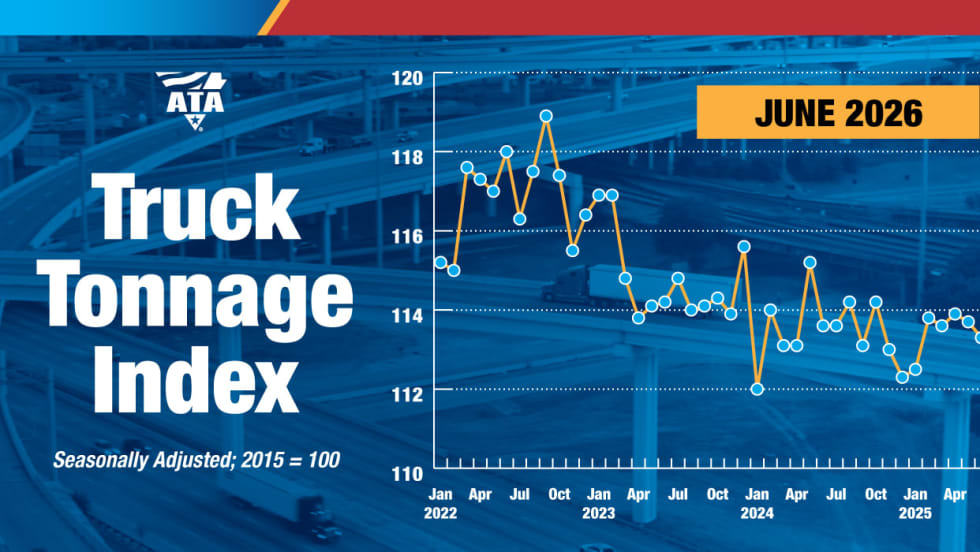
Freight Tonnage Down, Rates up, as Lower Capacity Powers Trucking Recovery
The recovery from the freight recession continues to be driven by reduction in capacity rather than by increased demand.
Read More →