




Bush Outlines Energy Policy, Little Immediate Relief Expected
Saying the United States faces the most serious energy shortage since the 1970s, President Bush Thursday laid out his energy plan. Critics, however, say it offers little immediate relief when it comes to skyrocketing prices at the pumps

President Bush talks about energy plan.
Saying the United States faces the most serious energy shortage since the 1970s, President Bush Thursday laid out his energy plan. Critics, however, say it offers little immediate relief when it comes to skyrocketing prices at the pumps.
Instead it calls for $10 billion in tax credits, with a heavier reliance on oil, coal and nuclear power. The plan also calls for new refinery construction, with the belief that more refinery capacity will help lead to lower fuel prices in the long run. According to the report, there is "a fundamental imbalance between supply and demand" when it comes to energy, and this has been one of the main reasons for high fuel prices.
The plan also calls for easing restrictions on oil and gas development on public lands, opening a portion of the Arctic National Wildlife Refuge in Alaska to drilling, and easing the permit process for refinery expansion and construction. It also specifically calls for The Transportation Department and the Environmental Protection Agency to work with the trucking industry to reduce emissions and fuel consumption of long-haul trucks -- something the EPA is already doing under rules implemented during the final days of the Clinton administration.
The plan was put together by a task force led by Vice President Dick Cheney. It is already being attacked by opponents, who say it excludes environmental protection and offers no short-term relief when it comes to skyrocketing energy prices, including diesel and gasoline.
The American Trucking Associations released a written statement “congratulating the Bush Administration for their leadership in tackling a thorny national issue,” but at the same time called on the president to set a single national standard formula for diesel fuel.
"The goals of the Administration’s policy will be frustrated unless we stop the patchwork of boutique fuels that has begun cropping up across the nation," said ATA President Walter McCormick Jr. He said that such a "grab-bag of fuel formulas" in different states threatens diesel supplies, at a time when refineries are already overwhelmed by demand. ATA also called for further exploration into the use of alternative fuels, but said it is "inappropriate for government to mandate their use."
In the meantime, if truckers and consumers want to see any near-term relief from high fuel prices, they will have to pin their hopes on two plans being floated in Congress.
A House measure would roll back the 4.3-cents-per-gallon federal fuel tax that was implemented in 1993 to pay down the federal deficit, reducing the federal tax on diesel to 20 cents per gallon and 14 cents per gallon on gasoline.
Another proposal would suspend the entire federal fuel tax on diesel and gasoline for six months.
Critics of the legislation say the plans would do more harm than good, because such a reduction or suspension would severely cut down on money collected by the federal government, which is in turn handed out to the states to build and maintain roads and bridges.
Similar plans have been introduced in Congress in the past only to be voted down. However, with fuel prices expected to head even higher, House and Senate members may want to do something to appease voters, before the public has their say at the polls in 2002.
More Drivers
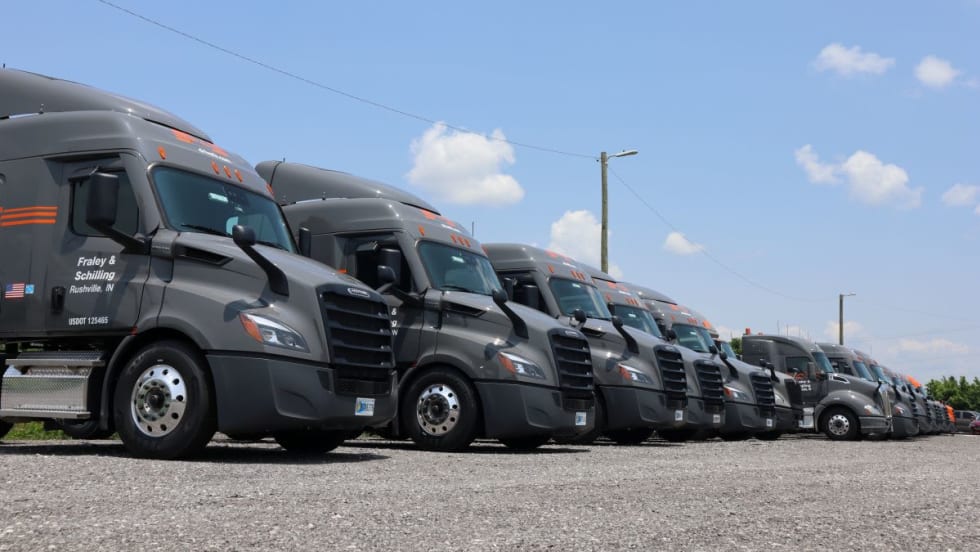
How Fraley & Schilling Improved Logbook Compliance by Over 50%
Fraley & Schilling needed a way to close a compliance workflow gap in its ELD system without adding more work from driver training, reminders, and back-office follow-ups. It found the answer in a custom driver app.
Read More →
Volvo Goes Gaming
Volvo has roared into American Truck Simulator with two new flagship trucks.
Read More →
What the Best Fleets to Drive For Teach About Driver Retention
Survey fatigue, AI-powered routing, owner-operator expectations, and the decline of social media all emerged as themes from this year's Best Fleets to Drive For program.
Read More →
Driver Retention Lessons From the Best Fleets to Drive For
What separates trucking's best workplaces from the rest? Jane Jazrawy shares the biggest lessons from this year's Best Fleets to Drive For program on driver retention, communication, AI, and workforce trends on the HDT Talks Trucking podcast.
Read More →
Farewell, CDL: Why I'm Giving Up My Commercial Driver's License
After more than 20 years as a CDL holder, HDT Executive Editor Jack Roberts is letting his commercial license expire. Not because he wants to — but because trucking's nuclear verdict crisis has made the risks of public-road test drives too great for editors, manufacturers, and everyone involved.
Read More →
How Top Trucking Fleets Improve Driver Retention [Video]
What do healthy snacks, optimized routing, and just picking up the phone have in common? They're all strategies the Best Fleets to Drive For are using to retain truck drivers.
Read More →
Trucker Path Adds Verisk CargoNet Theft Data to Navigation Platform
Trucker Path’s new cargo theft risk overlays give drivers and fleets visibility into high-risk areas, stolen commodity trends, and theft hotspots.
Read More →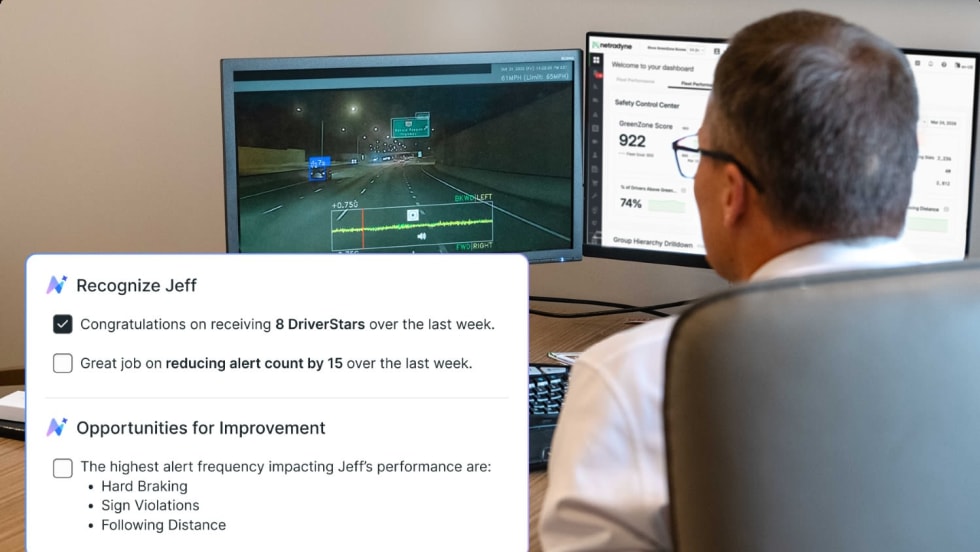
Netradyne Intelligence Uses New AI Agents to Automate Response to In-Cab Camera Data
The company called the next-generation in-cab camera safety platform "a fundamental shift from systems that report on what happened to systems that actively drive what should happen next."
Read More →
Why Truck Detention Keeps Costing Fleets Time and Money
A 2024 ATRI study found detention affects nearly 40% of truckload stops and costs the industry more than $15 billion annually. Despite the toll on drivers, fleets, and supply chains, the problem remains stubbornly persistent.
Read More →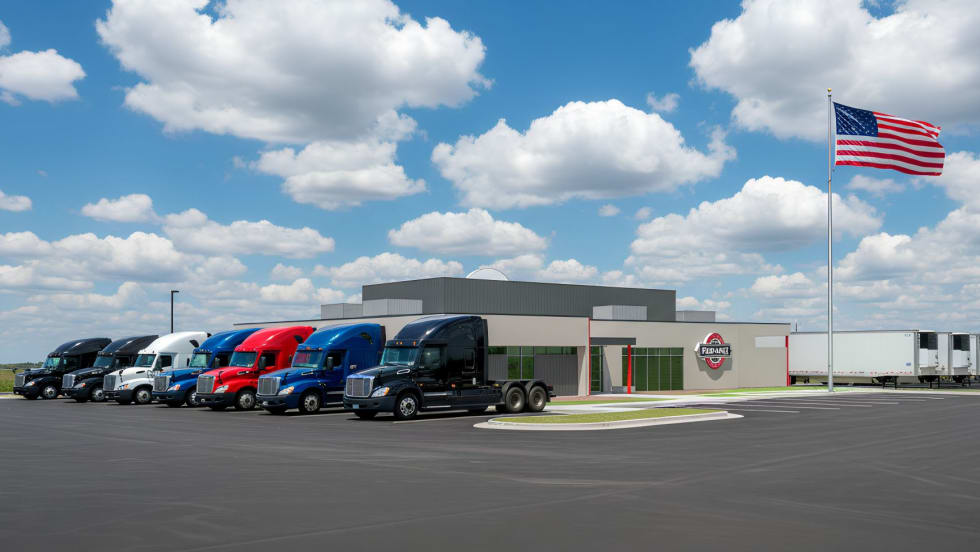
Prime Inc. to Open $7.9M Flagship Used-Truck Dealership
A new driver-focused facility to sell Prime Inc's used trucks and trailers will be the first purpose-built location in the company's history.
Read More →