




Boston Announces Daytime Hazmat Ban
The Massachusetts transportation department announced a ban on trucks carrying hazardous materials through Boston between 6 a.m. and 8 p.m., a move that trucking interests say could worsen safety, not improve it
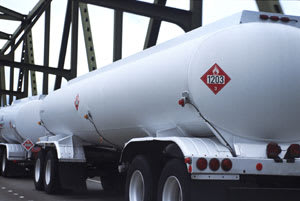
The City of Boston announced a ban on trucks carrying hazardous materials through the city between 6 a.m. and 8 p.m. The mayor's office is also considering a recommendation for an evening ban.
The Massachusetts transportation department announced a ban on trucks carrying hazardous materials through Boston between 6 a.m. and 8 p.m., a move that trucking interests say could worsen safety, not improve it.
It's not the first time Boston has banned hazmat trucks in the city. In 2006, Mayor Thomas Menino's administration halted all daytime permits for trucks passing through Boston with hazardous or flammable materials. But the federal government must approve hazmat routes, and Boston never consulted the U.S. Department of Transportation about it.
In November 2009, the FMCSA issued a pre-emption determination, which said "This de facto modification to the city's routing designation . . . serves to shift the risk associated with that transportation to neighboring jurisdictions by forcing hazardous material motor carriers to use alternative routes bypassing the city of Boston."
At that time, the city reached a deal with the Massachusetts Motor Transportation Association to encourage truckers to use Cross Street, rather than Commercial Street in the North End, according to published reports at the time the ban was lifted in May 2010.
An institute with experience in the field of hazmat transport was hired to review the ban and four more public hearings were held, according to the mayor's office.
The Massachusetts Motor Transportation Association says it found major flaws in that report.
MMTA's review, conducted by Visual Risk Technologies, a Tennessee/Washington, D.C.-based research firm contracted by MMTA, found that the Boston report did not analyze the correct hazardous materials route. Federal regulations require the current legal route to be used as the baseline for comparison.
"Implementation of the city's plan will increase the public health risk for a wider swath of Massachusetts residents, slow emergency response times, increase costs to businesses and raise the cost of oil and gas for tens of thousands of residents on the South Shore," says Anne Lynch, executive director of the MMTA.
Other problems MMTA says it found with the Boston report are as follows:
- The alternate route that Mayor Menino recommended has an accident expectancy double that of the through-route alternative.
- There is a difference in preparedness between the response capability in the City of Boston and the rest of the region. Boston-based response units can respond within five to 10 minutes, but getting an operational team on-scene in other areas can take up to 30 to 60 minutes, the report says. In locations where significant congestion might occur, the ability for adequate response to arrive on the scene of an accident would further increase these times. The 1996 Routing Guide instructs analysts to use a 10-minute response time to determine adequate emergency response coverage from adequately capable teams. Response times greater than the 10-minute window are, therefore, not meeting the defined adequacy.
- The Boston Report lacked discussion of the specific hazmat movements under consideration before the alternative selection process is described.
- The report used the argument that U.S. DOT regulations adequately protect the population and the environment, so there is no need to consider the increased environmental risk. Given the number of sensitive environmental areas on the proposed alternate route, including the Cambridge water supply, environmental risk must be determined.
- The analysis of the burden on commerce in the Boston Report is exclusively focused on the local transportation of petroleum products and particularly those that are moved in the greater Boston area. There are other product movements that should be considered as well, including long-haul shipments moving longer distances than those analyzed, specifically to communities in other areas that will be impacted by reduced product delivery and by increased cost.
According to The Boston Globe, the mayor's office said the transportation department is also considering a extending the ban through the evening.
To view the entire review, click here.
More Drivers
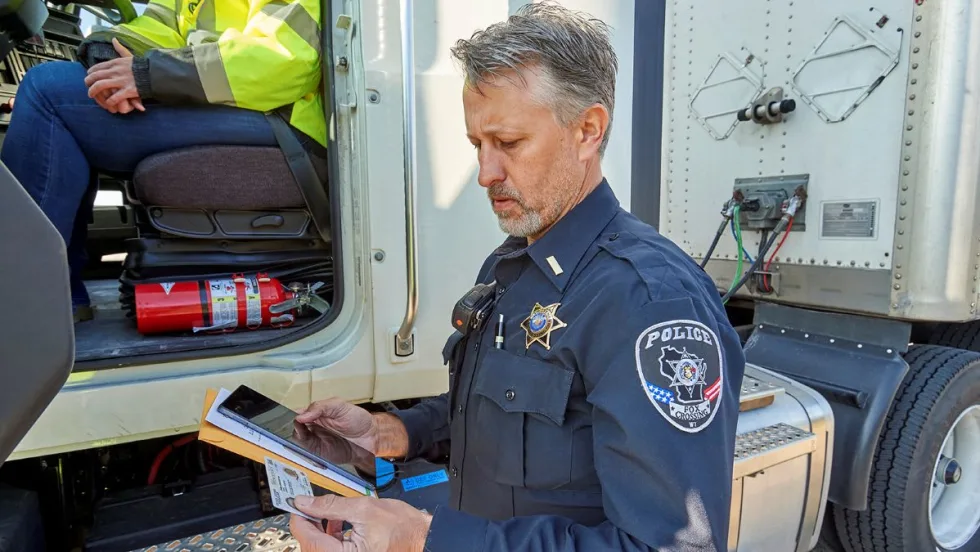
When Language Stops the Truck: The Return of ELP Out-of-Service Orders
English language proficiency rules for commercial drivers aren’t new, but renewed out-of-service enforcement has raised the stakes. Here’s what carriers need to know before a driver reaches a roadside inspection.
Read More →
Samsara Launches Custom AI Agent Builder
Agent Studio lets fleets create AI tools for hours-of-service monitoring, reporting and driver support, including agents that communicate by phone.
Read More →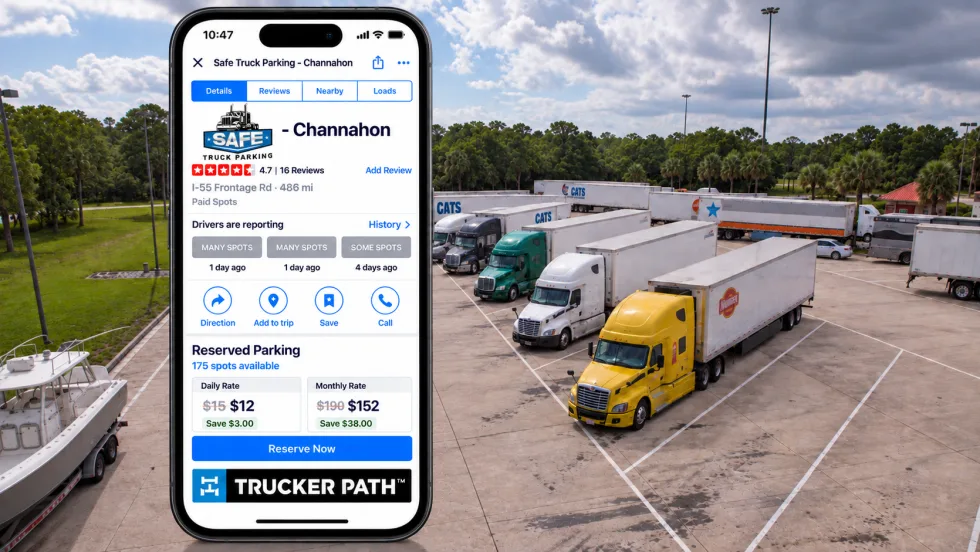
Trucker Path Expands Reserved Parking Network
Trucker Path has added close to 6,000 more truck parking spaces to its Trucker Path Reserved Parking Network with the addition of Safe Truck Parking.
Read More →
EEOC Sues Texas Trucking Company Over Driver Age Limits
The agency says Trancasa USA rejected applicants over 65 and applied tougher driving-record standards to those over 60.
Read More →
Nussbaum, Roehl Announce Second Driver Pay Increase This Year
This year has seen a swath of major truck driver pay increases as freight capacity has tightened.
Read More →
From One Generation to the Next: How Mentorship Builds Safer Truck Drivers
After three decades in trucking, Harold Perry shares what he's learned about driver safety, mentorship, and helping the next generation build confidence behind the wheel.
Read More →
Truck Drivers Need More Than Another Alert
Fleets have more visibility into truck health, safety events, and driver activity than ever. The next challenge is turning all that information into useful guidance for the person who has to decide what to do next.
Read More →
FMCSA Removes 110 Truck Driver Training Schools from Certified ELDT List
Federal regulators also are targeting more than 160 additional training providers and launching a nationwide audit of third-party CDL skills testers as part of a broader crackdown on trucking fraud.
Read More →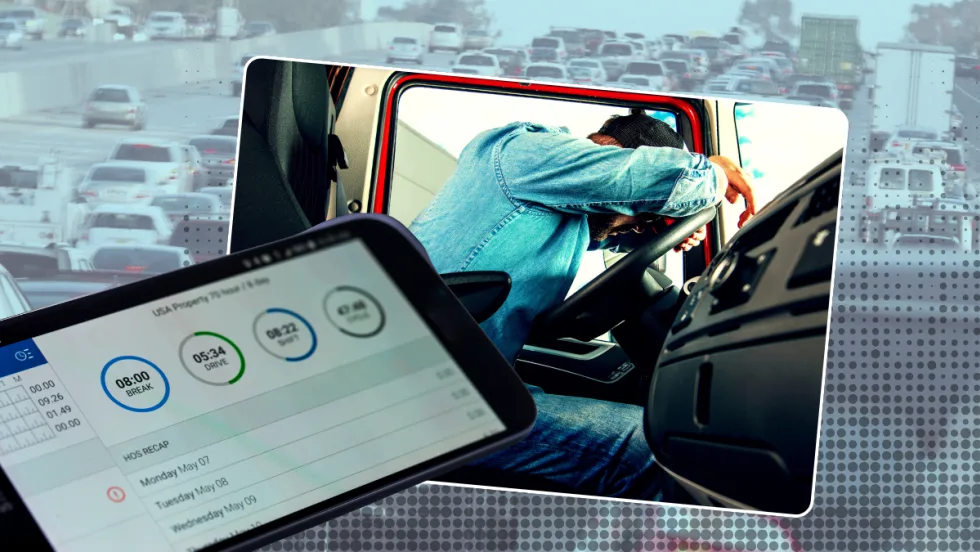
Hours of Service Pilot Programs: FMCSA Readies for 2027 Rollout
Two pilot programs could eventually reshape hours-of-service rules, giving truck drivers options to pause their 14-hour clock or use longer split sleeper rest periods.
Read More →
Medical Cards, English Proficiency Reshape Roadcheck Violations
Medical-card violations jumped to the top of the driver out-of-service list during CVSA’s 2026 International Roadcheck, while English-language proficiency violations appeared among the leading violations for the first time.
Read More →