




BorgWarner Develops Two-stage Turbocharger for Mercedes-Benz Sprinter.
For 2006, the Mercedes-Benz Sprinter is using the benefits of two-stage regulated turbocharging (R2S) from BorgWarner Turbo & Emissions Systems for its new four-cylinder diesel engine. This innovative turbocharger
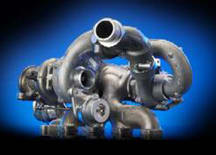
For 2006, the Mercedes-Benz Sprinter is using the benefits of two-stage regulated turbocharging (R2S) from BorgWarner Turbo & Emissions Systems for its new four-cylinder diesel engine. This innovative turbocharger
system allows an infinitely variable adaptation of the turbine and compressor side to any engine operating point.
The new 2.2-liter four-cylinder engine replaces the previous 2.7-liter unit. Due to the introduction of even stricter emission requirements in the future, the aim was to develop an engine that complies with these standards while maintaining almost the same nominal output and offering improved torque characteristics. The powerful new four-cylinder unit has a rated output of 110 kW at 3,800 rpm. As a result of its regulated two-stage turbocharging, the engine offers the driver not only a more spontaneous response, particularly when pulling away, accelerating and on hills, but also a higher and more pronounced torque characteristic.
Regulated two-stage turbocharging consists of two differently sized turbochargers arranged in series: a large low-pressure turbocharger and a small high-pressure turbocharger. In this arrangement, the turbochargers are tuned in such a way that both of them are active at all engine operating points. At low engine speeds, the smaller high-pressure turbocharger guarantees a much-improved response with no turbo lag. As the engine speed rises, the larger low-pressure turbocharger becomes more and more effective until it completely takes over from its smaller high-pressure partner. The boost pressure is regulated by a bypass in the high-pressure turbocharger. This prevents drops in boost pressure, such as those that occur, for example, in sequential turbocharging systems.
A further development of regulated two-stage turbocharging is the self-regulating compressor bypass. This is being used for the first time in the Mercedes-Benz Sprinter. It takes over the job of the vacuum-controlled compressor bypass valve, which has the function of bypassing the high-pressure turbocharger at high engine loads. Eliminating the need for external control not only cuts production costs but also allows a greater amount of flexibility in arranging the components.
More Aftermarket

What Three Fleets Are Doing Differently When Buying Truck Parts in 2026
With freight improving but costs still climbing, fleet maintenance executives explain how they're balancing price, quality, and supplier relationships.
Read More →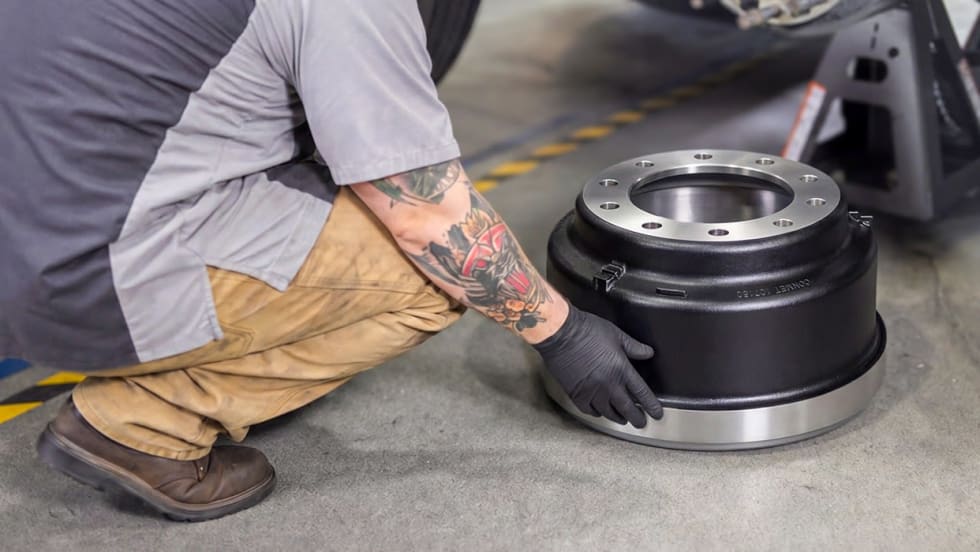
ConMet Expands Aftermarket Brake Drum Lineup With TruCast
A new heavy-duty truck brake drum option in the aftermarket gives customers more flexibility within the ConMet product family.
Read More →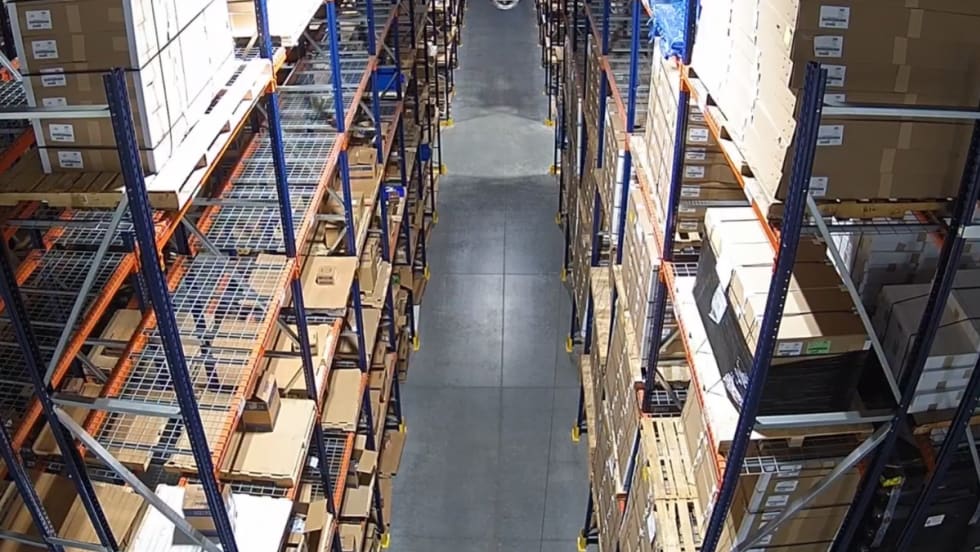
Phillips Opens High-Tech Distribution Center for Faster Parts Delivery
Phillips Industries’ new Cincinnati-area distribution center is now shipping aftermarket trucking parts nationwide, aiming to speed up delivery times for customers.
Read More →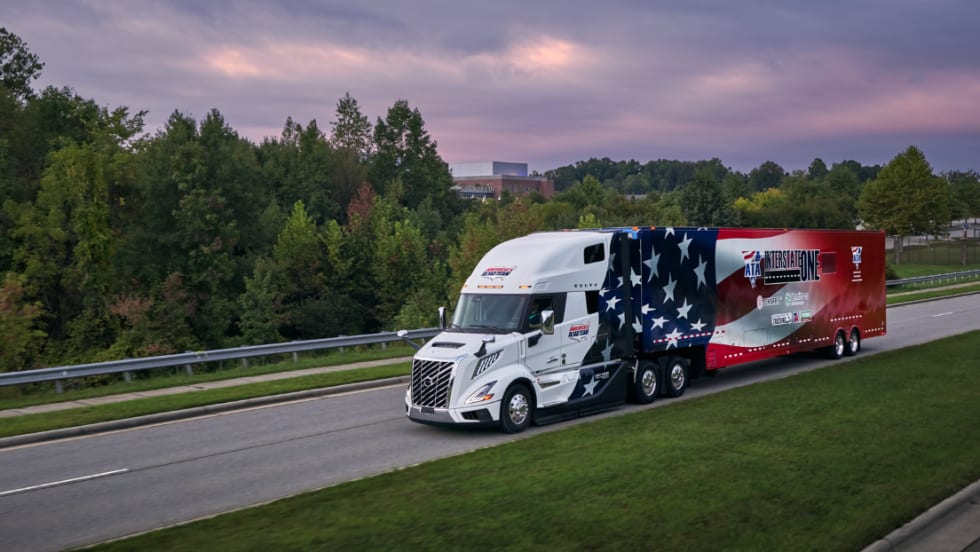
Volvo to Sponsor America’s Road Team for 2025
Volvo Trucks announced that it is extending its exclusive sponsorship of America’s Road Team for 2025.
Read More →
Webb to Start Taking Orders for UltraSet Pre-Adjusted Wheel Hubs
Webb, which recently acquired the Stemco Trifecta pre-adjusted hub program, will soon start taking orders for its replacement pre-assembled hub, the UltraSet.
Read More →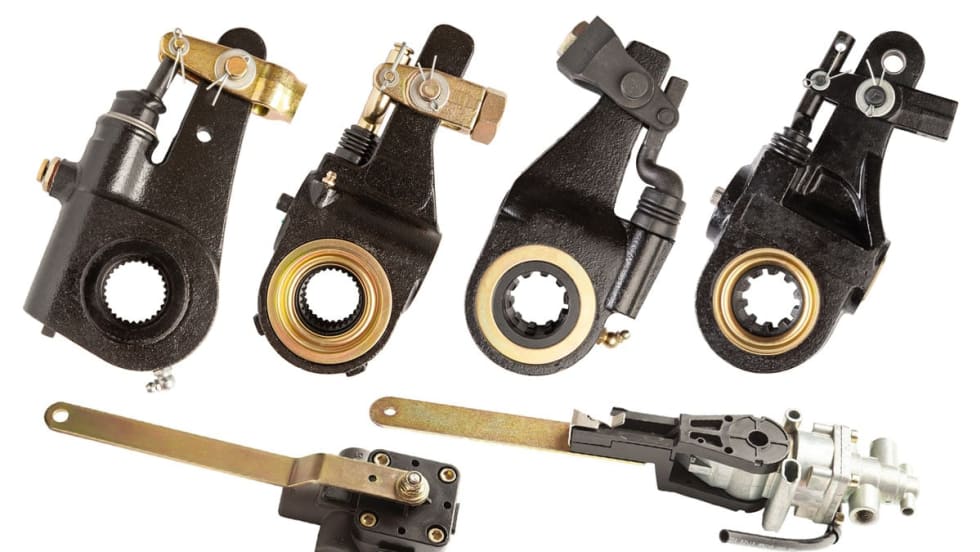
All-Makes Automatic Brake Adjusters, Ride Height Control Valves from Midland
SAF-Holland has added automatic brake adjusters and ride height control valves to its Midland All-Makes Program.
Read More →
ZF Aftermarket Expands [pro]Academy Training
ZF Aftermarket said it is expanding its ZF [pro]Academy training and will be adding 40 new modules this year.
Read More →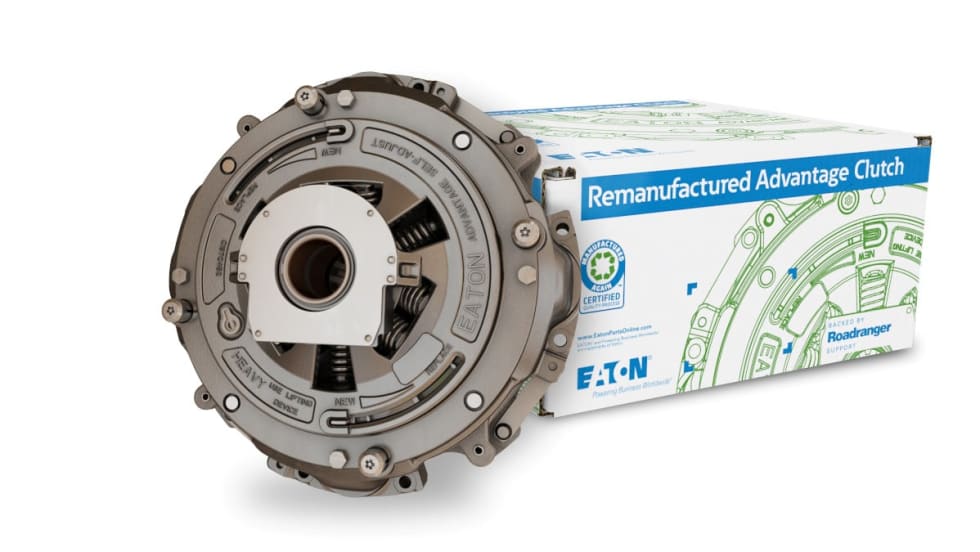
Eaton Adds Remanufactured Advantage Line of Clutches
Eaton has added its Advantage clutches to its remanufactured product line. The clutches feature a unique strap drive intermediate plate designed to allow customers to choose the latest OE specification
Read More →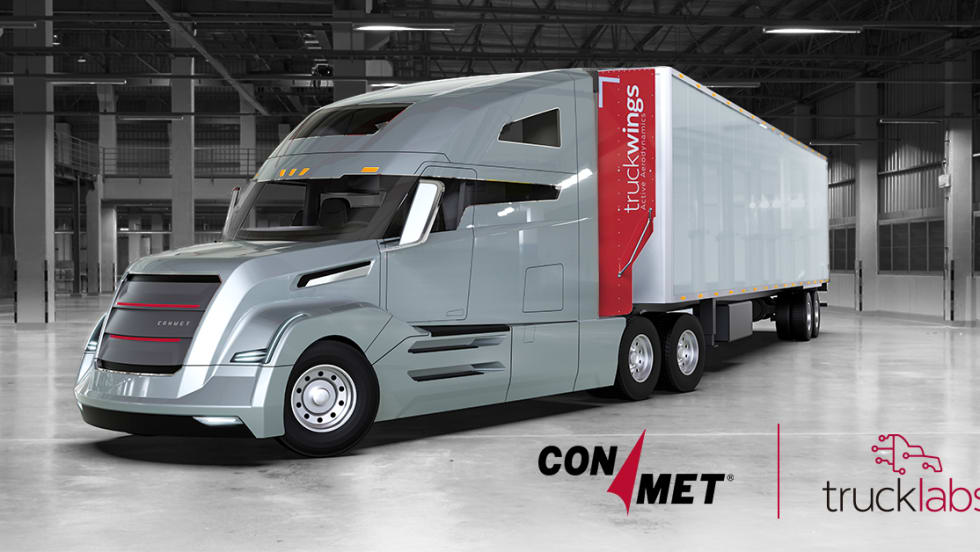
ConMet Acquires TruckLabs, the Creator of TruckWings
Commercial truck and trailer parts provider ConMet acquired TruckLabs, the company that created TruckWings, an aerodynamic device that attaches to truck cabs and deploys to close the gap between truck and trailer. TruckLabs now operates as a subsidiary of ConMet.
Read More →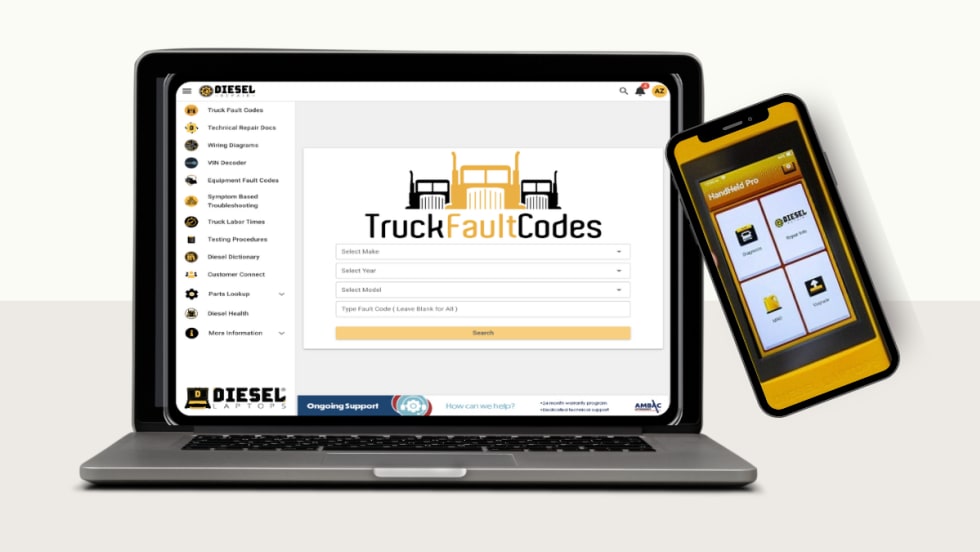
Diesel Laptops Releases Fault-Code-to-Part-Number Tool
Diesel Laptops said its Truck Fault Codes allows users to input a fault code and immediately identify and order the parts needed to complete repair work.
Read More →